You might be surprised to learn just how effective natural remedies can be for relieving neck pain. By incorporating heat and cold therapies, gentle stretches, and essential oils into your routine, you can start to alleviate discomfort without relying on medication. Understanding the nuances of these methods can make a significant difference in how you feel. But before you dismiss these approaches, consider the benefits they offer and what you might be missing. What if a simple adjustment in your daily habits could lead to lasting relief?
Understanding Neck Pain
When it comes to neck pain, understanding its causes is vital for effective relief. Neck pain can stem from various issues, including muscle strain, injuries, or underlying medical conditions. You might find that poor sleeping positions or extended hours spent looking at screens contribute to your discomfort. Identifying these triggers helps you address the problem directly.
Muscle strain often results from overuse or incorrect posture during activities like working at a desk or exercising. If you've recently engaged in heavy lifting or repetitive motions, your neck's muscles may tighten up as a response. This tension can lead to pain that radiates down your shoulders or even into your upper back.
Another common cause is injuries, such as whiplash from a car accident or a sudden fall. These incidents can cause inflammation and stiffness, making it difficult to move your neck comfortably. It's essential to assess whether you've experienced any recent trauma, as this could require professional evaluation.
Additionally, underlying medical conditions like arthritis or herniated discs can cause chronic neck pain. If you suspect that your pain persists despite your best efforts to manage it, seeking medical advice is a wise step.
Knowing the specific cause of your neck pain allows you to choose the most effective natural remedies, leading to better relief and improved comfort in your daily life.
Importance of Proper Posture
Your posture plays an essential role in maintaining spinal health and preventing neck pain.
By focusing on ergonomics at work and developing better daily posture habits, you can make a significant difference in how you feel.
Let's explore how small adjustments can lead to lasting relief.
Impact on Spinal Health
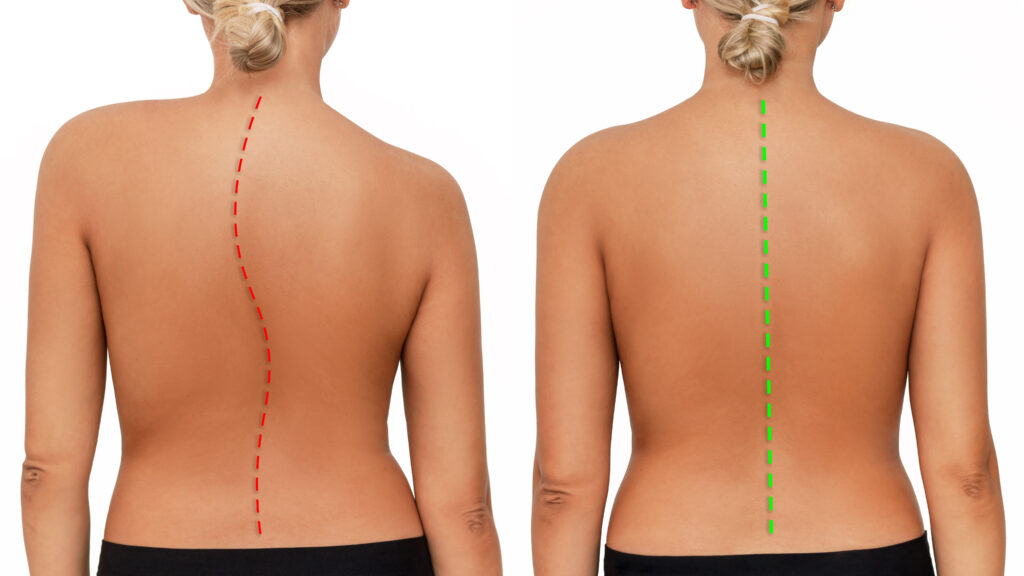
Maintaining proper posture plays an essential role in supporting spinal health and preventing neck pain. When you sit or stand with your spine aligned, you distribute your body's weight evenly, reducing strain on the muscles and ligaments around your neck. Poor posture can lead to a misaligned spine, which can result in discomfort and chronic pain.
Think about how often you find yourself slouching or leaning forward, especially during long hours of sitting. This can overwork your neck muscles, leading to tension and stiffness. By consciously keeping your shoulders back and your head aligned with your spine, you can alleviate unnecessary pressure on your neck.
Incorporating regular breaks to stretch and strengthen your neck and upper back can also enhance your posture. Simple exercises, like neck rolls or shoulder shrugs, can help ease tightness and promote better alignment.
Additionally, being mindful of your posture while walking, using your phone, or lifting objects can make a significant difference.
Ultimately, prioritizing good posture is a simple yet effective way to protect your spinal health and relieve neck pain. By making these adjustments, you'll feel more comfortable and reduce the risk of future issues.
Ergonomics at Work
Proper ergonomics at work markedly contributes to reducing neck pain and enhancing overall comfort. When you set up your workspace, think about your posture. Make sure your chair supports your lower back, and adjust it so your feet rest flat on the floor.
Your computer screen should be at eye level, so you don't have to tilt your neck up or down to see it. Keeping your keyboard and mouse close can help minimize strain on your arms and neck.
Pay attention to your chair height, ensuring your elbows are at a 90-degree angle or slightly obtuse when typing. If you're on the phone a lot, consider using a headset to avoid cradling the phone between your shoulder and ear. This simple adjustment can greatly reduce tension in your neck.
It's also beneficial to take regular breaks. Stand up, stretch, and move around every hour. This helps alleviate any stiffness building up in your neck and shoulders.
Incorporating these ergonomic practices not only helps prevent neck pain but also boosts your productivity and overall well-being. By prioritizing your workspace ergonomics, you're actively taking steps toward a healthier work environment.
Daily Posture Habits
Consistent attention to daily posture habits can greatly impact your neck health. Poor posture not only strains your neck muscles but can also lead to long-term issues.
You can make simple adjustments in your daily routine to promote better posture and alleviate neck pain. Here are three essential habits to adopt:
- Mind Your Head Position: Keep your head aligned with your spine. Avoid leaning forward when looking at screens. Instead, raise your devices to eye level.
- Strengthen Your Core: A strong core supports your spine and keeps you upright. Incorporate exercises like planks and bridges to enhance your core stability.
- Take Breaks: Don't stay in one position for too long. Set a timer to remind yourself to stand up, stretch, or walk around every 30 minutes. This helps relieve tension in your neck and shoulders.
Gentle Stretches for Relief
Incorporating gentle stretches into your daily routine can greatly ease neck pain and improve flexibility. When you take just a few minutes each day to stretch, you'll notice a significant reduction in tension and discomfort in your neck.
Start with a simple neck tilt. Sit comfortably and slowly tilt your head to one side, bringing your ear toward your shoulder. Hold for 15-30 seconds, then switch sides. This stretch helps release tightness in the neck muscles.
Next, try the chin tuck. While standing or sitting up straight, gently tuck your chin toward your chest, keeping your shoulders relaxed. Hold this position for a few seconds, and then return to a neutral position. This stretch helps strengthen the muscles that support your neck and spine.
Another effective stretch is the neck rotation. Sit tall and slowly turn your head to the right, looking over your shoulder. Hold for 15-30 seconds, and then repeat on the left side. This movement helps to improve your range of motion and alleviate stiffness.
Lastly, consider the shoulder shrug. Raise your shoulders towards your ears, hold for a moment, and then release them down. Repeat this several times to relieve tension not only in your neck but also in your upper back.
Benefits of Heat Therapy
When you apply heat therapy to your neck pain, you can boost blood circulation, which helps deliver essential nutrients to the affected area.
This increased blood flow also promotes muscle relaxation, easing tension and stiffness.
Improved Blood Circulation
Heat therapy is a powerful ally when it comes to improving blood circulation, especially for those dealing with neck pain. By applying heat to your neck, you can enhance blood flow, which promotes healing and reduces discomfort.
This method's effectiveness lies in its ability to dilate blood vessels, allowing more oxygen and nutrients to reach the affected area.
Here are three key benefits of improved blood circulation through heat therapy:
- Quicker Healing: Increased blood flow delivers essential nutrients that speed up recovery from injuries or strains in the neck area.
- Reduced Inflammation: Enhanced circulation helps flush out toxins and reduces swelling, which can alleviate pain and discomfort.
- Enhanced Mobility: Better blood circulation can lead to improved flexibility and range of motion, making it easier to move your neck without pain.
Incorporating heat therapy into your routine can markedly aid in alleviating neck pain.
Whether you choose a warm towel, heating pad, or a warm bath, the benefits are clear.
Just remember to listen to your body and apply heat safely for best results.
Muscle Relaxation Benefits
Relief from muscle tension is one of the most immediate benefits of heat therapy for neck pain. When you apply heat to your neck, it increases blood flow, promoting relaxation in tight muscles. This warmth helps your muscles to loosen up, alleviating discomfort and stiffness that often accompanies neck pain.
Using a heating pad or a warm towel can create a soothing effect, making it easier for you to move your head without feeling restricted. You might find that the gentle heat encourages your body to release endorphins, the natural painkillers that enhance your sense of well-being.
Additionally, heat therapy can be particularly effective when combined with gentle stretching exercises. As you relax your muscles, you can incorporate stretches to enhance flexibility and further reduce tension.
Make sure to listen to your body; if the heat feels too intense, adjust the temperature to a more comfortable level.
Regularly using heat therapy can create a significant improvement in your muscle relaxation, leading to better overall neck mobility and less pain throughout your day.
Cold Therapy Techniques
Although various treatments exist for neck pain, cold therapy techniques can be particularly effective in reducing inflammation and numbing sharp pain. By applying cold to your neck, you can help constrict blood vessels, which may alleviate swelling and provide immediate relief.
Here are three simple cold therapy techniques you can try:
- Ice Packs: Wrap a few ice cubes in a cloth or use a commercial ice pack. Apply it to the affected area for 15-20 minutes. Make sure to take breaks to prevent frostbite. You can do this several times a day, especially after any activity that aggravates your pain.
- Cold Compresses: Soak a clean cloth in cold water, wring it out, and apply it to your neck. This method is less intense than ice packs but can still be quite soothing. You can refresh the cloth in cold water as needed.
- Frozen Vegetables: If you don't have ice packs on hand, grab a bag of frozen peas or corn. These molds easily to your neck and provide a nice cold sensation. Just remember to wrap it in a thin towel to protect your skin.
Cold therapy not only helps to manage your neck pain but also promotes healing.
Just be attentive to how your body responds and adjust the duration and frequency of your applications accordingly. With consistent use, you might find significant relief from discomfort.
Essential Oils for Pain Relief
When it comes to easing neck pain, essential oils can be a game changer.
You'll want to know which oils are most effective and the best ways to apply them for maximum relief.
Let's explore the top essential oils and the techniques that can help you feel better fast.
Best Essential Oils
Essential oils can be a powerful ally in your quest for neck pain relief. These concentrated plant extracts not only provide soothing scents but also offer therapeutic benefits that can help ease discomfort.
Here are three of the best essential oils you might consider:
- Lavender Oil: Known for its calming properties, lavender oil can help reduce tension and promote relaxation. Its anti-inflammatory effects may also contribute to pain relief.
- Peppermint Oil: With its cooling sensation, peppermint oil can stimulate circulation and alleviate pain. It's often used for headaches, making it a great option if your neck pain is related to tension in the head.
- Eucalyptus Oil: This oil is excellent for muscle soreness and stiffness. Its anti-inflammatory properties can help reduce swelling, making it a beneficial choice for neck pain relief.
When using these essential oils, remember that they can be effective when combined with other natural remedies.
Experimenting with these oils might lead you to find the right match that works for your individual needs.
Application Techniques
Applying essential oils effectively can greatly enhance their pain-relieving properties for neck discomfort. Start by choosing the right essential oils, such as peppermint, lavender, or eucalyptus.
Once you've selected your oils, dilute them with a carrier oil, like coconut or jojoba oil, to prevent skin irritation. A good rule of thumb is to mix about three drops of essential oil with a tablespoon of carrier oil.
Next, warm the mixture slightly in your hands. This helps in better absorption and enhances the soothing experience. Gently massage the oil blend onto your neck, focusing on tight areas and knots. Use circular motions to stimulate blood flow, and apply varying pressure according to your comfort level.
You can also try a warm compress. After applying the oils, soak a cloth in warm water, wring it out, and place it on your neck for 15-20 minutes. This helps the oils penetrate deeper into the skin.
For ongoing relief, consider incorporating these techniques into your daily routine, especially after long hours at a desk. Regular application can greatly ease tension and reduce neck pain over time.
Herbal Remedies to Consider
If you're seeking a natural way to alleviate neck pain, several herbal remedies can offer relief. These remedies have been used for centuries and are known for their anti-inflammatory and analgesic properties. Here are three herbal options you might consider:
- Turmeric: This golden spice contains curcumin, a powerful anti-inflammatory compound. You can add turmeric to your meals or drink it as a tea. For an extra boost, mix it with black pepper to enhance absorption.
- Ginger: Another potent anti-inflammatory herb, ginger can help reduce pain and stiffness in your neck. You can consume ginger tea or incorporate fresh ginger into your cooking. Applying ginger oil topically may also provide localized relief.
- Willow Bark: Often referred to as nature's aspirin, willow bark has been used for centuries to ease pain. You can find it in supplement form or as a tea. However, make certain to consult with a healthcare provider before using it, especially if you're on other medications.
Incorporating these herbal remedies into your routine could notably ease your neck pain.
Remember to monitor your body's response, as individual reactions may vary. Pair these remedies with proper posture and stretching exercises for even better results.
Always consult with a healthcare professional before starting any new herbal treatments to verify they're safe for you.
Mindfulness and Relaxation Methods
In the pursuit of neck pain relief, mindfulness and relaxation methods can be powerful allies. These techniques not only help you manage stress but also promote a greater awareness of your body, allowing you to recognize tension before it escalates.
One effective method is deep breathing. By focusing on your breath, you can calm your mind and relieve muscle tightness. Try inhaling deeply through your nose, holding for a moment, and then exhaling slowly through your mouth. Repeat this several times, and you might feel the tension in your neck begin to dissipate.
Another beneficial practice is progressive muscle relaxation. This technique involves systematically tensing and relaxing different muscle groups in your body. Start with your toes, working your way up to your neck and shoulders. As you release the tension, visualize the stress melting away.
Meditation can also play a significant role in reducing neck pain. Spend a few minutes each day sitting quietly, focusing on your breath or a calming mantra. This practice helps to center your thoughts, making it easier to let go of anxiety that might contribute to physical discomfort.
Lastly, gentle yoga or stretching can enhance your mindfulness practice by encouraging movement and flexibility in your neck. Pay attention to how your body feels during each stretch, and don't push beyond your limits.
Ergonomic Adjustments at Work
Making ergonomic adjustments at work is essential for preventing neck pain and promoting overall well-being. By creating a workspace that supports your body's natural posture, you can greatly reduce the strain on your neck.
Here are three key adjustments you should consider:
- Monitor Height: Your computer monitor should be at eye level, so you don't have to tilt your head down or up. Ideally, the top of the screen should be at or slightly below eye level. This helps maintain a neutral neck position.
- Chair Support: Use an ergonomic chair that provides good lumbar support. Your back should be fully supported, allowing you to sit back comfortably. Adjust the chair height so that your feet rest flat on the floor, with your knees at a 90-degree angle.
- Keyboard and Mouse Position: Keep your keyboard and mouse close enough to prevent reaching. Your elbows should be at a 90-degree angle or slightly obtuse, and your wrists should remain in a neutral position. This reduces strain on your neck and shoulders.
Incorporating these adjustments into your workspace can make a considerable difference in how you feel throughout the day.
Regularly check your posture and make any necessary tweaks. Remember, a few simple changes can lead to lasting relief from neck pain and enhance your productivity at work.
Prioritize your comfort, and you'll reap the benefits both physically and mentally.
When to Seek Professional Help
Recognizing the right moment to seek professional help for neck pain can be vital for your recovery. While many cases of neck pain improve with home remedies, there are certain signs that indicate it's time to consult a healthcare professional. If your pain persists for more than a few days, worsens, or doesn't respond to over-the-counter treatments, you should reach out for help.
Additionally, if you experience any numbness, tingling, or weakness in your arms or hands, it's important to seek medical attention. These symptoms could suggest nerve involvement, which may require specialized treatment.
Similarly, if your neck pain follows a traumatic event, like an accident or a fall, don't hesitate to get evaluated.
You should also consider seeking help if your neck pain is accompanied by fever, unexplained weight loss, or severe headaches. These could be signs of an underlying condition that needs immediate attention.
When you consult a healthcare provider, they can perform a thorough evaluation, recommend diagnostic tests, and discuss treatment options tailored to your needs.
Early intervention can prevent further complications and expedite your recovery process.
Conclusion
Incorporating these natural remedies can make a real difference in managing your neck pain. By focusing on proper posture, gentle stretches, and a mix of heat and cold therapy, you can relieve tension and improve your flexibility. Don't forget the power of essential oils and mindfulness techniques to enhance your healing process. If your pain persists or worsens, it's important to seek professional help. Take charge of your neck health and enjoy a more comfortable life!