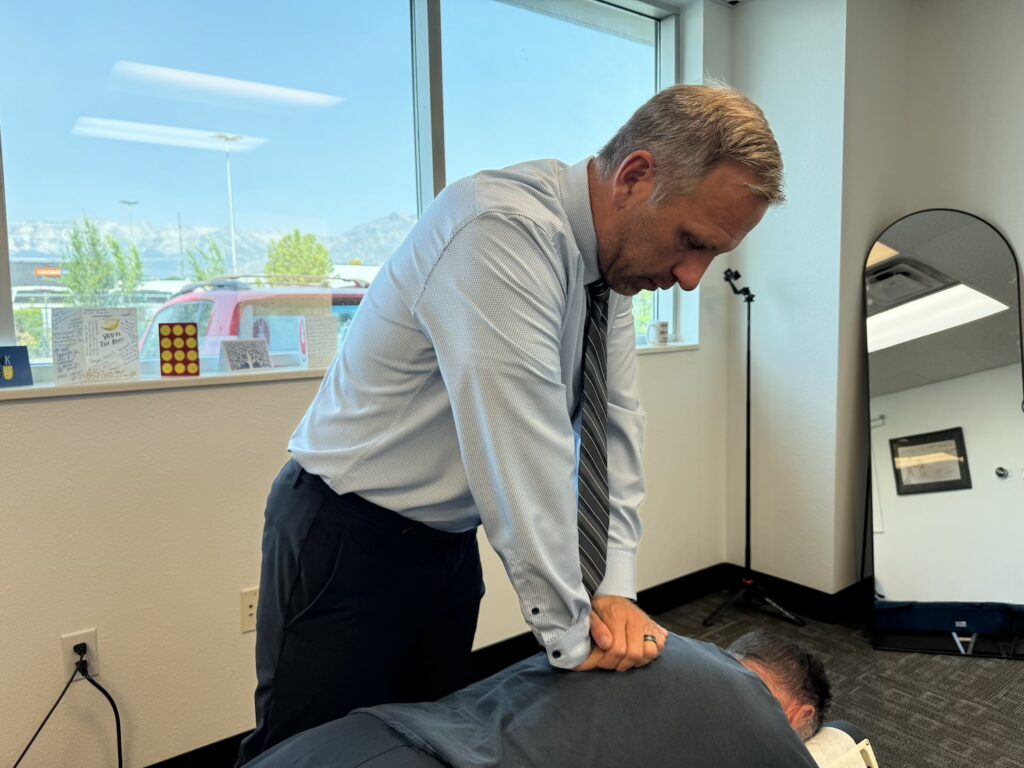
As a local chiropractor, I understand that facing a sports injury can be daunting. It's crucial to know that adopting the right recovery techniques can significantly influence your journey back to full activity. Methods such as rest, ice therapy, and proper nutrition are foundational components that I often recommend to my patients for effective healing.
However, recovery extends beyond just physical methods; it also encompasses your mental wellbeing. As a chiropractor, I emphasize the importance of a holistic approach to healing, integrating both physical and mental strategies. Each recovery technique offers distinct advantages, and learning how to combine these methods can help expedite your return to peak performance.
Are you curious about which recovery techniques might be most effective for you? Together, we can delve into these essential strategies and create a personalized recovery plan that aligns with your needs. Let's work together to get you back in the game stronger than ever!
Rest and Recovery
As a local chiropractor, I want to emphasize just how crucial rest is in your recovery from a sports injury. When your body faces injury, it needs ample time to heal, which often requires stepping back from your usual activities. I understand that it may be tempting to push through the discomfort, but listening to your body is incredibly important for a successful recovery.
During periods of rest, your body starts to initiate the healing process. Blood flow increases to the injured area, delivering essential oxygen and nutrients that support tissue repair. This is the time when your muscles, ligaments, and tendons can rebuild stronger and more resilient than before.
Additionally, allowing your body to rest gives your immune system a chance to combat inflammation, which can often accompany injuries.
Rest isn't solely about physical downtime; it's also vital for your mental well-being. Taking a break can help alleviate stress and anxiety, factors that can hinder the recovery process.
This is an excellent opportunity to focus on other facets of your health and athletic journey, such as improving your nutrition or developing mental resilience. Keeping a positive mindset during this time is essential for your overall recovery.
As your chiropractor, I'm here to guide you through this healing process, ensuring you understand the importance of rest and how it fits into your overall recovery strategy.
Ice Therapy
As a local chiropractor dedicated to your health and recovery, I want to share with you the incredible benefits of ice therapy, especially when it comes to healing sports injuries.
Many patients aren't familiar with how this natural approach can aid in your recovery process. By understanding the advantages of ice therapy, learning the right techniques for application, and knowing the appropriate duration and frequency for use, you can significantly alleviate pain and reduce swelling.
Ice therapy isn't just about icing an injury; it's a strategic method that can enhance your healing journey.
I encourage you to consider incorporating it into your routine for quicker recovery.
Let's take a closer look at how you can effectively utilize ice therapy to support your body's natural healing abilities.
Benefits of Ice Therapy
As a local chiropractor, I often emphasize the importance of ice therapy for managing sports injuries and promoting natural healing. Many athletes, both professional and amateur, have found that applying ice to an injured area can significantly reduce swelling and inflammation, which ultimately helps to accelerate recovery.
When you use ice, the cold temperature constricts blood vessels, effectively limiting blood flow to the affected area and minimizing further damage.
Applying ice immediately after an injury can be particularly beneficial. It not only alleviates discomfort but also aids in getting you back to your sport more quickly. One of the remarkable aspects of ice therapy is its ability to numb pain, making it easier for you to perform gentle movements and participate in rehabilitation exercises.
This cooling effect can also help reduce muscle spasms, allowing for a greater range of motion as you heal.
Moreover, ice therapy is a straightforward and cost-effective solution that you can easily implement at home or even on the field. By incorporating ice into your routine, you can help prevent further injuries by keeping inflammation under control. This makes it an essential part of your recovery strategy.
Whether you're experiencing a sprain, strain, or any acute injury, I encourage you to consider the benefits of ice therapy. It can provide the relief and support you need to get back on track and perform at your best.
Proper Application Techniques
As a local chiropractor, I want to share some important tips on how to effectively use ice therapy for your recovery process. Understanding the right application techniques can truly enhance your healing experience.
First and foremost, always wrap the ice or ice pack in a thin towel or cloth. This simple step protects your skin from frostbite and irritation, allowing you to gain the benefits of the cold without risking any damage to your skin.
When applying the ice, make sure to position it directly on the injured area, ensuring that it covers the entire site of discomfort. However, it's crucial not to leave the ice on for too long. Instead, aim for shorter intervals, which I can explain in more detail during your visit.
It's also beneficial to move the ice pack slightly every few minutes. This helps distribute the cold evenly and prevents excessive pressure on one specific area, which can lead to further discomfort.
Always keep an eye on your skin's response; if you notice any extreme redness or numbness, be sure to remove the ice right away.
Lastly, comfort is key during this process. If you're feeling tense or anxious, it can hinder the effectiveness of the therapy.
Duration and Frequency
As your local chiropractor, I want to share some essential information about effective ice therapy and how it can aid in your recovery process. The right duration and frequency of ice application are crucial for achieving the best results.
When you apply ice, aim for a session lasting between 15 to 20 minutes. This timeframe is ideal as it helps to reduce swelling and numb pain while minimizing the risk of skin damage. It's advisable to repeat this process every 1 to 2 hours, particularly during the first 48 hours following an injury when your body is working hard to heal itself.
However, it's essential to pay attention to your body's signals. If you experience any excessive discomfort or notice changes in your skin, please stop the application right away. To protect your skin from direct contact with the ice, consider wrapping the ice pack in a thin cloth or towel.
Integrating ice therapy into your recovery routine can truly make a difference. Remember to complement it with other natural healing methods like compression and elevation for optimal results.
Consistency is vital in your recovery journey, especially in the initial stages. As your symptoms begin to improve, you can gradually reduce how often you apply ice. This approach will support your body's natural healing process, helping you get back to your activities faster and with greater ease.
If you have any questions or need further guidance on incorporating ice therapy or other recovery techniques, feel free to reach out during your next visit!
Compression Techniques
As a local chiropractor, I want to share with you the importance of compression techniques in your recovery from sports injuries.
Many people may not realize how beneficial compression wear and methods can be in reducing swelling and enhancing blood circulation to the injured area.
By incorporating these techniques into your healing process, you can significantly speed up your recovery.
Let's dive into how compression can support your body's natural healing abilities and help you get back to your active lifestyle more quickly.
Benefits of Compression Wear
As a local chiropractor committed to your health and recovery, I want to share with you the significant advantages of incorporating compression wear into your injury rehabilitation process.
When you add compression garments to your daily routine, you can expect to see improved blood circulation. This enhanced blood flow plays a crucial role in delivering vital nutrients and oxygen to your muscles, which can significantly accelerate your healing journey.
Compression wear also plays a key role in reducing swelling and inflammation. By applying consistent pressure to the injured area, these garments help prevent fluid accumulation, allowing for a quicker recovery.
You may also discover that wearing compression gear provides better muscle stability and support, which can help minimize the risk of re-injury as you work through your rehabilitation.
Additionally, compression wear can significantly ease muscle soreness following vigorous workouts or physical activity. By decreasing muscle vibration, these garments lower the likelihood of experiencing delayed onset muscle soreness (DOMS), enabling you to return to your training routine more swiftly.
Lastly, let's not overlook the psychological benefits of using compression wear. Knowing you're taking proactive steps toward your recovery can have a positive impact on your mindset.
Feeling supported and comfortable in your compression garments can enhance your overall experience and boost your motivation. Embrace these benefits as you strive for a complete recovery and get back to enjoying your favorite sports with renewed confidence.
Effective Compression Methods
As a local chiropractor, I want to share some effective compression methods that can significantly enhance your recovery process. One of the easiest ways to start is by utilizing compression garments, such as sleeves or socks. These specially designed items apply consistent pressure to your muscles, which can help improve blood circulation, reduce swelling, and ease soreness after your workouts.
If you're looking for something more versatile, consider using elastic bandages or wraps. These can be adjusted to fit any area of your body. Just remember to wrap snugly but not too tightly, as overly tight compression can restrict circulation and cause more harm than good.
Another great option is a compression ice pack, which combines the benefits of cold therapy with compression. This dual approach effectively reduces inflammation and can help speed up your recovery time after intense physical activity.
For those recovering from more serious injuries, pneumatic compression devices can be particularly helpful. These specialized machines inflate and deflate sleeves around the injured area, providing a controlled level of compression to promote healing.
Lastly, don't overlook the importance of elevating the injured area while using compression. Elevation not only helps to reduce swelling but also enhances the effectiveness of the compression method you choose.
Elevation Methods
As a local chiropractor, I want to share with you an effective technique for aiding your recovery from sports injuries: elevation methods. Elevating the injured area is a simple yet powerful way to reduce swelling and promote healthy blood flow, both of which are essential for healing.
When you elevate your injury above the level of your heart, the force of gravity works in your favor, helping to decrease blood accumulation in the damaged tissue. This straightforward approach can significantly impact your recovery time, allowing you to get back to your favorite activities sooner.
To elevate your injury effectively, consider using pillows or cushions to support the affected area. Whether you're dealing with an ankle, knee, or wrist injury, it's crucial to find a comfortable position that doesn't cause additional strain.
I recommend keeping the injured limb elevated for at least 15 to 20 minutes every hour during the initial recovery phase. This consistency can help minimize swelling and speed up the healing process.
Additionally, I suggest combining elevation with other natural healing methods such as ice therapy. Applying ice while your injury is elevated can further reduce inflammation and provide relief. Just make sure to wrap the ice pack in a cloth to protect your skin from frostbite.
Listening to your body during this recovery process is vital. If you experience increased pain or discomfort while elevating your injury, it's important to adjust your position or seek advice from a healthcare professional, such as myself, to ensure you're on the right track.
Physical Therapy
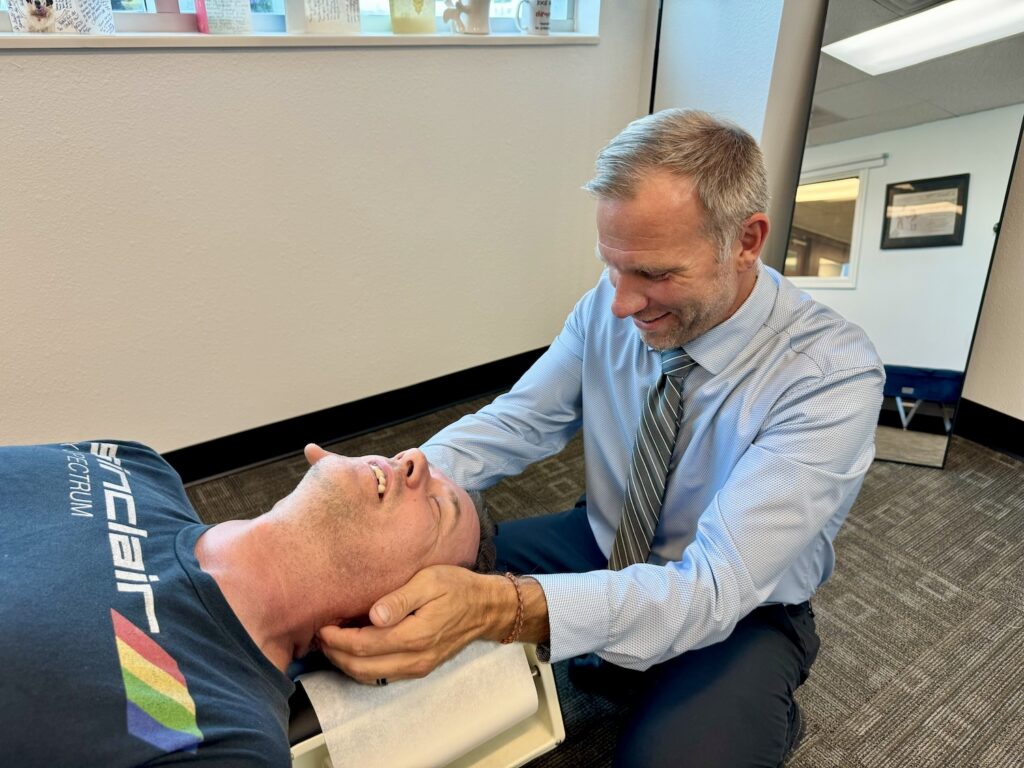
Following an injury, exploring chiropractic care can significantly enhance your recovery process. This holistic approach focuses on restoring proper alignment, mobility, and function, enabling you to return to your daily activities or sports as quickly and safely as possible.
A knowledgeable chiropractor will evaluate your condition, identify any misalignments or restrictions, and develop a customized treatment plan tailored to your individual needs.
During your visits, you may engage in a variety of gentle adjustments and techniques designed to improve your overall movement, strength, and coordination. These adjustments not only aid in healing the affected area but also promote better body mechanics, which can help reduce the risk of future injuries.
It's essential to communicate openly with your chiropractor about any discomfort or pain you may experience during treatments, as this information allows them to modify your care plan as needed.
In addition to spinal adjustments, chiropractic care often includes complementary methods such as soft tissue therapy, therapeutic exercises, and lifestyle advice to support your healing process and alleviate pain. These techniques can enhance recovery by improving circulation and reducing inflammation in the affected areas.
Consistency is crucial; attending your appointments regularly and following the recommended home care exercises will lead to optimal results.
Patience is also key. Healing takes time, and it's important not to rush the process, as overexertion can lead to setbacks. Trust the journey and stay dedicated to your chiropractic care plan.
Integrating chiropractic care into your recovery journey empowers you to regain strength and confidence, ultimately allowing you to return to your activities with renewed resilience and vitality.
Nutrition for Healing
As a local chiropractor, I want to emphasize how crucial nutrition is in your recovery from a sports injury. Many patients may not realize that the right nutrients, adequate hydration, and the timing of your meals can significantly enhance your body's natural healing process.
It's not just about chiropractic adjustments; your diet plays a vital role too. Let's delve into how you can optimize your nutrition to support your recovery journey and promote overall wellness.
By incorporating key nutrients into your meals and staying properly hydrated, you can help your body repair itself more quickly and effectively.
Key Nutrients for Recovery
As a local chiropractor dedicated to supporting your recovery from sports injuries, I want to emphasize the importance of focusing on key nutrients that can significantly enhance your healing process. These essential nutrients aid in repairing tissues, reducing inflammation, and promoting overall recovery.
First and foremost, let's talk about protein. This nutrient is vital for muscle repair and regeneration, so it's important to include sources like lean meats, fish, eggs, or plant-based options such as beans and lentils in your diet. Ensuring you have enough protein will give your body the building blocks it needs to heal effectively.
Next, we can't overlook the role of healthy fats in your recovery. Omega-3 fatty acids, which are found in foods like fish, walnuts, and flaxseeds, are known for their anti-inflammatory properties and can help speed up your recovery time. Incorporating these healthy fats into your meals can make a significant difference in how your body responds to injury.
Additionally, vitamins and minerals are crucial for the healing process. Vitamin C is particularly important as it supports collagen production, which is essential for repairing tissues. Zinc is another vital mineral that supports immune function and wound healing. You can boost your vitamin and mineral intake by enjoying citrus fruits, berries, nuts, and leafy greens.
Lastly, I encourage you to include antioxidants in your diet. These powerful compounds help combat oxidative stress that can occur due to injuries. Foods rich in antioxidants, such as berries, dark chocolate, and colorful vegetables, are excellent choices to incorporate into your meals.
Hydration's Role in Healing
As a local chiropractor, I want to emphasize the crucial role hydration plays in your recovery process. While nutrition is vital, staying properly hydrated is just as important for your healing journey.
Water is essential for many bodily functions, including transporting nutrients, cushioning your joints, and regulating your body temperature. When you're dealing with an injury, your body needs extra fluids to facilitate tissue repair and diminish inflammation.
Here are a few key reasons to make hydration a priority during your recovery:
- Enhances Nutrient Delivery: Sufficient hydration aids in delivering essential nutrients to the injured area, which can accelerate your healing.
- Lowers Inflammation: Keeping hydrated helps to reduce swelling and inflammation, which can help you regain your mobility more swiftly.
- Boosts Circulation: Proper hydration improves blood flow, ensuring that your muscles and tissues receive the oxygen and nutrients they need to heal effectively.
Remember, hydration isn't just about drinking water; it's about supporting your overall recovery and well-being.
As you embark on your healing journey, consider making hydration a key component of your care.
Timing of Nutrient Intake
As a local chiropractor, I want to share some important insights about how the timing of nutrient intake can significantly influence your body's healing journey, especially after an injury.
When your body experiences trauma, it requires specific nutrients to repair damaged tissues and reduce inflammation effectively. By consuming the right nutrients at the right times, you can enhance your recovery and get back to your favorite activities sooner.
Right after an injury occurs, it's crucial to focus on consuming protein and carbohydrates. This combination plays a vital role in kickstarting muscle repair and replenishing energy stores. Ideally, you should aim to eat a meal or snack rich in these nutrients within 30 to 60 minutes after the injury.
In the days following your injury, maintaining a consistent pattern of nutrient intake becomes essential. Incorporate anti-inflammatory foods such as fatty fish, nuts, and leafy greens into your diet. These foods help combat swelling and provide your body with the necessary vitamins and minerals to support the healing process.
Don't overlook the importance of hydration, either! Drinking plenty of water throughout the day is critical for nutrient absorption and overall recovery.
Lastly, it's important to listen to your body. If you're feeling fatigued or sore, it might be beneficial to adjust your nutrient intake to better meet your body's evolving needs.
Active Recovery
As a local chiropractor, I want to emphasize the importance of active recovery in the healing process after a sports injury. Many people believe that complete rest is the best approach, but engaging in low-intensity activities can actually promote blood flow and reduce muscle soreness, helping you recover more effectively.
When you participate in active recovery, you're not just sitting around; you're actively supporting your body's natural healing mechanisms. Here are some practical ways to incorporate active recovery into your routine:
- Walking or Light Jogging: These gentle activities can improve circulation without placing excessive strain on your muscles. By doing so, you enhance oxygen delivery and nutrient absorption, which are crucial for healing.
- Swimming or Cycling: Both of these options are fantastic choices for keeping your body in motion while minimizing impact on any injured areas. The buoyancy of water reduces stress on your joints, while cycling is a low-impact way to stay active.
- Stretching or Yoga: Incorporating stretching or yoga into your routine can significantly enhance your flexibility and promote relaxation. This not only helps alleviate muscle tension but also improves your overall mobility, which is essential for recovery.
Pain Management Strategies
As a local chiropractor, I want to emphasize the importance of pain management as a critical component of your healing journey. Understanding and effectively managing your pain can significantly enhance your recovery and overall quality of life. It starts with recognizing the type and intensity of your pain, which will help us tailor your treatment approach.
One of the first techniques I often recommend is ice therapy. Applying ice to the affected area for 15-20 minutes can help reduce inflammation and numb any discomfort you might be experiencing. Just remember to wrap the ice pack in a cloth to protect your skin from frostbite.
Once the initial swelling subsides, heat therapy can be beneficial for relaxing tight muscles. The warmth promotes better blood circulation and helps relieve stiffness.
Over-the-counter medications like ibuprofen or acetaminophen can also provide relief, but it's crucial to consult with your healthcare provider before using them to ensure they're appropriate for your specific situation.
In addition to these physical methods, I encourage my patients to explore mindfulness and meditation techniques. These practices can help shift your focus away from pain and promote overall relaxation. Deep breathing exercises are another excellent way to manage discomfort and reduce stress.
Don't forget the importance of compression and elevation. A compression bandage can help control swelling, while elevating the injured area can further alleviate pain.
Lastly, I recommend consulting with a healthcare professional, such as myself, who can provide personalized advice and explore additional options like chiropractic adjustments, physical therapy, or other targeted treatments.
Rehabilitation Exercises
As a local chiropractor, I want to emphasize the vital role rehabilitation exercises play in your journey towards recovery. These exercises are designed to help restore strength, flexibility, and function to the injured area, allowing you to heal naturally. Not only do they support your healing process, but they also significantly reduce the risk of future injuries.
It's important to follow a rehabilitation program that's specifically tailored to your injury and individual needs, often developed in collaboration with a physical therapist or myself. I'll guide you through a series of movements that are carefully selected to focus on rebuilding your strength and mobility.
Here are three essential types of rehabilitation exercises you may encounter:
- Range of Motion Exercises: These gentle movements are crucial for increasing flexibility in your joints. By incorporating these exercises, we can help reduce stiffness and improve your mobility, which is essential for a complete recovery.
- Strengthening Exercises: Once you've regained some mobility, we'll begin to incorporate exercises that target the muscles surrounding your injured area. Building strength is vital as it provides better support and protection for your joints, making it easier for you to return to your favorite activities.
- Functional Exercises: These exercises mimic the movements you perform during your everyday activities or sports. They're designed to help you regain your confidence and coordination, ensuring that you're ready to engage fully without hesitation.
I encourage you to embrace the process and listen to your body along the way. It's important to consult with me to adjust your routine as needed.
Mindfulness and Mental Health
As a local chiropractor, I want to emphasize that the journey to recovery from a sports injury involves more than just physical treatment; it also requires attention to mindfulness and mental health. Many people overlook the significance of mental resilience, yet it can profoundly influence your recovery process.
By incorporating mindfulness practices, you can effectively navigate the emotional challenges that often accompany being sidelined. I encourage you to start integrating mindfulness techniques such as meditation or deep-breathing exercises into your daily routine. These practices can help alleviate stress, diminish anxiety, and enhance your overall mood.
When you take the time to ground yourself, you become more attuned to your thoughts and feelings, enabling you to confront negative emotions directly. Moreover, it's essential to maintain connections with your support network—be it friends, family, or teammates. Sharing your experiences and feelings can ease the emotional burden you may be carrying.
Your loved ones can provide valuable encouragement and understanding, which can significantly aid your recovery journey. Don't overlook the effectiveness of positive visualization. Imagine yourself back in action, performing at your peak. This form of mental imagery can serve as a powerful motivator, helping to sustain your spirits during challenging times.
If you find yourself feeling overwhelmed, I also recommend reaching out to a mental health professional. They can offer personalized strategies to help you manage the psychological aspects of recovering from an injury.
Remember, prioritizing your mental health is just as crucial as your physical rehabilitation. By embracing mindfulness and focusing on your mental well-being, you'll not only facilitate a smoother recovery but also return to your beloved sports with renewed strength and confidence.
As your chiropractor, I'm here to support you on this holistic journey toward healing.
Conclusion
As a local chiropractor, I want to share with you how incorporating these 10 techniques into your recovery routine can significantly enhance your healing process after a sports injury. First and foremost, it's essential to prioritize rest—your body needs time to repair itself. Using ice and compression can help reduce swelling and alleviate pain, while staying active with tailored exercises designed specifically for your injury can promote healing and restore function.
Don't overlook the importance of mental health in your recovery journey. Practices like mindfulness can help you manage stress and stay focused on your healing. Additionally, seeking support from friends, family, or professionals can provide the encouragement you need during this time.
Remember, staying committed to your recovery is key. With the right approach, including chiropractic care, you can return to your sport not just healed, but stronger than ever! If you have any questions about how chiropractic care can assist in your recovery, feel free to reach out. I'm here to help you on your path to wellness!