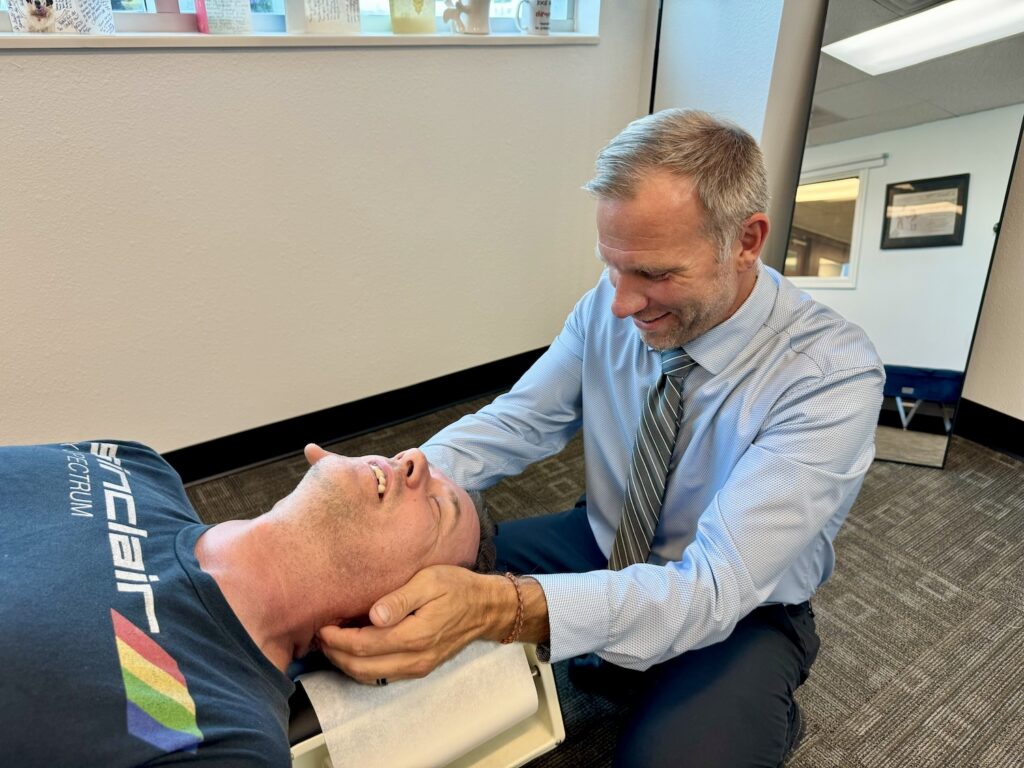
As a local chiropractor, I want to reassure you that if you're experiencing lower back pain, you're certainly not alone. This is a common issue that many individuals encounter, and I understand that the array of treatment options can seem daunting. Chiropractic care is one of the most effective methods for addressing lower back pain, offering immediate relief through spinal adjustments and other hands-on techniques.
In addition to chiropractic adjustments, I also recommend complementary therapies such as massage therapy, which can help alleviate tension and promote relaxation. However, it's essential to consider long-term strategies as well. Incorporating regular exercise and mindfulness techniques into your routine can significantly enhance your overall well-being and help prevent future discomfort.
The journey to pain relief is unique for everyone, and finding the right combination of treatments is key. I'm here to guide you in discovering what works best for your body. Let's delve into the various chiropractic treatments and natural healing options that can empower you to regain control over your pain and improve your quality of life.
Physical Therapy
When it comes to alleviating lower back pain, chiropractic care can be a transformative experience. Through specific adjustments and therapeutic techniques, we focus on realigning the spine and improving your overall mobility, which can significantly reduce pain and help prevent future issues.
As a chiropractor, my role is to assess your individual situation and create a customized plan that targets your specific needs, ensuring that we address the root cause of your discomfort.
Initially, we may begin with gentle spinal adjustments and movements to increase circulation in your lower back. As you become more comfortable, we'll integrate more advanced techniques that focus on strengthening the muscles surrounding your spine, enhancing your stability and support.
This approach reduces the strain on your back during everyday activities, allowing you to move more freely and confidently.
In addition to spinal adjustments, chiropractic care often includes various manual therapy techniques. These hands-on methods can relieve muscle tension, improve joint mobility, and enhance overall function.
You'll discover that the combination of adjustments and manual therapies not only targets your pain but also educates you about your body and how to manage discomfort naturally.
Moreover, chiropractic care places a strong emphasis on education. I'll teach you proper body mechanics and ergonomic practices to help you avoid movements that could exacerbate your pain.
Chiropractic Adjustments
As a local chiropractor, I want to share how chiropractic adjustments can provide substantial relief for those suffering from lower back pain.
By realigning your spine and enhancing your mobility, we can help alleviate discomfort and improve your overall quality of life.
In our practice, we employ a variety of techniques tailored to meet your individual needs.
Each approach is designed to address the unique challenges you may be facing.
By exploring the benefits of chiropractic care, you can gain valuable insight into how this natural healing method might be the right choice for you.
I encourage you to consider these options as part of your journey toward better health and wellness.
Benefits of Chiropractic Adjustments
As a local chiropractor, I want to help you understand how chiropractic adjustments can be a powerful solution for those dealing with lower back pain. If you're struggling with discomfort, these adjustments focus on realigning your spine, which can significantly relieve pressure on your nerves and reduce inflammation.
When your spine is well-aligned, your body is better equipped to function effectively. This realignment can lead to improved mobility and flexibility, allowing you to move with greater ease.
Moreover, chiropractic care can promote better blood circulation in the areas affected by pain, facilitating healing and alleviating muscle tension. You may also notice an improvement in your posture, which is key in preventing future episodes of back pain.
Many of my patients find that chiropractic adjustments not only provide immediate relief but also help to minimize the frequency and intensity of future pain episodes. This approach is often non-invasive, making it a safer alternative to medications or surgeries that can carry unwanted side effects and lengthy recovery periods.
I encourage you to explore the benefits of chiropractic care as a natural healing method that can enhance your overall well-being. Your journey to a pain-free life starts with understanding how your body works and how we can help it function at its best.
Techniques Used in Practice
As a local chiropractor dedicated to helping our community achieve better health and wellness, I want to share some insights about how we effectively address lower back pain through various techniques.
Many people may not be familiar with chiropractic care, so let me explain a few of the methods we use. One of the most widely recognized techniques is spinal manipulation. This involves applying controlled force to specific joints in your spine, which can help restore mobility and alleviate pain.
It's a gentle approach that many patients find beneficial. In addition to spinal manipulation, we also utilize techniques such as:
- Flexion-Distraction: This is a gentle technique that uses a specialized table to flex your spine, relieving pressure on the discs and helping to reduce discomfort.
- Soft Tissue Therapy: This method focuses on relieving tension in your muscles and fascia. By enhancing blood flow to these areas, we support the healing process and help you feel more relaxed.
- Therapeutic Exercises: We create customized exercise programs designed to strengthen your back muscles and improve flexibility. This proactive approach not only helps with your current pain but also reduces the chances of future issues.
Our goal is to empower you with knowledge about these techniques and how they can contribute to your overall well-being.
If you have any questions or would like to learn more about how chiropractic care can help you, feel free to reach out!
Massage Therapy
As a local chiropractor, I want to share how massage therapy can play a vital role in managing lower back pain. Many individuals find that incorporating massage into their treatment plan provides substantial relief. By focusing on tight muscles and enhancing circulation, massage therapy helps reduce muscle tension and fosters relaxation.
When experiencing lower back pain, a skilled massage therapist can target the surrounding muscles to alleviate discomfort and improve mobility.
There are various massage techniques to consider, including deep tissue, Swedish, and trigger point therapy. Each approach offers unique benefits, but the common goal remains: to relieve pain and enhance your overall well-being.
For those dealing with chronic pain, deep tissue massage can be particularly effective as it addresses deeper layers of muscle and fascia. Conversely, Swedish massage provides a gentler experience, emphasizing relaxation and stress reduction.
Incorporating regular massage sessions into your wellness routine not only aids in pain relief but can also help prevent future discomfort. As you engage in massage therapy, you may find that it supports your body's natural healing processes. Additionally, it can enhance your posture, flexibility, and range of motion—key factors in preventing further issues.
It's essential to openly communicate with your massage therapist about your specific areas of pain and discomfort levels. This way, they can tailor the session to your individual needs, ensuring you receive the most effective relief.
Remember that while massage therapy is a beneficial component of your pain management strategy, it's important to consult with your healthcare provider, particularly if your pain persists. By integrating massage therapy with chiropractic care and other treatments, you can create a comprehensive approach to managing lower back pain effectively and naturally.
Acupuncture
As a local chiropractor, I want to share valuable insights about managing lower back pain through natural healing methods. While many people find relief through massage therapy, acupuncture is another effective option worth considering. This ancient practice, originating from Traditional Chinese Medicine, involves the insertion of thin needles into specific points on the body to promote healing and restore balance.
Here are a few reasons why acupuncture can be a beneficial addition to your pain management plan:
- Pain Relief: Research indicates that acupuncture can effectively reduce inflammation and stimulate the release of endorphins, which are your body's natural pain relievers.
- Enhanced Mobility: Regular acupuncture sessions can improve flexibility and range of motion in your back, making daily activities much easier and more comfortable.
- Holistic Healing: Acupuncture goes beyond addressing just physical pain; it also considers emotional and mental factors such as stress and anxiety, which can contribute to ongoing discomfort.
If you're contemplating acupuncture as a solution for your lower back pain, it's essential to consult with a licensed practitioner who can assess your individual needs. They'll customize the treatment plan to suit your specific situation.
Most patients find acupuncture to be a calming experience, often leaving the session feeling lighter and more energized.
If you're looking for a drug-free alternative to manage your lower back pain, acupuncture could be an excellent fit for you. I encourage you to explore this option and consider scheduling a session to see how it can help you regain control over your pain and enhance your overall quality of life.
Heat and Ice Therapy
As your local chiropractor, I want to share with you an effective and natural approach to managing lower back pain through heat and ice therapy. Many of my patients are unfamiliar with how these simple treatments can significantly ease discomfort, so let's break it down together.
When you apply heat to your back, it promotes increased blood circulation to the area, which helps relax tight muscles and reduce stiffness. You can use a heating pad, a warm towel, or even enjoy a soothing warm bath.
Just remember, the key is to ensure the heat is comfortable—avoid anything that feels overly hot or scalding. I recommend applying heat for about 15-20 minutes at a time, a few times throughout the day, to maximize its benefits.
Conversely, ice therapy is your go-to for tackling inflammation and numbing sharp pain. If you notice swelling or soreness in your back, reach for an ice pack or even a bag of frozen peas wrapped in a cloth.
Apply it directly to the affected area for 15-20 minutes, and be sure to let your skin return to its normal temperature between sessions. This treatment is especially effective after any activities that may exacerbate your back pain.
Understanding how to effectively use heat and ice can greatly enhance your recovery process and promote a more natural healing journey.
If you have any questions or need further guidance on incorporating these therapies into your routine, feel free to reach out during your next visit!
Over-the-Counter Medications
As a local chiropractor, I want to share some insights on managing lower back pain, particularly through the use of over-the-counter medications. While these options can provide quick relief, it's important to understand how they fit into a broader approach to healing and wellness.
Over-the-counter medications are often the first line of defense for those experiencing discomfort from muscle strains, inflammation, or general soreness. Here are some common remedies that you might find helpful:
- Nonsteroidal Anti-Inflammatory Drugs (NSAIDs): Medications like ibuprofen and naproxen can reduce inflammation and alleviate pain. However, it's important to use them judiciously, as they can have side effects with prolonged use.
- Acetaminophen: This is another option for mild to moderate pain relief. It's generally easier on the stomach compared to NSAIDs, making it a good alternative for those who may have sensitivities.
- Topical Analgesics: Creams or gels containing ingredients like menthol or capsaicin can be applied directly to the affected area for localized relief. These can be especially useful for acute pain situations.
While these medications can help alleviate symptoms, I encourage you to follow the recommended dosages and guidelines closely to avoid potential side effects. If your pain lingers or worsens, it's wise to seek the expertise of a healthcare professional.
As a chiropractor, I can help assess your situation and recommend appropriate treatment options.
Remember, over-the-counter medications are most effective when used in conjunction with other healing approaches, such as chiropractic adjustments, physical therapy, and exercise. These holistic treatments not only address the pain but also work to correct the underlying issues contributing to your discomfort.
Listening to your body is key. By finding the right balance between medication and natural therapies, you can effectively manage your lower back pain and maintain an active, healthy lifestyle.
I'm here to guide you on this journey to wellness and provide the support you need.
Prescription Pain Relievers
As your local chiropractor, I want to help you explore all your options for managing lower back pain, especially if over-the-counter medications aren't providing the relief you need.
While some may turn to prescription pain relievers, it's essential to understand that these come with varying types, specific dosages, and potential side effects.
However, I encourage you to consider the benefits of chiropractic care and natural healing methods as a first line of defense. Chiropractic adjustments can help alleviate pain by correcting misalignments in the spine, improving movement, and promoting the body's natural healing processes.
Additionally, we can discuss lifestyle changes, exercises, and holistic approaches that may provide long-lasting relief without the need for medication.
By educating yourself about all available options, including the advantages of chiropractic care, you can make an informed decision about your treatment plan.
Your health and well-being are my top priorities, and I'm here to support you on your journey to recovery.
Types of Prescription Medications
As a local chiropractor, I understand that managing lower back pain can be a complex journey, and for some, prescription pain relievers may seem like the easiest solution.
However, I want to equip you with knowledge about the types of medications that are often prescribed and encourage you to consider natural healing methods as well.
Here are three common types of prescription pain relievers that may be suggested for lower back pain:
- NSAIDs (Nonsteroidal Anti-Inflammatory Drugs): These medications are designed to reduce inflammation and alleviate pain. While they may provide temporary relief, they don't address the underlying issues that may be causing your pain.
- Opioids: While effective for severe pain, opioids carry a significant risk of dependency and side effects. It's crucial to use these under strict medical supervision, as they often mask the pain rather than resolve the root cause.
- Muscle Relaxants: These can help relieve muscle tension and spasms associated with back pain. However, they may also lead to drowsiness and don't address the foundational problems contributing to your discomfort.
As a chiropractor, I advocate for a holistic approach to pain management.
Before considering any prescription medication, I recommend discussing natural healing techniques with your healthcare provider, such as chiropractic adjustments, physical therapy, and lifestyle changes.
These methods can help restore balance to your body, promote healing, and provide long-lasting relief without the potential risks associated with medications.
Together, we can work towards effective solutions tailored to your individual needs for a healthier spine and overall well-being.
Dosage and Administration Guidelines
Understanding the proper dosage and administration of prescription pain relievers is critical for effective pain management and safety, especially if you're considering chiropractic care as a natural healing approach. When you receive a prescription, it's important to read the label attentively and adhere to your healthcare provider's instructions. Typically, they'll suggest the lowest effective dose to alleviate your lower back pain while minimizing potential risks.
As a chiropractor, I emphasize the importance of taking your medication at consistent times each day to achieve stable pain relief. Avoid skipping doses or taking extra if you miss one. Should you feel the urge to modify your dosage, please consult with your healthcare provider instead of making changes on your own. They can offer tailored guidance based on your unique condition and how you respond to treatment.
It's also important to recognize that some pain relievers may necessitate a gradual tapering off to prevent withdrawal symptoms. Always use the medication for the duration prescribed and refrain from combining it with other medications without first consulting your healthcare provider.
Keeping track of your pain levels and any changes you experience is crucial, as this information can aid your doctor in making informed decisions regarding your treatment plan.
Potential Side Effects
As a local chiropractor, I want to help you understand the importance of being informed about pain relief options, especially when it comes to managing lower back pain.
While many people turn to pain relievers for quick relief, it's essential to know that these medications can come with a range of potential side effects.
For instance, prescription pain relievers, particularly opioids, can be effective in alleviating pain, but they carry certain risks. Here are some side effects to consider:
- Nausea and Vomiting: Some individuals may experience feelings of queasiness or even vomiting after taking these medications.
- Drowsiness or Dizziness: Many pain relievers can lead to drowsiness or dizziness, which can hinder your ability to perform everyday activities, such as driving or operating machinery safely.
- Dependency Risks: Prolonged use of certain opioids may result in physical dependence, making it difficult to stop taking them without facing withdrawal symptoms.
I encourage you to have an open dialogue with your healthcare provider about these potential side effects. It's vital to weigh the benefits of any medication against the risks involved.
As a chiropractor, I often explore natural healing methods, such as spinal adjustments and therapeutic exercises, as alternatives to medication.
Monitoring how your body responds to any treatment is key, and I urge you to reach out if you encounter any adverse effects from pain medication.
Your health and well-being are my top priorities, and I'm here to support you in finding the best approach to managing your lower back pain naturally.
Exercise and Stretching
As a local chiropractor, I often emphasize the importance of exercise and stretching in managing and relieving lower back discomfort. Many patients may not realize that a well-rounded approach to physical activity can significantly strengthen the muscles that support your spine, enhance flexibility, and improve your overall mobility.
By incorporating specific exercises into your routine, you aren't only alleviating pain but also taking proactive steps to prevent future issues.
I recommend starting with low-impact activities such as walking, swimming, or cycling. These activities can help increase blood flow to your back muscles without placing excessive strain on them. Aim for at least 30 minutes of activity on most days of the week.
Additionally, it's beneficial to include exercises that focus on your core, as having a strong core plays a crucial role in stabilizing your spine and reducing discomfort.
Stretching is just as vital as exercise. Tight muscles can contribute to back pain, so I encourage you to integrate stretches that target your lower back, hips, and hamstrings. Simple movements like the child's pose or knee-to-chest stretch can offer immediate relief and boost your flexibility.
Remember to hold each stretch for at least 20-30 seconds and repeat it several times.
Always listen to your body. If you experience pain during any exercise or stretch, it's important to stop and consult with a healthcare provider, like myself, who can offer guidance tailored to your individual needs.
Progress at your own pace and gradually increase the intensity of your workouts to avoid injury. By prioritizing exercise and stretching, you aren't only addressing current discomfort but also fostering long-term relief and well-being for your lower back.
Mindfulness and Relaxation Techniques
As a local chiropractor, I want to share how incorporating mindfulness and relaxation techniques can greatly benefit those dealing with lower back pain.
Many patients may not realize that practices like mindfulness meditation, deep breathing exercises, and progressive muscle relaxation can effectively reduce stress and tension in the body.
When you focus on these techniques, you're not just addressing the pain; you're promoting overall healing and well-being.
By integrating these natural methods into your routine, you can experience significant relief from discomfort and support your body's ability to heal itself.
Mindfulness Meditation Practices
As a local chiropractor, I want to share how mindfulness meditation practices can be an effective tool for addressing lower back discomfort, complementing the care and treatment we provide in our clinic.
By promoting relaxation and mental clarity, mindfulness can be a valuable addition to your wellness routine.
Focusing on the present moment through mindfulness meditation can help reduce stress, a common contributor to muscle tension and discomfort in the lower back.
By becoming more aware of your body and its sensations, you can better identify areas where tension resides.
Here are some key benefits of incorporating mindfulness meditation into your self-care routine:
- Stress Reduction: By lowering stress levels, mindfulness can help alleviate muscle tension in your lower back, enhancing the results of your chiropractic adjustments.
- Enhanced Body Awareness: Practicing mindfulness allows you to recognize physical sensations more effectively, enabling you to take better care of your body and understand its needs.
- Improved Mental Focus: A clearer mind can lead to better coping strategies for managing pain and discomfort, making it easier to apply the techniques you learn in our sessions.
To begin your mindfulness practice, find a quiet space where you can sit comfortably and close your eyes.
Focus on your breath and the sensations in your lower back.
If your mind begins to wander, gently redirect your attention back to your breath.
Regular mindfulness practice can cultivate a sense of calm and ease in your life, which is essential for healing and overall well-being.
As you consistently engage in mindfulness meditation alongside chiropractic care, you're likely to notice a significant improvement in both your physical and mental health, helping you achieve a higher quality of life.
Deep Breathing Exercises
As a local chiropractor dedicated to your well-being, I want to share how incorporating deep breathing exercises into your daily routine can significantly enhance relaxation and help alleviate lower back pain.
Deep breathing activates your body's natural relaxation response, which can reduce muscle tension and foster a sense of calm.
To begin, find a position that feels comfortable for you, whether sitting or lying down. Close your eyes and take a slow, deep breath in through your nose, allowing your abdomen to expand as much as possible.
Hold that breath for a moment, then exhale gently through your mouth. Pay attention to the sensation of your breath entering and leaving your body. Try to establish a rhythm that feels right for you, such as inhaling for a count of four and exhaling for a count of six.
I recommend practicing this technique for several minutes each day. It can be particularly beneficial during moments of discomfort or stress.
As you become more accustomed to deep breathing, you may notice a reduction in tension in your lower back.
Remember, deep breathing isn't just a relaxation technique; it's a powerful tool that can help you manage and alleviate pain naturally.
Integrating this practice into your routine can complement the chiropractic care you receive and support your journey toward better health.
Progressive Muscle Relaxation
As a local chiropractor, I want to share with you an effective method for alleviating lower back pain: Progressive Muscle Relaxation (PMR). This technique is a wonderful way to release tension in your body and foster a sense of calm, which is essential for your overall health. By focusing on different muscle groups, you can identify areas where tightness resides and consciously relax them.
Here's how to get started with PMR:
- Find a quiet space where you can sit or lie down comfortably without distractions.
- Begin with your toes and gradually work your way up your body. Tense each muscle group for a few seconds and then release.
- As you practice, pay close attention to the contrast between the tension and the subsequent relaxation, allowing your body to feel lighter and more at ease.
As you incorporate PMR into your routine, you may notice a significant reduction in pain and anxiety. Consistency is key, so aim to practice for a few minutes each day. This simple yet powerful technique not only helps relieve discomfort but also enhances your overall well-being.
By making PMR a part of your daily life, you might find that your lower back pain diminishes over time. Remember, your body deserves dedicated time for relaxation and healing.
I encourage you to give it a try and observe how this practice can transform your experience with back pain. If you have any questions or need further guidance, feel free to reach out during your next visit. Your journey to better health is important to us!
Injections and Procedures
When dealing with chronic lower back pain that doesn't improve with traditional conservative treatments, it's important to explore various options, including chiropractic care and natural healing methods.
As a local chiropractor, I want to emphasize that our goal is to help alleviate your pain, reduce inflammation, and enhance your mobility in a holistic manner.
One effective approach we often recommend is spinal adjustments, which can help realign your spine and improve your overall function. This method focuses on addressing the root causes of your pain rather than just masking the symptoms.
We also utilize techniques like myofascial release and therapeutic exercises, which can provide significant relief and promote healing.
If you're experiencing pain due to inflammation, we may suggest natural anti-inflammatory treatments, such as nutritional counseling or herbal supplements. These alternatives can work in tandem with chiropractic adjustments to support your body's healing process.
In some cases, if we determine that specific nerve pathways are contributing to your pain, we may refer you to a trusted specialist for procedures like nerve blocks or epidural steroid injections. However, our emphasis remains on managing your pain through non-invasive methods whenever possible.
If you find that conservative treatments don't provide sufficient relief, we can discuss more advanced options, including radiofrequency ablation or even working with surgical specialists if structural issues are present.
Before we proceed with any treatment, it's vital to have an open dialogue about your individual needs and concerns. Together, we can weigh the benefits and potential risks to find the best path for your recovery.
Remember, chiropractic care is just one piece of a comprehensive pain management strategy that may also involve physical therapy and lifestyle adjustments.
Always feel free to ask questions and share your thoughts – we're here to help you create a personalized plan that supports your health and well-being.
Conclusion
As a local chiropractor, I want to emphasize how incorporating various treatments into your daily routine can significantly aid in managing lower back pain. Chiropractic adjustments, for instance, can help align your spine and relieve pressure on nerves, while massage therapy can alleviate muscle tension and promote relaxation. Mindfulness techniques can also play a crucial role in pain management by helping you cope with discomfort in a more effective way.
Don't overlook the importance of regular exercise, as it strengthens the muscles that support your back, and consider using heat or ice therapy to reduce inflammation and improve circulation. It's essential to find the right combination of these approaches that works for you.
Remember, proactive pain management is key! If you're unsure where to start or need personalized guidance, don't hesitate to reach out. I'm here to help you navigate your path to relief and improved quality of life through natural healing methods.