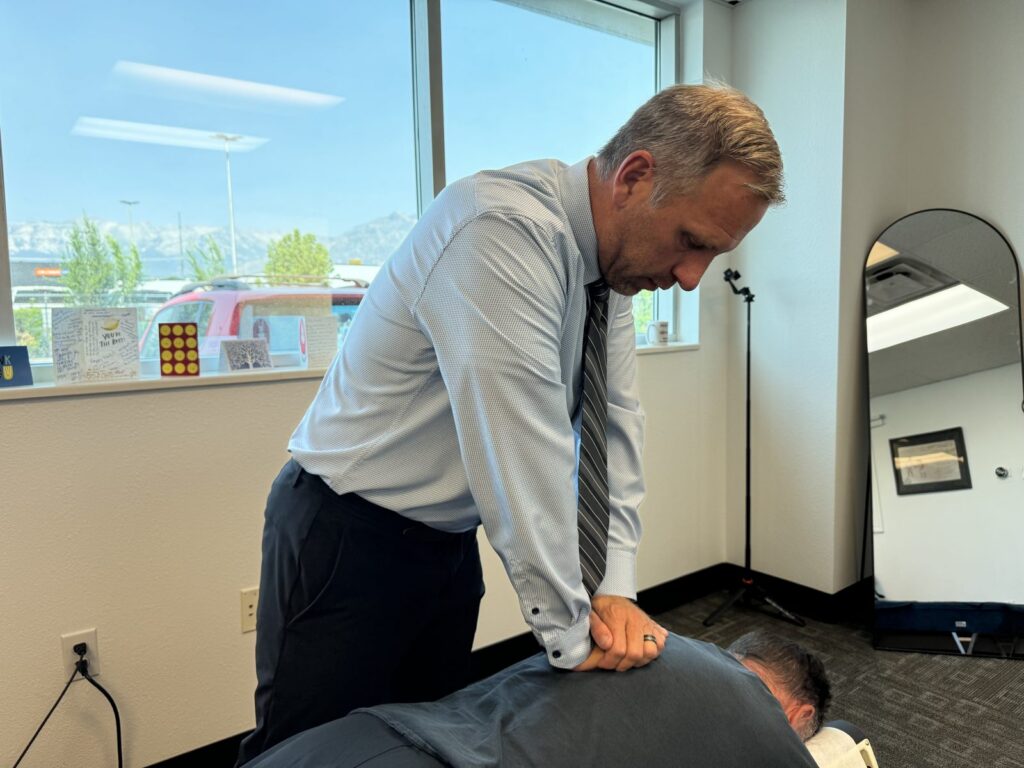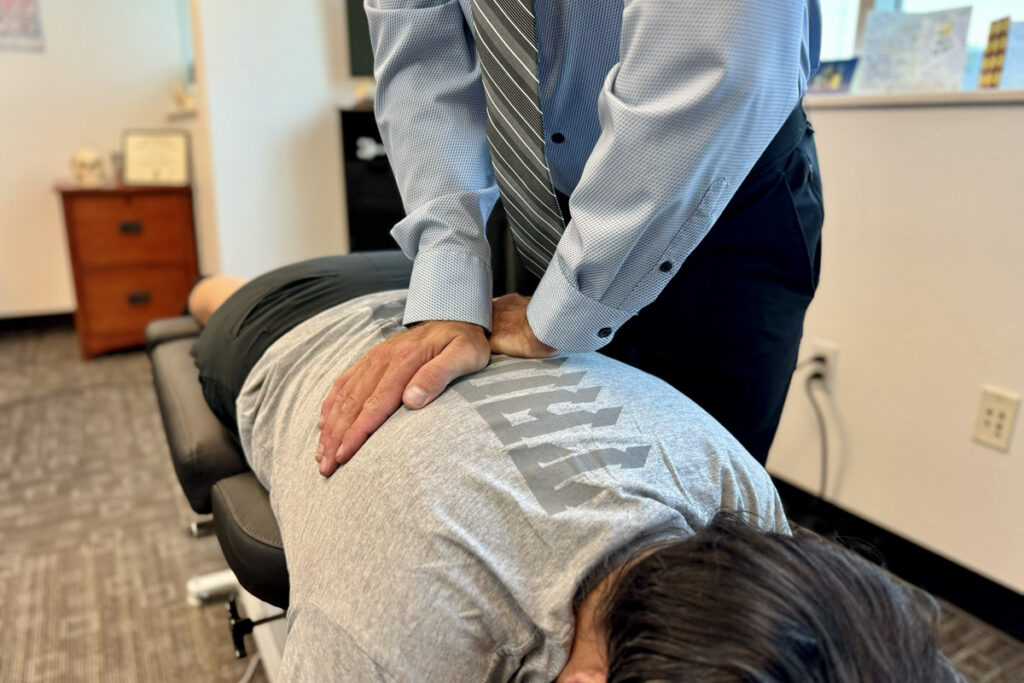
As a local chiropractor, I want to share how chiropractic care can greatly benefit children with ADHD. It's essential to consider the challenges your child faces and how our holistic approach can provide significant support. By creating personalized treatment plans that involve both children and their caregivers, we aim to enhance their experience and engagement in the healing process.
Regular chiropractic adjustments not only help in improving physical alignment but also play a crucial role in monitoring your child's overall health, ensuring that the care remains effective. Through gentle techniques and specialized therapies, we can address not just the symptoms of ADHD but also support your child's emotional well-being and daily functioning.
As you explore these options, think about how chiropractic care can contribute positively to your child's life, helping them navigate their challenges with greater ease and balance. Your child's journey towards better health is our priority, and we are here to guide you every step of the way.
Tailored Treatment Plans
When it comes to managing conditions like ADHD in children, a personalized approach is crucial for achieving positive outcomes. Every child is unique, and their symptoms can manifest in different ways. As a chiropractor, I believe it's essential to consider your child's specific challenges and strengths when developing a comprehensive plan for their care.
Collaboration with healthcare professionals, including chiropractors, can be invaluable. We can help identify effective natural interventions, such as adjustments to improve overall nervous system function, which may support your child's ability to focus and regulate behavior. Our goal is to create a holistic strategy that might include lifestyle modifications, dietary recommendations, and stress management techniques.
Involving your child in the treatment process is also important. Engaging them in discussions about their preferences and interests can increase their motivation to participate in their care. For example, if they've hobbies they enjoy, we can find ways to incorporate those into their daily routine to make the process more enjoyable and rewarding.
Setting clear, attainable goals is another essential aspect of care. By breaking down larger objectives into smaller, manageable steps, we can help your child experience success along the way, which in turn builds their confidence.
Furthermore, maintaining open communication with teachers and caregivers ensures that everyone is on the same page, promoting consistency across different environments—an essential factor for children with ADHD.
Finally, remember that flexibility is vital. What works well today might need adjustment tomorrow, and that's perfectly normal. Staying proactive and open to change is key to prioritizing your child's well-being.
A tailored approach not only addresses your child's specific needs but also empowers them to thrive despite the challenges they may face with ADHD. As your chiropractor, I'm here to support you in this journey toward natural healing and improved quality of life for your child.
Regular Monitoring and Adjustments
How can you ensure that your child's health and wellness plan, particularly in managing ADHD, remains effective? Regular monitoring and adjustments are essential for providing the best care possible.
Just like any other condition, ADHD symptoms can evolve over time, and so should the strategies used to manage them. By staying proactive, you can support your child's overall well-being.
As a local chiropractor, I want to share three key steps to consider for successful monitoring and adjustments:
- Schedule Regular Check-ups: Just as you'd with any healthcare provider, arrange routine visits with me or another holistic health professional. These appointments allow us to discuss your child's progress, any challenges they may be facing, and how chiropractic care can support their overall health.
- Track Symptoms and Behaviors: Keeping a journal of your child's symptoms, behaviors, and responses to various treatments can be invaluable. Whether it's noting changes in their focus, mood, or physical discomfort, this information provides insights that we can use together to identify patterns and adapt their care plan.
- Be Open to Adjustments: Flexibility is key in any health management plan. Whether we need to adjust chiropractic techniques, recommend lifestyle changes, or explore additional natural therapies, being open to change can lead to better outcomes.
Remember, your child's needs may evolve, and their management plan should evolve with them.
Enhanced Communication Skills
As a local chiropractor, I want to emphasize the importance of enhancing communication skills, especially for children with ADHD.
By focusing on their communication abilities, we can make a significant impact on their overall well-being. Improved expressive language and active listening techniques can help these kids connect with their peers and adults more effectively.
This not only boosts their self-confidence but also enriches their interactions in daily life. Just as we prioritize spinal health for optimal functioning, strengthening communication skills is vital for fostering positive relationships and a sense of community.
Improved Expressive Language
As a local chiropractor, I want to share how enhancing expressive language skills can significantly benefit children with ADHD, especially when it comes to their overall well-being.
Just like chiropractic care aims to improve physical health, developing clear communication skills can lead to healthier interactions in daily life. Here are three important advantages of focusing on expressive language:
- Boosted Confidence: When children learn to articulate their thoughts and feelings, they gain self-assurance. This newfound confidence can lead to more engaging conversations and social interactions, much like how chiropractic adjustments can improve posture and self-esteem.
- Stronger Relationships: Enhanced communication skills allow children to connect more deeply with their peers and family members. By sharing their ideas and emotions effectively, they cultivate stronger bonds and minimize the chances of misunderstandings, similar to how proper alignment can foster better relationships in a family dynamic.
- Improved Academic Success: Clearly expressing thoughts is crucial in an educational environment. When children can communicate effectively, they're more likely to engage in discussions, ask pertinent questions, and demonstrate their understanding of subjects. Just as chiropractic care supports overall health, fostering expressive language can pave the way for academic achievement.
Incorporating expressive language development into your child's routine, alongside regular chiropractic care, can lead to a more balanced and fulfilling life.
Active Listening Techniques
As a chiropractor, I want to emphasize the significance of effective communication in understanding your health and wellness, particularly if you or your child has ADHD. Active listening techniques can greatly enhance our discussions about your treatment options and overall well-being. When you engage actively in our conversations, it shows that your thoughts and concerns are important to me. This approach not only boosts your confidence in the care you're receiving but also encourages open dialogue about your health.
To start, I focus on maintaining eye contact and ensuring we're at the same level during our consultations. This simple act demonstrates my genuine interest in what you have to share about your health experiences. I encourage you to elaborate on your feelings and thoughts by asking open-ended questions. Instead of limiting our discussion to yes-or-no inquiries, I might ask, "How have you been feeling since your last adjustment?" This invites a deeper conversation about your health journey.
I also make it a point to reflect back what I hear you say. For instance, I might say, "So you're feeling some discomfort in your lower back after sitting for long periods?" This helps clarify your feelings and shows that I'm actively listening to your concerns. Additionally, I use verbal affirmations like "I understand" or "Please share more" to keep our dialogue flowing and demonstrate my engagement in your health.
Lastly, patience is key. I recognize that sometimes it may take longer to express concerns or ask questions about your health. By utilizing these active listening techniques, I aim to improve our communication and foster a stronger connection with you. This ultimately helps you navigate your wellness journey more effectively and empowers you to take charge of your health.
Support for Behavioral Challenges
As a local chiropractor, I want to share how natural healing approaches can support children facing behavioral challenges, such as those associated with ADHD. By focusing on holistic strategies, we can create a positive impact on their overall well-being.
One effective method is to incorporate positive reinforcement techniques that not only encourage good behavior but also promote a healthy lifestyle.
Additionally, enhancing communication skills within the family can strengthen relationships and create a nurturing environment.
Chiropractic care can play a vital role in this process by improving the child's physical health, which in turn can positively influence their behavior and emotional state.
Together, these strategies can foster growth, understanding, and a supportive atmosphere for your child to thrive.
Tailored Behavioral Strategies
Navigating the challenges of ADHD can be tough, but as a chiropractor, I want to share how tailored behavioral strategies can complement your child's journey toward better focus and well-being.
By adapting these approaches to your child's specific needs, we can work together to enhance their daily experiences. Here are three important strategies to consider:
- Structured Routines: Just as we establish a consistent routine in our chiropractic practice to promote healing, creating a predictable daily schedule for your child can significantly reduce anxiety and improve their focus. This stability helps them understand what to expect throughout the day.
- Visual Aids: Incorporating visual tools like charts, checklists, or color-coded schedules can effectively guide your child. Much like how we use diagrams to explain spinal health, these visual aids act as reminders, helping your child stay on track with their tasks.
- Break Tasks Into Steps: Large projects can be daunting. Similar to how we approach treatment by breaking down complex issues into manageable steps, breaking tasks into smaller, more manageable parts can empower your child to achieve their goals without feeling overwhelmed.
By implementing these tailored strategies alongside chiropractic care, we can significantly enhance your child's behavior and overall well-being.
Remember, the key is to adapt these methods to suit your child's unique strengths and challenges, creating a nurturing environment for their growth and learning.
Together, we can support their journey toward a healthier, more focused life.
Positive Reinforcement Techniques
Positive reinforcement techniques can play a significant role in supporting individuals, including children with ADHD, as they face various challenges. By emphasizing positive behaviors rather than focusing on the negatives, we can help foster a sense of motivation and confidence. For instance, when a child completes their homework or follows instructions, it's beneficial to acknowledge their efforts with verbal praise, small rewards, or even a simple sticker. This practice reinforces their positive choices and encourages them to repeat those behaviors in the future.
As a chiropractor, I encourage parents to be specific in their reinforcement. Instead of a general "Good job," try saying, "I really appreciate how you finished your homework on time!" This specificity helps the child understand exactly what they did well and reinforces the behavior you want to encourage.
Consistency is also crucial. Regularly rewarding positive behavior establishes a clear connection between their actions and the rewards they receive. Over time, this consistency can lead to lasting changes in behavior, which is vital for overall well-being.
Additionally, setting achievable goals for your child can be very beneficial. Celebrating milestones, no matter how small, nurtures a sense of accomplishment.
Parent-Child Communication Skills
Effective communication between caregivers and children is vital, especially for those who may experience behavioral challenges like ADHD. As a chiropractor, I recognize that fostering strong communication skills can help create a supportive environment that allows children to navigate their feelings and behaviors more effectively.
Here are three key strategies to enhance communication that I believe can complement chiropractic care and promote holistic well-being:
- Listen Actively: It's important to show children that their thoughts and feelings are valued. When you engage in conversation, make eye contact, nod, and respond to their expressions. This active listening encourages them to share their experiences openly, which can be beneficial for their overall emotional and physical health.
- Use Clear Language: When discussing health-related expectations or treatment plans, be straightforward. Avoid vague instructions or mixed messages about their care. Clarity helps children understand what you want from them and reduces any potential frustration they might feel regarding their health journey.
- Validate Emotions: Acknowledge your child's feelings, even if you don't always agree with their perspective. Using phrases like "I understand you're feeling overwhelmed" can help them feel heard and supported. This emotional validation can play a crucial role in their well-being and aligns with the holistic approach of chiropractic care.
Educational Collaborations
When it comes to supporting children with ADHD, the role of a chiropractor can significantly enhance their overall well-being and educational experience. By collaborating with parents, teachers, and educational professionals, we can create a holistic approach that fosters your child's success both in and out of the classroom. This team-oriented strategy ensures that everyone is aligned on your child's unique needs and strengths.
First, it's essential to maintain open communication with your child's educators. As a chiropractor, I can provide insights into how chiropractic care can help manage ADHD symptoms, such as improving focus and reducing anxiety. Sharing these insights with teachers can encourage them to adapt their teaching methods. For example, if your child struggles with attention, incorporating regular movement breaks or sensory activities can complement the benefits of chiropractic adjustments.
Next, consider working closely with the school's special education team. If your child has an Individualized Education Plan (IEP) or a 504 Plan, I can help assess how chiropractic care might support their overall health and learning. By collaborating with school staff, we can ensure that goals and strategies are adjusted as your child develops, promoting a comprehensive approach to their care.
Additionally, don't underestimate the value of involving other health professionals. Sometimes, insights from a chiropractor can provide educators with unique perspectives they may not have considered. By sharing recommendations for natural healing methods, we can enhance your child's educational experience and overall well-being.
Incorporating chiropractic care into your child's routine could be a game-changer in how they manage ADHD symptoms, paving the way for a brighter future.
Family Involvement Strategies
As a local chiropractor, I believe that actively engaging in your child's health journey is vital, especially for those facing challenges like ADHD. It's important to foster open communication within your family to build a supportive atmosphere that encourages healing.
Here are some strategies that can empower both you and your child on this path to wellness.
Consider how chiropractic care can play a role in your child's overall health. By addressing spinal alignment and nervous system function, we can support their body in managing symptoms more effectively. Regular check-ups can also provide an opportunity for family discussions about health and well-being.
Incorporate natural healing practices, such as nutrition and exercise, into your family's routine. This holistic approach not only improves physical health but also strengthens family bonds as you work together towards a common goal.
Engaging Parents in Treatment
Engaging in your child's health journey, especially if they've ADHD, is vital for fostering positive outcomes. As a chiropractor, I want to emphasize the importance of a holistic approach that includes not just physical care but also involvement from parents.
Here are three strategies to enhance your engagement in your child's treatment:
- Collaborate with Healthcare Providers: Keep an open line of communication with your child's healthcare team, including your chiropractor. Share any observations about your child's behavior and well-being, and ask for advice on how to integrate chiropractic care into your child's overall treatment plan.
- Establish Consistent Routines: Children with ADHD often benefit from a structured environment. Work together to create daily routines that incorporate time for chiropractic appointments, physical activity, homework, and relaxation. A consistent schedule can help your child feel more secure and focused, enhancing the benefits of their chiropractic care.
- Participate in Educational Workshops: Seek out workshops or community events that focus on ADHD and holistic health approaches, including chiropractic care. These can provide valuable insights and practical tools to help you better understand your child's challenges and explore effective strategies for support and healing.
Communication Techniques for Families
Effective communication plays a crucial role in fostering a successful partnership between families and healthcare providers, especially in the context of managing conditions like ADHD. As a local chiropractor, I encourage you to establish open lines of communication not only within your family but also with your healthcare team.
Regularly discussing feelings, challenges, and achievements can create a supportive environment that promotes healing and understanding.
When talking about ADHD and its management, it's important to use clear and simple language. Avoid technical jargon; instead, explain concepts in a way that everyone can understand. Active listening is also essential. When your child shares their thoughts, give them your full attention, and create a safe space for them to express themselves without fear of judgment.
Incorporating a family routine that includes regular discussions about health and wellness strategies can be incredibly beneficial. Visual aids, such as charts or calendars, can help track progress and serve as reminders for important activities. Celebrating small victories in managing ADHD can boost morale and strengthen family bonds.
Finally, don't hesitate to seek guidance from professionals like chiropractors, who can provide valuable insights into natural healing methods. Collaborating with healthcare providers can enhance your understanding of ADHD and offer additional tools for effective management.
Access to Specialized Therapies
As a local chiropractor, I want to share how accessing specialized therapies can significantly enhance the well-being of children, particularly those dealing with ADHD.
While many people may not associate chiropractic care with ADHD, our holistic approach can complement traditional therapies and promote overall health.
Here are three key therapeutic avenues you might explore:
- Chiropractic Care: Chiropractic adjustments focus on aligning the spine and improving nervous system function. This can lead to better brain-body communication, which may help your child manage ADHD symptoms more effectively. Regular adjustments can also alleviate physical stress, improving focus and behavior.
- Nutritional Counseling: Nutrition plays a vital role in brain health. A balanced diet rich in essential nutrients can support cognitive function and emotional well-being. As your chiropractor, I can provide guidance on dietary changes that may benefit your child and enhance their ability to cope with ADHD challenges.
- Mindfulness and Stress Reduction Techniques: Incorporating mindfulness practices such as deep breathing and relaxation exercises can help your child manage anxiety and improve concentration. These techniques can be integrated into your chiropractic sessions, providing a comprehensive approach to care.
Finding the right support for your child often involves collaboration with healthcare providers who understand ADHD.
As a chiropractor, I can work alongside pediatric care providers to ensure a cohesive treatment plan that addresses your child's unique needs.
Medication Management Expertise
Navigating the world of healthcare for children with ADHD can be daunting for parents, especially when considering options beyond traditional medication. As a local chiropractor, I want to help you explore natural healing methods that may complement your child's treatment plan and enhance their overall well-being.
Chiropractic care focuses on the connection between the spine and the nervous system, recognizing that misalignments can affect a child's behavior and cognitive function. Each child is unique, and our approach involves assessing their individual needs to develop a tailored plan that aligns with their specific challenges.
We can work together to understand how chiropractic adjustments may positively influence your child's nervous system, potentially improving their focus and reducing hyperactivity. I'll take the time to explain how these adjustments work and what you might expect during treatment. It's important to be informed about the benefits and any possible sensations your child may experience during their sessions.
Regular visits are key to effective chiropractic care. I recommend ongoing assessments to monitor progress and make any necessary adjustments to the treatment plan. This consistent communication helps create a supportive environment where you can feel confident in the care your child is receiving.
Additionally, I collaborate with parents, teachers, and other caregivers to ensure a holistic approach to your child's development. Together, we can address their needs at home and in school, making it easier for them to thrive socially and academically.
By embracing chiropractic care, you'll be empowered to make informed decisions about your child's health, providing them with natural support that may enhance their daily functioning and quality of life.
Ultimately, my goal is to help your child succeed by exploring all avenues of care, including natural healing practices that promote balance and well-being.
Emotional Support Resources
For children with ADHD, emotional support plays a crucial role in helping them navigate daily challenges and build resilience. As a local chiropractor, I want to emphasize the importance of holistic health, which includes not just physical well-being but also emotional health.
Here are three key resources to consider:
- Chiropractic Care: Regular chiropractic adjustments can help improve overall nervous system function, which may positively impact mood and emotional regulation. By addressing physical discomfort and stress, chiropractic care can create a foundation for better emotional well-being.
- Mind-Body Practices: Techniques such as mindfulness, yoga, and meditation can be integrated into your child's routine. These practices promote relaxation and help manage anxiety, complementing the physical benefits of chiropractic care.
- Community Resources: Engaging with local support groups or workshops focused on ADHD can provide families with valuable insights and strategies. Connecting with other parents and professionals can foster a sense of community and shared learning, helping your child feel less isolated.
By exploring these resources, you can create a supportive environment that nurtures both the physical and emotional health of your child.
Holistic Health Approaches
As a local chiropractor, I want to emphasize the importance of building emotional support for your child as a crucial step toward exploring holistic health approaches that can significantly enhance their well-being.
Holistic health is about treating the whole person—taking into account their physical, emotional, and social aspects. This integrative approach can be particularly beneficial for children with ADHD, empowering them to manage their symptoms more effectively.
One effective method I recommend is incorporating mindfulness practices, such as meditation or deep-breathing exercises, into your family routine. These techniques encourage your child to recognize their emotions and develop essential coping skills, which can lead to improved focus and reduced anxiety.
Making mindfulness a fun family activity can foster connection and support.
Nutrition is another pillar of holistic health that I can't stress enough. A balanced diet rich in omega-3 fatty acids, whole grains, and an abundance of fresh fruits and vegetables can positively influence your child's mood and attention span.
Collaborating with a nutritionist to design a personalized meal plan can ensure that your child receives the nutrients they need to thrive.
Regular physical activity is also vital. Exercise not only helps manage ADHD symptoms but also boosts self-esteem and overall health.
Encourage your child to participate in activities they enjoy, whether that's swimming, dancing, or joining team sports. Movement is essential for both physical and mental well-being.
Additionally, consider exploring alternative therapies like yoga or acupuncture. Some studies indicate that these therapies may assist in alleviating ADHD symptoms.
It's always best to discuss these options with your pediatrician, as they can help ensure that any new therapies complement your child's current treatment plan.
By embracing a holistic approach to health, you're equipping your child with invaluable tools for lifelong well-being.
As a chiropractor, I'm here to support you and your family on this journey toward natural healing and optimal health.
Conclusion
As a local chiropractor, I want to emphasize the vital role chiropractic care can play in supporting children with ADHD. By providing individualized treatment plans, regular assessments, and access to natural healing therapies, we can help empower your child to reach their full potential. Chiropractic adjustments can enhance communication skills and emotional balance, while focusing on overall health to tackle their unique challenges.
With the right chiropractic resources and strategies, we can cultivate resilience and well-being in your child, positively impacting their daily life. Embracing chiropractic care is not just about adjustments; it's a commitment to a healthier, brighter future for your child. Let's work together to explore how natural healing can make a difference!