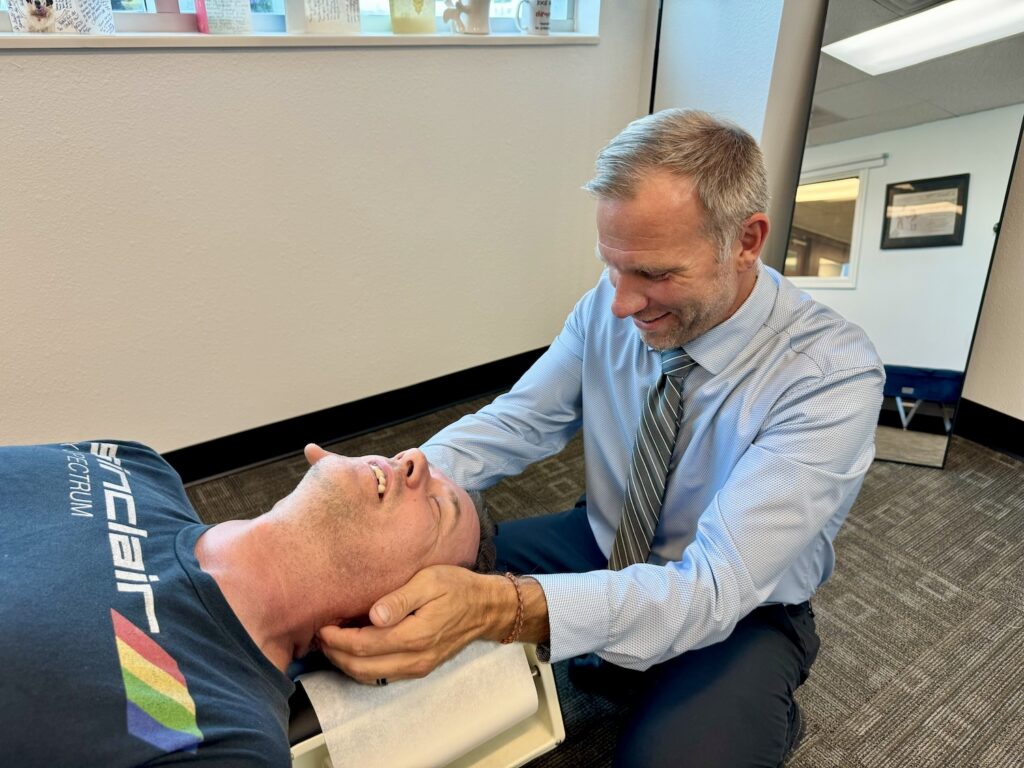
When dealing with a sports injury, many people tend to concentrate solely on physical rehabilitation, but chiropractic care provides a comprehensive approach that goes beyond just exercises. As a local chiropractor, I want to emphasize that our therapy not only focuses on restoring physical function but also addresses the psychological aspects of recovery. We create personalized treatment plans tailored to rebuild your strength and support your emotional well-being, which is crucial for resilience during the healing process.
Are you curious about how chiropractic care can assist you on your path to recovery? Let's delve into ten key benefits of integrating chiropractic therapy into your rehabilitation journey, which can significantly enhance your chances of returning to the field stronger and healthier than before.
Enhances Physical Rehabilitation
As a local chiropractor, I want to emphasize the vital role that therapy plays in your physical rehabilitation following a sports injury. It's common to feel overwhelmed after an injury, but chiropractic care offers structured support and guidance tailored to your individual needs.
During your initial assessment, we'll evaluate your condition, set realistic goals, and develop a personalized rehabilitation plan aimed at restoring your strength, flexibility, and range of motion.
Chiropractic therapy involves various techniques that not only focus on the injured area but also enhance your overall physical condition. Through specific exercises, we can strengthen surrounding muscles, promote joint stability, and facilitate a quicker return to your favorite activities.
Expect to incorporate a mix of stretching, strength training, and functional exercises into your routine, all designed to help you regain confidence in your movements.
One of the key benefits of chiropractic care is its emphasis on consistency, which is essential for recovery. Regular sessions with me will keep you accountable and motivated, ensuring you adhere to your rehabilitation plan.
I'll closely monitor your progress and make necessary adjustments to optimize your recovery. This ongoing support empowers you to navigate the challenges and setbacks that are natural during the healing process.
Ultimately, engaging in chiropractic therapy not only accelerates your physical recovery but also deepens your understanding of your body's needs.
Reduces Pain Perception
As a local chiropractor, I want to share with you how your mind can profoundly influence your experience of pain, especially when dealing with a sports injury.
Understanding this connection is crucial for your recovery. By incorporating cognitive behavioral techniques into your healing process, you can actively shift your mindset and significantly reduce your pain perception.
This mind-body connection is essential in chiropractic care and natural healing, and it can truly enhance your overall recovery journey.
Together, we can explore these techniques and help you regain your strength and well-being.
Cognitive Behavioral Techniques
As a local chiropractor, I want to introduce you to some powerful cognitive behavioral techniques that can significantly assist in managing pain perception during your recovery from sports injuries.
These strategies are all about changing how you think about your pain, which can lead to a remarkable reduction in the intensity you feel. Instead of viewing pain as an insurmountable obstacle, you can learn to see it as a temporary challenge that you have the strength to overcome.
One helpful technique is cognitive restructuring. This involves recognizing negative thought patterns and replacing them with more positive and realistic thoughts.
For example, if you find yourself thinking, "I'll never recover," try to shift that mindset to something like, "I'm on the right path to recovery, and I've the power to control my mindset." This positive shift can help alleviate the anxiety and fear that often accompany injuries.
Another effective approach is visualization. Imagine yourself back in your sport, performing at your best. This mental imagery not only serves as a distraction from pain but also reinforces a sense of capability and confidence in your body's ability to heal.
Additionally, practicing mindfulness is essential. By staying present and acknowledging your pain without judgment, you can create a calming effect.
Focus on your breath or engage in relaxation techniques, which can help diminish your perception of pain.
Embracing these cognitive behavioral techniques can empower you throughout your recovery journey. As your chiropractor, I'm here to guide you in integrating these methods with chiropractic care to promote natural healing and overall well-being.
Mind-Body Connection
As a local chiropractor, I want to share how the mind-body connection can be a powerful ally in your recovery from sports injuries. Understanding this connection can help you reduce pain perception and promote a quicker healing process.
Here are three effective ways to tap into this connection:
1. Mindfulness and Meditation: Incorporating mindfulness into your daily routine can help you stay present and alleviate anxiety, which is crucial for pain management. Just dedicating a few minutes each day to meditation can lead to significant improvements in how you feel.
This practice not only calms the mind but also prepares your body for healing.
2. Visualization Techniques: Visualization can be a game-changer in your recovery journey. By imagining your body healing and performing optimally, you can boost your motivation and shift your perception of pain.
Picture yourself regaining strength and vitality—this positive mindset can greatly enhance your recovery experience.
3. Breathing Exercises: Engaging in deep, controlled breathing is a simple yet effective way to activate your body's relaxation response. This not only alleviates tension and stress but can also lead to noticeable reductions in pain levels.
As you practice these techniques, you'll find yourself feeling more at ease and comfortable during your healing process.
Improves Emotional Resilience
As a local chiropractor, I want to emphasize the importance of emotional resilience when dealing with a sports injury.
It's common to feel overwhelmed in such situations, but developing mental toughness can significantly improve your recovery process.
Chiropractic care not only addresses physical pain but also supports your overall well-being, helping to foster a positive mindset.
By integrating these principles into your healing journey, you can transform your challenges into valuable opportunities for personal growth and improved health.
Embracing a holistic approach to recovery can make all the difference in navigating your path to wellness.
Coping With Stressful Situations
Coping with stressful situations is crucial for building emotional resilience, particularly during the recovery process from sports injuries. As a chiropractor, I understand that setbacks can leave you feeling overwhelmed, but there are natural healing methods we can explore together to help you manage these challenges.
Here are three ways chiropractic care can assist you in coping with stress related to your recovery:
- Identifying Physical and Emotional Triggers: In our sessions, I can help you identify the physical and emotional stressors associated with your injury. Whether it's anxiety about returning to your sport or concerns about pain and mobility, recognizing these triggers is the first step in addressing them effectively.
- Developing Natural Coping Mechanisms: Chiropractic care offers various holistic techniques to help you cope with stress. This may include spinal adjustments to alleviate physical tension, as well as guidance on relaxation techniques and exercises that promote mindfulness. These natural approaches can enhance your overall emotional well-being and support your recovery journey.
- Building a Supportive Healing Environment: As your chiropractor, I aim to create a nurturing space where we can discuss your experiences and fears. By fostering a supportive relationship, I can help you connect with resources and communities that understand your path to recovery, providing you with a strong emotional foundation as you heal.
Embracing chiropractic care can empower you to navigate the challenges of recovery with confidence and resilience.
Building Mental Toughness
Building mental toughness is an essential aspect of enhancing emotional resilience, especially during the recovery phase from a sports injury, and as your local chiropractor, I want to help you understand its importance.
Mental toughness allows you to confront challenges directly and stay focused on your recovery goals, even when the journey becomes difficult. By cultivating this mental strength, you can more effectively manage the frustrations and setbacks that can arise during rehabilitation.
One effective approach I recommend is setting small, achievable goals throughout your recovery process. These goals provide a sense of direction and motivation, enabling you to celebrate every bit of progress—no matter how small it may seem. Commitment to these goals is crucial; perseverance is a key component of resilience and plays a significant role in strengthening your mental toughness.
Additionally, I encourage you to practice positive self-talk. When negative thoughts creep in, try replacing them with affirmations that reinforce your strength and determination. Remember, you have the capability to overcome obstacles, and cultivating a belief in yourself is vital for your recovery journey.
Lastly, don't hesitate to seek support from a therapist or counselor who specializes in building mental resilience. Such professionals can equip you with coping strategies and techniques tailored to your unique needs.
Enhancing Positive Mindset
As a local chiropractor, I want to emphasize the importance of cultivating a positive mindset during your recovery from sports injuries. A positive outlook can significantly enhance your emotional resilience, making it easier to navigate the challenges that come with healing.
Chiropractic care can support this mindset by addressing not just your physical needs, but also your emotional well-being. Here are three ways that our approach can help boost your positivity:
- Cognitive Restructuring: Through conversations in our sessions, I can guide you in identifying and challenging negative thought patterns. By reframing these thoughts, we can work together to help you see setbacks as valuable learning experiences rather than obstacles.
- Goal Setting: I'll assist you in setting realistic, achievable goals tailored to your healing journey. Celebrating small milestones along the way reinforces a sense of accomplishment and keeps your spirits high, which is crucial for your recovery.
- Mindfulness Techniques: As part of our holistic approach, I may introduce mindfulness practices that help you stay present and focused during your recovery. These techniques can reduce anxiety about the future and improve your ability to cope with the emotional ups and downs that often accompany healing.
Embracing a positive mindset through chiropractic care not only aids your recovery but also builds emotional resilience, setting you up for success in your sport and in life.
Together, we can create a healing environment that nurtures both your body and mind.
Builds Mental Toughness
Recovering from a sports injury can indeed be a physically demanding journey, but as a chiropractor, I want to emphasize the importance of mental toughness throughout this process. While many focus solely on the physical aspects of healing, it's crucial to also nurture your mental resilience. This is where chiropractic care and holistic healing come into play.
When you're navigating the ups and downs of recovery, chiropractic adjustments can help not only with physical healing but also with enhancing your mental state. By reducing pain and improving your overall well-being, you create a more positive environment for mental fortitude to flourish. It's about more than just treating the injury; it's about empowering your mind to confront challenges with confidence.
In our sessions, we often incorporate techniques that promote a positive mindset. Rather than dwelling on the frustration of your current limitations, we'll work together to see your recovery as a valuable opportunity for growth. By shifting your perspective, you can build the mental strength necessary to overcome difficult days.
Moreover, chiropractic care encourages self-awareness. We'll discuss your emotions and any fears that may arise during your healing process. By addressing these feelings, you become better equipped to face setbacks with resilience. Acknowledging challenges is a crucial step in becoming adaptable and strong.
Engaging in chiropractic treatment also instills a sense of accountability for your recovery. As you actively participate in your healing journey, you'll learn to trust in your body's abilities and your own determination. This newfound confidence is essential for breaking down the mental barriers that could impede your progress.
Ultimately, chiropractic care isn't just about recovering from an injury; it's about shaping you into a stronger athlete and individual. By developing mental toughness alongside physical healing, you prepare yourself for not only this recovery but also for future challenges both in your athletic career and in life.
Embrace the journey, and let chiropractic care help transform your mindset.
Increases Motivation Levels
As a local chiropractor, I want to emphasize how important it's to set clear goals when you're recovering from a sports injury.
Establishing these goals can significantly enhance your motivation during the healing process. Chiropractic care plays a crucial role in this journey, not only by helping you define those goals but also by cultivating a positive mindset that keeps you focused on your recovery.
As you begin to notice improvements in your condition, your determination to return to peak performance will grow stronger. This makes the recovery journey not just a task, but an engaging and rewarding experience.
Enhanced Goal Setting
As a local chiropractor, I want to emphasize how effective goal setting can significantly enhance your motivation during the recovery from sports injuries. When you establish clear, achievable goals, you essentially create a roadmap that will guide you through the healing process. This clarity helps you focus on what you can control, making your recovery feel more manageable and less daunting.
Here are three important aspects of enhanced goal setting that can boost your motivation:
- Specificity: Setting clearly defined goals, such as "I will perform my rehabilitation exercises for 15 minutes each day," gives you a concrete target to strive for. Specific goals eliminate uncertainty and provide a way to measure your progress, which is vital in your recovery journey.
- Measurability: It's essential to track your goals to visualize how far you have come. Whether you're aiming to improve your range of motion or build strength, having measurable goals keeps you accountable and serves as a reminder of your accomplishments along the way.
- Time-Bound: Establishing deadlines for your goals is crucial. By aiming to reach a specific milestone by a certain date, you create a sense of urgency that can motivate you to stay committed to your recovery plan and chiropractic care.
By understanding and implementing these elements of enhanced goal setting, you can make your recovery process more effective and empowering.
Positive Mindset Development
As a local chiropractor, I want to emphasize how cultivating a positive mindset can significantly enhance your motivation during sports injury recovery. Understanding the positive aspects of your healing journey is crucial. When you embrace a mindset focused on progress and healing, you'll find it easier to stay committed to your rehabilitation plan.
Chiropractic care is a valuable resource in developing this positive mindset. We provide strategies to help you reframe any negative thoughts that may arise during your recovery. Instead of viewing setbacks as failures, you can learn to see them as opportunities for growth and improvement. This shift in perspective not only strengthens your mental resilience but also keeps you actively engaged in your recovery process.
Celebrating small victories—like improved mobility or reduced pain—is an essential part of maintaining a positive outlook. Each step forward reinforces your motivation, making the road to recovery feel more rewarding.
Additionally, surrounding yourself with a supportive network, including your chiropractor, therapists, friends, and family, can greatly enhance your healing experience. These individuals can offer encouragement and remind you of the progress you're making, helping you stay focused on your goals.
Ultimately, fostering a positive mindset can transform your recovery journey. As you nurture this perspective, you'll likely find your motivation levels rising, allowing you to recover more efficiently and return to the sports you love with renewed enthusiasm and energy.
Encourages Positive Mindset
As a local Chiropractor, I want to share how our approach to care not only focuses on the physical healing of injuries but also fosters a positive mindset that's crucial for a successful recovery.
When you visit us, you're engaging in a holistic process that nurtures both your body and your mind, keeping you motivated and centered on your healing journey.
Here are three key ways chiropractic care promotes a positive mindset:
1. Emotional Support: Our practice emphasizes the importance of open communication. During your visits, we create a welcoming environment where you can share your concerns and frustrations.
This emotional support helps you process your feelings, making it easier to navigate the ups and downs of your recovery.
2. Cognitive Restructuring: We believe in empowering our patients with knowledge. By educating you about your body and the healing process, we help you shift your mindset.
Instead of seeing your injury as a limitation, you'll learn to view it as a chance to develop resilience and strength.
3. Mindfulness Practices: In our sessions, we often incorporate mindfulness techniques that encourage you to stay present and focused.
These practices can significantly reduce anxiety and enhance your overall outlook, making it simpler to cope with the stress that can accompany an injury.
By embracing chiropractic care, you're not just treating the physical symptoms; you're also cultivating a positive and empowered mindset that supports your journey to recovery.
Let's work together to unlock your body's natural healing potential!
Facilitates Goal Setting
As a local chiropractor dedicated to your recovery from sports injuries, I want to emphasize the importance of setting clear goals in your healing journey. Chiropractic care can play a crucial role in helping you achieve these objectives. Together, we'll establish specific, measurable, achievable, relevant, and time-bound (SMART) goals that are tailored to your individual needs. This structured approach provides you with a clear roadmap, making your recovery feel more manageable and focused.
By setting these goals, you'll find it much easier to track your progress. I'm here to regularly assess your condition and make any necessary adjustments to your goals. This adaptability is vital as it keeps you motivated and ensures that you're always moving forward. Whether your aim is to regain full range of motion, rebuild your strength, or return to your favorite sport, having precise targets allows you to celebrate small victories along the way.
Moreover, goal setting fosters a sense of accountability in our partnership. When you share your objectives with me, you create a collaborative environment that encourages commitment to your recovery plan. This sense of responsibility will help you stay on track with your therapy sessions and exercises.
Additionally, having clear goals can reduce feelings of uncertainty and anxiety that often accompany the recovery process. Knowing exactly what you're working towards provides clarity and purpose, making it easier to navigate any challenges that arise.
Promotes Relaxation Techniques
As your local chiropractor, I want to emphasize the importance of incorporating relaxation techniques into your healing journey.
Whether you're recovering from an injury or managing discomfort, finding ways to relax can significantly enhance your recovery. The physical and emotional stress associated with pain can be overwhelming, but implementing these relaxation strategies can help reduce tension, improve circulation, and promote overall well-being.
Here are three effective techniques that I recommend:
- Deep Breathing: Taking just a few moments each day to practice deep breathing can be incredibly beneficial. Inhale deeply through your nose, allowing your abdomen to rise, and then exhale slowly through your mouth. This practice not only calms your mind but also reduces anxiety, giving you a sense of control over your recovery process.
- Progressive Muscle Relaxation: This technique involves systematically tensing and relaxing each muscle group in your body, starting from your toes and moving up to your head. It's a great way to enhance your awareness of how tension feels in your body and can help alleviate discomfort that often accompanies injuries.
- Mindfulness Meditation: I encourage you to set aside time to sit quietly and focus on your thoughts and feelings without judgment. Practicing mindfulness can help you cultivate acceptance and peace, which is crucial during the sometimes challenging recovery phase.
By integrating these relaxation techniques into your daily routine, you're not only supporting your physical healing but also building mental resilience.
A calm mind and relaxed body are essential components of effective recovery. As we work together to address your chiropractic needs, remember that these practices can play a vital role in enhancing your healing experience.
Supports Injury Education
Understanding your injury is crucial for your recovery, and as a chiropractor, I'm here to guide you through that process. When you experience an injury, it's common to feel overwhelmed and uncertain about what's happening within your body. Chiropractic care plays a vital role in educating you about your injury and the natural healing process.
By working together, you'll gain essential insights into the nature of your injury, including its causes, symptoms, and effective treatment options available through chiropractic methods. I will explain the biomechanics of your injury, helping you understand how certain movements can aggravate the condition. This knowledge empowers you to make informed decisions about your rehabilitation.
We'll also delve into the anatomy of your injury, which will help you visualize the affected areas and appreciate the healing that's necessary. Additionally, chiropractic sessions often include educational components that cover important topics such as pain management strategies, safe exercises, and ways to prevent future injuries.
You'll learn about the significance of proper warm-up and cool-down routines, as well as how to tune into your body's signals during recovery. This education not only deepens your understanding but also boosts your confidence in managing your rehabilitation.
Ultimately, being informed about your injury gives you a sense of control over your recovery. You're not just waiting for healing to occur; you're actively participating in your recovery journey, equipped with the knowledge to make the best choices for your health.
As your chiropractor, I'm committed to supporting you every step of the way.
Strengthens Support Systems
As a local chiropractor, I want to emphasize the importance of a robust support system in your recovery journey from a sports injury. Navigating physical setbacks can be challenging, but having a network of understanding individuals can significantly enhance your healing process.
Chiropractic care goes beyond just addressing physical symptoms; it plays a crucial role in bolstering your emotional and social support frameworks.
Here are three ways chiropractic care can aid in strengthening your support system:
- Emotional Validation: Chiropractic sessions provide a safe space for you to discuss your feelings regarding your injury and the recovery journey. This emotional outlet is essential for processing any frustrations or fears you may have, making it easier for you to cope and stay positive.
- Building Connections: We often encourage participation in community workshops or group sessions. These gatherings allow you to connect with others who are experiencing similar challenges. Developing these relationships fosters a sense of camaraderie and mutual support, which is invaluable during your recovery.
- Encouragement and Accountability: As your chiropractor, I can help you set realistic and achievable recovery goals. Sharing these objectives with your friends and family establishes a network of accountability, motivating you to stay committed to your healing process and celebrate your progress along the way.
By investing in your support system and embracing chiropractic care, you can facilitate a more holistic recovery experience.
Conclusion
As a local chiropractor, I want to emphasize how incorporating chiropractic care into your sports injury recovery can truly transform your healing journey. Chiropractic therapy enhances physical rehabilitation by focusing on spinal alignment and overall body mechanics, which can significantly reduce pain and promote faster recovery.
Moreover, our approach not only addresses the physical aspects of your injury but also supports your emotional resilience. Many patients experience an increase in mental toughness and motivation when they actively engage in their recovery process. By setting realistic goals and achieving them with our guidance, you'll feel more empowered every step of the way.
We also utilize relaxation techniques to help you manage stress and discomfort, creating a comprehensive support system throughout your recovery. Understanding your injury and the healing process is crucial, and chiropractic care can provide valuable insights into how your body responds to treatment.
Embrace chiropractic therapy as an essential component of your recovery journey, and let us help you come back stronger and more resilient than ever. Your body deserves the best care, and we're here to support you every step of the way.