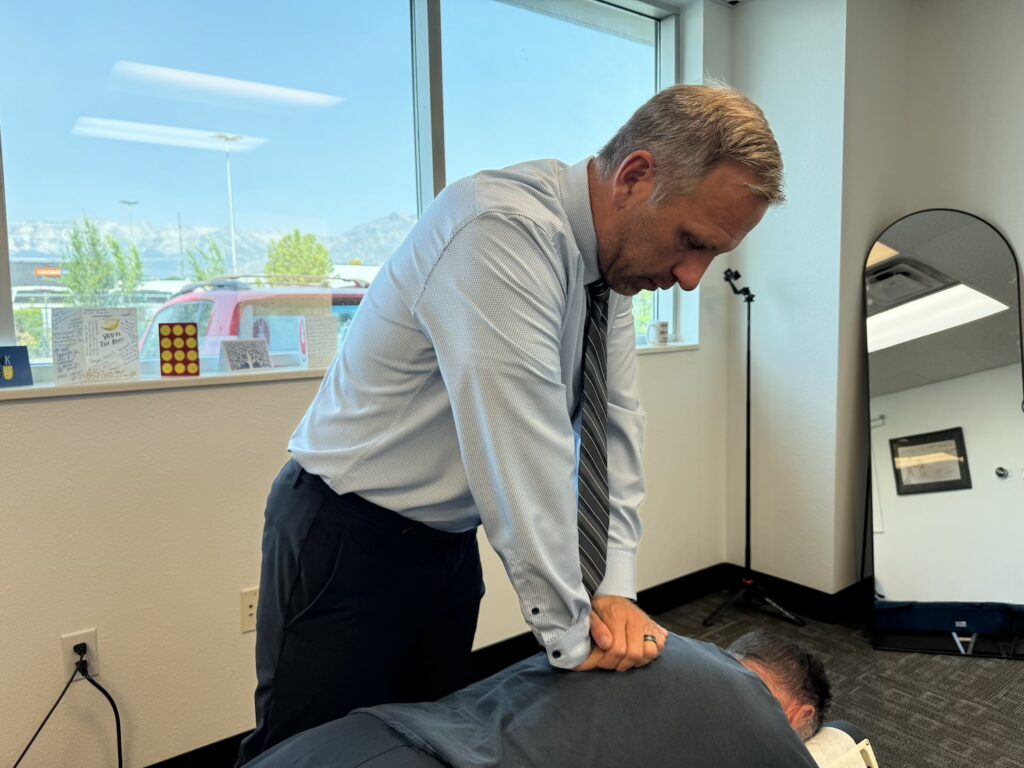
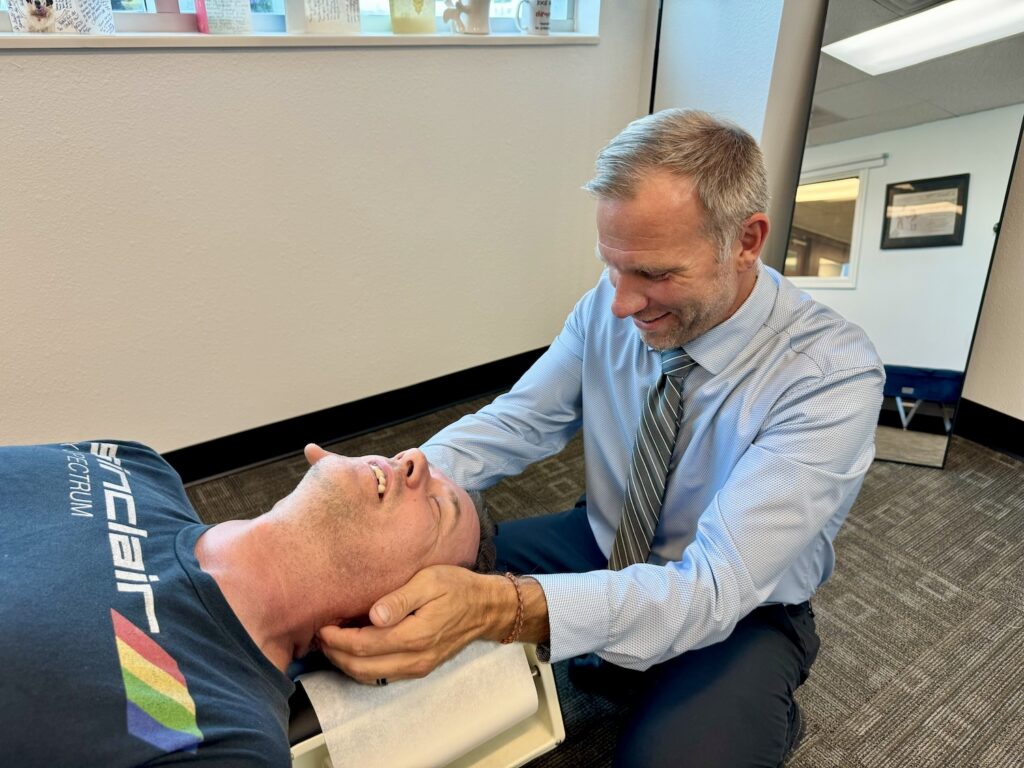
If you're experiencing neck injuries, I want to share some gentle techniques that can easily fit into your daily life for relief. As a chiropractor, I often recommend gentle neck stretches that can help improve flexibility and reduce stiffness. Incorporating heat therapy, such as warm compresses or heating pads, can also be incredibly soothing for tight muscles in your neck.
Additionally, practicing relaxation techniques, such as deep breathing or meditation, can help create a sense of calmness and reduce tension. It's important to pay attention to your posture as well; proper alignment can make a significant difference in how your body feels overall. While these strategies can greatly aid in your recovery, it's crucial to understand how to do them correctly for the best outcomes.
Have you considered optimizing these techniques? I'm here to guide you on how to implement these practices effectively, ensuring you get the maximum benefit from them on your path to healing.
Gentle Neck Stretches
As a local chiropractor, I want to share the benefits of gentle neck stretches, especially for those of you who may be unfamiliar with chiropractic care and natural healing methods. Incorporating these stretches into your routine can significantly support your recovery from neck injuries, improve flexibility, and alleviate tension.
First, find a comfortable and quiet space where you can concentrate on your movements. A relaxed environment will enhance your ability to perform these stretches effectively.
Let's start with a simple yet effective stretch: side-to-side head tilts. Gently tilt your head to the right, allowing your ear to move closer to your shoulder. Hold this position for about 15-30 seconds, and focus on feeling the stretch along the left side of your neck. Afterward, switch sides and repeat. This exercise is excellent for releasing tightness and promoting a greater range of motion in your neck.
Next, we'll do the chin tuck. Whether you're sitting or standing, keep your posture straight and slowly tuck your chin toward your chest. You should feel a mild stretch along the back of your neck. Hold this position for 15-30 seconds. The chin tuck is particularly beneficial for strengthening neck muscles and improving your posture, which can be compromised after an injury.
Another effective stretch is neck rotation. While you're sitting or standing, slowly turn your head to the right, aiming to align your chin with your shoulder. Hold this position for 15-30 seconds before turning to the left side. This stretch enhances mobility and can help reduce stiffness, which is crucial for your overall neck health.
Throughout these stretches, remember to breathe deeply and keep your shoulders relaxed. Pay attention to your body's signals; if you experience any pain, it's important to stop immediately.
By incorporating these gentle neck stretches into your daily routine, you can aid in your healing process and work towards restoring your neck's functionality.
As your chiropractor, I encourage you to embrace these natural healing practices. They can complement our treatment sessions and empower you on your journey to recovery.
Heat Therapy Applications
As a local chiropractor, I want to share with you the benefits of heat therapy in your recovery from neck injuries. This natural approach can provide significant relief from pain and tension. By applying heat to the affected area, you can enhance blood circulation, which aids in the healing process and helps alleviate stiffness.
Here are some effective heat therapy applications you can incorporate into your self-care routine:
- Warm Compresses: A simple yet effective method is to use a warm, damp cloth or a heating pad on your neck for about 15-20 minutes. This can help soothe muscle tightness and reduce discomfort.
- Hot Showers or Baths: Consider taking a hot shower or bath as a way to relax your neck and shoulders. The warm water works wonders in loosening tight muscles and can be a fantastic way to unwind after a busy day.
- Rice Bags: You can create a DIY heat pack by filling a clean sock with uncooked rice, tying it off, and microwaving it for about 30 seconds. This homemade rice bag can mold to the shape of your neck and retains heat, providing targeted relief.
- Heat Wraps: Over-the-counter heat wraps are another excellent option. They deliver consistent warmth for several hours, making them ideal for prolonged relief, especially when you're busy at work or on the go.
When using heat therapy, it's important to ensure that the temperature is comfortable and not too hot to prevent burns. You can repeat these applications throughout the day, but always listen to your body and adjust as necessary.
Keep in mind that heat therapy works best when combined with other gentle techniques, such as chiropractic adjustments and stretches. By incorporating these methods into your routine, you can promote healing and enhance your overall well-being.
Relaxation Techniques
As a local chiropractor, I want to share some valuable relaxation techniques that can significantly support your recovery from neck injuries. Integrating these methods into your daily life can help alleviate muscle tension, enhance circulation, and foster overall wellness.
One fundamental technique I recommend is deep breathing. This practice is simple yet effective. By taking slow, deep breaths, you can engage your body's natural relaxation response. Inhale deeply through your nose, allowing your abdomen to rise, and then exhale slowly through your mouth. I suggest dedicating a few minutes each day to this practice, as it can help relieve tension in your neck.
Progressive muscle relaxation is another excellent method to consider. This technique entails systematically tensing and then relaxing different muscle groups throughout your body. Start from your toes and gradually work your way up to your neck and shoulders. Tense each muscle group for a few seconds before letting go. This approach not only helps you identify areas of tension but also promotes a deep sense of calm.
Gentle stretching is also beneficial for your recovery process. Spend some time doing simple neck stretches, such as tilting your head side to side or gently rotating it. Just be sure to move gently and avoid any stretches that cause discomfort or pain.
Lastly, I encourage you to explore mindfulness meditation. Set aside a few quiet moments each day to sit comfortably, focus on your breath, and let go of any distracting thoughts. This practice can significantly reduce stress and enhance relaxation, both of which are crucial for your recovery journey.
Proper Posture Practices
As a local chiropractor, I want to emphasize the importance of maintaining proper posture to prevent and manage neck injuries. Good posture is essential for distributing weight evenly across your body, which helps reduce strain on both your neck and back. By being conscious of your posture throughout the day, you can significantly lower your risk of discomfort and injury.
Here are some key practices to consider:
- Head Alignment: It's crucial to keep your head aligned with your spine. Picture a straight line running from your ears to your shoulders. Avoid leaning your head forward or backward while sitting or standing, as this can lead to increased neck strain.
- Shoulder Position: Make it a habit to relax your shoulders, keeping them down and back. Tension in the shoulders can lead to neck pain, so I recommend checking in on your posture regularly to ensure your shoulders aren't creeping up towards your ears.
- Seating Arrangement: When you're seated, opt for a chair that provides support for your lower back. Your feet should rest flat on the floor, with your knees forming a 90-degree angle. This positioning helps maintain spinal alignment and minimizes neck strain.
- Screen Height: For those of you who work at a computer, it's important to ensure your screen is at eye level. This prevents you from having to bend your neck up or down to see it clearly. Adjust your chair or monitor as needed to achieve this optimal alignment.
By incorporating these practices into your daily routine, you can help protect your neck and overall spine health.
If you have any questions or would like to learn more about how chiropractic care can support your journey to better posture and pain relief, don't hesitate to reach out!
Mindful Breathing Exercises
As a local chiropractor, I want to share how incorporating mindful breathing exercises into your daily routine can significantly benefit your neck health and overall well-being. Many people may not realize the connection between breath and body tension. When you focus on your breath, you create a calming effect that can help release tension in your neck and shoulders.
To get started, find a comfortable seated position. Close your eyes and take a deep breath in through your nose, allowing your abdomen to expand fully. Hold that breath for a moment, and then exhale slowly through your mouth, visualizing the tension melting away with each breath.
It's essential to establish a steady rhythm while you breathe. Inhale for a count of four, hold for a count of four, and exhale for a count of six. This technique enhances oxygen flow to your muscles, promoting relaxation and alleviating stiffness in your neck.
As you practice, take note of how your neck feels with each breath. You may discover areas of tightness or discomfort; acknowledge these sensations without judgment.
To deepen this practice, visualize your breath traveling to the areas where you experience tension. Imagine each exhalation carrying away that tightness and stress. I recommend dedicating ten to fifteen minutes each day to these breathing exercises. With consistency, you'll likely notice a greater sense of relaxation in your neck and a decrease in overall stress levels.
Conclusion
As a local chiropractor, I want to share with you five soft techniques that can significantly aid in managing neck injuries. By incorporating gentle stretches into your daily routine, you can help reduce stiffness and improve mobility. Heat therapy is also an excellent way to soothe discomfort and promote blood flow to the injured area.
Focusing on relaxation is crucial; it helps to alleviate tension that may be contributing to your pain. Additionally, maintaining proper posture throughout your day is essential for supporting your neck health. Engaging in mindful breathing exercises can further enhance your overall well-being by reducing stress and promoting relaxation.
With consistent practice of these techniques, you'll likely notice improvements in your flexibility and comfort. I encourage you to start today and experience the positive changes in your neck. Remember, healing takes time, and I'm here to support you on your journey to wellness!