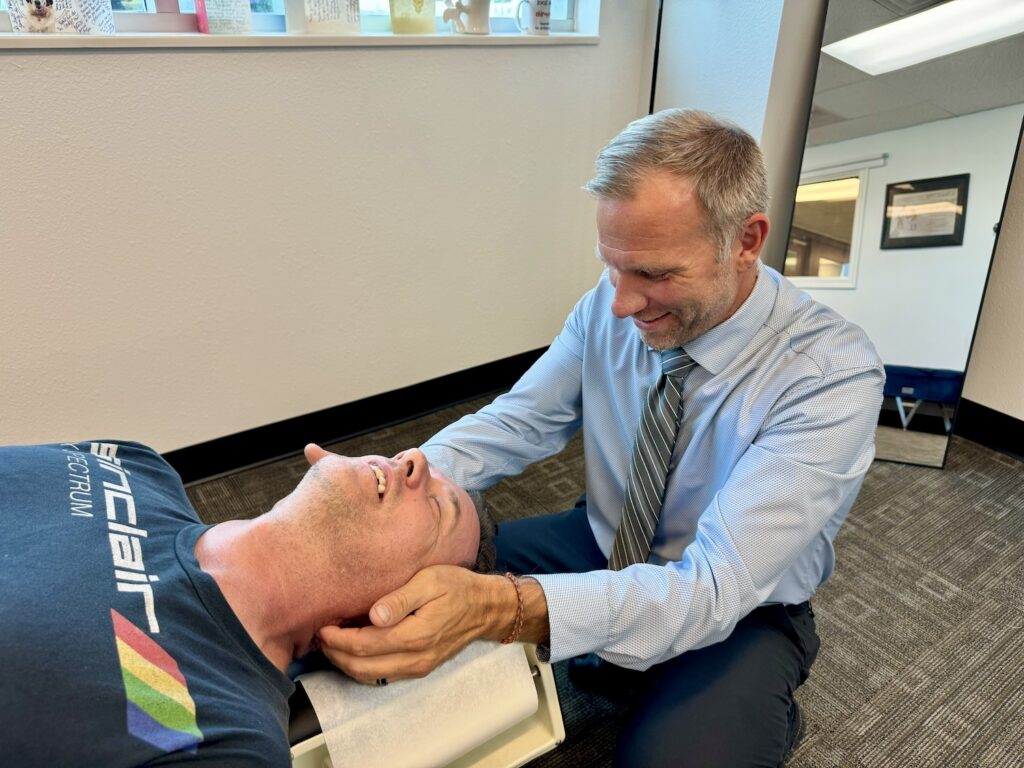
If you're experiencing a neck injury, I understand how challenging and painful that can be. As a local chiropractor, I want to help you explore effective, natural ways to find relief and promote healing. It's crucial to consider various techniques that not only ease your discomfort but also support your body's recovery process.
Incorporating adequate rest and proper nutrition can significantly impact your healing journey. Additionally, utilizing ice and heat therapy is a simple yet effective method to manage pain and inflammation. You might be surprised to learn how small adjustments in your posture or specific stretching exercises can positively influence your condition.
Let's delve deeper into these techniques together. You may find solutions that you haven't yet considered, and I'm here to guide you on this path to recovery through chiropractic care and holistic healing practices.
Rest and Recovery
As a local chiropractor, I want to emphasize the importance of rest and recovery when it comes to neck injuries. It's crucial for your body to have the time it needs to heal and repair damaged tissues. Pushing yourself too hard too soon can lead to complications that may prolong your discomfort.
To begin your healing process, I recommend minimizing activities that put strain on your neck, such as heavy lifting or intense exercise routines. Instead, allow yourself to rest and engage in gentle movements that improve circulation without aggravating the injury.
Creating a comfortable environment is essential for your recovery. You may want to adjust your workspace and sleeping arrangements to ensure your neck is properly supported. A supportive pillow can help alleviate pressure, while maintaining alignment of your head and neck during sleep is vital for healing.
If you find yourself sitting for long periods, remember to take breaks to stretch gently and change positions. It's important to listen to your body. If you experience discomfort, it's a signal that you need to allow yourself more time to rest.
Consider incorporating short naps during the day to help recharge and reduce tension in your neck. Maintaining a positive mindset is also helpful; focus on your recovery progress rather than the duration it may take.
Don't forget about the role of nutrition in your healing journey. Staying hydrated and consuming nutrient-rich foods will support your body's natural ability to recover.
If you have any questions about rest strategies or the timeline for your recovery, please feel free to consult me or another healthcare professional. Taking these steps won't only facilitate your healing but also set you up for a smoother return to your normal activities.
Ice and Heat Therapy
As a local chiropractor, I often see patients who are unfamiliar with the benefits of ice and heat therapy for managing neck injuries. These methods can truly be transformative in alleviating discomfort and promoting healing.
Ice therapy is an excellent first step for addressing inflammation and numbing painful areas. It works by constricting blood vessels, which helps reduce swelling and provides immediate relief from acute pain.
On the other hand, heat therapy can be incredibly beneficial when it comes to relaxing tight muscles and enhancing blood circulation. By applying heat, we encourage increased blood flow to the area, which helps in the healing process and eases stiffness.
Knowing when to use ice versus heat is crucial for your recovery. Typically, I recommend using ice for the first 24 to 48 hours after an injury and switching to heat as the pain begins to subside.
Understanding these techniques is a key part of your journey towards natural healing, and I'm here to guide you through it.
Benefits of Ice Therapy
As your local chiropractor, I'm here to share how ice therapy can be a valuable tool in providing relief for neck injuries. When you apply ice to your neck, it serves to reduce inflammation and numb the area, which can significantly ease pain and discomfort. This approach is particularly beneficial immediately following an injury or during flare-ups of pain.
The mechanism behind this is quite fascinating. Ice works by constricting blood vessels, which helps minimize swelling and slows down nerve impulses, ultimately leading to a significant decrease in how much pain you feel.
To effectively use ice therapy, I recommend wrapping ice packs in a towel and applying them to your neck for about 15-20 minutes at a time. It's essential to take breaks between sessions to protect your skin from damage. You can repeat this process several times a day, particularly when you feel discomfort.
In addition to alleviating pain, ice therapy also plays a role in reducing muscle spasms. The cold temperature can help relax tense muscles, promoting more comfortable movement.
Just a gentle reminder: please avoid placing ice directly on your skin to prevent frostbite.
Incorporating ice therapy into your self-care routine can offer quick relief and enhance your overall recovery process. When done correctly, it's a simple yet effective way to manage the symptoms associated with neck injuries and support your healing journey.
If you have any questions about how to implement this or other natural healing strategies, feel free to reach out during your next visit!
Advantages of Heat Therapy
As a local chiropractor, I often emphasize the importance of understanding various methods for pain relief and healing.
While ice therapy is well-known for its effectiveness in reducing inflammation and numbing pain, I want to highlight the unique advantages of heat therapy, especially for those dealing with neck injuries.
When you apply heat to the affected area, you stimulate blood flow, which is crucial for promoting healing and relaxation. This approach can be particularly beneficial if you're experiencing muscle tension or stiffness in your neck, as it works to alleviate discomfort in a natural way.
Let's explore some key benefits of heat therapy that I encourage my patients to consider:
- Increases Blood Circulation: Improved blood flow delivers essential nutrients to the injured tissues, aiding in recovery.
- Reduces Muscle Spasms: The warmth helps to relax tight muscles, offering relief from spasms and associated discomfort.
- Alleviates Pain: The soothing sensation of heat can help to dull pain signals, enhancing your overall comfort during recovery.
- Improves Flexibility: By relaxing both muscles and connective tissues, heat therapy can enhance your range of motion, which is vital for recovery.
- Supports Stress Relief: The gentle warmth can promote relaxation, helping to reduce stress and improve your overall well-being.
Incorporating heat therapy into your recovery routine can significantly expedite your healing process and enhance neck mobility.
It's a valuable tool that complements chiropractic care and natural healing practices. If you have any questions about how to effectively use heat therapy, feel free to ask during your next visit!
Gentle Stretching Exercises
As a local chiropractor, I want to emphasize the significance of gentle stretching exercises in your recovery from neck injuries.
These exercises are a crucial component of your healing journey. By incorporating specific techniques into your daily routine, you can enhance your flexibility and alleviate tension in your neck.
Understanding how often and how long to stretch is essential for achieving the best results.
Remember, gentle stretching not only supports your recovery but also promotes overall well-being.
If you have any questions or need personalized guidance, please feel free to reach out!
Importance of Stretching
As a local chiropractor, I want to emphasize the significant role that stretching plays in the relief of neck injuries and the enhancement of your overall mobility. Incorporating gentle stretching into your daily routine can be a powerful tool in alleviating tension, improving blood circulation, and promoting healing in the affected areas.
It's crucial to listen to your body and avoid pushing yourself too hard to prevent exacerbating any injuries.
Here are some important benefits of stretching that I encourage my patients to consider for neck injury relief:
- Reduces Muscle Tension: Through gentle stretches, you can relax tight muscles and ease discomfort, which is often a major contributor to neck pain.
- Improves Flexibility: Consistent stretching increases your range of motion, making it easier to perform daily activities without pain or stiffness.
- Enhances Posture: Stretching can help counteract the negative effects of poor posture, a common issue that often leads to neck pain and discomfort.
- Promotes Relaxation: Taking a few moments to stretch can significantly reduce stress, both physically and mentally, helping you feel more balanced and at ease.
- Boosts Recovery: Engaging in light stretching not only aids in your healing process but can also help prevent future injuries by keeping your muscles and joints flexible.
I encourage all my patients to incorporate stretching into their daily routines as part of a holistic approach to health and wellness.
If you have any questions or need guidance on specific stretches that may benefit your neck injury, please feel free to reach out. Together, we can work towards your recovery and overall well-being.
Recommended Stretching Techniques
As a local chiropractor, I want to emphasize the importance of incorporating effective stretching techniques into your daily routine, especially for those dealing with neck injuries.
Let's start with some gentle neck tilts. Simply lean your head towards one shoulder, hold for a few seconds, and then switch sides. This simple movement helps to lengthen the muscles along the sides of your neck, promoting better flexibility.
Next, I recommend trying chin tucks. This exercise is performed by pulling your chin inward toward your chest as if you're creating a double chin. Hold that position for a few seconds. Chin tucks are excellent for strengthening your neck muscles and enhancing your posture, which is crucial for overall spinal health.
Another beneficial technique is neck rotations. Slowly turn your head to one side until you feel a mild stretch, hold it there, and then rotate to the opposite side. Remember to execute these movements in a slow and controlled manner to avoid any strain.
Don't overlook the importance of shoulder rolls! Lift your shoulders toward your ears, roll them back, and then gently lower them down. This simple action can significantly relieve tension in your upper body, which is often a contributing factor to neck discomfort.
For all these stretches, aim to hold each position for about 15-30 seconds while breathing deeply. It's essential to listen to your body during these exercises; if you experience any pain, please ease off and find a comfortable range of motion.
Consistency is crucial, so I encourage you to make these stretches a regular part of your day. By doing so, you can experience maximum relief and support your overall healing process.
As always, I'm here to assist you on your journey to better health!
Frequency and Duration
As your local chiropractor, I want to emphasize the importance of establishing a consistent routine for your neck stretches. This practice is crucial for achieving optimal relief and promoting healing in your neck area.
To truly maximize the benefits of these stretches, we need to focus on two key aspects: frequency and duration.
I recommend incorporating gentle stretching exercises into your routine at least 3 to 5 times a week. This frequency allows your neck muscles to gradually adapt, strengthening them over time.
Here are some practical tips to help you seamlessly integrate stretching into your daily life:
- Set a Schedule: Choose specific times during the day to dedicate to your stretches. Making it a non-negotiable part of your daily habits will help you stay committed.
- Keep It Short: Each stretching session should ideally last about 5 to 10 minutes. This duration isn't only manageable but also effective in providing relief.
- Listen to Your Body: Pay attention to how your body responds. If you experience any pain or discomfort, it's essential to adjust the intensity or duration of your stretches. Your comfort should always come first.
- Stay Consistent: Consistency is vital in any healing process. Try to make stretching a part of your morning or evening routine to help build this healthy habit.
- Combine with Relaxation: To enhance the benefits of your stretches, consider pairing them with deep breathing exercises or meditation. This combination can significantly increase your relaxation and overall well-being.
By following these guidelines, you can effectively support your neck health and experience the natural healing benefits chiropractic care offers.
Posture Correction Techniques
As a local chiropractor, I want to help you understand how improving your posture can significantly alleviate neck pain and tension. By maintaining proper posture, you can reduce the strain on your neck muscles, allowing them to relax and heal effectively. Here are some straightforward posture correction techniques that you can easily incorporate into your daily routine.
First and foremost, it's essential to be mindful of your sitting position. Ensure that your feet are flat on the floor and your knees are at a right angle. Keep your back straight and your shoulders relaxed to avoid slumping or leaning forward.
If you spend significant time at a desk, I recommend using an ergonomic chair that supports your lower back, as this can make a big difference in your comfort and posture.
When it comes to using electronic devices, aim to hold them at eye level. This simple adjustment prevents you from craning your neck downwards or tilting it awkwardly, both of which can lead to discomfort.
Additionally, don't forget to take regular breaks to stretch your neck and shoulders. These stretches are crucial in alleviating the tension that often builds up from prolonged screen time.
Strengthening your neck and upper back muscles is also beneficial. Incorporating simple exercises like chin tucks, shoulder shrugs, and wall angels into your routine can improve muscle support and promote better posture.
I encourage you to set reminders throughout the day to check in on your posture and make necessary adjustments.
Lastly, when standing, make sure to distribute your weight evenly on both feet and keep your shoulders back. This not only supports your neck but also enhances your overall body alignment.
Massage Therapy
As a local chiropractor, I want to share how incorporating massage therapy into your wellness routine can be a powerful ally in alleviating neck pain and tension. Beyond just addressing physical discomfort, massage therapy plays a crucial role in reducing stress and promoting overall relaxation. By utilizing various techniques, it effectively targets tight muscles, enhances circulation, and supports the healing process in the neck region.
Here are some compelling reasons to consider integrating massage therapy into your self-care regimen:
- Relief from Muscle Tension: Experienced massage therapists can skillfully release knots and tightness in your neck muscles, leading to improved mobility and comfort.
- Increased Blood Flow: Massage therapy boosts circulation, ensuring that oxygen and vital nutrients reach the affected areas, which significantly aids in recovery.
- Pain Reduction: Regular massage sessions have been shown to lower pain levels, making your daily activities feel more manageable and enjoyable.
- Stress Relief: The calming effects of massage therapy can help quiet the mind, reducing the overall stress that may contribute to neck discomfort.
- Improved Range of Motion: By loosening tight muscles, massage can help restore flexibility, allowing you to move your head more freely without discomfort.
Whether you opt for deep tissue, Swedish, or trigger point therapy, it's essential to work with a qualified massage therapist who understands how to treat neck injuries effectively.
Be sure to communicate your specific needs and any areas of concern, so they can customize the treatment to fit your individual situation.
By making massage therapy a regular part of your health and wellness routine, you may find significant improvements in your neck health both in the short and long term.
Physical Therapy
Chiropractic care plays a vital role in the recovery process for individuals dealing with neck injuries. It focuses on restoring your strength, flexibility, and overall function through natural healing methods.
When you first visit a chiropractor, they'll conduct a thorough assessment of your condition and create a personalized treatment plan specifically designed for your needs. This plan often includes spinal adjustments, exercises, and stretches to enhance your range of motion and alleviate pain.
Initially, your chiropractor may guide you through gentle adjustments and movements aimed at improving mobility. As you progress, they'll introduce more advanced techniques to strengthen the muscles that support your neck. Consistency is key; attending your chiropractic sessions regularly and practicing recommended exercises at home can significantly accelerate your recovery.
In addition to manual adjustments, your chiropractor may incorporate various modalities such as heat, ice, or electrical stimulation to promote healing and provide relief. These methods can help reduce inflammation and pain, making it easier for you to engage in your rehabilitation journey.
Open communication with your chiropractor is essential for effective treatment. Don't hesitate to express any discomfort or concerns during your appointments. They can modify your treatment plan to ensure that you feel comfortable and are making strides towards recovery.
Ultimately, chiropractic care empowers you to take charge of your healing process. With dedication and the right guidance, you can regain the strength and mobility that may have been lost due to your neck injury.
Embrace the journey, and you'll be well on your way to feeling better and returning to your everyday activities.
Pain Relief Medications
If you're dealing with neck injuries, understanding your pain relief options is crucial for managing discomfort and supporting your recovery. As a chiropractor, I want to help you navigate the various pain relief medications available, while also emphasizing the importance of natural healing methods.
Here are some common types of pain relief medications you might encounter:
- Nonsteroidal Anti-Inflammatory Drugs (NSAIDs): These medications are often recommended for reducing inflammation and relieving pain, making them a popular choice for those with neck injuries. However, they can come with side effects if used long-term.
- Acetaminophen: This is typically used for mild to moderate pain and can be a suitable alternative if NSAIDs aren't appropriate for you. It's important to use it as directed to avoid potential liver issues.
- Muscle Relaxants: If you're experiencing muscle spasms in your neck, a healthcare provider may prescribe muscle relaxants. While they can provide temporary relief, they don't address the underlying issues.
- Topical Analgesics: These creams or patches can be applied directly to the skin, targeting localized pain without affecting your entire system. They can be a great adjunct to other treatments.
- Prescription Pain Relievers: For severe pain that doesn't respond to other treatments, stronger medications may be prescribed. However, it's essential to be cautious with these, as they can be habit-forming.
Before starting any medication, I encourage you to consult with your healthcare provider or chiropractor. Together, we can discuss the best approach tailored to your unique situation, considering your health history and the severity of your injury.
While medications can certainly help manage pain, I advocate for a holistic approach that includes chiropractic care, physical therapy, and natural healing methods.
These can be instrumental in not only alleviating pain but also promoting long-term wellness and preventing future injuries. Remember, your body has an incredible capacity to heal itself when given the right support!
Conclusion
As a local chiropractor, I want to share some effective techniques that can significantly aid your recovery from a neck injury. It's essential to prioritize rest during your healing process. Utilizing ice and heat therapy can also be beneficial in alleviating pain and reducing inflammation. Gentle stretches are a fantastic way to promote mobility and encourage healing in the neck area.
It's crucial to pay attention to your posture and make ergonomic adjustments in your workspace or home environment, as these practices can help prevent further issues down the line. Additionally, exploring options like massage therapy and physical therapy can provide you with added relief and support your recovery journey.
If you're experiencing persistent pain, consulting with your healthcare provider about appropriate pain relief medications might be a good step. Remember, taking an active role in your recovery is vital, and together, we can work towards helping you feel your best again!