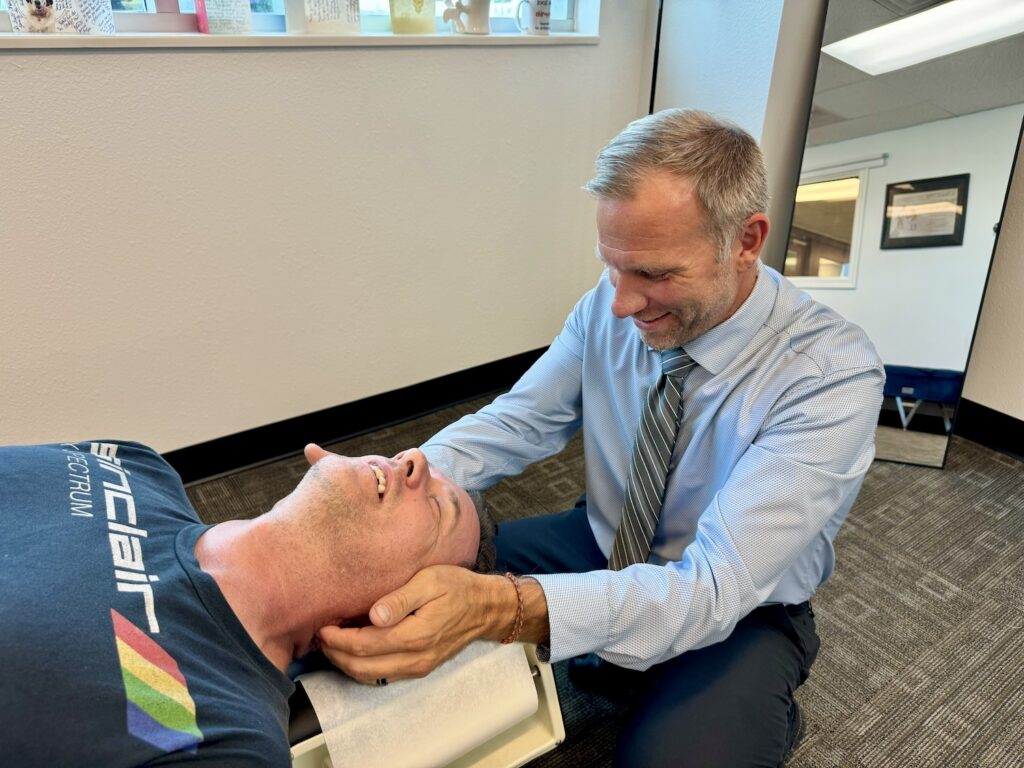
If you're experiencing sports-related back pain, know that you're not alone, and there are effective ways to find relief. As a local chiropractor, I want to emphasize the importance of understanding your pain and addressing it through natural healing techniques. By incorporating a few simple strategies into your daily routine, you can alleviate discomfort and even enhance your athletic performance.
Many of my patients have found that making straightforward adjustments in their lifestyle can lead to significant benefits over time. So, what are the key steps you can take to regain control of your active lifestyle? Let's explore some essential tips that can transform your approach to training and help you feel your best. Remember, chiropractic care focuses on promoting overall health and well-being, and I'm here to guide you on this journey.
Understand Your Pain
As a local chiropractor dedicated to helping you achieve optimal health, it's important to understand the nature of your sports-related back pain. Back pain can arise from various factors, such as muscle strains, ligament sprains, or even herniated discs. Your body is an excellent communicator; it provides vital clues about your condition.
Take a moment to reflect on when your pain began and the activities that may have triggered it. Did you perhaps push your limits during a recent game or training session?
Recognizing the type of pain you're experiencing is crucial for effective treatment. Is it a sharp, shooting pain, or is it more of a dull ache? Sharp pain could indicate a more significant issue that may require immediate attention, while dull pain often results from muscle fatigue or overuse.
Additionally, be aware of any sensations that radiate down your legs, as these could signify nerve involvement and necessitate further evaluation.
Another key aspect to consider is your posture and technique while engaging in sports. Improper form can place excessive stress on your back, potentially leading to discomfort. Take time to assess how you move in your sport; are you twisting or bending in ways that could jeopardize your spinal health?
Lastly, let's not underestimate the power of rest in your recovery journey. Your body needs adequate time to heal, so if you're pushing through the pain, you risk exacerbating your condition.
Listening to your body is paramount; acknowledging pain and addressing it promptly is essential for your well-being. By understanding your pain and its triggers, you'll be better prepared to seek the appropriate care and prevent future issues.
As your chiropractor, I'm here to guide you towards relief and a healthier, pain-free lifestyle.
Proper Warm-Up Techniques
As a local chiropractor, I want to emphasize the importance of proper warm-up techniques to help prevent back pain. Before engaging in any physical activity, it's crucial to prepare your body.
Dynamic stretching is a fantastic way to get your muscles ready and increase blood flow to the areas that will be working hard. Additionally, gradually increasing the intensity of your workout can significantly reduce the risk of injury.
By incorporating these warm-up practices, you not only set yourself up for a more effective workout but also promote overall spinal health.
Dynamic Stretching Importance
As a local chiropractor, I want to emphasize the importance of dynamic stretching in preparing your body for physical activity and preventing sports-related back pain.
Many people may not realize that incorporating these stretches into your warm-up routine can significantly enhance your overall performance while reducing the risk of injury.
Here are four effective dynamic stretches that I recommend:
- Leg Swings: Find a wall or sturdy surface for support and gently swing one leg forward and backward. This movement is fantastic for loosening up your hip joints and lower back, which are crucial for a healthy range of motion.
- Torso Twists: Stand with your feet shoulder-width apart and rotate your torso from side to side. This exercise not only engages your core but also warms up your spine, helping to maintain flexibility and prevent discomfort.
- Walking Lunges: Step forward into a lunge position, alternating legs as you progress. This dynamic stretch effectively targets your hips, quads, and glutes, ensuring that these muscle groups are adequately prepared for the demands of your activity.
- High Knees: While jogging in place, lift your knees towards your chest. This movement elevates your heart rate and activates key muscle groups in your lower body, setting a vigorous tone for your workout.
Integrating these dynamic stretches into your warm-up routine can make a substantial difference in reducing your chances of experiencing back pain during sports or physical activities.
Remember, taking this important step can help you stay active and pain-free.
If you have any questions about stretching or how chiropractic care can support your physical health, feel free to reach out!
Gradual Intensity Increase
As a local chiropractor, I want to emphasize the importance of a gradual increase in intensity during your warm-up to prepare your body for physical activity and reduce the risk of injury.
Starting with gentle aerobic exercises, such as brisk walking or cycling for about 5 to 10 minutes, is an excellent way to get your heart rate up and warm your muscles. This makes them more flexible and ready for movement.
Once you feel your blood circulating, it's beneficial to incorporate dynamic stretches that mimic the movements of your sport. Think about leg swings, arm circles, and torso twists. These stretches not only enhance your flexibility but also help improve your range of motion.
As you continue, gradually increase the intensity of these stretches to further prepare your body. It's crucial to focus on major muscle groups, especially the back, which plays a vital role in almost all physical activities. You want your muscles to feel engaged but not overworked at this stage.
To wrap up your warm-up, include sport-specific drills at a slower pace. This approach helps you not only physically prepare but also mentally gear up for the activity ahead.
Strengthening Core Muscles
As a local chiropractor, I want to emphasize the importance of strengthening your core muscles for both preventing and alleviating sports-related back pain. A robust core provides essential support to your spine and improves your posture, which in turn reduces the strain on your back during physical activities.
By focusing on your core strength, you can't only enhance your overall athletic performance but also minimize your risk of injury.
Here are four effective exercises that I often recommend to my patients for building core strength:
- Plank: Begin in a push-up position, balancing your weight on your forearms and toes. Ensure your body is straight while engaging your abdominal muscles and glutes. Aim to hold this position for 30 to 60 seconds, gradually increasing the duration as you become stronger.
- Russian Twists: Sit on the floor with your knees bent and feet flat on the ground. Lean back slightly while maintaining a straight back. Hold a weight or a medicine ball with both hands, and twist your torso to the right and then to the left, actively engaging your core throughout the exercise.
- Bird-Dog: Start on your hands and knees, ensuring your wrists are aligned under your shoulders and your knees under your hips. Simultaneously extend your right arm forward and your left leg back. Hold this position briefly, then switch sides. This exercise helps promote balance and stability, which are crucial for overall spinal health.
- Dead Bug: Lie on your back with your arms extended toward the ceiling and your knees bent at a 90-degree angle. Slowly lower your right arm and left leg toward the floor, then return to the starting position. Alternate sides while keeping your core engaged throughout the movement.
Incorporating these exercises into your regular routine can significantly strengthen your core, alleviating back pain and enhancing your sports performance.
If you have any questions about these exercises or how they relate to your overall health and wellness, please feel free to reach out during your next visit. Your journey to better health is important to me!
Stretching and Flexibility Exercises
As a local chiropractor, I want to emphasize how incorporating stretching and flexibility exercises into your routine can significantly alleviate sports-related back pain. These exercises not only improve your range of motion but also reduce muscle tension and enhance overall mobility. This means you can engage in your favorite activities with greater ease and less discomfort.
To start, I recommend gentle stretches that target your back, hips, and legs. One of my favorites is the cat-cow stretch. Position yourself on all fours, and alternate between arching your back and allowing it to sag. Hold each position for a few seconds to really loosen your spine.
Another beneficial stretch is the seated forward bend; while seated, extend your legs straight in front of you and reach for your toes, which will help stretch your lower back and hamstrings.
In addition to these static stretches, dynamic stretches like torso twists can be incredibly effective as well. Stand with your feet shoulder-width apart and gently twist your upper body from side to side. This movement not only warms up your back but also increases flexibility and prepares your body for more activity.
Don't overlook hip flexor stretches, such as the lunge stretch, as they play a vital role in opening up your hips and reducing strain on your lower back.
I recommend incorporating these stretches into your routine at least three times a week. Always listen to your body and avoid pushing into pain. As you become more flexible, you may find a decrease in back pain, which will allow you to enjoy sports and physical activities more comfortably.
Use Ergonomic Equipment
As a local chiropractor, I often see patients struggling with back pain related to their sports and daily activities. One of the most effective ways to alleviate this discomfort is by using ergonomic equipment. By making thoughtful choices about the gear you use, you can't only enhance your performance but also protect your back.
Here's how to create a more comfortable and pain-free sports experience.
- Ergonomic Sports Shoes: It's vital to invest in shoes that offer proper arch support and cushioning. These shoes can absorb shock effectively, significantly reducing the stress on your spine during high-impact activities.
- Supportive Backpacks: For those who carry sports gear, I recommend choosing a backpack with padded straps and a hip belt. This design helps distribute weight evenly across your body, thereby minimizing strain on your back.
- Adjustable Sports Equipment: Regardless of whether you're playing tennis or cycling, opt for equipment that allows you to adjust settings to fit your body size. Proper posture and alignment are essential for preventing injuries, and adjustable gear ensures you maintain them.
- High-Quality Yoga Mats: If yoga or stretching is part of your routine, invest in a thick, non-slip mat. This will provide the necessary cushioning for your spine, preventing unnecessary strain during your poses.
By prioritizing ergonomic equipment, you're not just improving your athletic performance; you're also taking significant steps to protect your back health.
Making these adjustments can lead to a noticeable increase in your comfort levels, allowing you to fully enjoy your favorite sports without the distraction of back pain.
Apply Heat and Cold Therapy
As a local chiropractor, I want to share some valuable insights about managing sports-related back pain through natural healing techniques, specifically heat and cold therapy. Understanding these methods can be instrumental in your recovery process and overall well-being.
Let's start with cold therapy, which is particularly effective within the first 48 hours following an injury. Applying ice packs can significantly reduce inflammation and numb any sharp pain you might be experiencing. To do this safely, wrap a cold pack in a cloth and gently place it on the affected area for about 15-20 minutes.
It's important to take breaks between sessions to prevent frostbite on your skin. Cold therapy is especially beneficial right after you've engaged in strenuous activity or when you first notice discomfort.
Once the initial inflammation begins to decrease, it's time to transition to heat therapy. Heat can work wonders by relaxing tense muscles and enhancing blood flow, both of which are crucial for healing. You can utilize a heating pad, a warm towel, or even indulge in a warm bath.
Apply heat for the same duration of 15-20 minutes, but please be cautious not to fall asleep with a heating pad in place, as this can lead to burns.
Another effective approach is to alternate between heat and cold therapy. This combination can greatly enhance your recovery journey. For example, you might start with cold therapy to tackle swelling and then follow up with heat to relax your muscles.
Always listen to your body; if one method feels more effective for you, it's perfectly fine to focus on that. By incorporating these simple yet powerful techniques into your routine, you can significantly alleviate back pain and quickly return to the sports activities you love.
Seek Professional Help
As a local chiropractor, I want to emphasize the importance of seeking professional help when it comes to sports-related back pain, especially if at-home treatments aren't bringing relief. Ignoring persistent discomfort can lead to more serious complications down the road. My role is to provide a thorough diagnosis and develop a personalized treatment plan that caters to your unique needs.
When you come to see me, you can expect the following benefits:
- Comprehensive Diagnosis: I'll conduct a detailed assessment to identify the root cause of your pain, whether it's due to muscle strain, ligament injury, or another underlying condition. Understanding the source is crucial for effective treatment.
- Customized Treatment Options: As a chiropractor, I offer targeted therapies that may include spinal adjustments, physical therapy exercises, and lifestyle modifications. These approaches can often provide more effective relief compared to general home remedies.
- Preventative Care: I'll teach you exercises and techniques designed to strengthen your back and enhance your posture. This knowledge can help you minimize the risk of future injuries and maintain optimal spinal health.
- Natural Pain Management: If needed, I can assist with natural pain relief strategies that may include adjustments, soft tissue work, and ergonomic recommendations, allowing you to return to the activities you love without the burden of pain.
Don't hesitate to reach out for support. As your chiropractor, I'm here to guide you through the recovery process, helping you regain strength and mobility in a safe and effective manner.
Conclusion
As a local chiropractor, I want to reassure you that managing sports-related back pain doesn't have to be a daunting task. It's important to first understand the nature of your pain and how it relates to your activity. By incorporating proper warm-ups, core strengthening, and flexibility exercises into your routine, you can significantly alleviate discomfort.
Investing in ergonomic equipment can also make a world of difference in your daily activities and sports performance. Additionally, using heat and cold therapy can provide effective relief for sore muscles and inflammation.
Always remember to listen to your body. If pain persists, it's crucial to seek professional help. As a chiropractor, I can offer you personalized care and guidance to help you manage your back pain naturally. With these tips and the right support, you can continue to enjoy your favorite activities while keeping your back healthy and strong.