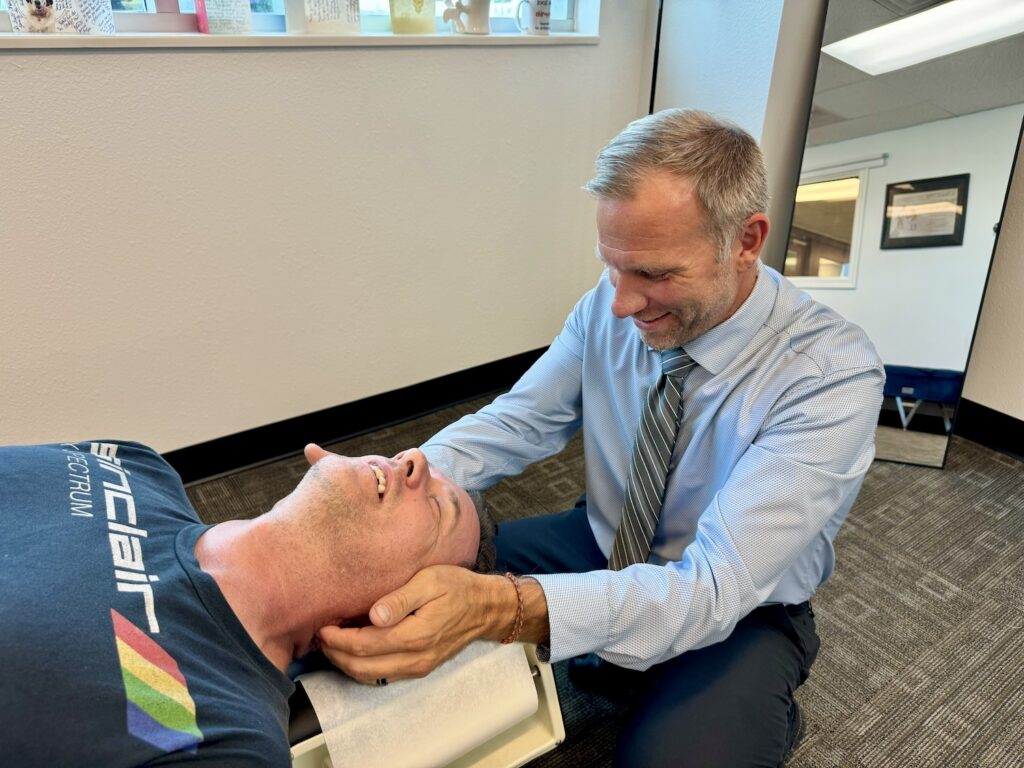
If you're experiencing neck pain, please know that you're not alone in this struggle. As a local chiropractor, I understand how crucial it is to find effective relief for your daily comfort. I encourage you to explore several soothing techniques that can help alleviate your discomfort and promote healing naturally.
From gentle stretches to mindful practices, each of these methods offers unique benefits tailored to support different aspects of your recovery journey. You may be wondering which techniques are the most effective and how to seamlessly incorporate them into your daily routine. I'm here to guide you through each approach, as they could significantly enhance your neck health and overall well-being. Together, we can navigate these options to find what works best for you and your lifestyle.
Gentle Neck Stretches
As a local chiropractor, I want to share with you some gentle neck stretches that can provide significant relief from tension and discomfort. Incorporating these stretches into your daily routine can greatly alleviate stiffness and improve your overall range of motion.
It's important to start by sitting or standing comfortably, ensuring your back is straight to promote proper alignment.
Let's begin with a basic neck tilt. Slowly tilt your head to the right, bringing your ear toward your shoulder. Hold this position for 15-30 seconds and focus on the gentle stretch along the left side of your neck. Afterward, switch sides and repeat. This simple movement is effective in easing tightness and promoting relaxation in the neck area.
Next, I recommend trying a neck rotation. Gradually turn your head to the right, looking over your shoulder. Hold this position for 15-30 seconds, then return to the center and turn to the left. This exercise is excellent for enhancing flexibility and reducing tension in your neck muscles, which can often become tight due to daily activities.
Another beneficial exercise is the chin tuck. While sitting or standing upright, gently draw your chin in toward your chest without tilting your head down. Hold this position for a few seconds, then release. This stretch not only strengthens the neck muscles but also helps counteract the forward head posture many of us develop from prolonged screen time.
Finally, don't forget to incorporate shoulder rolls into your routine. Lift your shoulders toward your ears, then roll them back and down. Repeat this motion several times to help relieve tension in your upper back and neck.
These stretches can play a crucial role in your overall wellness, and I encourage you to integrate them into your daily life for better neck health.
If you have any questions or need further guidance, feel free to reach out during your next visit. Your well-being is our priority!
Heat Therapy Applications
As a local chiropractor, I want to share with you the benefits of heat therapy for alleviating neck pain and promoting healing. When you apply heat to your neck, it increases blood flow to the affected area, delivering vital nutrients and oxygen while helping to reduce stiffness. There are several effective methods to incorporate heat therapy into your self-care routine.
One of the most accessible options is a heating pad. Simply plug it in, adjust the temperature to a comfortable setting, and place it on your neck for about 15 to 20 minutes. It's important to use a thin cloth between the heating pad and your skin to prevent burns.
If you don't have a heating pad on hand, a warm towel can be an excellent alternative. Just soak a towel in hot water, wring it out, and wrap it around your neck to experience similar soothing effects.
Taking a warm shower or bath is another effective way to apply heat therapy. The warmth from the water can help relax tight muscles and relieve discomfort. Just be sure to keep the water warm, but not scalding, to ensure your safety.
If you're looking for something portable, a hot water bottle can be a great solution. Fill it with warm water and place it on your neck for targeted relief wherever you may be.
For a more convenient and long-lasting heat source, consider microwaveable heat packs. They're easy to use and can be reheated multiple times. Just make sure to follow the heating instructions carefully to avoid overheating.
Incorporating heat therapy into your routine can be a valuable part of your journey to better neck health. If you have any questions or would like to learn more about how chiropractic care can complement your healing process, feel free to reach out!
Cold Compress Benefits
As a local chiropractor, I want to share with you the incredible benefits of using cold compress therapy for neck pain. This simple yet effective method can significantly alleviate discomfort and support your recovery process. Cold therapy works by constricting blood vessels, which helps reduce inflammation and numb the affected area, providing you with immediate relief.
Here are some key benefits of incorporating a cold compress into your treatment for a neck injury:
- Reduces inflammation: Cold therapy is excellent for minimizing swelling, which can help you regain your range of motion.
- Alleviates pain: The numbing effect of cold can provide swift relief from sharp or throbbing sensations.
- Improves mobility: By alleviating stiffness, you'll find that daily activities become easier to manage.
- Prevents further injury: By reducing inflammation and pain, you're less likely to compensate for your discomfort, which can lead to additional injuries.
- Promotes quick recovery: Regular application of cold compresses can enhance healing by improving blood flow once the cold is removed.
To apply a cold compress effectively, simply wrap ice or a cold pack in a towel and place it on your neck for 15-20 minutes. It's important to take breaks between sessions to prevent skin damage. You can repeat this process several times a day, especially within the first 48 hours following your injury.
By incorporating cold compress therapy into your routine, you can manage neck pain effectively and naturally. Understanding the benefits and proper application of this technique empowers you to take control of your recovery journey.
As your chiropractor, I'm here to help you feel your best and support you through this process.
Massage Techniques for Relief
As a local chiropractor, I want to share with you the powerful benefits of massage techniques for relieving neck pain and tension. Incorporating massage into your healing routine can provide not only immediate relief but also promote long-term recovery. Here are some effective techniques you can easily try at home.
Begin with gentle kneading. Using your fingers or palms, apply light pressure to the muscles on either side of your neck. Move in circular motions and gradually increase the pressure as you become more comfortable. This technique helps warm up the muscles and improve blood flow, which can significantly reduce stiffness.
Next, consider the pinching technique. With your thumb and index finger, gently pinch the muscle along your neck. Hold for a few seconds before releasing. This method is particularly effective in targeting knots and tight areas, breaking up tension and promoting relaxation.
Stretching strokes are another beneficial technique. Glide your hands from the base of your skull down to your shoulders, applying gentle pressure at a slow, steady pace. This technique not only fosters relaxation but also eases muscle tightness, enhancing your overall well-being.
If you have a foam roller or massage ball, these tools can be excellent additions to your routine. Place them against a wall and lean into them, targeting any sore spots along your neck. Gently roll over the area to massage it, allowing the pressure to penetrate and relieve tension.
Lastly, I encourage you to focus on your breathing while you massage. Deep, slow breaths can enhance the relaxation effect, helping you release tension more effectively.
Remember, consistency is essential. Regular massage can lead to lasting relief and improved mobility in your neck, complementing the benefits of chiropractic care.
Posture Correction Strategies
As a local chiropractor, I want to emphasize the importance of maintaining good posture to alleviate neck pain.
It's crucial to create an ergonomic workspace that not only supports your body but also promotes proper alignment. This means adjusting your chair, desk, and computer screen to ensure that you're sitting comfortably and correctly.
In addition to your workspace setup, I encourage you to practice mindful sitting techniques.
Being aware of how you position your body throughout the day can significantly reduce strain on your neck, leading to improved comfort and overall well-being.
Ergonomic Workspace Setup
As your local chiropractor, I want to emphasize the importance of a well-organized workspace in reducing neck strain and enhancing your overall comfort while working. An ergonomically designed workspace can help you maintain better posture and prevent injuries, which is crucial for your spinal health.
Here are some essential tips to consider for your workspace setup:
- Monitor Height: It's vital to position your monitor so that the top of the screen is at or just below your eye level. This can help you avoid tilting your neck forward, which is a common cause of strain.
- Chair Support: Choose a chair that supports the natural curve of your spine. Your feet should be flat on the floor, which helps distribute your weight evenly and reduces pressure on your back.
- Keyboard Position: Ensure your keyboard is at elbow height. This prevents you from straining your neck and wrists while typing, which can lead to discomfort over time.
- Document Holder: Utilize a document holder next to your monitor to keep your papers at eye level. This minimizes the need to look down, reducing neck strain significantly.
- Frequent Breaks: It's essential to take regular breaks. Set a timer to remind yourself to stretch and move every hour. This simple practice can relieve built-up tension and promote better circulation.
By implementing these strategies, you can make a significant improvement in your comfort and productivity. An ergonomically sound workspace not only protects your neck from unnecessary strain but also supports your overall well-being.
Take a moment to evaluate and adjust your setup, and you'll likely notice positive changes in how you feel while working. Remember, your spine health is important, and making these adjustments can be a step towards better care.
Mindful Sitting Practices
As a local chiropractor, I want to help you understand how mindful sitting practices can greatly improve your comfort and overall health. Many of us spend long hours sitting, which can lead to poor posture and discomfort. However, by becoming more aware of your body and its relationship with your chair, you can make a significant difference.
Start by ensuring your feet are flat on the ground, and your knees are bent at a 90-degree angle. If necessary, adjust the height of your chair to achieve this position, as it promotes better alignment of your body.
Next, it's important to engage your core muscles to support your spine. Keep your back straight and shoulders relaxed. Avoid the common tendency to slouch or lean forward, as this can strain your back over time. You might find it helpful to use a small cushion or rolled towel in the small of your back to encourage proper spinal alignment.
Don't forget about your neck! Keeping your head aligned with your spine is crucial. Avoid craning your neck forward; instead, position your computer screen at eye level to minimize any potential strain.
Remember to take regular breaks. Stand up, stretch, and move around periodically. These breaks not only refresh your body but also reinforce healthy posture habits.
Finally, integrating deep breathing exercises into your routine can enhance relaxation and help reduce tension. By adopting these mindful sitting practices, you can create a more comfortable and supportive environment for your neck and spine, ultimately promoting better health and well-being.
If you have any questions about how chiropractic care can further support your journey to better posture and comfort, feel free to reach out!
Mindfulness and Relaxation
As a local chiropractor, I often see patients struggling with neck pain and tension. One of the most effective ways to manage this discomfort is through mindfulness and relaxation techniques. These practices not only help alleviate pain but also contribute to overall well-being.
Here are some simple techniques you can incorporate into your daily life:
- Deep Breathing: Start by focusing on your breath. Inhale deeply through your nose, then exhale slowly through your mouth. This technique calms your nervous system and helps reduce stress, both of which can contribute to neck pain.
- Guided Imagery: Picture a serene setting, like a quiet beach or a tranquil forest. Engaging your mind in this way can distract from discomfort and encourage relaxation, allowing your body to release tension.
- Progressive Muscle Relaxation: Try tensing and then relaxing each muscle group, beginning with your toes and moving up to your neck. This method helps you identify where you're holding tension and effectively releases it.
- Mindful Meditation: Spend a few minutes each day sitting quietly, focusing on your breath or repeating a calming mantra. This practice can help center your thoughts and diminish anxiety, which often exacerbates neck pain.
- Gentle Stretching: While practicing mindfulness, don't forget to include gentle neck stretches. This not only increases your awareness of where you're holding tension but also aids in releasing it effectively.
By incorporating these techniques into your routine, you can enhance your healing journey and improve your overall quality of life.
Physical Therapy Exercises
As a local chiropractor, I want to emphasize the importance of incorporating physical therapy exercises into your routine, especially if you're recovering from neck injuries. These exercises are crucial for strengthening, stretching, and improving mobility in the neck area. By committing to a consistent regimen, you can experience significant relief from pain, reduce stiffness, and help prevent future injuries.
Let's start with some gentle neck stretches. A great way to ease tension and improve flexibility is to slowly tilt your head to one side, holding the position for about 15-30 seconds before switching to the other side. This simple movement can make a big difference.
Another effective exercise is the chin tuck. While sitting or standing up straight, gently pull your chin in towards your neck and hold for a few seconds. This not only strengthens the muscles in your neck but also enhances your posture.
Next, let's focus on strengthening exercises. Using light resistance, such as a resistance band, can be very beneficial. Attach the band to a stable object, hold it with one hand, and gently pull your head against the resistance. This helps fortify the muscles that support your neck. Aim for 8-12 repetitions to start seeing improvement.
Don't overlook the importance of your upper back and shoulders in this process. Incorporate scapular squeezes by pulling your shoulder blades together and holding for five seconds. This exercise not only supports your neck but also promotes better overall posture.
Before starting any new exercise program, especially after an injury, it's vital to consult with your healthcare provider or a physical therapist. They can offer personalized recommendations tailored to your specific needs.
With dedication and the right exercises, you'll be well on your way to a stronger, healthier neck. Remember, natural healing and chiropractic care work hand in hand to support your recovery journey.
Conclusion
As a local chiropractor, I want to share with you some soothing techniques that can significantly aid in your recovery from a neck injury. Integrating these seven methods into your routine can greatly enhance your healing process.
First, practicing gentle stretches can help improve your flexibility and relieve tension in the neck area. Additionally, using heat and cold therapy can provide immediate comfort and reduce inflammation. Massage techniques, whether self-administered or through a professional, can also be incredibly beneficial for easing muscle tightness and promoting relaxation.
It's equally important to maintain good posture throughout your daily activities, as this can prevent further strain on your neck. Mindfulness practices, such as meditation or deep-breathing exercises, can foster relaxation and reduce stress, which often contributes to neck discomfort.
If you're looking for a more personalized approach, I encourage you to consider physical therapy exercises tailored to your specific needs. These exercises, guided by a professional, can help you regain mobility and strengthen your neck muscles.
Remember, taking these steps not only aids in reducing pain but also promotes overall neck health, allowing you to enjoy a more comfortable and active lifestyle. If you have any questions about these techniques or how chiropractic care can support your recovery, feel free to reach out!