You might be surprised to learn that spinal adjustments could play a role in easing your stress. By improving spinal alignment and enhancing nerve function, these adjustments may help regulate your body's stress response. Many people report feeling more relaxed and experiencing better sleep after a session. But how exactly do these adjustments work to alleviate tension and anxiety? Understanding the connection between your spine and overall stress levels could reveal insights that could change your approach to stress management.
Understanding Stress and Its Effects
Stress can sneak up on you, impacting both your mental and physical well-being. It often manifests in various ways, from anxiety and irritability to fatigue and headaches. You mightn't even realize you're stressed until the symptoms start affecting your daily life.
Understanding the causes of your stress is essential. It could stem from work pressures, personal relationships, or even financial worries. Identifying these triggers helps you take control of your situation.
Once you recognize what's causing your stress, you can begin to address it. Stress activates your body's fight-or-flight response, releasing hormones like cortisol and adrenaline. While these hormones are useful in short bursts, chronic stress can lead to serious health issues, including heart disease, digestive problems, and weakened immune response.
You might notice that when stress lingers, you feel more fatigued, find it hard to concentrate, or struggle with sleep.
Managing stress effectively requires a proactive approach. Incorporating healthy habits into your daily routine can make a significant difference. Regular exercise, a balanced diet, and mindfulness practices like meditation or deep-breathing exercises can help reduce stress levels.
Connecting with friends or loved ones can also provide emotional support, easing the burden.
In essence, understanding stress is the first step in managing it. By being aware of how it affects you and taking actionable steps to mitigate its impact, you can improve your overall well-being and lead a more balanced life.
What Are Spinal Adjustments?
Spinal adjustments are specific techniques used to realign your spine, which can help alleviate various physical issues.
These adjustments can vary in approach, from manual manipulation to the use of specialized instruments.
Understanding these techniques can give you insight into how they might reduce stress and improve your overall health.
Definition of Spinal Adjustments
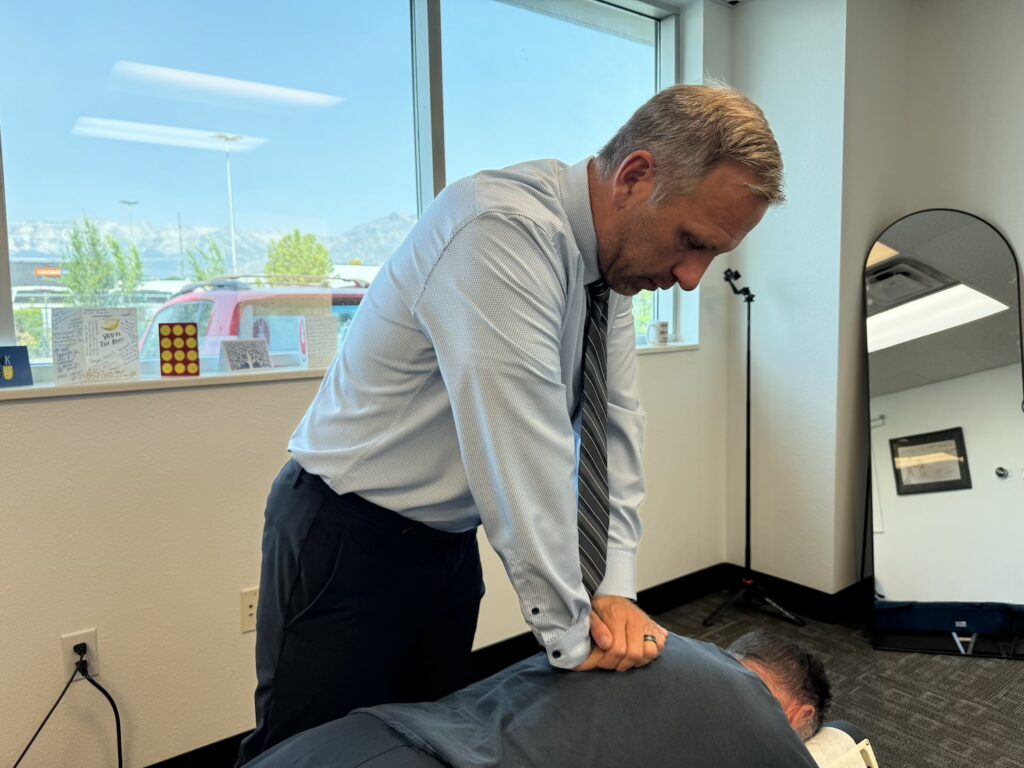
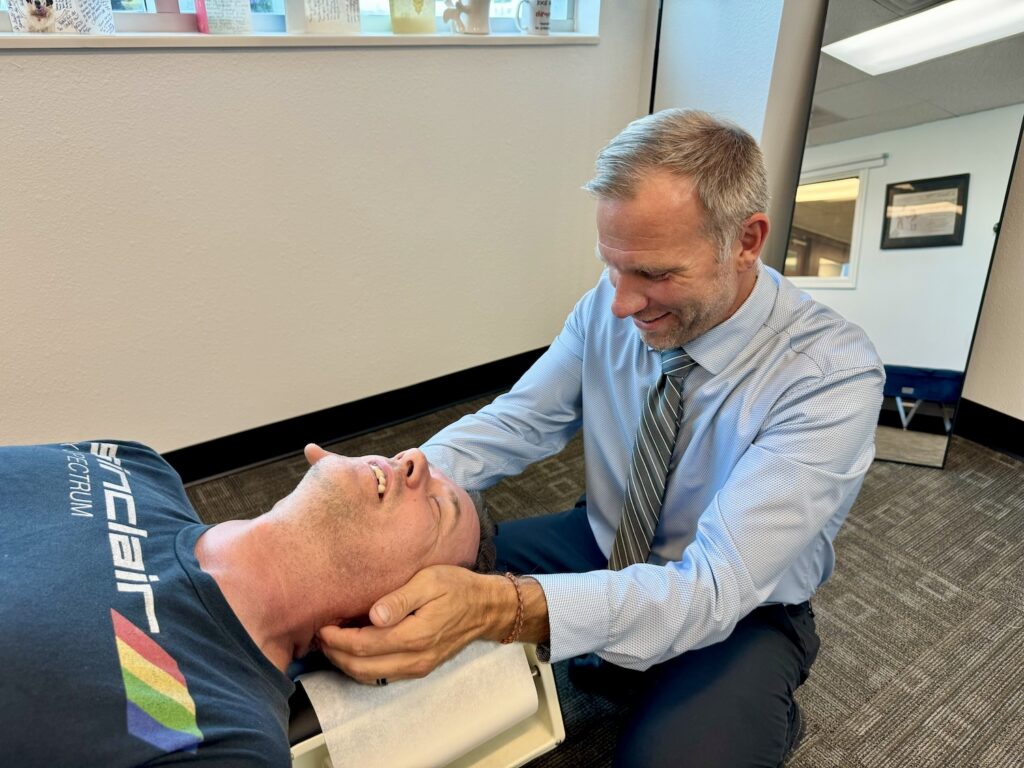
Many people seek spinal adjustments as a form of therapy to enhance their overall well-being. Spinal adjustments, often performed by chiropractors, involve applying controlled force to specific joints in your spine. This technique aims to improve spinal alignment and restore proper movement, which can help alleviate discomfort and enhance your body's function.
When you experience misalignments or subluxations in your spine, it can lead to discomfort, stress, and other health issues. Spinal adjustments target these areas, helping to realign your vertebrae and reduce tension in your muscles and ligaments. The process often involves quick, precise movements designed to promote better mobility and reduce pain.
In addition to addressing physical symptoms, spinal adjustments can also have a positive impact on your nervous system. By improving spinal alignment, you may experience better communication between your brain and body, which can help reduce stress levels.
Many people find that regular spinal adjustments not only help with physical discomfort but also create a sense of relaxation and emotional balance, contributing to their overall mental well-being.
Types of Techniques Used
When receiving spinal adjustments, you'll encounter various techniques tailored to individual needs and preferences.
One common method is the Diversified Technique, which uses quick, precise thrusts to realign your spine. You might feel a pop or crack as your joints release, providing immediate relief.
Another popular approach is the Gonstead Technique, focusing on specific areas of the spine. Your chiropractor will analyze your posture and spinal alignment, ensuring targeted adjustments that promote better overall function.
If you prefer a gentler touch, the Activator Method could be for you. This technique employs a small handheld device to deliver a controlled impulse, minimizing discomfort while effectively adjusting your spine.
There's also the Thompson Technique, which involves a specialized table that drops slightly when pressure is applied, enhancing the adjustment's effectiveness.
Each of these methods aims to relieve stress by correcting misalignments that can contribute to tension and discomfort in your body.
The Link Between Spine and Stress
Your spine plays an essential role in how your nervous system handles stress.
When there's physical tension in your body, it can lead to increased stress levels and discomfort.
Nervous System Connection
The connection between your spine and stress is more significant than you might realize. Your spine houses the spinal cord, which is an essential component of your nervous system. This system regulates various bodily functions, including your stress response.
When your spine is misaligned, it can interfere with nerve signals, potentially increasing your stress levels.
Here are three ways this connection plays out:
- Nerve Function: Your spine protects the spinal cord, which transmits signals between your brain and body. Misalignments can disrupt these signals, leading to heightened stress.
- Muscle Tension: Poor spinal alignment can cause muscle tension and pain. When you're uncomfortable, it's natural for stress levels to rise, making it harder to cope with daily pressures.
- Autonomic Nervous System: The spine influences your autonomic nervous system, which controls your body's stress response. An aligned spine supports ideal functioning, helping you manage stress more effectively.
Physical Tension Release
Releasing physical tension can greatly ease stress levels, and the spine plays an essential role in this process. When you experience stress, your body often tenses up, particularly around the neck and shoulders. This tension can lead to discomfort and a feeling of being overwhelmed.
By focusing on spinal adjustments, you can help alleviate this physical tension, allowing your body to relax. Chiropractic care targets misalignments in the spine, which can contribute to stress-related tension. As your spine is realigned, nerve flow improves, promoting better communication between your body and brain.
This enhanced communication not only helps reduce physical discomfort but also supports your mental well-being. When you undergo spinal adjustments, you're not just addressing physical issues; you're also creating an opportunity for emotional release.
As your body relaxes, you may notice a decrease in anxiety and a greater sense of calm. Incorporating regular spinal adjustments into your wellness routine can make a significant difference in how you manage stress.
How Spinal Adjustments Work
Spinal adjustments involve precise manipulations of the vertebrae to restore proper alignment and function to the spine. When your spine is aligned correctly, it can help alleviate various issues that might contribute to stress and discomfort.
These adjustments are typically performed by a chiropractor who uses their hands or specialized tools to apply controlled force to specific areas of your back.
During the adjustment process, your chiropractor may focus on three main aspects:
- Restoring Alignment: By gently moving the vertebrae back into their ideal position, you can improve your overall posture and reduce undue pressure on your nerves.
- Enhancing Mobility: Adjustments can help increase the range of motion in your spine and surrounding muscles. This can lead to better movement patterns and reduced stiffness, making daily activities feel easier.
- Promoting Nerve Function: When your spine is properly aligned, it allows your nervous system to function more efficiently. This can positively affect your body's ability to handle stress and maintain balance.
The goal of spinal adjustments isn't only to relieve pain but also to support your body's natural ability to heal itself.
By addressing misalignments, you're setting a foundation for improved overall health.
Benefits of Chiropractic Care
Chiropractic care offers a wide range of benefits that extend beyond just relieving pain. When you visit a chiropractor, you're not only addressing discomfort in your back or neck; you're taking a proactive step toward better overall health. One significant advantage is improved mobility. Adjustments can help restore proper alignment in your spine, allowing for greater flexibility and movement in your daily activities.
Additionally, many people find that chiropractic care enhances their overall wellness. By promoting proper spinal alignment, your body can function more efficiently, leading to improved nerve function and better communication between your brain and body. This can result in increased energy levels, making it easier to tackle daily tasks.
Chiropractic care also emphasizes preventive health. Regular visits can help you identify potential issues before they escalate, saving you time and money in the long run. Plus, many chiropractors provide personalized advice on lifestyle changes, such as exercise and nutrition, which can further support your health goals.
Stress relief is another notable benefit. Many patients report feeling more relaxed and less anxious after their adjustments. This reduction in stress not only improves your mood but can also lead to better sleep quality, making you feel more refreshed and ready to face the day.
Incorporating chiropractic care into your routine can lead to a healthier, more balanced life, ultimately enhancing your overall well-being.
Scientific Studies on Stress Relief
Recent research highlights the connection between spinal adjustments and stress relief, demonstrating how chiropractic care can greatly impact your mental well-being.
Numerous studies have explored this relationship, revealing that spinal adjustments not only enhance physical health but also contribute to reduced stress levels. By aligning your spine, chiropractors can help restore ideal nervous system function, which plays an essential role in managing stress responses.
Here are three key findings from scientific studies:
- Reduced Cortisol Levels: Studies show that after spinal adjustments, individuals often experience decreased cortisol levels, the hormone primarily associated with stress. Lower cortisol levels can lead to a calmer state of mind.
- Improved Mood: Research indicates that patients receiving chiropractic care report higher levels of overall happiness and satisfaction. This improvement in mood can be attributed to the release of endorphins during adjustments, which can help combat anxiety and enhance emotional resilience.
- Enhanced Sleep Quality: Many studies suggest that chiropractic adjustments lead to better sleep quality. Improved sleep can greatly reduce stress, as a well-rested individual is more equipped to handle daily challenges and maintain emotional balance.
Potential Risks and Considerations
While the benefits of spinal adjustments are well-documented, it's important to reflect on the potential risks and individual responses involved. You need to be aware that not everyone reacts the same way to spinal adjustments. Some people may experience temporary discomfort or soreness following a session. This discomfort is usually mild and subsides after a short time, but it's something to take into account if you're sensitive to physical manipulation.
In rare cases, more severe complications can arise. For example, individuals with certain pre-existing conditions, like osteoporosis or severe spinal degeneration, may be at higher risk for injury. If you have any underlying health issues, it's imperative to discuss them with your chiropractor before proceeding with adjustments. They'll likely perform a thorough assessment to determine if you're a suitable candidate for this type of treatment.
Additionally, you should evaluate the qualifications of the practitioner. Not all chiropractors have the same level of training or experience. Choosing a licensed and reputable professional is fundamental for your safety and well-being.
Finally, keep in mind that spinal adjustments shouldn't replace other stress-relief techniques or medical treatments if you have chronic stress or anxiety. It's best to view them as a complementary approach rather than a standalone solution.
Always listen to your body and consult with healthcare professionals to ascertain that spinal adjustments are right for you.
Personal Experiences and Testimonials
Many individuals who've undergone spinal adjustments share transformative experiences, highlighting the profound impact these treatments can have on overall well-being.
You might be surprised to discover how many people report not just physical relief but emotional and mental clarity as well. Testimonials often reflect a sense of serenity and balance after treatment, making it clear that spinal adjustments can be more than just a physical remedy.
Here are three common themes you might find in personal testimonials:
- Reduction in Stress Levels: Many individuals report a significant drop in anxiety and stress after their sessions. The physical release from spinal adjustments seems to translate into mental relaxation, allowing you to tackle daily challenges with a clearer mind.
- Improved Sleep Quality: A frequent comment is about better sleep patterns following adjustments. Good spinal alignment can help alleviate discomfort that disrupts sleep, enabling you to wake up refreshed and ready to face the day.
- Enhanced Mood: People often share that they feel lighter and more positive after receiving care. The combination of physical relief and improved body function can lead to a brighter outlook on life, reinforcing the connection between your spine and emotional health.
These personal stories underscore the potential benefits of spinal adjustments, suggesting they can be a valuable part of a holistic approach to stress management.
If you're considering treatment, these testimonials might resonate with your own experiences or aspirations.
Conclusion
To summarize, spinal adjustments can greatly ease your stress by promoting better alignment and enhancing nerve function. When you experience reduced muscle tension and improved mobility, you're likely to feel calmer and more at ease. Many people find that chiropractic care not only alleviates physical discomfort but also leads to better sleep and lower anxiety levels. If you're looking for a holistic approach to managing stress, considering spinal adjustments could be a great option for you.