If you're struggling with chronic back pain, it's vital to explore effective, non-invasive solutions that can truly make a difference. Approaches like physical therapy, acupuncture, and tailored exercise regimens have been shown to enhance your mobility and reduce discomfort without the need for invasive procedures. You might be surprised at how lifestyle changes and mindfulness techniques can also play a key role in managing your pain. As you consider these options, you'll want to uncover what specific strategies might work best for you and why they could lead to lasting relief.
Understanding Chronic Back Pain
Chronic back pain can feel like an unwelcome companion in your daily life, often making even simple tasks seem challenging. You might wake up each morning, dreading the twinge in your lower back as you get out of bed, or struggle to find a comfortable position while sitting at your desk. Understanding the nature of your pain is essential for effective management.
Chronic back pain typically lasts longer than three months and can stem from various causes, including injury, poor posture, or underlying medical conditions. It's important to recognize that your pain isn't just a physical sensation; it can also affect your mood, energy levels, and overall quality of life.
You may notice that stress and anxiety exacerbate your discomfort, creating a frustrating cycle that's hard to break.
As you explore deeper into understanding your chronic back pain, consider how your daily habits play a role. Are you sitting for extended periods without breaks? Are you lifting heavy objects incorrectly? Each of these factors can contribute to the pain you're experiencing.
Identifying specific triggers can empower you to take action and make necessary changes. Keeping a pain journal may help you track patterns and recognize what aggravates your symptoms.
While chronic back pain can be overwhelming, understanding its complexities can be the first step toward reclaiming your life and seeking out effective solutions.
Benefits of Physical Therapy
Physical therapy offers you a practical approach to managing chronic back pain, focusing on improved mobility and flexibility.
You'll learn pain management techniques tailored to your specific needs, making daily activities easier.
Plus, personalized exercise regimens can help strengthen your back, ultimately enhancing your overall well-being.
Improved Mobility and Flexibility
If you're struggling with back pain, improving your mobility and flexibility through physical therapy can make a significant difference.
You'll find that targeted exercises and stretches tailored to your specific needs can help you regain movement and reduce stiffness. Physical therapists assess your condition and create a personalized program focusing on the areas that need the most attention.
As you engage in these exercises, you'll not only enhance your range of motion but also strengthen the muscles supporting your spine. This dual approach helps prevent future injuries, allowing you to stay active and maintain a healthier lifestyle.
You'll notice daily activities, like bending or reaching, become easier as your flexibility improves.
Additionally, physical therapy emphasizes the importance of proper body mechanics, teaching you techniques to avoid strain during everyday tasks.
Pain Management Techniques
Finding relief from back pain often involves effective pain management techniques that can complement the improvements in mobility and flexibility gained through physical therapy.
One key approach is the use of heat and cold therapy. Applying a heating pad can help relax tense muscles, while cold packs can reduce inflammation and numb sharp pain. You might find alternating these methods beneficial for managing your symptoms.
Another technique is the incorporation of mindfulness and relaxation strategies. Practices like deep breathing, meditation, or gentle yoga can help you manage stress and reduce the perception of pain. These methods enhance your overall well-being, making it easier to cope with discomfort.
Additionally, pain management may include the use of over-the-counter medications. Nonsteroidal anti-inflammatory drugs (NSAIDs), such as ibuprofen, can provide temporary relief when needed. However, it's important to consult with your healthcare provider before starting any medication.
Lastly, consider working with a physical therapist who specializes in pain management. They can develop a tailored plan that incorporates various techniques to help you manage your back pain effectively.
Personalized Exercise Regimens
How can personalized exercise regimens transform your recovery from chronic back pain? By tailoring exercises to your specific needs, you can target the underlying issues causing your discomfort. These regimens are designed to strengthen the muscles that support your spine, improve flexibility, and enhance your overall mobility.
When you engage in a personalized program, you're not just following generic advice. Instead, you're working with a physical therapist who understands your unique situation. They'll assess your condition and develop a routine that addresses your pain points, helping you regain function and reduce symptoms more effectively.
Moreover, personalized exercise regimens encourage consistency. You'll learn techniques that fit your lifestyle, making it easier to stick to your plan. As you progress, you'll likely notice increased stamina and decreased pain, which can motivate you to continue.
Incorporating these exercises into your daily routine can also prevent future injuries by improving your posture and body mechanics.
Ultimately, a personalized approach empowers you to take control of your recovery journey, transforming how you manage chronic back pain and giving you the tools to lead a healthier, more active life.
The Role of Acupuncture
Acupuncture has gained recognition as an effective non-invasive treatment for chronic back pain. This ancient practice involves inserting thin needles into specific points on your body to stimulate energy flow, known as Qi. When you undergo acupuncture, the goal is to alleviate pain and promote healing by encouraging your body's natural processes.
Many people have reported significant relief from their back pain after just a few sessions. The needles are typically inserted around the affected area, and you may feel a slight pinch or tingling sensation, which often subsides quickly. This sensation is usually a good sign, indicating that your body is responding to the treatment.
One of the key benefits of acupuncture is its ability to reduce inflammation and improve blood circulation. Increased blood flow can help deliver crucial nutrients and oxygen to your muscles and tissues, promoting quicker recovery from pain and discomfort.
Additionally, acupuncture can stimulate the release of endorphins, the body's natural painkillers, which can help you feel more relaxed and less focused on your pain.
If you're considering acupuncture, it's essential to consult with a licensed practitioner who understands your specific condition. They can tailor the treatment to your unique needs, increasing the likelihood of success.
Many people find that combining acupuncture with other non-invasive therapies, like personalized exercise regimens, creates a more thorough approach to managing chronic back pain.
Mindfulness and Pain Management
Mindfulness practices, like focused breathing and meditation, can considerably enhance your pain management strategy for chronic back pain. By incorporating these techniques into your daily routine, you can cultivate a greater awareness of your body and its sensations, which can help you respond to pain in a more balanced way. Rather than allowing discomfort to overwhelm you, mindfulness encourages you to observe your pain without judgment, reducing its intensity and impact on your daily life.
When you practice mindfulness, you train your mind to focus on the present moment. This can help you break the cycle of negative thought patterns often associated with chronic pain. Instead of ruminating on past experiences or worrying about future flare-ups, you'll learn to redirect your attention to your breath or the sensations in your body. This shift can lead to a decrease in stress and anxiety, which are known to exacerbate pain.
To get started, set aside a few minutes each day for mindfulness practice. Try guided meditation apps or local classes that focus on pain management. Simple techniques, such as deep breathing exercises, can also be effective.
As you become more familiar with these practices, you'll likely find that your ability to cope with pain improves, making it easier to engage in daily activities.
Incorporating mindfulness into your pain management approach can empower you to take control of your chronic back pain, enabling you to live a more fulfilling life.
Chiropractic Care Insights
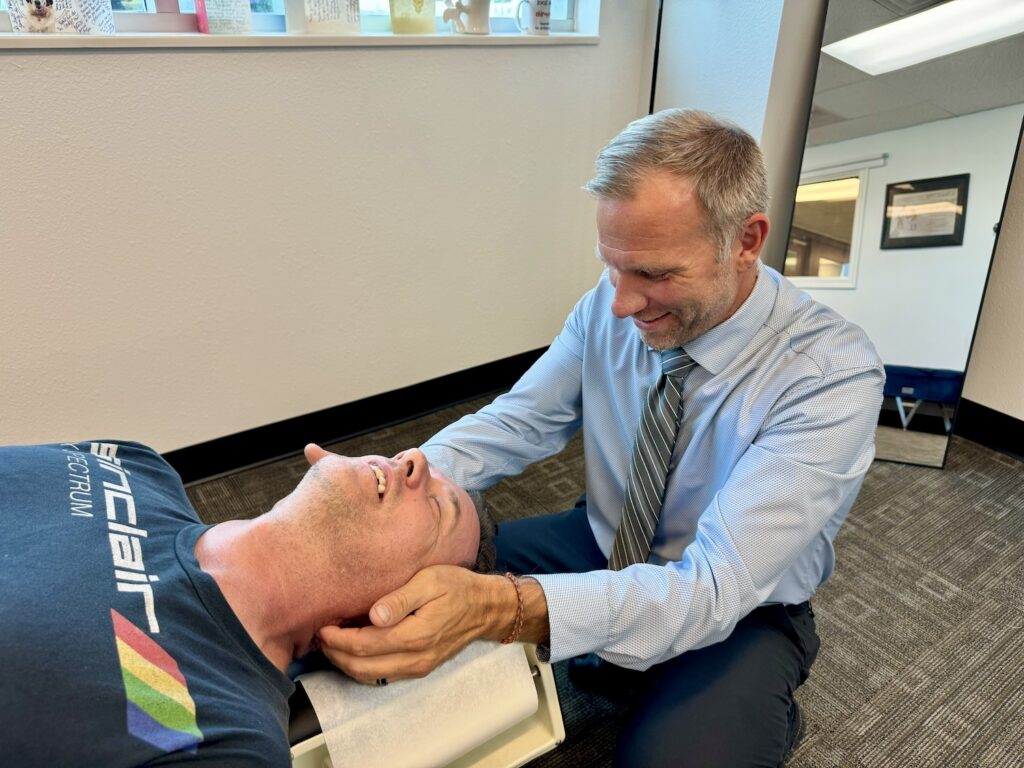
Chiropractic care is a popular non-invasive option for managing chronic back pain, with studies showing that up to 90% of patients experience relief after treatment. This hands-on approach focuses on diagnosing and treating musculoskeletal disorders, particularly those affecting the spine. If you're struggling with back pain, a chiropractor can help restore proper alignment, which often alleviates discomfort and improves overall function.
During your initial visit, the chiropractor will conduct a thorough assessment. This typically includes a physical examination, discussing your medical history, and possibly ordering imaging tests. Understanding your unique condition helps them tailor a treatment plan specifically for you.
Chiropractic adjustments, or spinal manipulations, are the cornerstone of care. These adjustments involve applying controlled force to specific joints in your spine, which can reduce pain and enhance mobility. You'll likely notice improvements in how you move and feel after a few sessions, emphasizing the importance of regular visits for ongoing care.
In addition to adjustments, many chiropractors offer complementary therapies. These may include soft tissue work, heat therapy, or electrical stimulation, all aimed at enhancing the effectiveness of your treatment.
It's also essential to maintain open communication with your chiropractor throughout the process. Sharing your progress, any discomfort, or concerns helps them modify your treatment plan as needed.
With dedication and the right approach, chiropractic care can be a valuable part of your journey toward managing chronic back pain.
Exercise and Strengthening Techniques
While chiropractic care can effectively address immediate pain relief, incorporating exercise and strengthening techniques is vital for long-term management of chronic back pain.
By focusing on specific exercises, you can improve your back's strength, flexibility, and overall function. Here are three key techniques to reflect upon:
1. Core Strengthening: Engaging your core muscles provides stability and support to your spine.
Exercises like planks, bridges, and pelvic tilts help build a strong foundation, reducing strain on your back during daily activities.
2. Stretching: Flexibility is essential for preventing muscle tightness that can lead to pain.
Incorporate stretches targeting your hamstrings, hip flexors, and lower back. Gentle yoga or dedicated stretching routines can enhance your range of motion and relieve tension.
3. Low-Impact Aerobic Activities: Activities like walking, swimming, or cycling can improve circulation and promote healing without putting excessive stress on your back.
Aim for at least 30 minutes of low-impact aerobic exercise most days of the week to keep your body moving and your back healthy.
Lifestyle Changes for Relief
To find relief from chronic back pain, you can make some simple lifestyle changes that can have a big impact.
Setting up an ergonomic workspace, sticking to a regular exercise routine, and managing stress effectively are key factors.
Ergonomic Workspace Setup
Creating an ergonomic workspace can greatly reduce chronic back pain and enhance your overall comfort during long hours of sitting.
By optimizing your surroundings, you can promote better posture and minimize strain on your back. Here are three key elements to reflect on:
1. Chair: Invest in a chair that supports your lower back and allows your feet to rest flat on the ground.
Adjust the height so your knees are at a right angle, ensuring proper alignment.
2. Desk Height: Your desk should be at a height that allows you to keep your elbows at a 90-degree angle while typing.
This keeps your shoulders relaxed and helps reduce tension in your back.
3. Monitor Position: Place your computer monitor at eye level, about an arm's length away.
This prevents you from slouching or leaning forward, which can lead to back pain over time.
Regular Exercise Routine
Incorporating a regular exercise routine can be a game changer for managing chronic back pain. When you engage in consistent physical activity, you strengthen the muscles that support your spine, improving stability and reducing discomfort.
Aim for a balanced mix of aerobic exercises, strength training, and flexibility work. Activities like walking, swimming, or cycling are excellent for cardiovascular health and low-impact on your back.
Don't forget about core strengthening exercises, as a strong core helps support your spine and can alleviate pain. Pilates and yoga are great options for building core strength while enhancing flexibility.
You might also consider specific stretches that target your back and hips, helping to relieve tension.
It's important to start slow and listen to your body. Gradually increase the intensity and duration of your workouts, ensuring you're not overexerting yourself.
Always consult with a healthcare professional before starting any new exercise program, especially if you have existing back pain.
Stress Management Techniques
Managing chronic back pain isn't just about physical activity; stress plays a significant role in how you experience discomfort. When you're stressed, your muscles tense up, which can exacerbate your pain.
Incorporating stress management techniques into your routine can help you find relief. Here are three effective strategies to reflect on:
- Mindful Breathing: Take a few minutes each day to focus on your breath. Inhale deeply through your nose, hold for a moment, and exhale slowly through your mouth. This practice calms your mind and relaxes your body.
- Progressive Muscle Relaxation: Tense and then relax each muscle group, starting from your toes and working up to your head. This method helps release physical tension and promotes overall relaxation.
- Regular Meditation: Set aside time each day for meditation. Whether it's guided or self-directed, this practice can help you clear your mind, reduce anxiety, and improve your pain perception.
Conclusion
Incorporating these proven non-invasive solutions into your routine can markedly improve your chronic back pain. By engaging in physical therapy, exploring acupuncture, and practicing mindfulness, you can take charge of your discomfort. Chiropractic care and tailored exercise regimens will strengthen your back and enhance mobility. Don't forget the importance of lifestyle changes in your journey toward relief. With consistent effort and the right support, you can regain control of your life and enjoy a better quality of living.