When you're grappling with chronic back pain, the options for relief can feel overwhelming. You might wonder if non-invasive solutions really stack up against traditional treatments like medications or surgery. These alternatives—ranging from physical therapy to acupuncture—offer unique benefits and could address the underlying issues rather than just masking the pain. But, how do you determine which path is right for you? Exploring this question could lead you to surprising insights about your health and well-being.
Understanding Chronic Back Pain
Chronic back pain can feel like an unwelcome companion that just won't leave. You might notice it creeping in after a long day at work or following an intense workout. This persistent discomfort can stem from various causes, including injury, poor posture, or underlying medical conditions. Understanding what's at play in your body is the first step toward finding relief.
When you experience chronic back pain, it can impact your daily life considerably. Simple tasks, like bending down to tie your shoes or lifting a grocery bag, can become intimidating challenges. You may find yourself avoiding activities you once loved, leading to a cycle of frustration and diminished quality of life. Knowing the nature of your pain helps you address it more effectively.
Chronic back pain is often classified as pain lasting longer than three months. This timeframe distinguishes it from acute pain, which typically resolves with time and rest. Your body may be signaling an underlying issue that requires attention. It's vital to pay close attention to the specific location and type of pain you're experiencing, as these details can guide your next steps.
You might also notice accompanying symptoms, like stiffness or muscle spasms. Recognizing these patterns can empower you to seek appropriate help.
Overview of Non-Invasive Solutions
Finding effective relief from chronic back pain can often feel intimidating, but there are numerous non-invasive solutions available that can help you regain control of your life. These options allow you to address pain without resorting to surgery or invasive procedures.
One popular approach is physical therapy, which focuses on strengthening the muscles that support your back. A skilled therapist can create a personalized exercise regimen tailored to your specific needs, helping you improve flexibility and reduce pain.
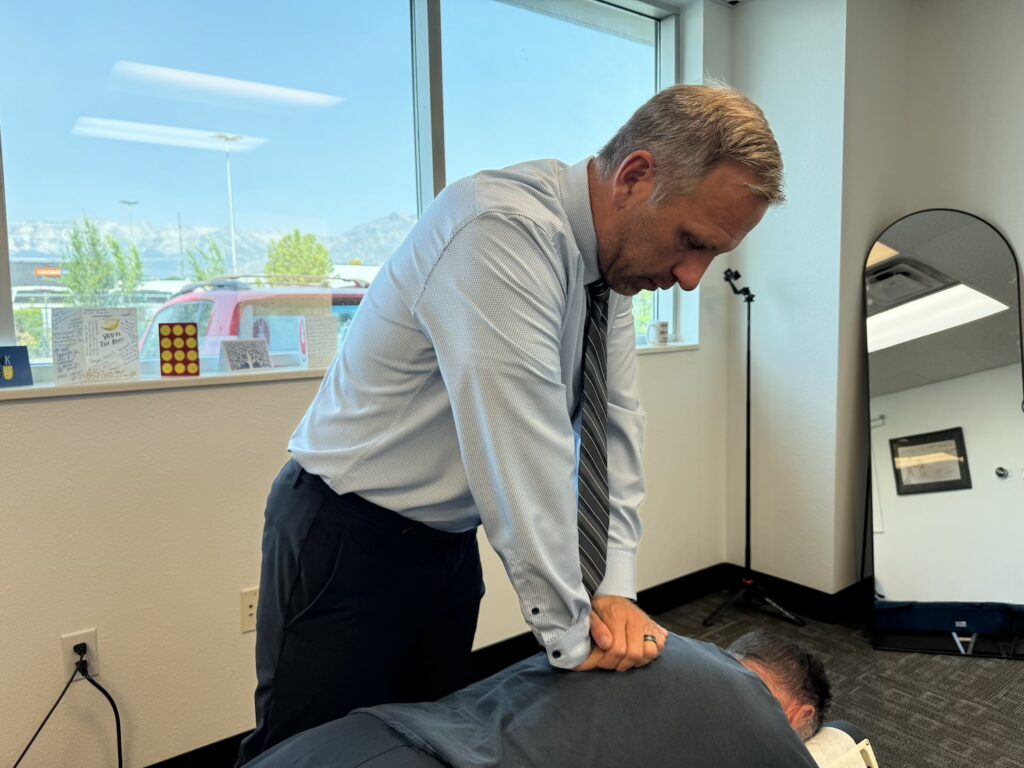
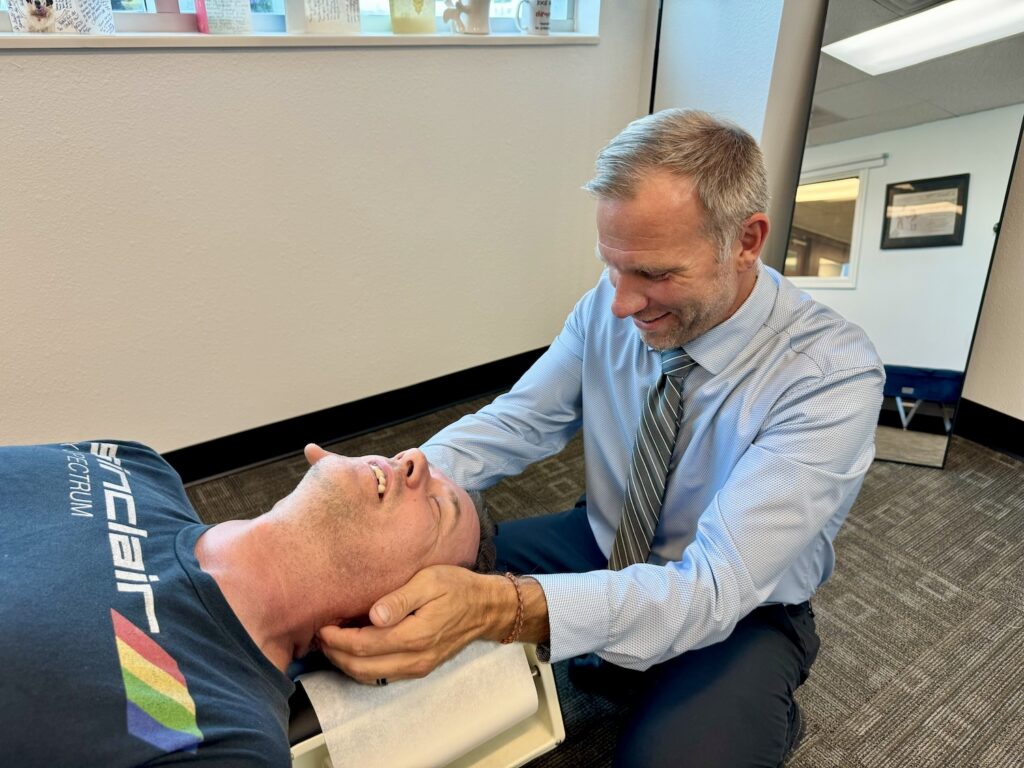
Another effective method is chiropractic care. Chiropractors use hands-on spinal manipulation to align your spine and enhance your body's natural ability to heal. Many people find significant relief through regular adjustments.
Acupuncture is also gaining recognition for its ability to alleviate back pain. This ancient practice involves inserting thin needles into specific points on your body, promoting pain relief and overall well-being.
In addition, mindfulness and relaxation techniques can play a vital role in managing pain. Practices such as yoga and meditation help you develop a greater awareness of your body and stress levels, which can lead to reduced tension and pain perception.
Finally, over-the-counter medications like ibuprofen or acetaminophen can provide temporary relief. While they're not a long-term solution, they can help you manage symptoms effectively as you explore other options.
Benefits of Non-Invasive Approaches
Why choose non-invasive approaches for chronic back pain relief? You'll find that these methods offer several significant benefits that can greatly improve your quality of life.
First and foremost, non-invasive treatments often focus on addressing the root cause of your pain instead of merely masking symptoms. Techniques such as physical therapy, chiropractic adjustments, and acupuncture can help strengthen your muscles, improve flexibility, and promote better posture, ultimately leading to long-term relief.
Another key advantage is the reduced risk of side effects. Unlike invasive procedures or medications that may involve harmful side effects, non-invasive approaches typically come with minimal risks. You can often experience relief without worrying about complications or adverse reactions.
Cost-effectiveness is also an essential factor. Non-invasive treatments usually require fewer resources and can lead to significant savings over time. You might find that investing in regular therapy sessions or wellness programs offers a more sustainable solution than costly surgeries or ongoing medication.
Moreover, non-invasive methods often empower you to take an active role in your recovery. By engaging in exercises and lifestyle changes, you'll build resilience against future pain episodes and gain a sense of control over your well-being.
Finally, many non-invasive approaches promote a holistic view of health. They consider your physical, emotional, and mental well-being, which is essential for achieving all-encompassing pain relief.
With these benefits, it's clear that non-invasive approaches can be a compelling choice for managing chronic back pain.
Comparing Traditional Treatments
When exploring options for back pain relief, traditional treatments often come to mind, including medications, injections, and surgery. These methods have been widely used for years and can provide quick relief for many individuals. However, it's important to evaluate their pros and cons before making a decision.
Medications like nonsteroidal anti-inflammatory drugs (NSAIDs) and muscle relaxants are often the first line of defense. They can help reduce pain and inflammation but may come with side effects, such as gastrointestinal issues or dependency with long-term use.
You'll want to assess whether the temporary relief is worth the potential risks.
Injections, such as epidural steroid injections, can also provide substantial relief for some. They target specific areas and can help with inflammation. However, the results can be unpredictable, and repeated injections may lead to diminishing returns.
You'll need to discuss the frequency and long-term effects of these injections with your healthcare provider.
Surgery is typically viewed as a last resort, often reserved for severe cases where other treatments haven't worked. While it can offer significant benefits, it also carries risks like infection, complications, and a lengthy recovery period.
Ultimately, traditional treatments can provide relief, but they may not address the underlying causes of your pain. Exploring these options and understanding their implications will help you make informed choices about managing your chronic back pain.
Making an Informed Choice
Making an informed choice about chronic back pain relief means weighing your options carefully. You'll want to reflect on various non-invasive solutions, such as physical therapy, chiropractic adjustments, acupuncture, or mindful practices like yoga and meditation. Each method has its benefits and risks, so take the time to research them thoroughly.
Start by evaluating your specific pain symptoms and lifestyle. What works for someone else may not suit you. For example, if you're looking for immediate relief, chiropractic care might be your best bet, while physical therapy could provide long-term benefits by strengthening the muscles around your spine.
Next, consult with healthcare professionals who can guide you through the options based on your medical history and current condition. Don't hesitate to ask questions about the techniques, expected outcomes, and any potential side effects. Gathering this information will empower you to make a more informed decision.
Finally, examine your personal preferences and comfort level with each treatment. You might need to try a couple of methods before finding the right fit. Keep an open mind, but also trust your instincts.
Conclusion
In exploring non-invasive solutions for chronic back pain, you empower yourself to take control of your healing journey. By prioritizing techniques like physical therapy, chiropractic care, and mindfulness, you can address root causes and achieve lasting relief with minimal side effects. Unlike traditional treatments that often rely on medications or surgery, these holistic approaches offer tailored options to fit your lifestyle. Ultimately, making informed choices can lead you to a healthier, pain-free life.