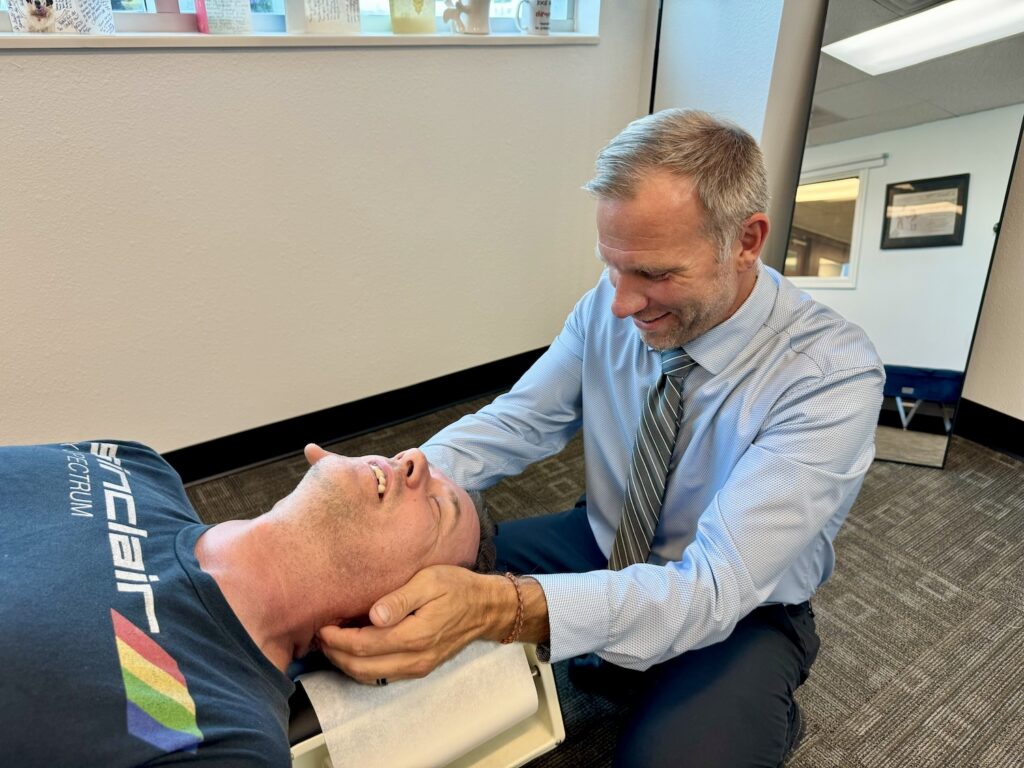
When it comes to ensuring the well-being of infants and toddlers, safety and comfort are absolutely essential. As a local chiropractor, I want to emphasize the importance of a gentle approach to caring for your little ones. Using the right tools, such as a digital thermometer, and creating a soothing environment can help ease their anxiety during treatment. Whether you're dealing with a fever or diaper rash, incorporating simple, natural techniques can make a significant difference in their comfort and recovery.
Chiropractic care for young children focuses on promoting overall health through gentle adjustments and holistic methods, which can support their developing bodies. It's crucial to be aware of how to best support your child's natural healing process and know when it's necessary to consult with a pediatrician for additional guidance.
If you're curious about specific techniques that can help enhance your child's health and well-being, let's delve into some essential chiropractic methods that can be applied safely and effectively for your little ones.
Soothing a Fever
When your little one has a fever, it can be concerning as a parent, but there are natural ways to help soothe their discomfort and support their healing process. As a chiropractor, I believe in the body's innate ability to heal itself, and there are effective methods you can use to promote comfort at home.
First, it's essential to monitor your child's temperature regularly. A digital thermometer provides accurate readings, helping you make informed decisions. If their fever is between 100.4°F (38°C) and 102.2°F (39°C), it's often best to manage it at home rather than rushing to the doctor.
To support their comfort, dress your child in lightweight clothing to avoid overheating and ensure their room is cool and well-ventilated. Hydration is key, so encourage them to drink plenty of fluids like water or electrolyte solutions. Offering small, frequent sips can be more manageable, as they mightn't want to drink large amounts at once.
If your child seems restless or irritable, consider gentle natural remedies. While I encourage you to consult with your pediatrician regarding over-the-counter medications like infant acetaminophen or ibuprofen, you can also explore natural approaches, such as herbal teas or homeopathic remedies, which may help ease discomfort.
A lukewarm bath can be soothing and may assist in reducing their temperature. Be cautious to avoid cold baths or ice packs, as these can lead to shivering, which may inadvertently raise their body temperature. If your child experiences chills, wrapping them in a light blanket until they feel warmer can help.
Pay attention to their overall behavior, as well. If they appear unusually lethargic, have difficulty breathing, or exhibit signs of dehydration, it's important to reach out to your pediatrician.
By remaining calm and using these natural approaches, you can help ease your child's discomfort during a fever, supporting their body's natural healing process.
Cleaning Cuts and Scrapes
When your child experiences a cut or scrape, it's essential to respond promptly and safely.
As a chiropractor, I emphasize the importance of a holistic approach to healing, even for minor injuries. First, ensure you have all the necessary supplies to clean and properly dress the wound. This includes gentle soap, clean water, and appropriate bandages.
Once you're prepared, clean the wound carefully, as this helps prevent infection and promotes natural healing.
Afterward, apply a suitable dressing to protect the area and support the body's innate ability to heal itself.
Gather Necessary Supplies
As a local chiropractor, I understand that many parents may not be familiar with the best practices for caring for their little ones in cases of minor injuries like cuts and scrapes.
It's essential to approach these situations with preparedness and knowledge, just as we do when focusing on natural healing and overall wellness.
Before you begin tending to your child's injury, it's crucial to gather all necessary supplies to ensure a smooth and effective process. Start by having adhesive bandages, sterile gauze pads, and medical tape on hand.
These will be essential for covering the wound after it's been cleaned. You'll also want to have antiseptic wipes or a gentle saline solution available to clean the area safely, minimizing the risk of infection.
Additionally, keep a clean pair of tweezers close by in case you need to remove any splinters or foreign objects from the wound. Scissors can also be helpful for cutting gauze or tape as needed.
Remember to have a clean towel or cloth ready to gently dry the area after cleaning.
It's just as important to consider your child's emotional state during this process. Having a distraction tool, such as a favorite toy or colorful stickers, can help keep them calm and comfortable.
Lastly, keep your phone nearby; it's always a good idea to have access to guidance or support if you need it.
By preparing in advance and creating a safe, comforting environment, you not only facilitate effective care for your child but also promote a holistic approach to their well-being.
Emphasizing natural healing aligns with the principles of chiropractic care, where we focus on the body's innate ability to heal itself. Together, we can ensure that your child receives the best care possible during these essential moments.
Clean the Wound
As a chiropractor, I want to emphasize the importance of caring for your body, especially when it comes to injuries. One key aspect of natural healing is ensuring any wounds are cleaned promptly and properly to prevent infection and promote recovery.
First and foremost, always start by washing your hands thoroughly with soap and water. This crucial step ensures that you don't introduce any harmful bacteria into the wound, which can impede your body's natural healing processes.
Once your hands are clean, gently rinse the cut or scrape under lukewarm running water. This helps to remove dirt and debris without irritating the tissue further. If there are stubborn particles that don't wash away, use a clean, soft cloth or a sterile gauze pad to gently wipe the area. It's best to avoid applying alcohol or hydrogen peroxide directly to the wound, as these substances can cause stinging and may delay healing.
After rinsing, gently pat the area around the wound dry with a clean towel or gauze. Remember, the goal is to be gentle; rubbing can aggravate the injury and hinder the healing process.
If you're caring for a child, take a moment to explain what you're doing in simple terms. This can help them stay calm and understand the importance of wound care.
If bleeding persists, apply gentle pressure with a clean cloth until it stops. Keeping the wound clean is crucial for preventing infection, so monitor the area closely over the next few days. If you notice any signs of infection, such as increased redness, swelling, or warmth, seek medical advice promptly.
Through proper wound care, you can support your body's natural healing abilities and maintain overall wellness. Remember, as your chiropractor, I'm here to guide you on your journey to health and recovery.
Apply Appropriate Dressing
As a local chiropractor, I want to emphasize the importance of proper wound care, especially when it comes to cuts and scrapes. Just as we focus on the body's alignment and overall health, addressing minor injuries with the right dressing is crucial for promoting healing and preventing infection.
Once you've cleaned the wound thoroughly – much like maintaining proper spinal hygiene – it's essential to apply an appropriate dressing. Select one that fits well, considering both the size and depth of the injury to ensure complete coverage.
Here are some key tips for choosing the right dressing:
- Prioritize breathable materials: Just like our bodies need air and movement for optimal function, wounds benefit from dressings that allow air circulation, aiding in the healing process.
- Opt for waterproof options: If the injury is in an area that might come into contact with moisture, using a waterproof dressing can provide essential protection, similar to how we protect our spines during activities.
- Assess adhesive strength: It's important that the dressing adheres well without irritating the skin, especially for those with sensitive skin, like toddlers. Just as we consider the comfort of our patients, the same applies to wound care.
When applying the dressing, do so gently to avoid discomfort. Make sure there are no wrinkles or edges that could peel off easily, as this can compromise the healing.
Regularly check the dressing and replace it as needed, particularly if it becomes soiled or wet. Keeping the wound covered is vital to shield it from dirt and bacteria, thereby minimizing the risk of infection.
And just as we emphasize the importance of timely care for musculoskeletal issues, if you notice that a cut or scrape isn't improving or shows signs of infection, please consult a healthcare professional right away.
Your health is important, and taking the right steps with wound care is part of a holistic approach to well-being.
Treating Diaper Rash
As a local chiropractor, I often see parents concerned about their little ones experiencing diaper rash, which is a common issue for infants and toddlers. This discomfort can arise from various factors such as irritation, moisture, or friction.
It's essential to understand that while chiropractic care primarily focuses on the spine and overall wellness, there are natural methods to help alleviate discomfort for your child.
When we consider diaper rash, we can think about how our body reacts to irritants and stressors. Just like adults, children have sensitive skin that can react negatively to prolonged exposure to moisture or friction.
As caregivers, it's crucial to address these issues promptly to soothe your little one and prevent future occurrences.
In addition to keeping the diaper area clean and dry, consider exploring holistic approaches to skin health, such as utilizing natural creams and ointments that are free from harsh chemicals. These can help create a protective barrier for your child's skin.
Moreover, gentle chiropractic adjustments can promote overall wellness and may even aid in better digestion and comfort, which can indirectly help with skin irritations.
Let's work together to explore effective treatment methods and preventive measures for diaper rash, ensuring your child feels comfortable and healthy as they grow.
Causes of Diaper Rash
As a local chiropractor, I often see parents who are navigating the challenges of early parenthood, and one common issue they encounter is diaper rash. This condition can be frustrating for both babies and parents alike, but understanding its causes can empower you to manage it naturally and effectively.
Here are three key factors that can lead to diaper rash:
- Moisture: Prolonged exposure to wet diapers can irritate your baby's delicate skin, leading to rashes. It's essential to keep your little one dry to promote skin health.
- Irritants: Many products such as wipes, soaps, and even the materials used in diapers contain chemicals that can irritate sensitive skin. Opting for natural, hypoallergenic products can minimize this risk.
- Bacterial or yeast infections: The warm, moist environment of a diaper can sometimes foster the growth of bacteria or yeast, contributing to rashes. Ensuring proper hygiene and airflow can help mitigate these issues.
By being aware of these factors, you can take proactive measures to protect your baby's skin. Regularly changing diapers, choosing natural products, and allowing for some diaper-free time can all make a difference.
If you notice that the rash persists or worsens, I recommend consulting your pediatrician for personalized guidance.
Remember, chiropractic care is also about overall wellness, and maintaining a healthy environment for your child is an essential part of that. If you have any questions about holistic health practices or how chiropractic care might support your family's well-being, feel free to reach out.
Your baby's comfort is important, and together, we can ensure they thrive.
Effective Treatment Methods
As a local chiropractor dedicated to promoting overall wellness, I often encounter parents looking for effective solutions to common issues like diaper rash. It's important to understand that while chiropractic care primarily focuses on spinal health and alignment, there are natural methods to help relieve discomfort for your little one.
First and foremost, keeping the affected area clean and dry is crucial. Change your baby's diaper frequently—ideally every two hours or as soon as you notice it's soiled. Use warm water and a soft cloth to gently clean the skin, steering clear of wipes that contain alcohol or fragrances, as these can exacerbate irritation.
After cleaning, allow your baby's bottom to air dry for a few minutes before applying any products. A barrier cream with zinc oxide can be immensely beneficial. This creates a protective layer on the skin, helping to shield it from moisture and irritation. Additionally, consider applying a fragrance-free moisturizer to soothe the skin further.
If the rash persists beyond a few days or seems to worsen, it's wise to consult your pediatrician. They may suggest a medicated cream, especially if there's a possibility of a yeast infection.
Remember, every child is unique, so what proves effective for one may not work for another. It's essential to observe your child's reactions and adapt your approach as needed.
While chiropractic care may not directly address diaper rash, fostering a healthy lifestyle through proper nutrition and hydration can enhance your baby's overall well-being.
Managing Coughs and Colds
As a local chiropractor, I understand that coughs and colds can be quite common in infants and toddlers, often surfacing unexpectedly. When your little one experiences these symptoms, it's essential to manage their discomfort in safe and effective ways while considering the holistic approach of natural healing.
Here are some techniques you might find helpful:
- Hydration is key: Encouraging your child to drink plenty of fluids is crucial. Water, diluted juices, or warm broths can help thin mucus, making it easier for them to breathe and feel more comfortable.
- Humidify the air: Using a cool-mist humidifier in your child's room can add moisture to the air. This can be beneficial for easing breathing and soothing their throat. Just remember to clean it regularly to avoid any mold or bacteria growth.
- Elevate their head during sleep: To help alleviate nighttime coughing, consider slightly elevating your child's head while they sleep. You can achieve this by placing a towel under the mattress, which can help them breathe easier.
While over-the-counter medications aren't typically recommended for infants and toddlers, there are gentle, natural methods to provide comfort.
Always keep an eye on their symptoms and consult with your pediatrician if you notice any worsening or persistent issues. It's also important to be vigilant for any signs of more serious conditions, such as difficulty breathing or a high fever.
As a chiropractor, I believe in the body's natural ability to heal itself, and sometimes simple lifestyle adjustments can make a significant difference in how our little ones feel.
If you're interested in learning more about natural healing methods and how chiropractic care can support your child's overall health, feel free to reach out!
Addressing Allergic Reactions
As a local chiropractor, I want to share some important information regarding allergic reactions, particularly for those who may not be familiar with how they can affect overall health. Allergic reactions can often present symptoms similar to colds or coughs, and recognizing these signs early can significantly improve your child's well-being.
Common indications of an allergic reaction include sneezing, a runny or stuffy nose, itchy eyes, and skin rashes. If your child exhibits these symptoms after exposure to certain allergens—like specific foods, pollen, or pet dander—it's essential to take immediate action.
First and foremost, remove your child from the allergen source promptly. For example, if they've a known food allergy, ensure they avoid that food entirely.
Next, monitor their symptoms closely. If they're mild, you might consider using over-the-counter antihistamines suitable for children, but it's crucial to consult with your pediatrician before administering any medication. They can provide you with guidance on the appropriate dosage and product.
However, if your child experiences more severe symptoms, such as trouble breathing, swelling in the face or throat, or hives, it's vital to seek emergency medical assistance right away. For children with known severe allergies, having an epinephrine auto-injector readily available can be lifesaving.
Additionally, keeping a detailed record of any allergic reactions, including potential triggers and symptoms, can be incredibly beneficial. This information will be useful during discussions with healthcare professionals about your child's health.
As a chiropractor, I encourage an informed and proactive approach to managing your child's allergies, as it aligns with our philosophy of natural healing and maintaining overall health. By staying educated and vigilant, you can help ensure your child remains safe and healthy.
Handling Minor Burns
As a local chiropractor, I understand that minor burns can occur unexpectedly during everyday activities. Being prepared to respond swiftly can greatly enhance your child's comfort and promote healing. When you notice a minor burn, it's crucial to act promptly to alleviate pain and prevent further injury. Here are some effective steps you can follow:
- Cool the burn: Start by gently running cool (not cold) water over the burned area for about 10-20 minutes. This method is beneficial as it helps reduce swelling and calms the skin, allowing your child to feel more at ease.
- Cover the burn: Once cooled, use a clean, non-stick bandage or cloth to gently cover the burn. This protects the area from infection and keeps it clean, promoting a healthier healing environment.
- Monitor for signs of discomfort: Keep an eye on your child for any signs of pain or distress. If they seem particularly uncomfortable, you may consider administering an appropriate dose of acetaminophen or ibuprofen for pain relief. However, I always advise consulting with a healthcare professional if you have any uncertainties.
It's essential to steer clear of using ice, butter, or ointments on the burn, as these can exacerbate the injury.
After taking these initial steps, maintain cleanliness around the burn and observe for any changes. While minor burns can often heal well at home, trust your instincts. If you have any concerns regarding your child's burn or their overall health, please don't hesitate to contact your pediatrician.
Your child's well-being is our top priority, and being informed can empower you to manage these situations effectively. Remember, natural healing methods and chiropractic care can also support your child's recovery and overall health.
Recognizing When to Seek Help
As a local chiropractor, I understand that it can sometimes be difficult to know when a minor injury in your child requires professional attention, especially when it comes to infants and toddlers. Your instincts as a parent or caregiver are crucial, but being aware of certain signs can help you make informed decisions about their health.
First, take a close look at the severity of the injury. If your child has a deep cut that won't stop bleeding, or if they're in significant pain, it's important to seek help. Additionally, be on the lookout for signs of infection, like redness, swelling, or pus around a wound. These symptoms may require the expertise of a healthcare professional.
Next, pay attention to your child's behavior. Are they unusually lethargic, irritable, or inconsolable? Changes in behavior can be a signal that something isn't quite right. If your toddler continues to cry despite your best efforts to comfort them, it's wise to seek further medical advice.
Trusting your instincts is key. If something feels off, it's always better to err on the side of caution. While many minor injuries can heal effectively with home care, your peace of mind is invaluable.
Moreover, be mindful of your child's developmental milestones. If they aren't meeting expected milestones after an injury—such as not using a limb—it's essential to consult a professional. Chiropractic care can often assist in ensuring proper alignment and function, which can promote healing and recovery.
Conclusion
As a local chiropractor, I want to emphasize the importance of your infant or toddler's safety and comfort in managing common ailments through natural healing techniques. By incorporating gentle chiropractic methods and creating a soothing environment, you can effectively support your little one through fevers, minor injuries, and even discomfort from diaper rash. It's essential to remain attentive to any signs that may indicate a more serious condition requiring medical evaluation.
Always consult with your pediatrician before introducing any medications, and ensure that your child stays well-hydrated. Trust your instincts as a parent—by integrating chiropractic care into your approach, you can provide holistic support for your child's well-being and help them thrive. Remember, natural healing can be a fantastic complement to traditional care, and I'm here to guide you on this journey.