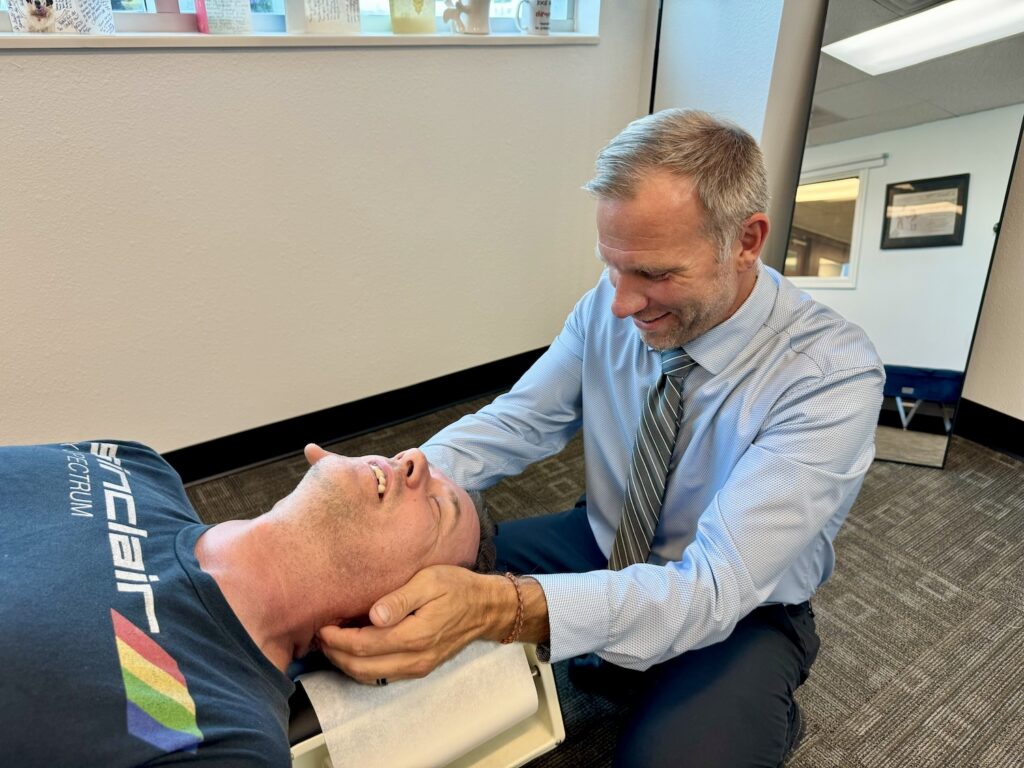
When you're on the road to recovery from a sports injury, it's important to understand that healing goes beyond just the physical aspect. As a local chiropractor, I want to emphasize that our approach is holistic, focusing not only on your physical recovery but also on your emotional and mental well-being. Through chiropractic care, you can gain valuable coping strategies, improve your focus, and build resilience—key components for a successful return to your sport.
Setting realistic goals and managing stress are crucial during your recovery journey. Our therapies can help you stay motivated and engaged throughout the healing process. But how do these chiropractic strategies come together to support your recovery? Let's delve into the seven ways chiropractic care can make a meaningful impact on your journey to wellness.
Emotional Healing and Support
Recovering from a sports injury can be a challenging experience that impacts not only your physical health but also your emotional well-being. As a chiropractor, I've seen firsthand how these injuries can lead to feelings of frustration, anxiety, and even depression. The disruption to your routine and the absence of physical activity can create a sense of isolation, making it crucial to recognize these emotions as a normal part of the healing journey.
One of the most important aspects of recovery is having a strong support system. Friends and family can provide encouragement, but professional support, like chiropractic care, can play a significant role in your emotional healing as well. Chiropractic adjustments can help alleviate physical discomfort, which in turn can reduce stress and promote a more positive mindset.
Engaging in open conversations about your feelings is vital. Sharing your experiences with those who understand the challenges of recovery—whether they're fellow athletes or professionals—can provide comfort and valuable insights.
In addition to chiropractic treatment, I often recommend exploring therapy options. Working with a mental health professional can help you navigate your emotions, manage stress, and develop healthier coping mechanisms. This holistic approach ensures that you're addressing both the physical and emotional aspects of your recovery.
Remember, emotional healing is just as critical as physical recovery. By prioritizing your emotional needs and seeking support—whether through chiropractic care or therapy—you'll be better prepared to face the challenges ahead.
It's perfectly okay to reach out for help; acknowledging your feelings is a powerful step toward recovery. Your journey back to the sport you love can be a transformative one, enhancing both your physical capabilities and emotional resilience.
Coping Mechanisms Development
As a chiropractor, I understand that recovering from a sports injury can be a challenging journey, both physically and emotionally.
It's vital to develop effective coping mechanisms during this time to boost your emotional resilience. I encourage you to explore various stress management techniques, such as mindfulness, deep breathing exercises, or gentle stretching, which can complement your chiropractic care and help you navigate this difficult period.
By incorporating these skills, you can enhance your overall recovery experience, support your healing process, and maintain a positive mindset as you work towards getting back to your active lifestyle.
Emotional Resilience Building
Injuries can often feel overwhelming, but as a chiropractor, I want to emphasize the importance of building emotional resilience during your recovery journey. Developing emotional strength is vital for maintaining a positive mindset as you heal. Engaging in therapeutic practices—whether through chiropractic care or related holistic approaches—can help you confront your feelings and transform them into effective coping mechanisms that support your recovery.
Start by recognizing the emotions associated with your injury. It's common to feel frustration, sadness, or fear throughout this process. Acknowledging these feelings empowers you to face them directly.
In a supportive chiropractic environment, we create a safe space for you to express these emotions, allowing you to process them in a constructive manner. Remember, it's entirely normal to experience fluctuations in your emotional state as you progress in your healing.
Setting realistic goals is another crucial element of building resilience. Together, we can break down your recovery plan into manageable milestones. Celebrating each small victory not only fosters a sense of accomplishment but also keeps you motivated throughout your healing journey.
Additionally, nurturing a support network can significantly enhance your emotional well-being. Surround yourself with friends, family, or even fellow patients who uplift and encourage you.
With the right tools and support, not only will you recover physically, but you'll also emerge mentally stronger and ready to tackle future challenges head-on. Embracing both chiropractic care and emotional resilience can lead to a more holistic and fulfilling recovery experience.
Stress Management Techniques
As a local chiropractor, I want to emphasize the importance of managing stress effectively during your recovery from a sports injury. Stress not only affects your healing process but can also take a toll on your emotional well-being. By incorporating specific stress management techniques into your routine, you can enhance your recovery and stay focused on your healing goals.
One powerful approach is mindfulness meditation. Just a few minutes each day dedicated to mindfulness can help you stay present and alleviate anxiety. I often recommend deep breathing exercises to my patients as well; they're a simple yet effective way to calm your mind and relax your body.
Try inhaling deeply through your nose, holding your breath for a few seconds, and then exhaling slowly through your mouth.
Another helpful technique is journaling. Putting your thoughts and feelings down on paper can bring clarity and help you process any pent-up emotions.
Additionally, engaging in light physical activities, such as walking or gentle stretching, can significantly reduce stress while promoting physical activity, which is vital for your recovery.
Lastly, don't underestimate the power of support. Talking with friends, family, or a therapist can provide you with valuable insights and emotional encouragement during this time.
By integrating these stress management strategies, not only will you improve your recovery process, but you'll also boost your overall mental health.
Mental Resilience Building
As a local chiropractor, I want to emphasize the importance of building mental resilience, especially for athletes recovering from sports injuries. Navigating the emotional challenges that come with physical setbacks is a crucial part of the healing process. It's common to experience feelings of frustration, anxiety, or self-doubt when dealing with an injury. Developing mental resilience can empower you to confront these emotions directly, helping you regain control over your mindset.
Chiropractic care goes beyond just addressing physical symptoms; it also provides tools to strengthen your mental resilience. For instance, we often incorporate cognitive-behavioral techniques into our discussions, which can assist you in reframing negative thoughts. Instead of focusing on what you can't do, we can shift your perspective to highlight what you can achieve. This shift can foster a more positive outlook and instill hope and determination throughout your recovery journey.
In our practice, we also emphasize the benefits of mindfulness techniques. By teaching you how to focus on the present moment, we can help reduce anxiety about the future and promote a sense of acceptance regarding your current situation. These mindfulness practices can enhance your emotional regulation skills, allowing you to better manage stress and discomfort during your recovery.
Additionally, having open discussions about your feelings with me in a supportive environment allows you to process your emotions effectively. This aspect of chiropractic care can alleviate feelings of isolation, reminding you that you aren't alone in your journey.
Goal Setting and Motivation
As a chiropractor, I want to emphasize the importance of setting clear goals for your recovery from a sports injury.
Utilizing the SMART goals approach can be incredibly beneficial in this process. By establishing objectives that are Specific, Measurable, Achievable, Relevant, and Time-bound, you can maintain motivation and track your progress effectively.
This structured framework not only helps sharpen your focus on healing but also builds mental resilience, which is crucial in overcoming challenges during your recovery journey.
Embracing these principles can significantly enhance the effectiveness of your chiropractic care and natural healing methods.
SMART Goals Approach
As a local chiropractor dedicated to your health and recovery, I want to share how employing the SMART goals approach can significantly enhance your motivation and focus during your rehabilitation from a sports injury.
SMART stands for Specific, Measurable, Achievable, Relevant, and Time-bound.
When you set specific goals, you clearly define what you want to achieve. For instance, you might aim to regain full range of motion in your ankle after an injury.
It's essential that these goals are measurable, allowing you to track your progress. For example, you could set a target to walk without a limp within four weeks.
Setting achievable goals is crucial to ensure you don't set yourself up for disappointment. While it's wonderful to aim high, it's important to be realistic based on your current condition.
Your goals should be relevant to your recovery process and directly connected to your ultimate aim of returning to your sport.
Lastly, establishing a timeline for your goals creates a sense of urgency and helps maintain accountability.
As your chiropractor, I'm here to support you in setting these SMART goals, guiding you through natural healing methods, and helping you stay on track for a successful recovery.
Enhancing Mental Resilience
As a local chiropractor, I want to emphasize the importance of mental resilience in overcoming sports injuries and how it can be significantly enhanced through effective goal setting and motivation. When you set specific and achievable goals for your recovery, you create a clear path to follow.
Consider breaking down your recovery into smaller milestones, such as regaining your range of motion or building strength. This approach not only makes the process feel more manageable but also offers you a sense of achievement as you celebrate each little victory along the way.
Staying motivated is crucial in maintaining your commitment to your recovery plan. Keep your long-term goals in mind and remind yourself of the reasons you're on this journey. Surrounding yourself with supportive friends, family, or teammates can lift your spirits and encourage you during challenging times.
Visualizing your success can also be a powerful tool; picture yourself back in the game, excelling and performing at your peak.
Additionally, seeking therapy or guidance can further strengthen your mental resilience by equipping you with coping strategies for any setbacks you might encounter. Embrace these challenges as opportunities for growth, and don't hesitate to reach out for support when you need it.
Stress and Anxiety Management
As a chiropractor, I want to emphasize the significant role that stress and anxiety can play in your recovery from a sports injury. These emotional challenges can affect your overall physical and mental well-being, which is crucial in the healing process. It's completely normal to feel anxious about your future performance, possible setbacks, and the time you may be away from your sport. Unfortunately, these feelings can lead to increased tension in your body, potentially slowing down your recovery.
This is where chiropractic care can make a difference. Not only do we focus on physical adjustments to help heal your body, but we also help you manage stress and anxiety effectively. By addressing the physical tension in your body, we can promote relaxation and help you feel more at ease.
In addition to chiropractic adjustments, we can discuss techniques that may include elements of cognitive-behavioral therapy (CBT), which can help you identify and shift negative thought patterns. This change in mindset can reduce feelings of anxiety, allowing you to focus more on your recovery goals and regain confidence in your abilities.
Moreover, we can integrate mindfulness practices into your care. These techniques help ground you in the present moment, reducing feelings of being overwhelmed and enabling you to take your recovery one day at a time.
Talking openly during your visits provides a safe space to express your fears and frustrations. This emotional release can alleviate stress and remind you that you're not alone on this journey.
As we work together to build coping strategies, you'll feel a greater sense of control over your recovery process, which can significantly reduce anxiety.
Incorporating stress and anxiety management techniques into your recovery plan isn't just beneficial; it's essential. By addressing these emotional components alongside your physical healing, you'll be setting yourself up for a more successful and holistic recovery, allowing you to return to your sport with renewed strength and resilience.
Enhancing Focus and Concentration
As a local chiropractor, I want to emphasize the importance of focus and concentration in your recovery from a sports injury. When you're experiencing pain or facing physical limitations, maintaining mental clarity is crucial for your healing journey. Chiropractic care can play a vital role in enhancing your focus, allowing you to engage more fully in your rehabilitation process.
One effective method we often utilize in our practice is cognitive-behavioral therapy (CBT). This approach provides you with valuable strategies to manage racing thoughts and distractions that may hinder your progress. By understanding how your mindset influences your recovery, you can learn techniques to redirect your attention toward your healing exercises. Improved focus can enhance your commitment to daily routines, ensuring that you don't overlook any essential steps in your rehabilitation.
We also advocate for mindfulness practices, which can be incredibly beneficial in your recovery. These techniques teach you to stay present in the moment, helping to reduce anxiety and improve concentration. By practicing mindfulness, you'll find it easier to connect with your body and understand its needs. This heightened awareness is crucial for preventing overexertion and effectively managing pain.
In addition, incorporating visualization techniques into your routine can significantly boost your mental focus. Imagine yourself excelling in your sport, which can serve as powerful motivation during tough rehabilitation sessions. This mental imagery not only keeps you engaged but also enhances your confidence and commitment to your recovery.
At our chiropractic clinic, we're dedicated to supporting you with natural healing methods that foster both physical and mental well-being, helping you recover effectively and efficiently from your sports injury.
Social Support and Connection
As a local chiropractor, I want to emphasize how crucial social support can be during your recovery from a sports injury. While the journey can often feel overwhelming, having a strong support network can significantly enhance your healing process. Friends, family, and teammates play a vital role—they can offer the emotional encouragement you need to stay positive and motivated. When you know that others are cheering you on, it fosters a sense of belonging that's essential during these challenging times.
Engaging with your support network allows you to openly discuss your feelings about the injury. Instead of keeping your frustrations or disappointments bottled up, sharing your experiences with someone who genuinely listens can lighten your emotional load. This kind of connection can enhance your resilience, enabling you to better cope with the ups and downs of recovery.
Moreover, having a support system helps keep you accountable in your rehabilitation journey. Whether it's sticking to your prescribed chiropractic exercises or attending therapy sessions, having someone alongside you can inspire you to stay committed. This accountability is crucial in how effectively you approach your recovery.
Social interactions also serve as a valuable distraction from pain and frustration. Participating in group activities or simply enjoying quality time with friends can lift your spirits and remind you that life continues beyond the injury.
Incorporating social support into your recovery isn't just advantageous; it's vital for holistic healing. By leaning on those around you, you create a strong network that not only aids in your physical recovery but also keeps you motivated to pursue your health goals.
Conclusion
As a local chiropractor, I want to emphasize how incorporating therapy into your sports injury recovery can truly enhance your healing journey. Many people may not realize that addressing the emotional aspects of recovery is just as important as physical rehabilitation. Therapy can help you heal emotionally, develop effective coping strategies, and build mental resilience, which are all crucial for overcoming the challenges that come with an injury.
Setting SMART (Specific, Measurable, Achievable, Relevant, Time-bound) goals can keep you motivated throughout your recovery process. It's also essential to manage stress and anxiety, as these can hinder your ability to focus on healing. By working on these areas, you can create a more conducive environment for recovery.
Additionally, strengthening your social connections is vital. Having a strong support system can make a significant difference in your healing experience. Embrace therapy as an integral aspect of your recovery, and you may find that not only do you heal from your injury, but you also emerge even stronger than before. At our chiropractic practice, we are committed to supporting you through every step of your recovery journey with natural healing methods.