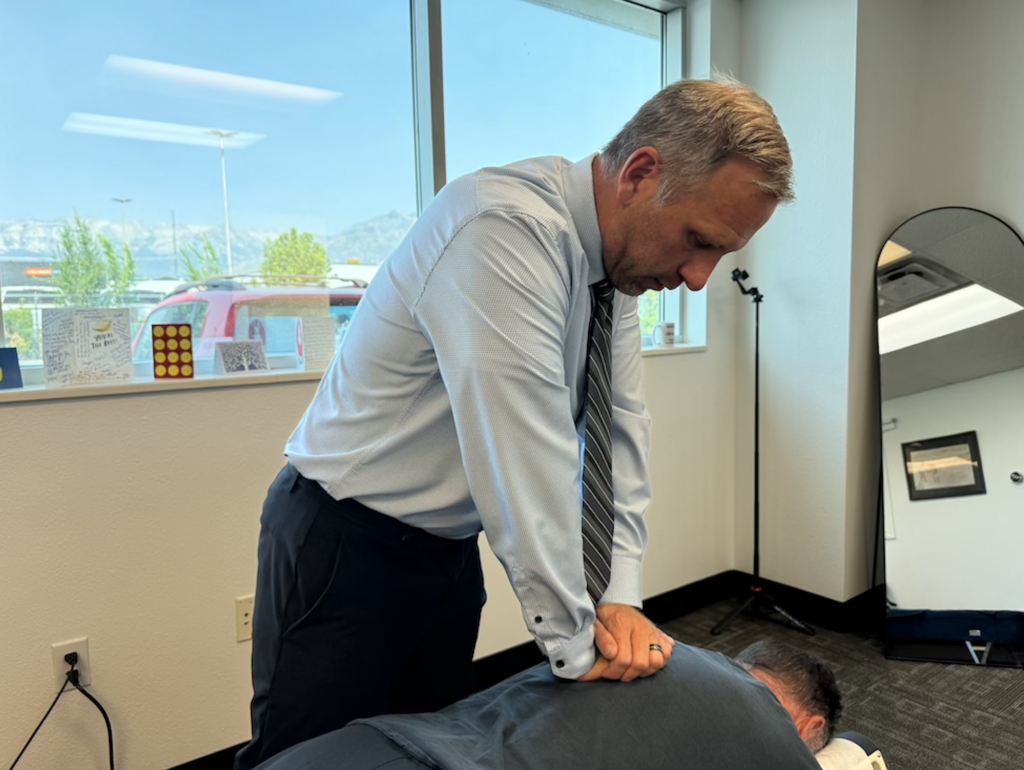
If you’re experiencing lower back discomfort, rest assured that you’re not alone in this struggle. Many individuals face similar challenges, and these issues can significantly affect your day-to-day activities. As a local chiropractor, I want to share some valuable insights and practical strategies that can help you manage your pain effectively.
Chiropractic care focuses on the body’s natural ability to heal itself, and there are various methods we can explore together to improve your back health. Simple posture adjustments can make a world of difference, as can specific exercises tailored to your needs. By incorporating these techniques into your routine, you can regain control over your well-being and alleviate discomfort.
Let’s take a closer look at these approaches and discover how chiropractic care can empower you to lead a more comfortable life. Your journey to better back health starts here!
Maintain Good Posture
As a local chiropractor, I want to emphasize the importance of maintaining good posture for your overall health, especially when it comes to preventing lower back discomfort. It may seem straightforward, but being mindful of your body’s alignment while sitting, standing, or walking can have a profound impact on your well-being.
When you sit, it’s crucial to keep your shoulders back and relaxed, ensuring that your ears align with your shoulders. Opt for a chair that offers proper support to your lower back, and make sure your feet are flat on the floor. Slouching or leaning forward can create unnecessary strain on your spine, leading to discomfort over time.
When standing, distribute your weight evenly between both feet and avoid locking your knees. If you spend a lot of time at a desk, adjust your monitor to eye level to prevent straining your neck by looking down or craning it forward.
By consciously focusing on your posture throughout the day, you’ll not only enhance your comfort but also significantly lower the risk of developing chronic lower back problems.
Incorporate Stretching Exercises
As a local chiropractor dedicated to helping our community understand the importance of natural healing, I often encounter patients struggling with lower back discomfort. One effective and holistic approach to alleviate this pain is to incorporate stretching exercises into your daily routine. Stretching not only improves your flexibility but also significantly reduces tension in the lower back, promoting overall wellness.
Here are some stretches I recommend:
- Child’s Pose: Begin by kneeling on the floor, then sit back on your heels and stretch your arms forward, allowing your forehead to rest gently on the ground. This pose encourages a gentle lengthening of your spine and helps to release tension.
- Cat-Cow Stretch: Position yourself on all fours with your hands directly under your shoulders and knees under your hips. As you inhale, arch your back (Cat Pose), and as you exhale, round your spine upwards (Cow Pose). This dynamic stretch mobilizes your spine and alleviates tightness.
- Seated Forward Bend: Sit with your legs extended straight in front of you. Inhale deeply, then as you exhale, reach for your toes, allowing your upper body to relax forward. This stretch targets the entire back, promoting relaxation and flexibility.
- Knees-to-Chest: Lie flat on your back and gently pull your knees towards your chest. Hold this position for a few breaths to release tightness in the lower back and encourage relaxation.
Integrating these stretches into your daily routine can profoundly impact your comfort and well-being.
As your chiropractor, I encourage you to adopt these practices as part of a comprehensive approach to maintaining a healthy spine and reducing discomfort.
Strengthen Core Muscles
As a local chiropractor, I want to emphasize the importance of strengthening your core muscles to effectively manage lower back discomfort.
A strong core not only provides stability and support for your spine but also plays a crucial role in preventing injuries. By focusing on core strength, you can enhance your overall well-being and improve your daily function.
Let’s take a look at some core exercises that can help you build strength and support your spine, ensuring a healthier, pain-free life.
Core Exercises Overview
As a local chiropractor, I want to emphasize the importance of strengthening your core muscles for managing lower back discomfort. A strong core acts as a natural support system for your spine, providing stability and reducing the risk of injury.
By incorporating core exercises into your daily routine, you can alleviate discomfort and improve your overall well-being. Here are four effective exercises I recommend:
- Plank: Begin by holding a plank position, ensuring that your body forms a straight line from your head to your heels. This exercise engages multiple muscle groups, promoting stability.
- Bird-Dog: Start on all fours and extend one arm forward while simultaneously extending the opposite leg backward. Keep your core engaged throughout to maintain balance and support your spine.
- Bridges: Lie on your back with your knees bent. Lift your hips toward the ceiling while squeezing your glutes. This exercise not only strengthens your core but also targets your lower back muscles.
- Dead Bug: Lie on your back and raise your legs and arms. Alternately extend one leg and the opposite arm while keeping your core tight. This movement helps improve coordination and core stability.
Integrating these exercises into your routine can build strength and effectively support your lower back, ultimately leading to a healthier lifestyle.
If you have any questions about these exercises or how they can benefit you, feel free to reach out to me. Your journey to better health starts with a strong core!
Importance of Stability
As a local chiropractor, I want to emphasize the vital role stability plays in your overall health, particularly when it comes to your back. By focusing on strengthening your core muscles, you not only enhance your physical performance but also create a protective barrier for your lower back against potential injuries.
A robust core acts as a natural brace for your spine, which significantly reduces the strain during everyday activities. Incorporating exercises such as planks, bridges, and abdominal crunches into your routine can help you develop the strength necessary to support your lower back effectively.
This stability is key to maintaining proper posture and balance, which in turn makes you less susceptible to discomfort and pain. Moreover, a strong core contributes to better overall mobility, allowing you to move with greater ease and confidence.
It’s important to understand that incorporating core workouts into your lifestyle isn’t solely about achieving a certain look; it’s an essential step toward sustaining a healthy back and enjoying an active, fulfilling life. Embracing these practices can be a natural way to enhance your well-being and prevent future issues.
Use Ergonomic Furniture
As a local chiropractor, I want to emphasize the importance of using ergonomic furniture to alleviate lower back discomfort. Proper furniture can significantly enhance your posture and provide the necessary support for your spine, leading to greater overall comfort throughout your day.
Here are four essential items I recommend evaluating for your home or workspace:
- Ergonomic Chair: When choosing a chair, prioritize features like adjustable height, lumbar support, and armrests. These elements help to keep your spine aligned while you sit, reducing the risk of developing pain.
- Standing Desk: Incorporating a standing desk into your routine allows you to alternate between sitting and standing. This shift can relieve pressure on your spine and promote better circulation.
- Footrest: A footrest is an often-overlooked accessory that can make a significant difference. It helps maintain proper leg positioning, which in turn reduces strain on your lower back.
- Cushioned Mat: If your job involves standing for extended periods, a cushioned mat can be a game-changer. It provides support to your feet and back, minimizing discomfort and fatigue.
Apply Heat or Cold Therapy
As your local chiropractor, I want to share some valuable insights on managing lower back discomfort through the application of heat or cold therapy.
Understanding how these methods work can be a game-changer in your journey to relief.
Heat therapy is particularly beneficial for relaxing tight muscles and enhancing blood circulation in the affected area. This can lead to a significant reduction in discomfort.
On the other hand, cold therapy is effective in reducing inflammation and numbing sharp pain, making it an excellent choice during acute episodes of pain.
Knowing when to apply heat and when to use cold is essential for maximizing your relief.
I encourage you to consider these therapies as part of your holistic approach to healing and well-being.
If you have any questions or need further guidance, feel free to reach out during your next visit!
Benefits of Heat Therapy
As a local chiropractor, I often recommend heat therapy to my patients who are experiencing lower back discomfort. This simple yet effective treatment can create a soothing environment that promotes healing and comfort.
Let me share some of the key benefits that heat therapy can offer:
- Increased Blood Flow: Applying heat to the affected area helps dilate blood vessels, which enhances circulation. This increased blood flow can significantly aid in the recovery process.
- Muscle Relaxation: The warmth from heat therapy relaxes tight muscles, which helps to reduce tension and alleviate pain. This is particularly beneficial for those who may be dealing with muscle stiffness or spasms.
- Pain Relief: Heat therapy can effectively dull sharp pain signals sent to your brain, providing a comforting relief that many patients find beneficial. It’s a natural way to manage discomfort without relying solely on medication.
- Enhanced Flexibility: Heat increases the elasticity of your muscles and connective tissues, making movement easier and reducing stiffness. This can be especially helpful for those who need to maintain mobility in their daily activities.
Incorporating heat therapy into your routine can be a valuable addition to your self-care, especially when combined with chiropractic adjustments and other natural healing methods.
If you have any questions or would like to learn more about how heat therapy can help with your lower back discomfort, feel free to reach out! Your well-being is our priority.
When to Use Cold
As a local chiropractor dedicated to helping you manage your lower back discomfort, I want to emphasize the importance of understanding when to use cold therapy.
While heat therapy has its benefits, cold therapy plays a crucial role in reducing inflammation and numbing sharp pain, especially in cases of acute injuries or flare-ups.
If you’ve recently strained your back or are experiencing sudden pain, applying a cold pack for 15-20 minutes can be an effective way to alleviate your discomfort.
I recommend using cold therapy within the first 48 hours after an injury, as this can significantly minimize swelling and promote healing.
When using a cold pack, always remember to wrap it in a cloth to protect your skin from frostbite.
Pay close attention to how your body responds; if you notice any adverse reactions such as increased pain or prolonged numbness, please remove the cold source right away.
Your body often knows best, so it’s important to listen to it and adjust your approach as needed.
Stay Active and Mobile
As a local chiropractor, I want to emphasize the importance of staying active and mobile for managing lower back discomfort. Keeping your muscles strong and flexible is crucial, and you don’t have to commit to intense workouts to achieve this.
Simple activities can make a remarkable difference in your overall well-being. Here are some practical ways to incorporate movement into your daily routine:
- Take short walks: A brief 10-minute stroll can significantly enhance circulation and alleviate tension in your back.
- Stretch regularly: Gentle stretching exercises can effectively release tightness and enhance your range of motion, which is vital for maintaining spinal health.
- Incorporate light strength training: Utilizing resistance bands or light weights can help strengthen your core muscles, providing better support for your back and reducing discomfort.
- Try yoga or tai chi: These mindful practices promote balance, flexibility, and relaxation, all of which can contribute to alleviating discomfort and improving your overall mobility.
By integrating these simple movements into your daily life, you can take a proactive approach to managing your back pain and enhancing your overall health.
Consult a Healthcare Professional
If you’re dealing with persistent lower back discomfort despite staying active, it’s essential to consider visiting a chiropractor. Ignoring ongoing pain can lead to more significant issues down the road, and a chiropractor specializes in assessing and treating musculoskeletal conditions like yours.
During your visit, I’ll take the time to understand your symptoms—when the pain occurs, its intensity, and any activities that seem to make it worse. This information is crucial for creating a personalized treatment plan that addresses the underlying causes of your pain.
Chiropractors often use a variety of techniques, including spinal adjustments, to help restore proper alignment and function to your spine, which can relieve discomfort and improve mobility.
Moreover, seeking chiropractic care can provide you with peace of mind, knowing that you’re taking proactive steps towards recovery. Early intervention is key to better outcomes, so don’t delay in scheduling an appointment.
Your lower back health isn’t just important for your comfort; it plays a vital role in your overall well-being. By exploring chiropractic care and natural healing methods, you’re making a smart choice for your health.
Conclusion
As a local chiropractor, I want to share some essential tips to help you manage lower back discomfort and enhance your overall well-being. First and foremost, it’s crucial to focus on maintaining good posture throughout your daily activities. This simple change can significantly reduce strain on your spine.
Incorporating stretching and core strengthening exercises into your routine is another effective strategy. These exercises can help support your back and improve flexibility, making you less prone to discomfort. Additionally, consider using ergonomic furniture, which is designed to support your spine’s natural alignment, whether you’re working at a desk or sitting in your living room.
Heat and cold therapy can also be beneficial. Applying heat can relax tense muscles, while cold therapy can help reduce inflammation. Remember, staying active is key—regular movement can keep your body limber and prevent stiffness.
If your discomfort persists, don’t hesitate to reach out to a healthcare professional, such as a chiropractor, for personalized guidance. We are trained to assess your condition and provide natural healing options tailored to your needs. Always listen to your body and prioritize your health; with the right approach, you can lead a pain-free life!