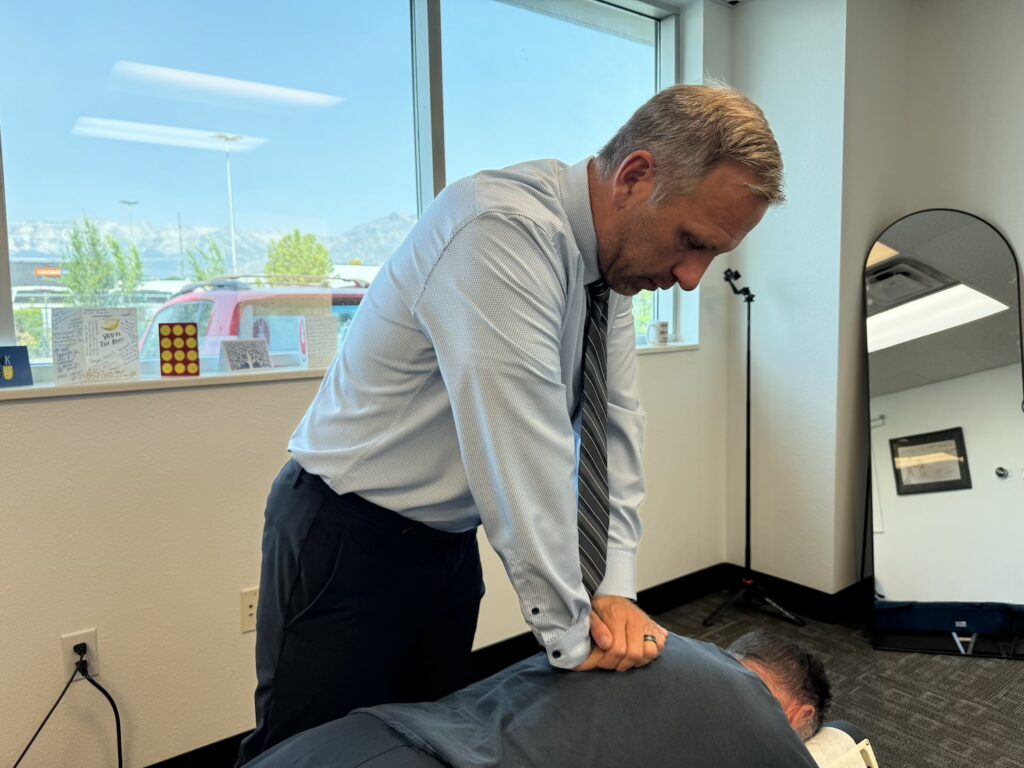
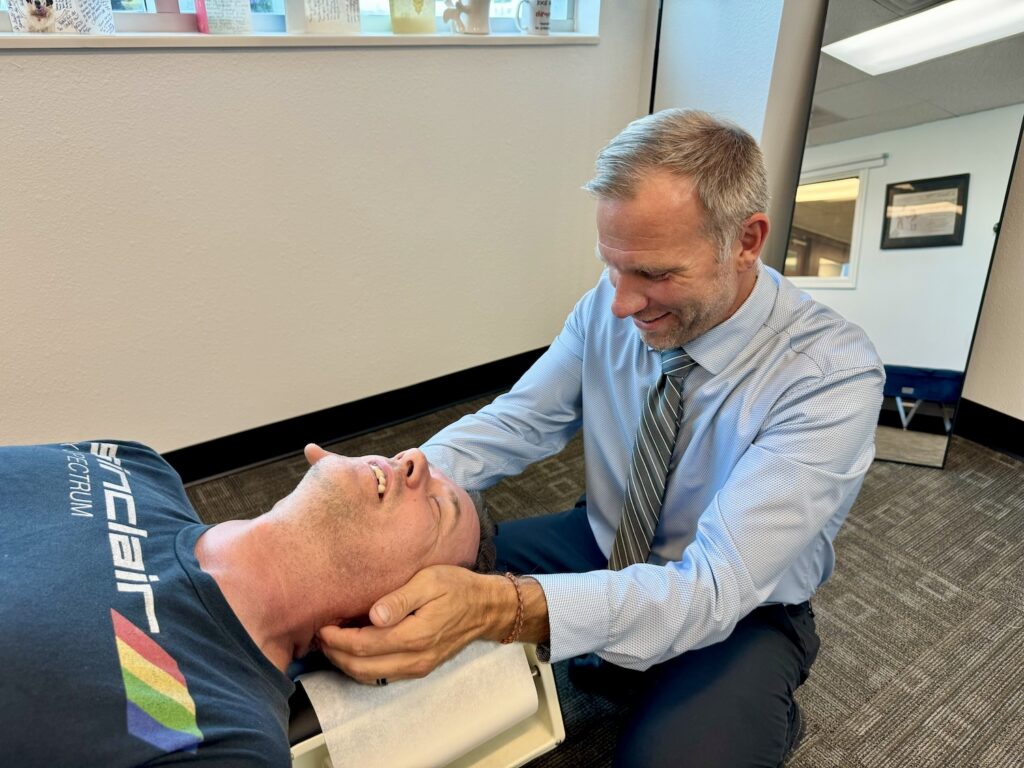
As a local chiropractor, I often encounter patients who are eager to manage their pain without relying on medication. You’re not alone in this pursuit! Many individuals are discovering the benefits of natural techniques that can provide relief and enhance overall well-being.
In chiropractic care, we focus on holistic approaches that include not only spinal adjustments but also mindfulness practices and dietary modifications. These methods can play a vital role in your journey to better health. Understanding how these techniques work is essential, as they can significantly impact your daily life.
So, what are some effective strategies you can easily integrate into your routine? Whether it’s through gentle exercises, posture improvement, or incorporating specific anti-inflammatory foods, I’m here to guide you on this path to natural healing. Together, we can find the best approach for your unique needs.
Understanding Pain and Its Causes
As a local chiropractor, I want to help you understand the importance of recognizing and addressing pain in your body. Pain is essentially your body’s way of communicating that something isn’t quite right—whether that’s due to an injury, inflammation, or another underlying health concern.
By identifying the type of pain you’re experiencing—acute or chronic—you can gain valuable insight into its cause. Acute pain typically arises from a specific incident, such as a sprain or fracture. On the other hand, chronic pain may linger long after the initial injury has healed, often related to conditions like arthritis or fibromyalgia.
Understanding the nature of your pain is the first step toward effective treatment. As you consider your pain, it’s important to pay attention to its location and intensity. Are you feeling sharp, dull, or throbbing sensations? Each type of pain can provide clues about its origin.
Also, think about any activities or movements that seem to aggravate your discomfort. By being aware of these factors, you can work with me to explore natural techniques for managing your pain effectively.
In our chiropractic practice, we focus on holistic and natural healing methods that empower your body to heal itself. Let’s work together to identify the root cause of your pain and develop a personalized treatment plan that suits your needs.
The Role of Mindfulness and Meditation
Understanding your pain is just the starting point; how you choose to respond to it can significantly impact your healing journey. As a local chiropractor, I want to introduce you to the powerful tools of mindfulness and meditation, which can greatly aid in managing your discomfort.
By honing in on the present moment, you can cultivate a sense of calm that reduces stress and tension—factors that often intensify pain. When you engage in mindfulness practices, you learn to observe your pain without judgment. This important shift in perspective allows you to detach from the emotional reactions that pain can provoke.
Incorporating meditation into your routine can further enhance this process, as it teaches you how to breathe deeply and relax both your mind and body, encouraging your natural pain relief mechanisms.
By integrating these techniques into your daily life, you can take charge of your healing experience. With time and regular practice, you’ll discover that mindfulness and meditation not only improve your overall well-being but also empower you to navigate your pain with greater ease.
As your chiropractor, I’m here to support you on this journey toward natural healing and a healthier life.
Herbal Remedies for Pain Relief
As a local chiropractor, I want to share some insights about managing pain through herbal remedies, which can be a beneficial complement to chiropractic care.
Many of you may have heard of popular options like turmeric and ginger, which are known for their anti-inflammatory properties. However, it’s important to understand how to properly prepare and dose these herbs to ensure that you use them safely and effectively.
Incorporating natural pain relievers can enhance your healing journey. For instance, turmeric contains curcumin, which can help alleviate pain and reduce inflammation. Ginger is also known for its ability to soothe discomfort.
I encourage you to explore these remedies, but I recommend consulting with a healthcare professional or a knowledgeable practitioner to determine the right preparation methods and dosages that suit your individual needs.
By integrating herbal remedies with chiropractic adjustments, we can address the root causes of your pain and promote overall wellness.
Together, we can find a holistic approach to managing your discomfort and improving your quality of life.
Popular Herbal Pain Relievers
As a local chiropractor, I often see patients seeking alternatives to conventional pain relief methods, which can come with unwanted side effects. Many individuals are discovering the benefits of popular herbal pain relievers for a more natural approach to managing discomfort.
For instance, turmeric, known for its active compound curcumin, is highly regarded for its anti-inflammatory properties, making it a great option for those suffering from joint pain.
Similarly, willow bark, often referred to as nature’s aspirin, can be effective in alleviating headaches and muscle pain.
Ginger, which many of you might associate with digestive health, also provides significant relief, especially for arthritis sufferers.
Another powerful herbal remedy is cayenne pepper; its active component, capsaicin, can help diminish pain sensations.
Lastly, boswellia, or Indian frankincense, is celebrated for its support of joint health.
Incorporating these herbal remedies into your wellness routine can offer a holistic way to manage pain and improve your overall health without the side effects often associated with pharmaceuticals.
I encourage you to explore these natural options as part of your journey towards better health and pain management.
Preparation and Dosage Guidelines
As a chiropractor dedicated to your overall health and wellness, I want to share some valuable insights about using herbal remedies for pain relief. Many of my patients may not be familiar with how to properly prepare and dose these natural solutions, so let’s break it down.
First and foremost, it’s crucial to select high-quality herbs, whether you choose dried or fresh options. If you’re interested in making a tea, a good rule of thumb is to use about one tablespoon of dried herbs or two tablespoons of fresh herbs for each cup of water.
Start by bringing the water to a boil, then let the herbs steep for about 10 to 15 minutes to extract their beneficial properties.
For those considering tinctures, you’ll want to mix one part herb with five parts alcohol and allow it to steep for several weeks. This method can create a potent extract that might aid in your healing process.
When it comes to dosing, it’s best to start small. I recommend beginning with about one teaspoon of tincture or one cup of tea.
Pay attention to how your body responds, and adjust the amount as necessary. It’s always wise to consult with a healthcare provider, including myself, before starting any new herbal regimen to ensure it’s safe and effective for your individual needs.
Remember, at our practice, we believe in a holistic approach to health that includes exploring natural healing methods alongside chiropractic care.
If you have any questions about incorporating herbal remedies into your wellness routine, feel free to ask!
Acupuncture: An Ancient Solution
As a local chiropractor, I want to introduce you to a time-honored practice that has been used for thousands of years: acupuncture. This ancient healing method has gained popularity for good reason.
In our practice, we often explore various techniques that not only target pain relief but also promote overall wellness.
Understanding how acupuncture works can open up new avenues for managing your pain and enhancing your health. It’s fascinating to see how this ancient solution, combined with chiropractic care, can help restore balance to your body.
History of Acupuncture
As a chiropractor, I want to take a moment to share some fascinating insights about acupuncture, a practice that has been around for thousands of years and is an integral part of natural healing.
Its origins can be traced back to the Han Dynasty in ancient China, where healers used sharp stones and later metal needles to stimulate specific points on the body. The underlying belief is that by balancing the body’s energy, known as “qi,” we can promote healing and alleviate pain.
Over the centuries, acupuncture has evolved by incorporating various techniques and insights from different schools of thought. When it made its way to the West in the late 20th century, it quickly gained recognition, particularly for its effectiveness in managing pain.
As you explore natural approaches to enhance your overall well-being, acupuncture can be a valuable tool in addressing various health concerns.
Just like chiropractic care, which focuses on spinal alignment and the nervous system, acupuncture aims to restore balance and promote healing in the body. Together, these methods can support your journey toward optimal health and vitality.
Techniques and Practices
As a local chiropractor, I want to share with you some fascinating techniques that can complement your journey towards pain relief and overall wellness. Many people may not realize that while chiropractic care focuses on spinal alignment and musculoskeletal health, there are various natural healing practices that can enhance the benefits of your treatment.
For example, acupuncture is a time-honored practice that can work hand-in-hand with chiropractic adjustments. By stimulating specific points on the body, acupuncture may help alleviate pain and promote healing. When combined with modern techniques like electroacupuncture, which uses gentle electrical stimulation on the needles, you might experience even greater relief.
Another method worth exploring is cupping therapy. This technique can increase blood flow and aid in the recovery of sore muscles, often making it an excellent addition to your chiropractic care.
Similarly, moxibustion, which involves the burning of mugwort near acupuncture points, can warm the body and invigorate your energy, complementing the adjustments you receive.
Integrating these ancient practices into your treatment plan allows for a more personalized approach to pain management. I encourage you to consult with a qualified practitioner who can help tailor these techniques to your specific needs.
Together, we can work towards reclaiming your comfort and enhancing your well-being through a holistic approach to health.
Benefits for Pain Relief
As a local chiropractor, I want to introduce you to some effective natural pain relief options that can complement your wellness journey. One such method is acupuncture, a time-honored practice that involves the insertion of thin needles into specific points on your body to promote healing and restore balance.
Many patients have experienced significant relief from various types of pain, including migraines, arthritis, and lower back discomfort, through acupuncture. This technique works by stimulating your body’s natural painkillers, like endorphins, which can enhance your overall sense of well-being.
Acupuncture not only helps alleviate physical pain but also addresses the emotional stress that often accompanies it. It can improve blood circulation and reduce inflammation, leading to longer-lasting relief.
By considering acupuncture as part of your chiropractic care plan, you can take a meaningful step towards holistic pain management that tackles both the physical and emotional aspects of your discomfort.
Let’s work together to explore these natural healing options for your health and wellness!
Physical Therapy Techniques
As a local chiropractor, I want to introduce you to the effective techniques we use to manage pain and enhance your mobility through natural healing. Our approach involves personalized treatment plans specifically tailored to your unique needs.
One of the cornerstone techniques we utilize is manual therapy, which involves hands-on manipulation of the body. This technique helps relieve tension and improve circulation, promoting overall wellness. Additionally, we incorporate therapeutic exercises designed to strengthen your muscles and increase flexibility, gradually alleviating discomfort.
Another beneficial method is aquatic therapy, conducted in warm water. This approach alleviates stress on your joints, allowing you to move freely and comfortably.
We also utilize modalities such as ultrasound and electrical stimulation, which can effectively reduce pain and inflammation.
Throughout your journey, I’ll guide you through these techniques, ensuring you maintain proper form and technique for optimal results. By committing to a consistent routine, you can experience significant improvements in your pain levels and overall function.
The Benefits of Yoga and Stretching
As a local chiropractor, I want to emphasize the importance of incorporating yoga and stretching into your routine for effective pain management. These practices can significantly enhance your overall well-being and support the healing process.
Yoga is particularly beneficial as it promotes flexibility, which alleviates tension in your muscles and improves your range of motion. By practicing yoga regularly, many of my patients have reported feeling their muscles relax, which can lead to a noticeable reduction in discomfort and pain.
Stretching, on the other hand, plays a crucial role in increasing blood flow to your muscles. This enhanced circulation not only promotes healing and recovery but is also extremely effective in alleviating stiffness and improving posture—two factors that can contribute significantly to your pain.
Moreover, both yoga and stretching have a calming effect on the mind, helping to reduce stress and anxiety levels. Since emotional stress often exacerbates physical pain, these practices can be a vital part of your natural healing journey.
I encourage you to consider adding yoga and stretching to your daily routine for better pain management and overall health.
Nutrition’s Impact on Pain Management
As your local chiropractor, I want to emphasize the crucial role that nutrition plays in managing pain. Many people may not realize that the foods we eat can greatly influence our overall well-being and discomfort levels.
By incorporating anti-inflammatory foods into your diet and ensuring you stay well-hydrated, you can significantly alleviate pain and enhance your recovery process.
Choosing the right foods can be a game changer in your pain management strategy. For instance, foods rich in omega-3 fatty acids, such as salmon and walnuts, can help reduce inflammation in the body. Additionally, leafy greens, berries, and nuts are packed with antioxidants that combat oxidative stress, further supporting your body’s healing mechanisms.
Remember, hydration is equally important. Drinking enough water helps maintain joint lubrication and supports overall bodily functions, which can play a key role in how your body handles pain.
By making these mindful dietary choices, you not only support your chiropractic care but also empower yourself in your journey towards better health.
Let’s explore these options together and find a nutrition plan that works for you!
Anti-Inflammatory Foods
As a local chiropractor, I often emphasize the importance of nutrition in managing pain and promoting overall wellness. Incorporating anti-inflammatory foods into your diet can significantly impact your body’s response to pain and inflammation, which are often underlying factors in chronic conditions.
Here are four powerful options you should consider adding to your meals:
- Berries: These little fruits are loaded with antioxidants, which are crucial for combating oxidative stress in the body. Including a variety of berries in your diet can help support your body’s natural healing processes.
- Fatty Fish: Fish such as salmon and mackerel are excellent sources of omega-3 fatty acids. These healthy fats have been shown to reduce inflammation and may help alleviate pain associated with various conditions.
- Leafy Greens: Leafy vegetables like spinach and kale aren’t only nutrient-dense but also provide essential vitamins and minerals that bolster your immune system. A strong immune system is vital for healing and maintaining balance in your body.
- Nuts: Snacking on nuts, such as almonds and walnuts, can be beneficial as they’re packed with healthy fats. These nuts can help lower inflammation markers and are a great addition to a balanced diet.
By making these dietary changes, you can support your body’s natural healing abilities and complement the chiropractic care you receive.
Hydration and Pain Relief
As a local chiropractor, I want to share an important aspect of pain management that many people may overlook: hydration. Staying well-hydrated is crucial for your body to function optimally, which can significantly help in reducing discomfort and inflammation.
When you’re dehydrated, you might experience muscle cramps, headaches, and fatigue—conditions that can all exacerbate your pain.
Drinking enough water each day is vital; it aids in nutrient absorption and promotes better circulation, both of which are key for your body’s healing processes.
I encourage you to not only drink water but also include hydrating foods in your diet, such as fresh fruits and vegetables. These foods can provide essential vitamins and minerals that support pain relief. Herbal teas and broths are also excellent choices to keep your hydration levels up.
Aim for at least eight glasses of water a day, but feel free to adjust that based on your activity level and the climate you live in.
Essential Oils and Aromatherapy
As a local chiropractor dedicated to your holistic health, I want to introduce you to the benefits of essential oils and aromatherapy as natural alternatives for pain relief. Many of my patients often seek conventional treatments, but incorporating these plant-based remedies can enhance your overall well-being and support your healing journey.
Essential oils harness the therapeutic power of nature to alleviate discomfort and promote relaxation. Here are four oils that may provide significant relief:
- Lavender: Renowned for its calming effects, lavender can help ease tension and reduce headaches, making it a great companion to your chiropractic adjustments.
- Peppermint: This oil offers a refreshing cooling sensation that can soothe muscle pain and headaches when applied topically, complementing the relief you receive from spinal care.
- Eucalyptus: While commonly associated with respiratory health, eucalyptus can also relieve muscle soreness and inflammation, supporting your body’s recovery after a chiropractic session.
- Chamomile: Known for its gentle and relaxing properties, chamomile can help alleviate stress-related pain, providing a comforting addition to your self-care routine.
You can incorporate these essential oils into your daily life in various ways—use a diffuser to fill your space with calming scents, mix them with a carrier oil for a soothing massage, or add a few drops to a warm bath for a relaxing soak.
Heat and Cold Therapy
As your local chiropractor, I want to emphasize the importance of heat and cold therapy in managing pain and supporting your recovery process. Many of my patients have found these methods incredibly beneficial, especially when combined with chiropractic care.
Heat therapy is excellent for increasing blood flow, relaxing tight muscles, and alleviating stiffness. You can easily incorporate this into your routine using a heating pad, a warm towel, or a hot water bottle. Just remember to keep the heat at a comfortable level to prevent any burns.
Conversely, cold therapy can be a game-changer when it comes to reducing inflammation and numbing sharp pain. Ice packs or cold compresses are particularly effective following an injury or during flare-ups. For the best results, apply cold therapy for about 15-20 minutes at a time, and always protect your skin with a cloth.
Many patients find that alternating between heat and cold therapy provides the greatest relief. It’s essential to listen to your body and adjust your approach based on how you feel.
Lifestyle Changes for Long-Term Relief
As a local chiropractor, I want to share some valuable insights on how small lifestyle changes can significantly enhance your long-term pain relief and overall well-being. Many of my patients are surprised to learn that by simply adjusting their daily habits, they can alleviate discomfort and improve their quality of life.
Here are four effective changes I recommend:
- Stay Active: Engaging in regular physical activity is essential for maintaining flexibility and strength. Activities like walking or swimming can be tailored to fit your individual needs and abilities. Movement is key to supporting your spine and overall health.
- Eat a Balanced Diet: Nutrition plays a crucial role in managing pain. I encourage you to incorporate anti-inflammatory foods into your diet, such as a variety of fruits, vegetables, and healthy fats. These foods can help reduce inflammation, which is often a significant factor in chronic pain.
- Prioritize Sleep: Quality sleep is vital for pain management and overall health. Aim for 7-9 hours of restorative sleep each night. Establishing a regular sleep routine can help your body repair and rejuvenate, which is particularly important for those dealing with pain.
- Practice Stress Management: Stress can exacerbate pain, so it’s important to incorporate stress-reducing techniques into your daily routine. Practices such as meditation, yoga, or deep breathing exercises can promote relaxation and help manage the stress that often accompanies chronic pain.
By embracing these lifestyle changes, you can foster lasting relief and lead a healthier, more fulfilling life.
Start with one or two changes, and gradually build on them to see the best results. Remember, your journey to wellness is a process, and I’m here to support you every step of the way.
Conclusion
As a local chiropractor, I want to share how incorporating natural techniques for pain management can significantly improve your quality of life. Many people are unfamiliar with chiropractic care and the holistic approaches we offer, so let’s explore some effective methods together.
Mindfulness practices can help you become more aware of your body and its signals, allowing you to manage pain more effectively. Herbal remedies may also provide relief by supporting your body’s natural healing processes. Additionally, acupuncture is a time-tested technique that can help reduce discomfort and promote overall well-being.
Nutrition plays a critical role in pain management, and I encourage you to consider how a balanced diet can impact your health. Lifestyle changes, such as engaging in regular exercise tailored to your needs, can strengthen your body and enhance mobility. Heat and cold therapy are simple yet powerful tools that can alleviate pain and inflammation.
Remember, taking charge of your pain management journey is empowering. By exploring these natural techniques, you can live more fully and enjoy life with less discomfort. I invite you to start this journey with us today and discover what works best for you!