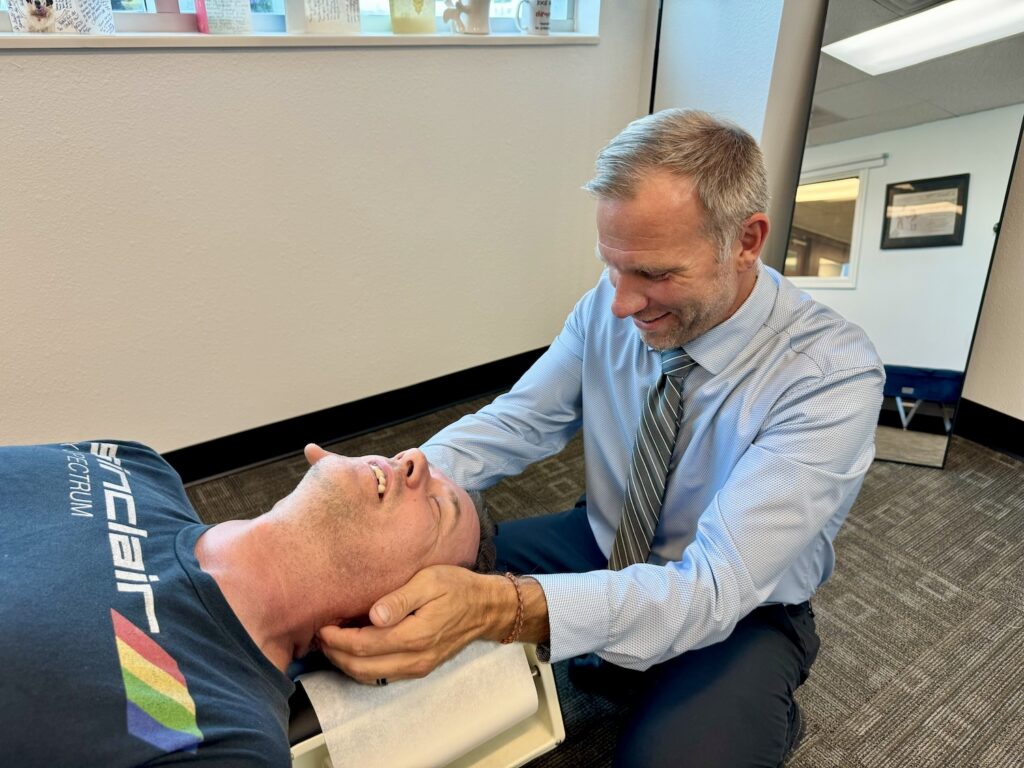
As a local chiropractor, I understand that chronic back pain can be a significant challenge for many individuals. It’s important to know that there are effective management techniques available that can truly transform your quality of life. You may be surprised to learn how a blend of chiropractic care, specific exercises tailored to your needs, and mindfulness practices can significantly alleviate your discomfort.
Chiropractic care focuses on aligning the spine and improving overall function, which can lead to substantial pain relief. Coupled with targeted exercises, we can strengthen the muscles that support your back, helping you to regain mobility and prevent future pain. Additionally, incorporating mindfulness practices into your routine can help you manage stress and enhance your body’s natural healing processes.
Understanding your options is crucial in creating a personalized plan that works specifically for you. I invite you to explore these strategies with me, as together we can work towards a more pain-free life. Your journey to better back health starts here!
Understanding Chronic Back Pain
As a local chiropractor, I understand that experiencing chronic back pain can be both overwhelming and confusing. Many of my patients often ask why their pain persists despite various treatments. Chronic back pain is typically defined as pain that lasts longer than three months and can stem from a variety of factors, such as injuries, poor posture, or underlying medical conditions.
Unlike acute pain, which usually signals an immediate issue, chronic pain often doesn’t have a clear purpose, leading to frustration and uncertainty.
It’s crucial to understand your pain as part of effective management. I encourage my patients to pay attention to patterns and triggers related to their pain—such as activities or positions that exacerbate or relieve their discomfort. This awareness is invaluable when discussing your symptoms with healthcare providers.
Moreover, it’s important to recognize that chronic back pain doesn’t just affect your physical health; it can also impact your mental well-being. I recommend seeking out a strong support system, whether through friends, family, or community support groups.
Together, we can work towards managing your pain through natural healing methods, helping you navigate daily life more comfortably and confidently. Remember, you don’t have to face this journey alone, and chiropractic care can play a significant role in your healing process.
Physical Therapy Techniques
As a local chiropractor, I want to share how chiropractic care can be an effective solution for managing chronic back pain.
Our approach emphasizes natural healing by strengthening your muscles and enhancing mobility, which not only helps alleviate pain but also improves your overall function and prevents future issues.
Here are three chiropractic techniques you might find beneficial:
- Spinal Manipulation: This hands-on technique involves carefully adjusting your spine and surrounding muscles. By realigning your spine, we can relieve pain and improve your range of motion, allowing your body to heal more effectively.
- Postural Correction: Educating you on proper posture during your daily activities can significantly reduce the strain on your back. With better posture, you’ll experience less discomfort and lower the risk of future injuries.
- Thermal Therapy: Utilizing both heat and cold treatments can be incredibly effective. Heat helps to relax tense muscles, while cold therapy works to reduce inflammation. Alternating these methods can’t only provide immediate relief but also promote long-term healing.
Exercise and Strengthening
As a local chiropractor, I want to emphasize the importance of incorporating exercise and strengthening into your routine when managing chronic back pain. This approach can significantly enhance your recovery journey.
It’s essential to focus on core stability exercises, flexibility and stretching, as well as low-impact cardio activities. These components not only help alleviate pain but also improve your overall mobility and strength.
Many patients often underestimate the power of movement and strengthening exercises in natural healing. By engaging in these activities, you can support your spine and surrounding muscles, leading to better alignment and reduced discomfort.
Core Stability Exercises
As a local chiropractor, I want to emphasize the importance of core stability exercises for those of you managing chronic back pain. Strengthening the muscles that support your spine is vital in our journey toward natural healing.
These exercises not only enhance your posture and balance but also boost your overall strength, making daily tasks more manageable and alleviating discomfort. Here are some foundational core stability exercises I recommend incorporating into your routine:
- Planks: Start by holding a plank position for 20-30 seconds. Ensure your body forms a straight line from head to heels; this helps activate your core muscles effectively.
- Bird-Dogs: Begin in a tabletop position on your hands and knees. Extend one arm forward while simultaneously extending the opposite leg back, all while keeping your core engaged. Alternate sides to maintain balance and stability.
- Bridges: Lie flat on your back with your knees bent. Gently lift your hips toward the ceiling, creating a straight line from your knees to your shoulders. Hold this position for a few seconds before lowering your hips back down.
Integrating these exercises into your daily routine can significantly contribute to your overall spine health and pain management.
Flexibility and Stretching
As a chiropractor, I want to emphasize the crucial role that flexibility and stretching play in managing back pain and enhancing overall health.
While building strength through core stability exercises is essential, it’s equally important not to neglect the benefits of incorporating flexibility work into your routine.
Gentle stretching techniques can significantly improve your mobility and alleviate muscle tension. I recommend focusing on stretches that specifically target the back, hips, and legs.
Effective movements like the cat-cow stretch, child’s pose, and hamstring stretches can provide noticeable relief and expand your range of motion.
I encourage you to aim for daily stretching, holding each position for at least 20-30 seconds.
However, it’s vital to listen to your body—never push yourself through pain.
By prioritizing flexibility, you’ll not only reduce discomfort but also complement your strength-building efforts.
This holistic approach will make it easier for you to engage in daily activities without strain, ultimately supporting your journey to better health through natural healing methods.
Low-Impact Cardio Activities
As a local chiropractor, I often see patients who struggle with back pain and are looking for effective ways to manage their discomfort. One approach that I highly recommend is incorporating low-impact cardio activities into your routine.
These exercises can improve your overall fitness while minimizing strain on your back. Let’s explore three key benefits:
- Improved Blood Flow: Activities such as swimming or cycling are excellent for enhancing circulation. Better blood flow means that nutrients are effectively delivered to your muscles, which can significantly aid in recovery and support healing.
- Weight Management: Maintaining a healthy weight is crucial for reducing pressure on your spine. Regular low-impact cardio helps you achieve and sustain a healthy weight, which can alleviate back pain and prevent future issues.
- Enhanced Strength and Stability: Engaging in low-impact cardio promotes core strength and stability. A strong core is vital for supporting your back, which can help minimize discomfort during everyday activities.
By integrating low-impact cardio into your lifestyle, you can experience improved pain management and a better quality of life.
Remember to start slowly and pay attention to how your body responds. This personalized approach will help you discover the activities that best suit your needs and contribute to your overall wellness journey.
Ergonomics and Posture Correction
As your local chiropractor, I want to share some valuable insights on managing chronic back pain through the principles of ergonomics and posture correction.
One of the first steps you can take is to ensure that your office chair is properly adjusted to support your back. This means that your chair should allow your feet to rest flat on the floor, with your knees at a 90-degree angle.
Additionally, it’s important to adopt the right sitting techniques. For instance, keep your shoulders relaxed and avoid slouching.
These seemingly small adjustments can create a significant impact on your comfort and overall well-being throughout the day.
Remember, taking care of your posture not only helps alleviate pain but also promotes better health in the long run.
If you have any questions or need further assistance, feel free to reach out. Your well-being is our priority!
Office Chair Adjustments
As a local chiropractor, I want to share how properly adjusting your office chair can play a crucial role in alleviating chronic back pain.
Many people overlook the importance of their seating arrangement, so here are three essential adjustments to consider:
- Seat Height: It’s vital that your feet rest flat on the floor or on a footrest. This positioning helps to evenly distribute your weight and significantly reduces pressure on your lower back, which can lead to discomfort over time.
- Backrest Angle: Make sure to tilt your backrest in a way that provides support for your lower back. An angle between 90-100 degrees is often recommended, as it can help alleviate strain and encourage better posture, which is crucial for maintaining spinal health.
- Armrest Position: Adjust the height of your armrests so that your shoulders can relax and your elbows stay close to your body. This simple adjustment can minimize tension in your upper back and neck, which is often a source of pain for many individuals.
By taking these adjustments into account, you can create a more ergonomic workspace that supports your overall well-being.
Proper Sitting Techniques
As a local chiropractor dedicated to helping you manage chronic back pain, I want to emphasize the importance of proper sitting techniques, even when your office chair is adjusted correctly.
To start, make sure your feet are flat on the floor or on a footrest, and that your knees are aligned with your hips. This alignment is key to preventing strain on your back.
It’s essential to sit back in your chair so that your lower back receives proper support. If you’re feeling discomfort, consider using a lumbar roll to enhance that support. Your shoulders should remain relaxed, with your arms comfortably close to your body. Aim for your elbows to be bent at about 90 degrees, which will help maintain a natural posture.
Another crucial aspect is the position of your screen. Keeping it at eye level can prevent unnecessary strain on your neck, which is often a source of discomfort.
And don’t forget; taking regular breaks to stand, stretch, and walk around is vital. These small adjustments to your sitting habits can significantly improve your posture and alleviate discomfort throughout your workday.
By incorporating these practices into your daily routine, you can support your spine’s health and overall well-being, paving the way for a more comfortable and productive work environment.
If you have any questions or need personalized advice, feel free to reach out to me. Your journey to better health starts with understanding and making these changes!
Mindfulness and Stress Management
As a local chiropractor, I understand that managing chronic back pain can often feel daunting. However, I want to share how incorporating mindfulness and stress management techniques can significantly enhance your quality of life.
By focusing on the present moment and reducing stress, you can experience noticeable relief from pain. Here are three effective techniques that I recommend to my patients:
- Deep Breathing: I encourage you to set aside a few minutes each day for deep breathing exercises. Inhale deeply through your nose, hold for a moment, and then exhale slowly through your mouth. This practice not only calms your mind but also helps to release tension in your back, making it an invaluable tool for pain management.
- Meditation: Taking time for meditation can greatly benefit your overall well-being. Just a few minutes each day can help you become more attuned to your body and its signals, allowing you to better understand your pain and how to address it.
- Mindful Movement: Gentle activities such as yoga or tai chi can be incredibly beneficial. These practices not only improve flexibility and strength but also promote mindfulness, enabling you to manage your pain more effectively.
I’m here to support you on your journey toward better health and well-being through these holistic approaches.
Pain Management Medications
Navigating the world of pain management can feel daunting, especially when it comes to finding relief from chronic back pain. As your local chiropractor, I want to help you understand the various options available, particularly those that lean towards natural healing.
Many people turn to nonsteroidal anti-inflammatory drugs (NSAIDs) like ibuprofen or naproxen to help reduce inflammation and pain. While these can be effective, they aren’t the only route to explore. Acetaminophen is another alternative, particularly for those who may experience discomfort or side effects from NSAIDs.
For those experiencing more severe pain, some medical professionals might suggest opioids. However, it’s important to be aware that these can come with risks, including dependence and a range of side effects. Instead, I encourage looking into natural methods of pain relief. Muscle relaxants can indeed provide temporary relief for muscle spasms, but they may not address the underlying issues.
As a chiropractor, I focus on holistic approaches to alleviate pain and improve overall function. Techniques such as spinal adjustments, therapeutic exercises, and lifestyle modifications can offer significant relief without the need for medication.
If you’re considering any treatment options, I strongly recommend consulting with your healthcare provider or a chiropractor. Together, we can tailor a plan that fits your unique needs. Always be attentive to how your body responds to any treatment, and don’t hesitate to bring up any concerns during our sessions.
Your journey to wellness is a partnership, and I’m here to support you every step of the way.
Alternative Therapies
As a local chiropractor, I understand that many of you may be seeking relief from chronic back pain and mightn’t be familiar with the benefits of chiropractic care and other natural healing methods.
It’s important to explore all available options, as alternative therapies can work in harmony with traditional treatments to provide significant relief. Here are three therapies I often recommend to my patients:
- Acupuncture: This ancient technique involves the careful insertion of fine needles into specific points on the body. Many people find that acupuncture can help reduce pain and enhance overall well-being. It’s a holistic approach that targets the root of discomfort.
- Chiropractic Care: As your chiropractor, my primary focus is on your body’s musculoskeletal system. Through hands-on spinal manipulation, I can help align your spine and alleviate pressure on nerves. This not only reduces pain but also enhances mobility, allowing you to regain your quality of life.
- Massage Therapy: Therapeutic massage is an excellent complement to chiropractic care. It works to relax tense muscles and improve blood circulation, which can accelerate healing in your back. Plus, it’s a fantastic way to relieve stress and promote relaxation.
I encourage you to consider these alternative therapies as part of your journey toward healing.
Together, we can create a comprehensive plan that addresses your unique needs and helps you achieve lasting relief from back pain.
Lifestyle Modifications for Long-term Relief
As a local chiropractor, I want to share some important insights on how lifestyle modifications can lead to long-term relief from chronic back pain. It’s essential to make changes that not only support your spine but also enhance your overall health.
First and foremost, maintaining a healthy weight is vital. Carrying excess pounds can put additional strain on your back, leading to discomfort and pain. Incorporating regular exercise into your routine, particularly low-impact activities like swimming or walking, can help strengthen your core muscles and improve your flexibility. Aim for at least 30 minutes of physical activity most days of the week.
Posture is another critical factor in managing back pain. I encourage you to use ergonomic furniture that supports good posture and to practice sitting and standing with your spine aligned. Simple adjustments can make a significant difference in how you feel throughout the day.
Additionally, stretching daily helps keep your muscles flexible and reduces tension, which can alleviate discomfort.
Never underestimate the importance of sleep. A supportive mattress coupled with the right sleep position can dramatically improve your rest and recovery.
Also, managing stress is crucial, as it can exacerbate pain. Techniques such as mindfulness and meditation can be effective in reducing stress levels.
Conclusion
As a local chiropractor, I want to emphasize the importance of a personalized approach in managing chronic back pain. It’s essential to combine chiropractic adjustments, physical therapy, and targeted exercises to effectively support your spine and overall health. Many patients don’t realize how crucial proper ergonomics can be in their daily lives; making simple adjustments can greatly alleviate strain on your back.
Additionally, I encourage you to explore mindfulness and stress management techniques, as they can significantly enhance your journey toward relief. Alternative therapies, such as acupuncture or massage, can also complement your treatment plan. If necessary, I recommend discussing pain management options with your healthcare provider to find the best solution for you.
By embracing these lifestyle modifications and incorporating chiropractic care into your routine, you can take significant steps toward long-term relief and an improved quality of life. Your well-being is in your hands—let’s work together to achieve it!