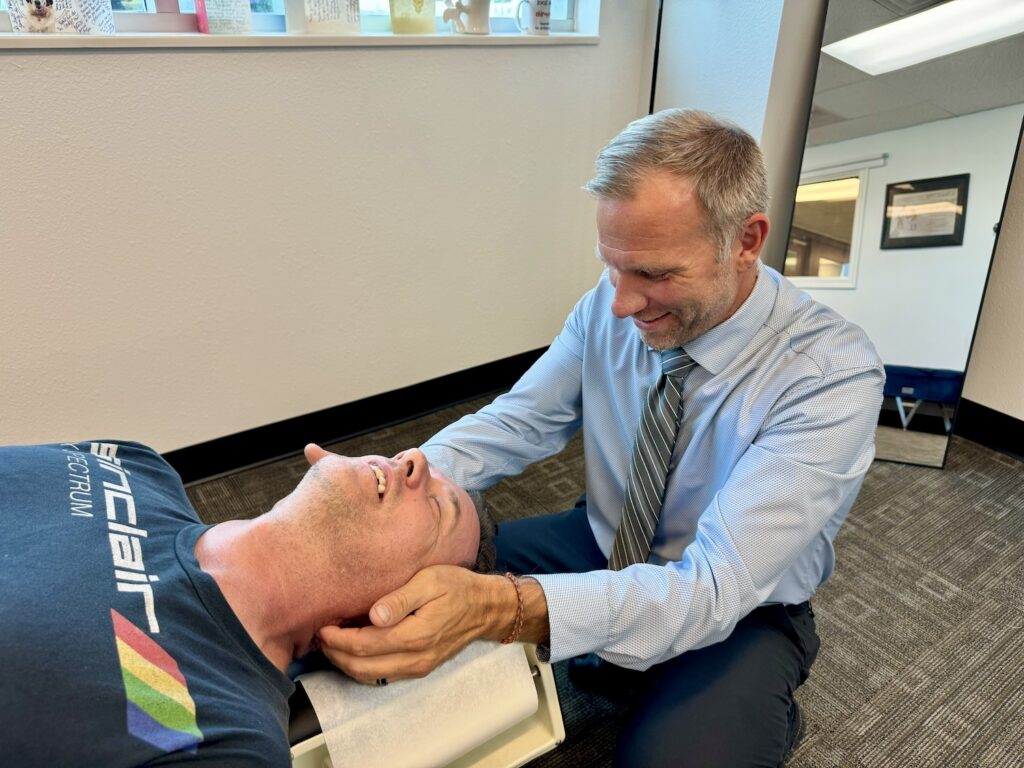
As a local chiropractor dedicated to your well-being, I want to share some essential exercises that can help you prevent back pain and maintain a healthy spine. It’s important to understand that while chiropractic care plays a significant role in your health, incorporating exercises that enhance flexibility and strength is equally crucial. Simple stretches and targeted routines can greatly improve your back’s condition and overall comfort.
However, keep in mind that it’s not just the exercises that matter; your posture and daily movements play a vital role in your spinal health as well. So, let’s delve into some specific exercises you can easily integrate into your routine to support a healthier back. Together, we can work towards a pain-free lifestyle!
Understanding the Importance of Back Health
As a local chiropractor dedicated to your health, I want to emphasize the significance of back health for your overall well-being. Your spine plays a crucial role in supporting your entire body, and when it’s strong and flexible, you can perform daily tasks with greater ease and less discomfort.
Unfortunately, neglecting your spine can lead to chronic pain, restricting your movement and diminishing your quality of life. Many people overlook how much their back impacts not just physical activities, but also posture, balance, and even mood.
A healthy back encourages you to stay active, which is essential for maintaining fitness and vitality. By regularly assessing your back health and taking proactive steps, you can prevent injuries and ensure that you remain engaged in the activities you love.
Incorporating chiropractic care into your routine is a natural way to support your spine and enhance your overall health. By prioritizing your back health, you lay the groundwork for a more vibrant, pain-free life.
Stretching Exercises for Flexibility
As a local chiropractor, I want to emphasize the importance of incorporating regular stretching exercises into your routine for enhancing your back’s flexibility and overall health. Many people are unaware of how vital stretching is for maintaining a healthy spine. It plays a crucial role in elongating tight muscles, alleviating tension, and significantly reducing the risk of injury.
One of the simplest yet most effective stretches I recommend is the cat-cow pose. This exercise helps to promote spinal flexibility and mobility, which are essential for your overall well-being.
Another beneficial stretch is the seated forward bend; this targets your lower back and hamstrings, providing relief and improving flexibility.
When you engage in these stretches, aim to hold each position for at least 15-30 seconds. Pay attention to your breathing during this process, as it can enhance relaxation and deepen the stretch.
Additionally, I suggest incorporating the child’s pose into your routine. This gentle stretch not only targets your back but also helps to relieve stress, making it an excellent addition to your self-care practices.
Always listen to your body and avoid pushing yourself into pain, as this can lead to more harm than good.
For optimal benefits, try to incorporate stretching into your routine three to four times a week. By making it a consistent practice, you’ll likely notice improved flexibility, reduced discomfort, and an overall better sense of well-being.
Strengthening Exercises for Core Stability
As a local chiropractor, I want to emphasize the importance of strengthening your core for maintaining a healthy spine and preventing back pain. A robust core is crucial as it provides support to your spine, reduces strain, and enhances your overall stability.
To get started, I recommend incorporating planks into your routine. Position yourself on your forearms and toes, keeping your body straight, and aim to hold this position for 20-30 seconds. As you build strength, gradually increase the duration.
Another effective exercise is the bridge. Lie on your back with your knees bent and lift your hips towards the ceiling while squeezing your glutes. Try to complete 10-15 repetitions.
Don’t overlook the benefits of side planks! While lying on your side, prop yourself up with your forearm and hold the position for 20-30 seconds on each side. This exercise not only strengthens your core but also targets your oblique muscles.
Lastly, I recommend adding bird-dogs to your regimen. Start on all fours, then extend one arm forward while simultaneously extending the opposite leg. This exercise not only builds core strength but also enhances balance and coordination. Aim for 10-12 repetitions on each side.
By regularly practicing these exercises, you’ll build a strong core, which is essential for supporting your back and alleviating pain.
Posture Correction Techniques
As a local chiropractor, I want to emphasize the importance of good posture in preventing back pain and supporting your overall spinal health. Many people are unaware of how vital proper body alignment is, so let’s take a moment to discuss some effective posture correction techniques.
First and foremost, being mindful of your posture throughout the day is key. When you’re sitting, ensure that your feet are flat on the floor and your back is straight against the chair. A small cushion or lumbar roll can provide additional support for your lower back, helping you maintain a healthy alignment.
When standing, it’s important to distribute your weight evenly across both feet and to avoid locking your knees. Engaging your core muscles will help you maintain stability and support your spine.
If you spend a lot of time working on a computer, adjust your workstation so that your screen is at eye level. This small change can make a significant difference in relieving strain on your neck and back.
Also, don’t forget to take regular breaks to stretch and reset your posture – your body will thank you!
Incorporating specific exercises like wall angels and chin tucks into your routine can also be beneficial. These exercises help strengthen the muscles that support good posture, which in turn can reduce your risk of back pain and improve your overall comfort and mobility.
Low-Impact Aerobic Activities
As a chiropractor dedicated to helping my patients manage back pain, I want to share how low-impact aerobic activities can make a significant difference in your overall well-being.
These types of exercises not only enhance your fitness level but also play a crucial role in alleviating discomfort in your back.
Incorporating low-impact activities into your routine can help improve circulation, strengthen muscles, and promote flexibility, all of which are vital for maintaining a healthy spine.
Some recommended activities include walking, swimming, cycling, and using an elliptical machine. I encourage you to aim for at least 150 minutes of moderate aerobic activity each week, broken down into manageable sessions.
By integrating these exercises into your lifestyle, you can experience reduced pain and improved mobility.
Remember, taking care of your body through natural, holistic practices is key to long-term health.
If you have any questions or need guidance on getting started, feel free to reach out during your next visit. Your path to relief and wellness is just a step away!
Benefits of Low-Impact Aerobics
As a local chiropractor, I want to share with you the benefits of low-impact aerobics, especially for those who may not be familiar with chiropractic care and natural healing. This form of exercise is a gentle yet effective way to improve your cardiovascular health while being kind to your joints.
- Improved Heart Health: Engaging in regular low-impact aerobic activities can strengthen your heart, enhancing circulation and significantly lowering your risk of heart disease. A healthy heart is crucial for overall wellness and vitality.
- Increased Endurance: These exercises are designed to build your stamina, which means you’ll find everyday tasks easier to perform. Whether it’s running errands or playing with your children, increased endurance translates to more energy throughout your day.
- Weight Management: Low-impact aerobics can assist you in burning calories and maintaining a healthy weight. This is particularly important, as excess weight can contribute to back pain and other health issues. By managing your weight, you support your body’s overall well-being and reduce strain on your spine.
Integrating low-impact aerobics into your routine is a fantastic way to stay active while minimizing discomfort.
As a chiropractor, I recommend these exercises not only for their physical benefits but also for their role in preventing back pain and promoting a healthier lifestyle.
Recommended Activities to Try
As a local chiropractor, I want to share some enjoyable low-impact aerobic activities that can enhance your fitness while safeguarding your joints.
Walking is an excellent choice; it’s easy to do and can be tailored to any fitness level. Swimming is another fantastic option; the buoyancy of the water supports your body and alleviates strain on your joints.
Cycling, whether on a stationary bike or out in the fresh air, provides a solid cardiovascular workout without the impact on your body. Dancing is also a fun way to stay active and keep your body moving.
Additionally, practices like yoga or tai chi offer gentle movements combined with mindfulness, helping to improve both flexibility and strength.
I encourage you to explore these activities to discover what resonates with you the most; finding enjoyment is crucial for maintaining a consistent routine, which can significantly contribute to alleviating back pain.
Frequency and Duration Guidelines
As a local chiropractor, I want to share some valuable insights into managing back pain through low-impact aerobic activities. It’s essential to incorporate movement into your routine to promote healing and improve your overall well-being.
Here are some guidelines to help you get started:
- Frequency: Aim to engage in these activities at least 5 days a week. This regularity is crucial for your body to adapt and strengthen over time.
- Duration: Each session should ideally last around 30 minutes. However, if that feels overwhelming, don’t worry! You can break it down into shorter segments of 10 to 15 minutes. Every bit of movement counts!
- Intensity: Keep your intensity at a moderate level. You should be able to hold a conversation while exercising, but also feel that your body is working.
By following these guidelines, you’re not just alleviating pain; you’re actively strengthening your back, enhancing mobility, and paving the way for long-term relief.
Balancing Exercises for Stability
As a local chiropractor, I want to emphasize the importance of balance for your overall stability and well-being. Many people may not realize that improving your balance can play a significant role in alleviating back pain. When you engage in balancing exercises, you strengthen the core muscles that support your spine, which helps reduce strain and promotes better posture.
To get started, I recommend incorporating simple balancing moves into your routine. For example, try standing on one leg for 30 seconds, then switch to the other leg. This exercise not only builds strength but also enhances your coordination.
Another effective exercise is heel-to-toe walking, where you take deliberate steps, placing the heel of one foot directly in front of the toes of the other.
If you’re looking for a greater challenge, consider using a stability ball or a balance board in your practice. These tools can further engage your core muscles and improve your overall stability. Additionally, activities like Tai Chi or yoga are excellent for enhancing your balance while also promoting flexibility and relaxation.
I encourage you to practice these exercises a few times a week. Consistency is crucial; by making balance training a regular part of your routine, you can help protect your back and improve your overall stability, ultimately reducing your risk of pain.
Incorporating Back-Friendly Movements Into Daily Life
As a local chiropractor, I want to emphasize the importance of incorporating back-friendly movements into your daily routine to maintain a healthy spine.
One of the best ways to start is by integrating daily stretching exercises that promote flexibility and strengthen your back muscles. Additionally, setting up an ergonomic workstation can significantly reduce strain on your back during work hours.
It’s also crucial to practice mindful movements throughout your day—whether you’re lifting objects or simply standing up from a seated position, being aware of your posture can make a world of difference.
These small changes may seem simple, but they can greatly enhance your overall well-being and help you feel better in your daily life.
Daily Stretching Routines
As a local chiropractor, I want to emphasize the importance of incorporating back-friendly movements into your daily stretching routine, especially for those struggling with back pain.
By dedicating just a few minutes each day to these exercises, you can significantly enhance your flexibility and reduce muscle tension.
Here are three effective stretches that can easily be added to your daily regimen:
- Cat-Cow Stretch: Begin on all fours, allowing your body to flow with your breath. As you inhale, arch your back, lifting your head and tailbone towards the sky; then, as you exhale, round your spine, tucking your chin and pelvis. This gentle movement promotes spinal flexibility, which is vital for overall back health.
- Child’s Pose: Kneel down and sit back on your heels, extending your arms forward on the ground. This restorative stretch not only calms the mind but also gently alleviates tension in the lower back, providing a moment of relaxation for your spine.
- Seated Forward Bend: While sitting with your legs extended in front of you, slowly reach towards your toes. This stretch not only encourages hamstring flexibility but also helps to relieve strain in your lower back, making it a great addition to your routine.
By incorporating these stretches into your daily life, you can take proactive steps towards a healthier back.
Ergonomic Workstation Setup
As your local chiropractor, I want to emphasize the importance of creating an ergonomic workstation to support your back health, especially if you find yourself sitting for extended periods.
It all starts with your chair—make sure to adjust it so that your feet rest flat on the floor and your knees are at hip level. Your chair should also provide adequate lumbar support to help maintain the natural curve of your spine.
Next, let’s talk about your computer setup. Position your monitor at eye level, about an arm’s length away, to minimize any strain on your neck. Your keyboard and mouse should be close enough that your elbows remain at a comfortable 90-degree angle.
This alignment is crucial to prevent discomfort and promote good posture while you work.
I also want to remind you of the importance of taking breaks throughout your day. Aim to stand up, stretch, or take a short walk every hour.
These small actions can significantly reduce back pain and enhance your overall well-being. By making these ergonomic adjustments in your workspace, you’re not only prioritizing your comfort but also contributing to your long-term spinal health.
Let’s work together to create a healthier environment for your back!
Mindful Movement Practices
As a local chiropractor, I often encounter individuals who view exercise solely as a gym activity.
However, it’s essential to recognize that incorporating mindful movement into your daily life can significantly enhance your back health. By being intentional with your movements, you can alleviate tension and prevent pain.
Here are three straightforward techniques to help you practice mindful movement:
- Stretch Throughout the Day: I encourage you to set aside a few moments every hour to gently stretch your back and shoulders. This practice helps release built-up tension and can make a world of difference in your comfort levels.
- Practice Good Posture: Whether you’re sitting at your desk or standing, maintaining proper spine alignment is crucial. By engaging your core muscles, you provide essential support to your back, which can help prevent discomfort.
- Incorporate Breathing Exercises: Deep, controlled breathing isn’t just for relaxation; it can also reduce stress in your body. When you focus on your breath, you promote relaxation in your back muscles, helping to ease any tension you may be carrying.
By integrating these mindful movement practices into your daily routine, you can take proactive steps towards better back health.
If you have any questions or need further guidance, feel free to reach out. Your wellness journey is important, and I’m here to help!
Creating a Consistent Exercise Routine
Establishing a consistent exercise routine is crucial for effectively managing back pain, and as your local chiropractor, I’m here to guide you through this process.
First and foremost, it’s important to prioritize your health by setting aside dedicated time each week for physical activity. Treat this time as a non-negotiable appointment for your well-being.
When selecting exercises, focus on those that enhance strength, flexibility, and stability, as these elements play a significant role in supporting your back.
Ideally, aim for at least 30 minutes of activity, five days a week. Low-impact options such as walking, swimming, or yoga can be particularly beneficial, as they reduce strain on your joints while promoting movement.
To keep your motivation high, it’s vital to engage in activities you genuinely enjoy. Mixing up your routine can help prevent boredom, making it easier to stick with your plan.
Consider teaming up with a friend or joining a local class; having a workout buddy not only makes exercise more enjoyable but also adds a layer of accountability.
Tracking your progress is another powerful tool. Celebrating small victories, whether it’s completing a workout or noticing less pain, can foster a sense of accomplishment and encourage you to continue on your journey.
Always listen to your body. If something doesn’t feel right during your routine, don’t hesitate to adjust your exercises or consult with me for guidance.
Remember, consistency is key! Building this habit takes time, so be patient with yourself.
Over time, you’ll likely notice significant improvements in your back health and overall well-being. Embracing a holistic approach to healing through exercise and chiropractic care can lead to lasting results.
Conclusion
As a local chiropractor, I want to emphasize the importance of incorporating essential exercises into your daily routine to maintain a healthy back. Focusing on stretching, strengthening, and low-impact activities can significantly improve your flexibility and core stability. It’s also crucial to pay attention to your posture and adopt back-friendly movements throughout your day.
Many of my patients have found that by staying consistent with these practices, they not only reduce their back pain but also enhance their overall well-being. Remember, prioritizing your back health today can lead to a more active and pain-free lifestyle in the future. I encourage you to explore these natural healing methods and see the positive impact they can have on your life!