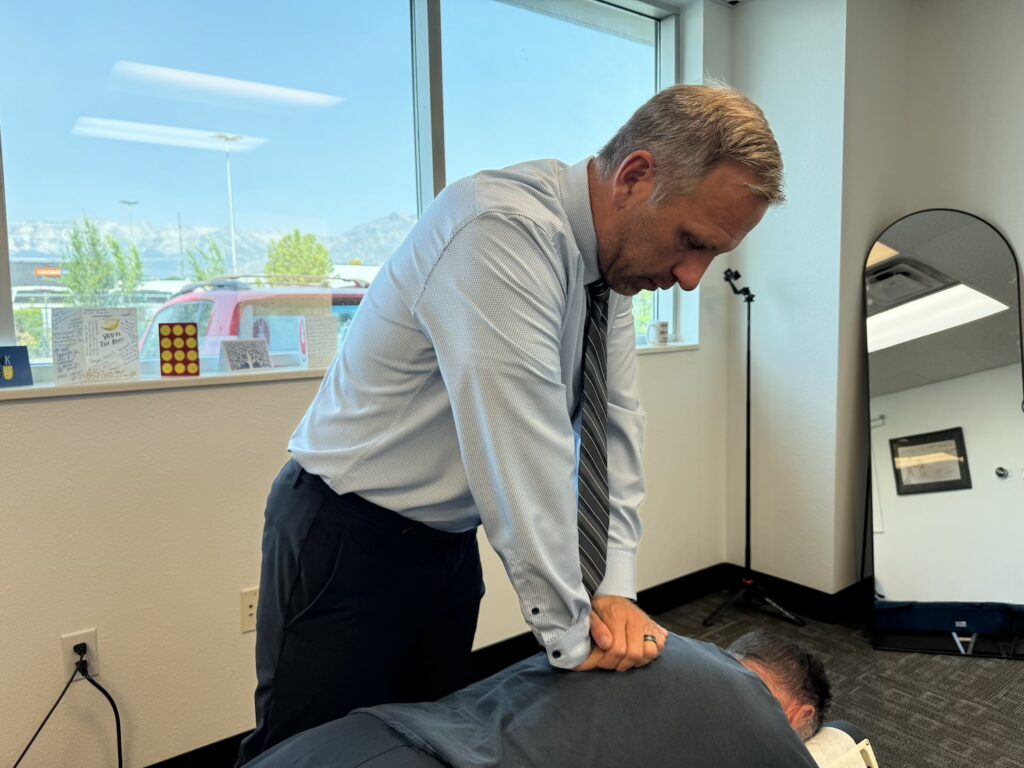
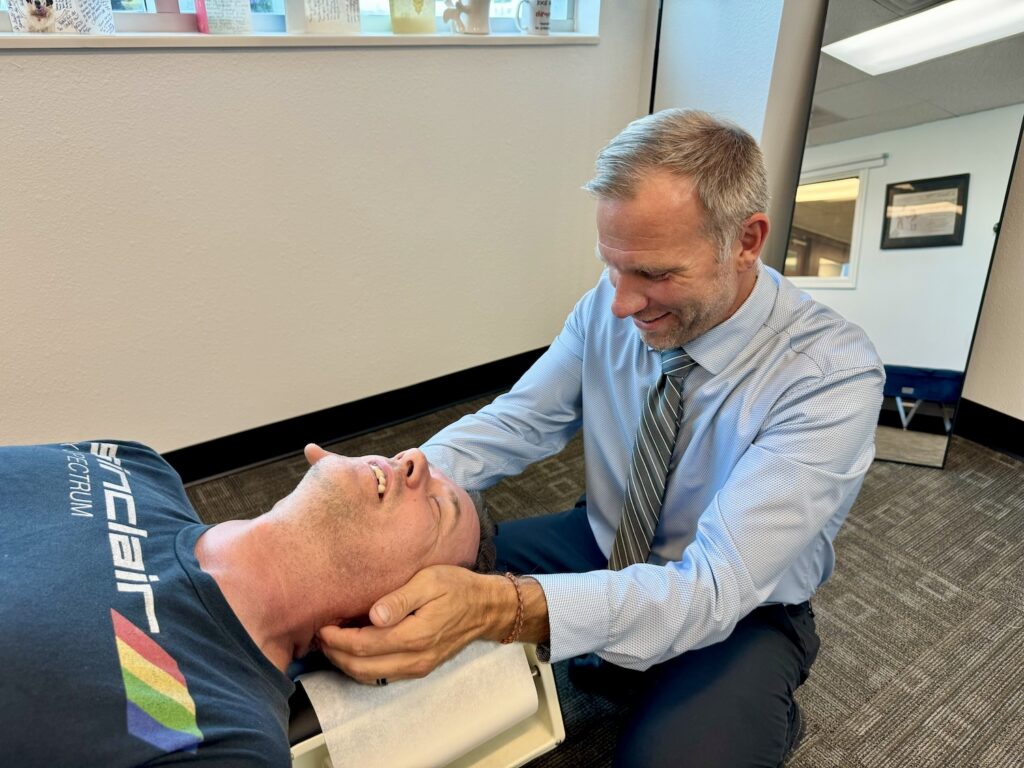
As a local chiropractor, I understand that back pain can be a frustrating challenge for many individuals. However, there are several effective lifestyle changes you can implement to help prevent it. First and foremost, maintaining good posture is crucial. This means being mindful of how you sit, stand, and move throughout your day.
Incorporating regular exercise into your routine is also vital. Activities such as walking, swimming, or yoga can strengthen your back muscles and improve flexibility. Additionally, using ergonomic furniture can make a significant difference in reducing strain on your spine, especially if you spend long hours at a desk.
Strengthening your core is another key component in back pain prevention. A strong core supports your spine and helps maintain proper alignment. Don’t forget the importance of stretching, which can enhance your flexibility and reduce tension in your muscles.
You might be surprised to learn that hydration and stress management also play a significant role in spinal health. Staying hydrated helps maintain the elasticity of your spinal discs, while effective stress management techniques can prevent muscle tension that contributes to back pain.
I encourage you to explore these essential strategies and consider how they can fit into your daily life. Together, we can work towards a healthier, pain-free back!
Maintain Good Posture
As a local chiropractor, I want to emphasize the importance of maintaining good posture to help you reduce your risk of back pain. Many people may not realize how significantly proper alignment can impact their overall well-being. When you sit, stand, or walk with correct posture, you help distribute your body weight evenly, which minimizes stress on your spine.
To start, focus on keeping your shoulders back and relaxed, ensuring your ears are aligned over your shoulders. If you’re sitting, it’s crucial that your feet are flat on the ground and your knees form a right angle. Choose a chair that provides support for your lower back, and be mindful not to slump or lean forward, particularly when you’re working at a desk.
When standing, aim to distribute your weight evenly across both feet and avoid locking your knees. It’s also beneficial to take regular breaks and change your position throughout the day.
By being conscious of your posture, you create a healthier environment for your back, which can lead to less discomfort and an overall improvement in your health.
Engage in Regular Exercise
As a local chiropractor, I want to emphasize that maintaining good posture is just one aspect of preventing back pain. Engaging in regular exercise is equally crucial for your spinal health. By incorporating a variety of physical activities into your daily routine, you can enhance your flexibility, strengthen your muscles, and elevate your overall fitness.
I recommend aiming for at least 30 minutes of moderate exercise most days of the week. Remember, this doesn’t have to mean spending hours at the gym; simple activities like walking, swimming, or cycling can be incredibly beneficial.
It’s also important to include exercises that enhance balance and coordination, such as yoga or tai chi. These practices not only promote flexibility but also help you maintain a stable core, significantly reducing your risk of injury.
Pay close attention to your body’s signals. If something doesn’t feel right, it’s perfectly okay to adjust your routine or explore alternative activities.
Regular exercise does more than just keep your back healthy; it also boosts your mood and energy levels. This holistic approach to wellness can lead to a significant improvement in your overall quality of life.
As your chiropractor, I encourage you to embrace these practices as part of your journey toward natural healing and optimal health.
Strengthen Core Muscles
As your chiropractor, I want to emphasize the importance of strengthening your core muscles to prevent back pain.
A strong, stable core plays a crucial role in supporting your spine and enhancing your overall posture. By incorporating targeted core exercises into your daily routine, you can significantly improve your back health and reduce your risk of discomfort.
Understanding how your body works and taking proactive steps toward core strength can lead to a healthier, pain-free life.
Let’s work together to create a personalized plan that incorporates these essential exercises for your well-being.
Importance of Core Stability
As a local chiropractor, I want to emphasize the critical role that core stability plays in your overall health, particularly in preventing back pain. A strong core is essential because it provides support to your spine and promotes good posture, which is fundamental for a healthy back.
When your core muscles are active, they help distribute forces evenly throughout your body, significantly reducing strain on your back during everyday activities.
Think of your core as the foundation of a house; a solid foundation is necessary for the structure to remain stable and strong. This stability allows for better movement control and balance, which isn’t only vital for physical activities but also helps lower your risk of injury.
Furthermore, if you’re experiencing discomfort, maintaining core strength can alleviate some of that pain by offering the necessary support for your back.
By prioritizing core stability in your daily routine, you’re investing not just in a healthier back but also in your overall well-being.
Remember, a strong core is essential for leading a pain-free life, and as your chiropractor, I’m here to guide you on this journey toward better health through natural healing methods.
Let’s work together to strengthen your core and improve your quality of life!
Effective Core Exercises
As a chiropractor, I want to emphasize the importance of strengthening your core for enhancing stability and preventing back pain. Many patients may not realize how crucial a strong core is for overall spinal health. I recommend incorporating specific exercises into your routine to help build this strength.
Start with planks—these are great for engaging your abdominal muscles. Position yourself on your forearms and toes, keeping your body in a straight line. Hold this position while focusing on your breathing.
Next, try bridges. Lie on your back with your knees bent and feet flat on the floor. Lift your hips toward the ceiling while squeezing your glutes. This exercise not only strengthens your core but also supports your lower back.
Another effective exercise is the bird-dog, which helps with balance and coordination. Get into a hands-and-knees position and extend one arm forward while simultaneously extending the opposite leg back. This movement encourages stability and engages your core muscles.
As you perform these exercises, concentrate on controlled movements and maintaining proper form to maximize their effectiveness. I suggest aiming for three sets of 10-15 repetitions for each exercise, gradually increasing the intensity as your strength improves.
By committing to these core workouts, you can significantly reduce your risk of back pain and enhance your overall well-being. Remember, a strong core is essential for a healthy spine!
If you have any questions or need further guidance, feel free to reach out during your visits.
Daily Movement Incorporation
As a local chiropractor, I want to emphasize the importance of incorporating daily movement into your routine for better core strength and overall stability. You don’t have to dedicate hours at the gym; even small adjustments can lead to significant improvements in your health.
Here are three simple strategies to help you integrate more movement into your day:
- Take Short Walks: Try to incorporate a 10-minute walk during your breaks. This not only enhances blood circulation but also helps in strengthening your core, which is vital for maintaining proper alignment and reducing discomfort.
- Use a Stability Ball: Consider replacing your office chair with a stability ball. This encourages engagement of your core muscles and promotes better posture, both of which are essential for spinal health.
- Practice Standing Exercises: While waiting for your coffee to brew or during other idle moments, try incorporating standing exercises like squats or lunges. These movements can help keep your body active and support your overall well-being.
Use Ergonomic Furniture
As your local chiropractor, I want to emphasize the crucial role that the furniture you use every day plays in your back health. Many people may not realize that investing in ergonomic furniture is one of the simplest yet most impactful changes you can make to alleviate back pain.
When selecting a chair, look for one that provides proper lumbar support and encourages good posture. An ideal ergonomic chair should allow you to adjust the height, support your lower back, and feature armrests to help keep your arms and shoulders relaxed. These elements are essential in reducing strain on your spine and maintaining alignment.
Your desk’s height is just as important. It should be positioned to prevent unnecessary strain on your neck and shoulders while you work. If you find yourself sitting for extended periods, a sit-stand desk can be a game changer, allowing you to alternate between sitting and standing throughout your day.
Don’t overlook the importance of your mattress either. A supportive mattress is vital for maintaining spinal alignment during sleep, which in turn can significantly improve your overall sleep quality.
By making the conscious choice to invest in ergonomic furniture, you’re not just enhancing your comfort—you’re also taking proactive steps to prevent chronic back pain.
As your chiropractor, I encourage you to consider these changes as part of a holistic approach to your health and well-being.
Practice Stretching and Flexibility
As a local chiropractor, I want to emphasize the importance of incorporating stretching and flexibility exercises into your daily routine to help prevent back pain.
By making these practices a regular habit, you can significantly improve your posture, alleviate muscle tension, and enhance your overall mobility.
Here are three simple strategies to get you started:
1. Daily Stretching: I recommend dedicating at least 10 minutes each day to stretch your major muscle groups, particularly focusing on your back, hips, and legs.
This practice helps alleviate stiffness and promotes better blood circulation, which is crucial for maintaining a healthy spine.
2. Incorporate Yoga: Consider trying out yoga classes or following online videos that focus on poses specifically designed to enhance flexibility.
Poses like Downward Dog and Child’s Pose are excellent for relieving tension in your back and promoting relaxation.
3. Warm-Up Before Activity: It’s essential to always warm up before engaging in any physical activities.
Simple dynamic stretches can prepare your muscles and joints, thereby reducing the risk of strain or injury, which is vital for maintaining a healthy spine.
Stay Hydrated and Nourished
As a local chiropractor, I want to emphasize the vital role that staying hydrated and nourished plays in preventing back pain. Proper nutrition not only fuels your body but also supports muscle function, which is essential for maintaining a healthy spine.
When you drink enough water, you help keep your spinal discs hydrated, ensuring they remain elastic and cushioned. On the contrary, dehydration can lead to stiffness and discomfort, which may worsen existing back pain.
In addition, a balanced diet that’s rich in vitamins, minerals, and protein is crucial for muscle health. Incorporating foods such as leafy greens, nuts, and lean proteins will provide your muscles with the necessary nutrients to function optimally and recover from daily stresses.
Omega-3 fatty acids, commonly found in fish and flaxseeds, are known to help reduce inflammation, which can also be a contributing factor to pain.
It’s important not to overlook the significance of whole grains, fruits, and vegetables in your meals, as they add essential fiber and energy to your diet.
By prioritizing hydration and nutrition, you’re actively taking steps to nourish your body and prevent back pain while supporting your overall wellness.
Manage Stress Effectively
As a local chiropractor, I want to emphasize how effectively managing stress can significantly improve your overall well-being and spinal health.
It’s not just about relieving pain; it’s about fostering a holistic approach to health. By integrating mindfulness and meditation techniques into your daily routine, you can cultivate a sense of calm that directly benefits your body.
Staying physically active is also crucial. Regular movement not only strengthens your muscles and spine but also helps to alleviate stress levels.
Consider incorporating activities you enjoy, whether it’s walking, yoga, or even dancing—anything that gets you moving!
Additionally, practicing breathing exercises can be a simple yet powerful tool for reducing tension. Deep, intentional breaths can help lower your heart rate and promote relaxation throughout your body.
Let’s work together to explore these natural strategies, as they can lead to a more balanced and healthier life.
Mindfulness and Meditation Techniques
As a chiropractor, I understand the toll that stress can take on your body, particularly when it comes to tension and discomfort in your back. Incorporating mindfulness and meditation techniques into your daily routine can significantly enhance your overall well-being and support the healing process.
These practices not only help in managing stress but also promote relaxation, which is crucial for alleviating back pain. Here are three effective techniques to consider:
- Deep Breathing: Dedicate a few minutes each day to focus on your breath. Inhale deeply through your nose, allowing your abdomen to expand fully. Hold this breath for a brief moment before slowly exhaling through your mouth. This simple exercise helps calm your nervous system and reduces muscle tension.
- Body Scan: Find a comfortable position, either lying down or sitting, and mentally scan your body from head to toe. Pay attention to areas where you might feel tightness or discomfort. As you identify these areas, consciously relax each muscle group. This practice helps you become more aware of physical tension and promotes a deeper sense of relaxation.
- Guided Meditations: Consider utilizing meditation apps or online resources that offer guided sessions. These resources can help you focus your mind and unwind, effectively easing stress and tension. Regular practice can complement chiropractic care by creating a holistic approach to your health.
Incorporating these mindfulness and meditation techniques can be a valuable addition to your chiropractic treatment plan, helping you achieve a greater sense of balance and relief from stress-related back pain.
Physical Activity and Movement
As a local chiropractor dedicated to your well-being, I want to emphasize the critical role that regular physical activity plays in managing stress and preventing back pain.
When you engage in movement—be it walking, swimming, dancing, or even gardening—you activate your body’s natural healing processes. This movement releases endorphins, which are those feel-good hormones that can significantly enhance your mood and alleviate anxiety.
Not only does staying active help clarify your mind, but it also strengthens the muscles that support your spine, which is essential for maintaining a healthy back.
I recommend aiming for at least 30 minutes of moderate exercise most days of the week. It’s also beneficial to incorporate stretching and strengthening exercises into your routine. These practices improve flexibility and core stability, both of which are vital for spinal health.
Don’t underestimate the power of everyday activities—playing with your children or tending to your garden can be just as effective as a formal workout.
By prioritizing physical activity, you’ll not only reduce stress levels but also enhance your overall health, making you less susceptible to back pain.
Breathing Exercises for Relaxation
As a local chiropractor, I want to share with you how incorporating breathing exercises into your daily routine can significantly improve your ability to manage stress and enhance relaxation.
These techniques not only help to calm your mind but can also relieve tension in your back, which is essential for your overall well-being.
Here are three straightforward exercises you can easily integrate into your life:
- Deep Belly Breathing: Begin by inhaling deeply through your nose, allowing your belly to rise as you fill your lungs. Then, exhale slowly through your mouth. Aim to practice this for about five minutes. This technique helps to activate your body’s natural relaxation response.
- 4-7-8 Breathing: Inhale through your nose for a count of 4 seconds, hold your breath for 7 seconds, and then exhale through your mouth for 8 seconds. This exercise can significantly lower anxiety levels and promote a sense of calm.
- Box Breathing: This method involves inhaling for 4 seconds, holding your breath for another 4 seconds, exhaling for 4 seconds, and then holding your breath again for 4 seconds. Box breathing is an excellent way to enhance focus and induce relaxation.
Regular practice of these breathing exercises can play a crucial role in reducing stress and may help prevent back pain.
As a chiropractor, I encourage you to explore these natural healing techniques as part of your journey towards better health.
Get Adequate Sleep
As a chiropractor, I want to emphasize the crucial role that adequate sleep plays in your overall health and its significant impact on managing back pain. When you don’t get enough restorative sleep, your body has a harder time repairing itself, which can lead to increased muscle tension and discomfort in your back.
I recommend aiming for 7 to 9 hours of quality sleep each night. This not only aids in your body’s recovery but is also essential for maintaining a healthy spine.
To help you wind down, consider creating a calming bedtime routine that signals to your body that it’s time to relax. This could be activities such as reading a book, practicing meditation, or enjoying a warm bath.
It’s also important to ensure your sleep environment is conducive to rest. Investing in a supportive mattress and pillows can make a significant difference, as can keeping your bedroom dark and cool.
I also advise against using screens before bedtime, as the blue light emitted can disrupt your natural sleep cycle.
Remember, prioritizing your sleep isn’t just about feeling well-rested; it’s a vital component of reducing back pain and enhancing your overall well-being. By taking charge of your sleep habits, you may find that it positively impacts your back health and overall quality of life.
If you have any questions about how sleep relates to chiropractic care, don’t hesitate to reach out!
Conclusion
As a local chiropractor, I want to share some valuable lifestyle changes that can help you prevent back pain and improve your overall well-being. One of the first steps is to focus on maintaining good posture—this can make a significant difference in how your spine feels. Regular exercise is another crucial aspect; it helps keep your muscles strong and supports your back. Strengthening your core is especially important, as it provides stability for your spine.
Investing in ergonomic furniture is also beneficial; it ensures that your workspace is set up to support your body correctly. Don’t underestimate the power of stretching, either—taking time to stretch can alleviate tension and improve flexibility. Staying hydrated is important too, as proper hydration helps keep the discs in your spine healthy.
Managing stress is essential, as it can contribute to muscle tension and discomfort. Additionally, ensuring you get enough restful sleep is vital for recovery and overall health. By embracing these habits, you can cultivate a healthier lifestyle that supports your spine and helps you feel comfortable for years to come. Remember, your spine is foundational to your well-being, and taking proactive steps now can lead to a more pain-free future.