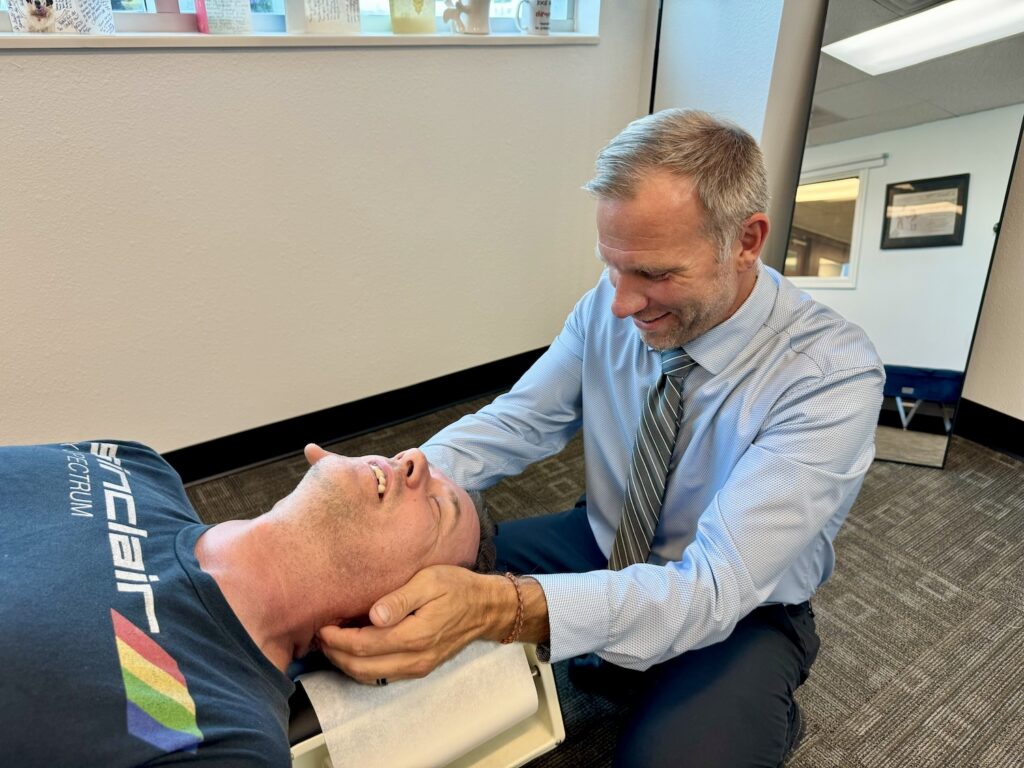
As a local chiropractor, I often see patients who believe that traditional methods are their only option for managing back pain. However, I’d like to introduce you to some surprising techniques that can provide relief and enhance your overall well-being. For instance, the gentle movements of Tai Chi not only promote flexibility but also help to alleviate tension in the back. Additionally, the calming effects of essential oils can complement your healing journey by reducing stress and enhancing relaxation.
Many of my patients have found that integrating these alternative approaches into their pain management strategies has made a significant difference. If you’re curious about how these methods can transform your experience with back pain, I invite you to explore these possibilities with me. Together, we can develop a holistic plan that focuses on both immediate relief and long-term wellness.
Exploring the Benefits of Tai Chi for Back Pain
As your local chiropractor, I understand that finding relief from back pain can be a challenging journey. One approach that I often recommend to my patients is Tai Chi. This ancient Chinese martial art isn’t only gentle but can also be incredibly effective in managing back pain.
Tai Chi involves slow, deliberate movements combined with deep breathing, which promotes relaxation and flexibility in the body. By incorporating Tai Chi into your routine, you can significantly improve your posture. Good posture is crucial as it directly affects your spine and can help alleviate discomfort.
Moreover, the flowing motions of Tai Chi strengthen your core muscles, providing essential support for your back. This practice also emphasizes balance, which is important for reducing the risk of falls and injuries that could worsen your pain.
What’s more, the meditative aspect of Tai Chi encourages mindfulness, allowing you to shift your focus away from pain and stress.
Many of my patients have reported increased mobility after adding Tai Chi to their weekly routines. Even just a few sessions a week can lead to noticeable improvements in your overall well-being.
I invite you to consider giving Tai Chi a try. It might just be the soothing solution you need in your pursuit of back pain relief and natural healing.
The Power of Mindfulness Meditation in Pain Management
As a local chiropractor, I want to share with you the incredible benefits that incorporating mindfulness meditation can bring to your pain management journey. Much like the gentle movements of Tai Chi, mindfulness meditation allows you to focus your attention on the present moment, creating a mental space that can help alleviate stress and diminish your perception of pain.
When you practice mindfulness, you learn to observe your thoughts and feelings without judgment. This skill can help you detach from the discomfort you may be experiencing, whether it’s back pain or another type of chronic pain.
I encourage you to set aside just a few minutes each day to sit quietly, breathe deeply, and tune into your body. This practice not only calms your mind but also enhances your awareness of physical sensations, allowing you to respond to pain in a more thoughtful manner.
Over time, you’ll likely find that mindfulness can significantly help you manage pain, reducing its intensity and the overall impact it has on your daily activities.
Unconventional Stretching Techniques to Alleviate Discomfort
As a local chiropractor, I often see patients who are grappling with back pain, and I want to share some unconventional stretching techniques that can truly make a difference in your recovery journey. Incorporating dynamic flexibility exercises, utilizing foam rollers, and practicing yoga specifically aimed at pain relief can have a profound impact on your comfort levels and mobility.
These methods aren’t just for athletes; they’re accessible practices that everyone can adopt to enhance their well-being. Dynamic flexibility exercises help to warm up your muscles and improve your range of motion, while foam rolling can release tension and knots in your muscles, promoting better blood flow.
Additionally, yoga offers a holistic approach to pain relief, combining physical postures with mindful breathing to not only alleviate discomfort but also to foster relaxation and mental clarity.
Let’s delve into how these practices can help you feel better and regain your mobility, paving the way for a healthier, more active lifestyle. Remember, healing is a journey, and I’m here to support you every step of the way.
Dynamic Flexibility Exercises
As your local chiropractor, I want to share with you the benefits of dynamic flexibility exercises in managing and relieving back pain, especially when traditional stretching may not provide the relief you seek.
Unlike static stretches, these exercises allow for movement while stretching, which can boost your range of motion and enhance blood circulation.
Let’s start with leg swings. These involve gently moving your legs forward and backward while balancing on one leg, which can be an effective way to loosen up your hips and lower back.
Next, consider incorporating torso twists. Stand with your feet shoulder-width apart and rotate your upper body side to side. This can help improve spinal mobility and relieve tension.
Don’t forget about arm circles! These are excellent for loosening your shoulders and promoting flexibility in your upper back.
As you perform these movements, pay close attention to your breathing; maintain a steady rhythm to maximize relaxation and effectiveness.
By integrating these dynamic movements into your daily routine, you can’t only alleviate discomfort but also build strength and stability, laying a strong foundation for long-term back health.
Foam Roller Techniques
As a local chiropractor, I often encourage my patients to explore foam rolling as an effective way to relieve back pain and tension. This technique can significantly enhance your recovery by applying targeted pressure to tight muscles, helping to release knots and improve blood circulation.
To get started, lie down on your back with the foam roller positioned under your upper back. Gently roll down towards your lower back, taking the time to pause on any tender spots you encounter. It’s particularly beneficial to focus on areas such as the thoracic spine and lower back, where tension tends to accumulate.
Don’t forget about your lats and glutes as well, since tightness in these muscles can also contribute to discomfort in your back.
I recommend rolling for approximately 1-2 minutes on each targeted area. Remember to breathe deeply throughout the process, as this can enhance your relaxation and overall experience.
Yoga for Pain Relief
As a chiropractor, I often see patients who are unaware of the benefits that yoga can bring to their pain relief journey, especially when it comes to back pain. While many people view yoga simply as exercise, it serves as a valuable complement to chiropractic care by helping to alleviate discomfort and promote healing.
Incorporating specific yoga poses into your routine can significantly stretch tight muscles, strengthen your back, and enhance your overall flexibility. For instance, Child’s Pose is excellent for gently elongating your spine, while Downward Dog helps to relieve tension in the lower back. The Cat-Cow stretch is another effective technique that promotes spinal mobility, allowing for a more fluid movement.
Additionally, poses like Sphinx or Cobra are beneficial for opening up the chest area and strengthening the muscles in your back, which can support your chiropractic adjustments. As you engage in these practices, it’s important to focus on your breath—this mindfulness not only promotes relaxation but also enhances the effectiveness of your pain relief efforts.
How Essential Oils Can Provide Relief
As your local chiropractor, I want to introduce you to the incredible benefits of essential oils for easing back pain. These natural remedies can serve as an effective complement to traditional chiropractic care.
Among the most popular choices are lavender and peppermint, each offering distinct advantages for pain relief and relaxation.
When considering how to incorporate essential oils into your wellness routine, it’s important to understand the various application methods—such as topical application or diffusion—and the necessary safety precautions to ensure you’re using them effectively.
Popular Essential Oils
As a chiropractor, I often see patients seeking relief from back pain, and I believe in the benefits of incorporating natural remedies, such as essential oils, into your wellness routine. Several essential oils have gained popularity for their potential to alleviate discomfort and promote healing.
For instance, lavender oil is renowned for its calming effects, which can help ease muscle tension—a common contributor to back pain. Peppermint oil is another great option; it provides a cooling sensation that may help relieve discomfort by increasing blood flow to the affected area, promoting healing.
Eucalyptus oil is particularly noteworthy due to its anti-inflammatory properties, making it an excellent choice for reducing pain and encouraging relaxation. Frankincense oil is often highlighted for its ability to decrease inflammation and enhance mobility, which can be beneficial for those struggling with stiffness.
Lastly, ginger oil is valued for its warming properties and its capacity to improve circulation, which can further aid in pain relief.
Incorporating these essential oils into your daily routine, whether through topical application or diffusion, can complement your chiropractic care and help you find the relief you’ve been looking for.
Always remember to consult with your healthcare provider before trying new treatments to ensure they fit well with your overall health plan.
Application Methods
As a local chiropractor, I want to help you explore the natural healing benefits of essential oils for relieving back pain. Understanding the various application methods can enhance your experience and effectiveness.
Here are three effective ways to incorporate these oils into your pain relief routine:
- Topical Application: Start by diluting essential oils with a carrier oil, such as coconut or jojoba oil, and gently massage the blend onto your back. This method allows the oils to penetrate the skin and target specific pain points, providing localized relief.
- Diffusion: Consider using an essential oil diffuser to fill your space with calming scents. This method not only creates a soothing environment but also helps reduce stress and tension, which can contribute to your overall back pain relief.
- Bath Soak: Take advantage of a warm bath by adding a few drops of essential oils to the water. The combination of warm water and essential oils can soothe sore muscles and promote deep relaxation, making it a great way to unwind after a long day.
I encourage you to try these methods and discover which ones work best for you in managing your back pain.
Natural healing can complement chiropractic care and support your overall wellness journey.
Safety Considerations
As a local chiropractor dedicated to helping you find natural ways to relieve back pain, I want to share some important safety tips regarding the use of essential oils. While these oils can be a wonderful addition to your pain relief routine, it’s crucial to prioritize your safety first.
Before trying a new essential oil, please perform a patch test on a small area of your skin. This will help you identify any sensitivities or allergic reactions you might have. Additionally, always remember to dilute essential oils with a carrier oil, such as coconut or olive oil, to prevent any irritation. Some oils, like peppermint and eucalyptus, are particularly strong and can cause discomfort if applied directly to your skin without dilution.
It’s also essential to avoid applying oils to broken skin or areas that are inflamed, as this can lead to further irritation. If you’re pregnant or breastfeeding, I highly recommend consulting with a healthcare professional before incorporating essential oils into your regimen.
Lastly, please keep essential oils away from your eyes and other sensitive areas of your body. By following these guidelines, you can safely enjoy the soothing benefits of essential oils while complementing your chiropractic care.
Your well-being is my top priority, and I’m here to help you every step of the way on your journey to natural healing.
The Role of Acupuncture in Back Pain Treatment
As a local chiropractor, I often encounter patients seeking relief from back pain, and one treatment option that I find particularly beneficial is acupuncture. This ancient practice involves the insertion of thin needles into specific points on the body, aimed at stimulating healing and alleviating discomfort.
Many of my patients have experienced significant improvements from acupuncture, making it a valuable addition to their overall treatment plan.
Here are three important ways acupuncture can assist in alleviating back pain:
- Release Tension in Muscles: The needles used in acupuncture help promote relaxation in tight muscles. This relaxation can lead to reduced pain and discomfort, allowing you to move more freely and comfortably.
- Enhance Blood Circulation: Acupuncture increases blood flow to the affected areas, which is crucial for delivering essential nutrients and oxygen. Improved circulation can accelerate your body’s natural healing process, helping you recover more quickly from injuries or strains.
- Stimulate Endorphin Production: One of the remarkable benefits of acupuncture is its ability to trigger the release of endorphins, the body’s natural painkillers. This not only reduces your perception of pain but also contributes to an overall sense of well-being.
If you’re dealing with persistent back pain, I encourage you to consider acupuncture as part of your holistic treatment approach.
It can work synergistically with chiropractic care to support your journey towards relief and improved health.
Strengthening Your Core: Unusual Exercises for Support
As a local chiropractor, I want to emphasize the importance of strengthening your core for supporting your back and enhancing overall stability. Many people are familiar with traditional exercises like planks and crunches, but I encourage you to explore some less conventional movements that can make a significant impact on your core health.
One such exercise is the bird-dog. This movement involves positioning yourself on your hands and knees, then extending one arm forward while simultaneously extending the opposite leg back. This not only promotes coordination but also engages your core effectively.
Another fantastic exercise is the dead bug. For this, lie on your back with your arms and legs raised towards the ceiling. Slowly lower one arm and the opposite leg towards the ground while keeping your back flat. This exercise helps in developing core strength and stability.
Additionally, consider incorporating the stability ball roll-out into your routine. By kneeling in front of the ball and rolling it forward while engaging your core to maintain balance, you can significantly enhance your strength and flexibility.
These exercises aren’t just about building muscle; they also play a crucial role in reducing back pain and improving overall health.
Conclusion
As your local chiropractor, I want to emphasize how incorporating some surprising techniques into your routine can significantly enhance your journey toward relieving back pain. When you explore practices like Tai Chi, mindfulness meditation, and even some unconventional stretching, you’re not just addressing the pain—you’re fostering your overall well-being.
It’s important to recognize the benefits of essential oils and core-strengthening exercises as well. These natural and holistic approaches can play a crucial role in your recovery. I encourage you to experiment with these methods, pay attention to how your body responds, and find what resonates with you. By embracing a comprehensive approach to your health, you can regain control over your pain and improve your quality of life. Remember, I’m here to guide you through this process and support you every step of the way.