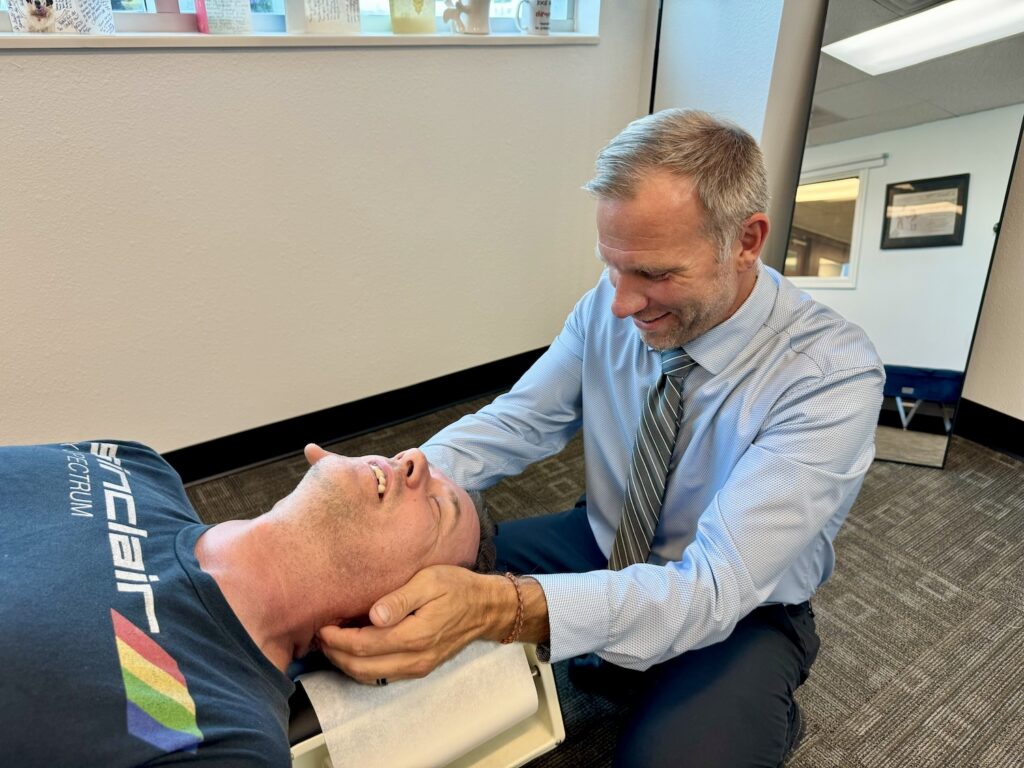
If you’ve been grappling with neck discomfort, know that you’re not alone. Many individuals experience tension and stiffness in their necks due to everyday habits and stress. Fortunately, there are effective techniques you can implement at home to alleviate your pain and promote a healthier lifestyle.
As a local chiropractor, I emphasize the importance of natural healing through chiropractic care. It’s an excellent way to address the root causes of your discomfort while enhancing your overall well-being. Here are some top approaches you can try at home:
- Gentle Stretching Exercises: Incorporate simple neck stretches into your daily routine. Try tilting your head side to side or gently rotating it to relieve tension. These stretches can help improve flexibility and reduce stiffness.
- Mindful Relaxation Practices: Take time each day to practice relaxation techniques, such as deep breathing or meditation. This can help reduce stress, which often contributes to neck pain.
- Posture Awareness: Pay attention to your posture, especially if you spend long hours at a desk. Keep your computer screen at eye level and your chair supportive to minimize strain on your neck.
- Ergonomic Adjustments: Consider adjusting your workspace to ensure it promotes a healthy spine. Use a chair that supports your lower back, and take regular breaks to move around.
- Heat Therapy: Applying a warm compress or heating pad to your neck can relax tight muscles and improve blood flow, providing immediate relief.
While these techniques can be beneficial, remember that chiropractic care offers a holistic approach to neck pain relief. A chiropractor can help identify the underlying issues causing your discomfort and provide personalized adjustments and care strategies to restore mobility and enhance your overall health.
By integrating these simple methods into your routine and considering chiropractic care, you can take significant steps toward easing your neck discomfort and achieving optimal wellness.
Stretching Exercises for Neck Relief
Stretching exercises can be a fantastic way to relieve neck discomfort, and incorporating just a few simple moves into your daily routine can make a significant difference in your overall well-being.
One effective stretch is the neck tilt. While sitting or standing, gently tilt your head toward one shoulder, holding for 15-30 seconds before switching sides. You’ll feel the muscles on the opposite side stretching, which can help alleviate tension and promote better alignment.
Another great exercise to consider is the chin tuck. Sit up straight, gently pull your chin in toward your chest while keeping your spine aligned. Hold that position for a few seconds, then release. This exercise not only helps to strengthen the muscles in your neck but also improves your posture—an essential aspect of maintaining spinal health.
Don’t overlook the benefits of shoulder rolls, either. Lift your shoulders toward your ears, then roll them back and down. Repeat this several times to help relieve tension that can accumulate in your upper back and neck.
By dedicating just a few minutes each day to these stretches, you can significantly enhance your neck comfort and promote a healthier lifestyle.
Remember, chiropractic care offers a holistic approach to pain relief and wellness, addressing the root causes of discomfort and helping you achieve optimal health naturally.
Consider scheduling a visit with your chiropractor to explore personalized strategies for maintaining your spinal health and overall well-being.
Heat Therapy Techniques
When you’re experiencing neck discomfort, heat therapy can provide significant relief and comfort. As a chiropractor, I often recommend simple techniques that you can do at home to ease tension and support your overall wellness. Applying a warm compress, using a heating pad, or even creating a DIY hot water bottle can help soothe sore muscles and promote relaxation.
Heat therapy works by increasing blood flow to the affected area, which can help reduce pain and stiffness. However, it’s essential to remember that while heat can be beneficial, it’s best to combine these techniques with chiropractic care for lasting relief. Chiropractic adjustments can help address underlying spinal issues that contribute to neck discomfort, ensuring that you not only feel better temporarily but also improve your overall spinal health.
Here are a few tips to enhance your heat therapy experience:
- Warm Compress: Soak a cloth in warm water, wring it out, and apply it to your neck for 15-20 minutes. This can help relax tight muscles.
- Heating Pad: If you have a heating pad, use it on a low setting to gently warm your neck while you relax. Just be sure to place a towel between the pad and your skin to avoid burns.
- DIY Hot Water Bottle: Fill a sturdy bottle with hot water, wrap it in a towel, and use it on your neck. The warmth will help alleviate tension in the area.
- Combine with Gentle Stretches: While using heat, try gentle neck stretches to further relieve tightness and improve mobility.
Warm Compress Application
Applying a warm compress can be a simple yet effective way to alleviate neck discomfort, which often stems from muscle tension and poor posture. When you incorporate this practice into your routine, you’re taking a proactive step toward enhancing your overall wellness—something we at the chiropractic office wholeheartedly encourage.
To create your warm compress, start by soaking a clean cloth in hot water, then wring it out and fold it neatly. It’s important to ensure that the cloth isn’t too hot to prevent any burns. Gently place the warm cloth on your neck for about 15-20 minutes. This heat will help relax tight muscles and improve blood circulation in the area, providing soothing relief.
Feel free to repeat this process several times throughout the day, particularly after long hours of sitting or working at a computer. This is especially beneficial for those who may spend a lot of time in front of screens, as it can help counteract the strain on your neck and spine.
For added comfort, consider using a heating pad or a microwavable heat pack. Just remember to keep the temperature safe, and always pay attention to how your body responds to the heat. Listening to your body is crucial for achieving the best results.
While warm compresses are a great way to manage discomfort, they complement the benefits of chiropractic care exceptionally well. Regular adjustments can help align your spine, reduce muscle tension, and promote overall healing, ensuring you lead a healthier, pain-free life.
Heating Pad Benefits
Heating pads are a fantastic tool for those looking to enhance their overall wellness and alleviate neck discomfort naturally. As a chiropractor, I often recommend heat therapy as a complementary practice to chiropractic care. When you apply a heating pad to your neck, you’re delivering consistent, targeted warmth that can help relax tense muscles and improve blood flow, which promotes healing.
Using a heating pad can be particularly helpful for reducing stiffness and alleviating pain, making daily movements more comfortable. They’re also incredibly user-friendly—simply plug it in, adjust the temperature to your liking, and place it on the affected area. Many heating pads come with adjustable settings and even automatic shut-off features for added safety, ensuring a worry-free experience.
Incorporating heat therapy into your routine can be a simple yet effective way to support your neck’s health and overall well-being. Remember, while heating pads can provide relief, they work best when combined with regular chiropractic adjustments. These adjustments address the underlying issues in your spine and nervous system, promoting not just pain relief but also better function and overall health.
Here are a few general tips to maximize the benefits of heat therapy and support your neck health:
- Limit use to 15-20 minutes: When using a heating pad, keep sessions to around 15-20 minutes to avoid overheating the skin.
- Combine with gentle stretches: After using heat, gentle neck stretches can help further relax the muscles and improve flexibility.
- Stay hydrated: Drinking plenty of water supports muscle function and overall health, aiding in recovery.
- Consult with your chiropractor: Regular check-ins with your chiropractor can help you understand the root causes of your neck pain and tailor a plan that includes heat therapy as part of a comprehensive approach to wellness.
DIY Hot Water Bottles
DIY hot water bottles can be an excellent addition to your wellness routine, particularly for alleviating neck discomfort. As a chiropractor, I emphasize the importance of natural healing and promoting optimal health through holistic practices.
Creating your own hot water bottle is simple and effective for providing heat therapy to soothe tight muscles and enhance blood flow. To make your DIY hot water bottle, start with a sturdy, leak-proof bottle. Fill it with hot water—making sure it’s not boiling to avoid burns.
A great tip is to wrap the bottle in a towel; this not only increases comfort but also helps distribute the heat evenly. Gently place it on your neck for about 15-20 minutes. This can be a wonderful way to relax tight muscles and alleviate discomfort, especially after a long day.
For added benefits, consider incorporating a few drops of essential oils like lavender. This can create a soothing aroma that enhances relaxation. Just remember to always check the temperature before applying it directly to your skin to ensure safety.
While DIY solutions like hot water bottles can be comforting, I encourage you to consider regular chiropractic care as a key component of your wellness journey. Chiropractic adjustments can help address the root causes of neck pain and improve spinal health, providing long-term relief and promoting overall wellness.
Cold Compress Applications
Cold compress applications can be a simple and effective way to ease neck discomfort, complementing your chiropractic care. Cold therapy not only helps reduce inflammation but also numbs the painful area, providing you with the relief you deserve.
Here’s how to apply a cold compress effectively:
- Ice Packs: You can create your own ice pack by wrapping ice cubes in a cloth or simply use a store-bought ice pack for convenience.
- Frozen Vegetables: A bag of frozen peas is great because it molds easily to the shape of your neck and provides targeted relief.
- Cold Towels: Soak a towel in cold water, wring it out, and place it on your neck for a refreshing sensation.
- Gel Packs: These are handy as they can be stored in the freezer and reused whenever you need them.
- Cooling Creams: Certain creams offer instant cooling relief and can be a nice addition to your cold compress routine.
When using a cold compress, aim to apply it for about 15-20 minutes at a time. Remember to take breaks in between applications to allow your skin to recover.
This routine can be a great complement to chiropractic adjustments, helping to enhance your overall wellness and promote healing in your neck area.
Always listen to your body and consult with your chiropractor for personalized advice on pain relief and maintaining optimal health. Your journey to wellness is best supported by a holistic approach, combining cold therapy with regular chiropractic care for the best results!
Posture Improvement Strategies
Improving your posture is a crucial step toward alleviating neck discomfort and enhancing your overall well-being. As a chiropractor, I believe that proper alignment can significantly impact your health.
Let’s explore some simple and effective strategies to help you achieve better posture and promote natural healing.
First, it’s essential to be mindful of how you sit, stand, and move throughout the day. When sitting, ensure your back is straight, your shoulders are relaxed, and your feet are flat on the ground. If you spend long hours at a desk, make sure to adjust your chair and screen height so that your monitor is at eye level. This adjustment will help you avoid straining your neck.
When standing, distribute your weight evenly on both feet and avoid locking your knees. Engaging your core will provide support to your spine, and it’s vital to keep your head aligned with your shoulders.
Remember to take breaks to stretch and change positions, especially after sitting for extended periods.
Incorporating exercises that strengthen your neck and shoulder muscles can also improve your posture over time. Strengthening these areas not only helps with alignment but also provides relief from discomfort.
Regular chiropractic adjustments can further enhance these benefits by ensuring your spine is properly aligned and functioning optimally.
By making these simple adjustments and considering chiropractic care, you can find relief from discomfort and support your journey to better health naturally.
Massage Techniques You Can Do at Home
You don’t need a professional to alleviate neck discomfort; self-massage techniques can be incredibly effective.
However, it’s important to remember that while these methods can provide temporary relief, chiropractic care is the best approach for addressing the root cause of pain and promoting long-term wellness.
One great tool you can use at home is a foam roller. This simple device can help release tension and improve mobility in your neck and shoulders.
By incorporating a few easy moves into your routine, you can create a soothing experience that complements regular chiropractic adjustments.
Here are some tips to enhance your self-care routine:
- Gentle Neck Rolls: Slowly roll your neck from side to side to release tightness. This can be done while sitting or standing and can help to improve range of motion.
- Shoulder Shrugs: Lift your shoulders up towards your ears, hold for a moment, and then release them down. This helps to relieve tension built up in the shoulder area.
- Foam Roller Techniques: Place the foam roller horizontally on the ground, and gently roll your upper back over it. This can help to alleviate tension in the upper spine and neck area.
- Deep Breathing: Incorporate deep breathing into your self-massage routine. Inhale deeply through your nose, allowing your abdomen to expand, and then exhale through your mouth. This promotes relaxation and enhances the benefits of your massage.
While self-massage can provide immediate relief, regular visits to your chiropractor are essential for maintaining spinal health and overall well-being.
They can help identify the underlying causes of your neck discomfort and provide tailored treatments to ensure you achieve optimal health.
Self-Massage Techniques
Experiencing neck discomfort can be a common issue, but there’s good news! Self-massage techniques can provide effective relief from the comfort of your own home, helping you to ease tension naturally.
While chiropractic care is the best option for addressing the underlying causes of pain and ensuring optimal spinal health, these simple self-massage methods can be great supplementary practices to incorporate into your routine.
Here are some techniques you can easily try:
- Kneading: Use your fingers to knead the muscles at the base of your skull. This can help release tightness and promote relaxation in the upper neck area.
- Circles: Make small circles with your fingertips along your neck and shoulders. This motion helps increase blood flow and may alleviate tension in those areas.
- Pinch and Release: Gently pinch the tight areas and hold for a few seconds before releasing. This technique can help break up knots in the muscle tissue.
- Squeeze: Firmly squeeze the muscles in your neck, but be careful not to apply too much pressure. This can help increase circulation and promote relaxation.
- Stretch: Tilt your head to one side and gently massage the opposite shoulder. This stretch can help relieve tightness and improve flexibility.
In addition to these techniques, remember that regular chiropractic adjustments can help address the root causes of neck discomfort, ensuring that your spine is properly aligned and functioning optimally.
Maintaining a healthy posture, staying hydrated, and incorporating regular movement into your day can also promote overall wellness.
Foam Roller Benefits
Foam rollers have gained popularity as practical tools for self-care, providing an accessible way to alleviate muscle tension and enhance flexibility from the comfort of your home.
As a chiropractor, I often emphasize the importance of maintaining a healthy spine and overall wellness, and foam rolling can complement your chiropractic care beautifully.
By targeting tight muscles in your neck and shoulders, foam rolling can improve blood circulation and help reduce discomfort. The pressure applied by the foam roller works to release knots and trigger points, offering relief that can enhance your overall physical well-being.
To effectively use a foam roller, simply lie down and position it under your neck or upper back. Gently roll back and forth, directing attention to any sore areas. This technique not only relaxes your muscles but also encourages better posture, which is vital for spinal health.
Incorporating foam rolling into your routine can significantly ease neck discomfort and tension, serving as a simple yet effective strategy alongside regular chiropractic adjustments.
Ergonomic Workspace Adjustments
Creating an ergonomic workspace is essential for reducing neck discomfort, especially if you spend long hours at a desk. Your spinal health plays a crucial role in overall well-being, and by making a few simple adjustments, you can support your neck and improve your posture.
Here are some practical tips to help you create a more comfortable environment while promoting natural healing and wellness:
- Monitor Height: Position your monitor at eye level. This simple change can prevent unnecessary neck strain and support your spine’s natural alignment.
- Chair Support: Choose an adjustable chair that provides proper support for your lower back. Make sure your feet can rest flat on the floor, as this helps maintain good posture and reduces pressure on your spine.
- Keyboard Placement: Keep your keyboard at elbow height. This adjustment helps prevent shoulder strain and promotes better alignment of the arms, reducing the risk of discomfort.
- Frequent Breaks: Remember to take regular breaks to stretch and move around. This practice not only prevents stiffness but also encourages blood flow, which is vital for maintaining a healthy spine.
- Document Holder: Use a document holder to keep reading materials at eye level. This reduces neck rotation and helps maintain a neutral spine position while working.
By implementing these ergonomic adjustments, you can significantly enhance your comfort and overall well-being.
Alongside these tips, consider exploring chiropractic care as a natural approach to achieving optimal health. A chiropractor can provide personalized treatment and guidance to address neck pain and improve spinal alignment, helping you lead a healthier, more active lifestyle.
Mindfulness and Relaxation Practices
Incorporating mindfulness and relaxation practices into your daily routine can significantly help alleviate neck discomfort and promote your overall well-being. As a chiropractor, I believe that these practices complement chiropractic care perfectly, allowing you to achieve optimal health naturally.
Start with a few minutes of deep breathing exercises each day. Focus on inhaling deeply through your nose, holding for a moment, and exhaling gently through your mouth. This simple yet powerful practice can help release tension in your neck and shoulders, which is essential for maintaining a healthy spine.
Progressive muscle relaxation is another effective technique that can work wonders for your body. Begin by tensing and then relaxing each muscle group, starting from your toes and working your way up to your neck. This practice not only promotes relaxation but also helps you become more aware of where you may be holding tension, allowing you to address it proactively.
Incorporating gentle yoga or stretching into your routine can also be beneficial. Simple neck stretches, like tilting your head from side to side or gently rolling your shoulders, can enhance flexibility and reduce stiffness. These movements help keep your spine aligned and support overall spinal health.
Finally, consider adding meditation to your daily practices. Even just five minutes of quiet time can clear your mind, reduce stress, and contribute to easing discomfort in your neck. Mindfulness techniques like this can enhance the benefits of chiropractic care, providing you with a holistic approach to wellness.
Embrace these practices as part of your journey toward a more relaxed, pain-free life, and remember that chiropractic care is here to support you every step of the way. Together, we can work towards achieving optimal health through natural healing and healthier living.
Conclusion
By incorporating these home techniques, you can effectively ease neck discomfort and enhance your overall well-being, but remember that chiropractic care is your best ally in achieving long-lasting relief. Regularly practicing gentle stretching exercises can alleviate tension, and when combined with chiropractic adjustments, you’ll experience even greater benefits. Applying heat or cold therapy can soothe sore muscles, but nothing compares to the targeted relief provided by a trained chiropractor, who can address the root cause of your discomfort.
Maintaining good posture is crucial; it not only helps prevent neck pain but also promotes spinal health. Consider creating an ergonomic workspace that supports your body’s natural alignment. A chiropractor can provide personalized advice on how to set up your work environment to minimize strain.
Don’t forget to treat yourself to a soothing self-massage, which can provide temporary relief. However, for comprehensive care, regular visits to your chiropractor can help keep your muscles and joints functioning optimally.
Lastly, embracing mindfulness techniques can help relax your mind and body, complementing the physical adjustments you receive from chiropractic care. Take charge of your neck health today through these practices and consider chiropractic as your go-to solution for a more comfortable, pain-free life!