If you’re dealing with chronic discomfort, you’re not alone, and finding effective relief is possible. Chiropractic care is a powerful approach that focuses on addressing the root causes of pain, helping you achieve optimal health naturally. With a variety of techniques at our disposal, we can help restore balance and mobility to your body, allowing you to enjoy life more fully.
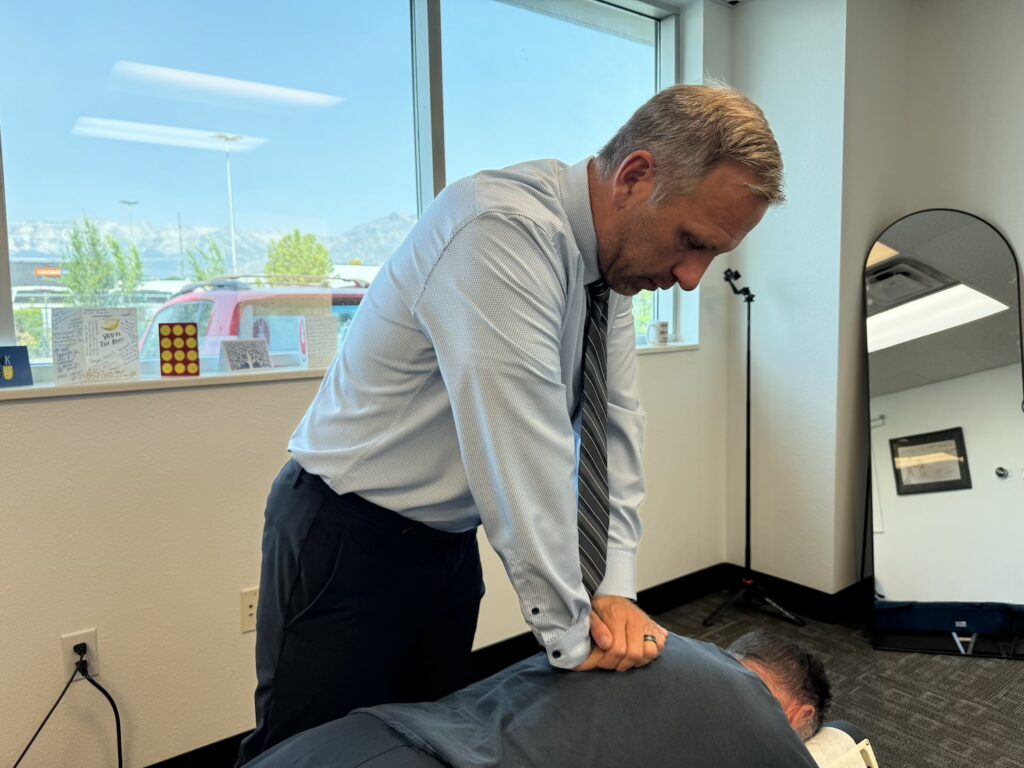
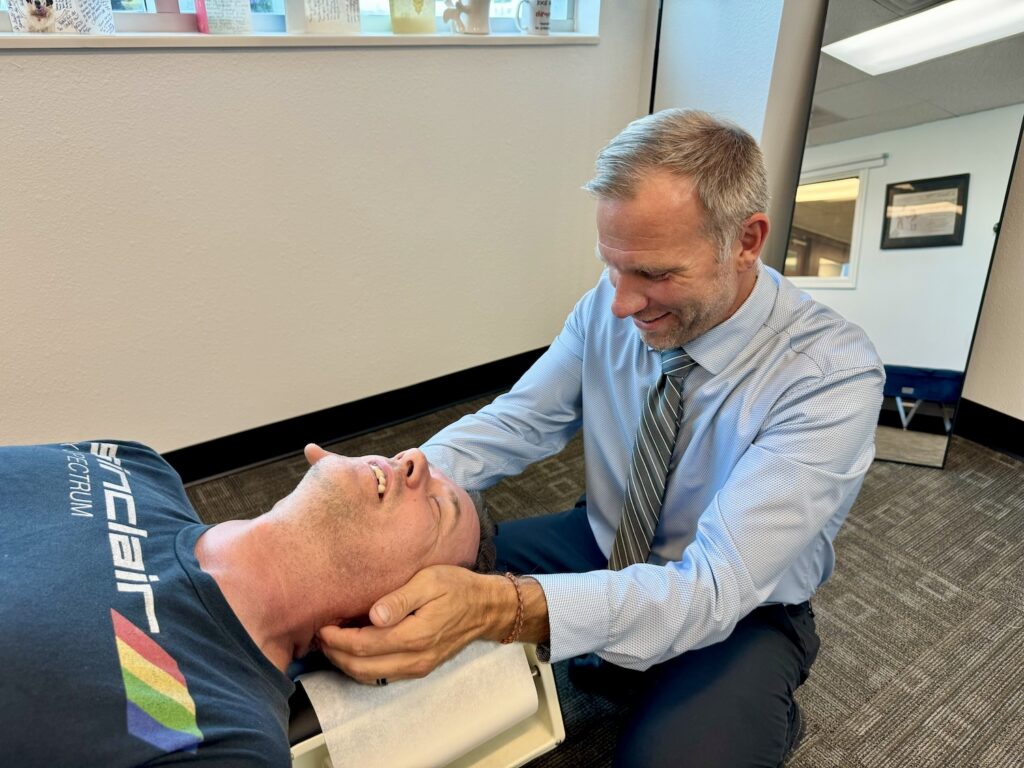
One of the cornerstone techniques in chiropractic care is spinal adjustments. These gentle manipulations realign the spine, improving nerve function and reducing pain. When your spine is in proper alignment, your body can heal itself more effectively, leading to long-lasting relief.
In addition to spinal adjustments, we often incorporate soft tissue therapies, which target the muscles and connective tissues surrounding the spine. Techniques such as massage and stretching can alleviate tension, improve circulation, and promote relaxation, contributing to your overall well-being.
Other valuable strategies include lifestyle and wellness advice. Simple changes, like incorporating regular physical activity, maintaining a healthy diet, and practicing good posture, can significantly impact your pain levels. Staying hydrated and managing stress through relaxation techniques can also support your healing journey.
Remember, chiropractic care is about more than just treating pain; it’s about fostering a healthier lifestyle. By focusing on natural healing methods, we can help you achieve the relief you seek and enhance your quality of life. If you’re ready to take the next step towards better health, consider chiropractic care as your go-to solution for pain relief and wellness.
Understanding Chronic Discomfort and Its Impact
Chronic discomfort can significantly impact your quality of life, making everyday activities feel daunting. Simple tasks like getting out of bed, walking, or even sitting can become overwhelming challenges. This persistent pain not only drains your energy but can also diminish your enthusiasm for life, leading to feelings of frustration and being overwhelmed.
Additionally, chronic discomfort can take a toll on your mental health, potentially leading to anxiety or depression as you navigate through the constant pain.
It’s important to remember that relationships can also be affected. You might find yourself withdrawing from social activities or feeling irritable due to your discomfort, which can create a sense of isolation. Understanding that your pain isn’t just a physical issue but often intertwines with emotional and psychological factors is crucial. Recognizing how chronic discomfort influences every aspect of your life is the first step toward finding effective solutions.
As a chiropractor, I want to emphasize that chiropractic care can be an excellent approach to managing chronic discomfort. By focusing on the spine and nervous system, chiropractic adjustments can help alleviate pain, improve mobility, and promote overall wellness.
Here are a few tips and tricks that may help you on your journey to relief:
- Stay Active: Gentle movement can help maintain flexibility and strengthen the muscles that support your spine. Consider low-impact activities like walking, swimming, or yoga.
- Posture Awareness: Pay attention to your posture throughout the day. Whether sitting at a desk or standing, maintaining good posture can alleviate pressure on your spine and reduce discomfort.
- Wellness Routine: Incorporate a wellness routine that includes chiropractic adjustments, stretching, and relaxation techniques. This holistic approach can support your body’s natural healing process.
- Stay Hydrated: Drinking enough water is essential for overall health and can help keep your joints lubricated, which may reduce pain.
- Listen to Your Body: If you feel discomfort during an activity, don’t push through it. Take breaks and allow your body the time it needs to rest and recover.
- Seek Support: Don’t hesitate to reach out to a chiropractor who can tailor a treatment plan to your specific needs. They can provide targeted care that addresses the root causes of your discomfort.
The Role of Chiropractic Care in Pain Management
Managing pain effectively requires a comprehensive approach, and chiropractic care is a vital component of this journey toward optimal health. When you come to see me, I’ll assess your specific condition and create a personalized treatment plan tailored to your unique needs. This individualized approach not only helps identify the root causes of your pain but also ensures you receive the most effective care possible.
One of the standout benefits of chiropractic care is its emphasis on holistic healing. Rather than simply masking your symptoms, my goal is to enhance your body’s natural ability to heal itself. I often integrate complementary therapies, such as massage and physical rehabilitation, to support your recovery and promote overall well-being.
In addition to relieving pain, regular chiropractic visits can help you develop better posture and body mechanics. This can significantly reduce your risk of future pain and discomfort. By incorporating chiropractic care into your pain management strategy, you’re taking proactive steps toward a healthier and more comfortable life.
Here are some simple tips to enhance your wellness journey:
- Stay Active: Regular physical activity can help keep your joints flexible and your muscles strong. Simple exercises like walking or stretching can make a big difference.
- Practice Good Posture: Pay attention to how you sit and stand. Keeping your spine aligned can prevent unnecessary strain.
- Listen to Your Body: If something doesn’t feel right, don’t ignore it. Seek help early to prevent further issues.
- Stay Hydrated: Drinking plenty of water is essential for maintaining the health of your discs and overall spinal health.
Manual Adjustments: Realigning the Spine
When it comes to finding relief from discomfort, manual adjustments are a vital part of chiropractic care that can help realign your spine and restore your body’s natural function. These gentle, hands-on techniques involve applying controlled force to specific joints, which aids in correcting misalignments. Many patients experience immediate relief from pain and an increase in mobility after just one session.
By concentrating on the spine, manual adjustments reduce interference with your nerves, which enhances your overall body function. This not only alleviates discomfort but also encourages better posture and alignment, helping to prevent future issues. Each adjustment is customized to meet your individual needs, ensuring you receive the most effective care possible.
Incorporating regular visits into your routine can lead to lasting benefits. An aligned spine decreases the chances of recurring pain, allowing you to enjoy a more active and fulfilling life. If you’re dealing with chronic discomfort, consider how manual adjustments can be a key part of your journey to improved health and wellness.
Here are a few simple tips to support your spine health in between visits:
- Practice good posture while sitting and standing.
- Take regular breaks to stretch, especially if you sit for long periods.
- Stay active with gentle exercises that promote flexibility and strength.
- Stay hydrated and maintain a balanced diet to support overall health.
Soft Tissue Therapy: Addressing Muscle Tension
Soft tissue therapy is a valuable tool in addressing muscle tension that often leads to discomfort. By focusing on specific muscles, tendons, and ligaments, this therapy helps to release knots and ease tightness, which can significantly lower your pain levels. Throughout your sessions, you may experience various techniques, such as massage, myofascial release, and trigger point therapy. These methods are designed to boost blood flow and promote relaxation, enhancing your body’s natural healing abilities.
As a chiropractor, I often see how soft tissue therapy complements spinal adjustments. When we address the underlying muscle issues that contribute to your discomfort, we create a more effective treatment plan. Your therapist will concentrate on areas of restriction, applying gentle pressure to relieve tension and improve your mobility. This approach not only helps alleviate discomfort but also encourages a greater range of motion, allowing you to move freely and engage in your daily activities.
Incorporating soft tissue therapy into your wellness routine can be a game-changer if you’re dealing with persistent muscle tension. Remember, the goal is to prioritize your overall well-being through natural methods.
Here are some general tips to help you manage muscle tension at home:
- Stay Hydrated: Drinking plenty of water helps keep your muscles hydrated and functioning properly.
- Stretch Regularly: Simple stretching exercises can alleviate tightness and improve flexibility.
- Practice Good Posture: Maintaining proper posture reduces strain on your muscles and spine.
- Take Breaks: If you have a sedentary job, make sure to take breaks to stand up, walk around, and stretch.
- Use Heat Therapy: Applying heat to tense muscles can promote relaxation and blood flow.
By integrating these practices into your life and considering soft tissue therapy alongside chiropractic care, you’re taking proactive steps towards achieving optimal health and natural wellness.
Rehabilitation Exercises: Strengthening the Body
When you’re dealing with chronic discomfort, one of the best ways to support your healing journey is through rehabilitation exercises, which can significantly strengthen your body.
As a chiropractor, I believe that focusing on targeted muscle strengthening techniques, flexibility, and balance exercises is key to enhancing your overall stability and well-being.
Incorporating these exercises into your routine can help you feel better and improve your quality of life. I recommend starting with gentle stretches and gradually working your way up to more specific strengthening exercises tailored to your unique needs.
Remember, chiropractic care plays a vital role in this process. A chiropractor can guide you through a personalized rehabilitation program, ensuring that you build strength safely and effectively while addressing any underlying spinal issues that may contribute to your discomfort.
Here are some general tips to get you started on your journey to natural healing and healthier living:
- Listen to Your Body: Pay attention to how your body feels during and after exercises. If something doesn’t feel right, consult with your chiropractor before proceeding.
- Stay Consistent: Regular practice of rehabilitation exercises can lead to better results. Aim for a few sessions each week.
- Incorporate Variety: Mix different types of exercises to work on strength, flexibility, and balance. This can keep your routine interesting and effective.
- Focus on Posture: Good posture is essential for spinal health. Be mindful of your posture during exercises and daily activities.
- Stay Hydrated: Proper hydration supports muscle function and recovery, so make sure to drink plenty of water throughout the day.
By combining rehabilitation exercises with chiropractic care, you can take significant steps toward achieving optimal health and natural wellness.
Targeted Muscle Strengthening Techniques
Chronic discomfort can be challenging, but chiropractic care, combined with targeted muscle strengthening techniques, offers a natural pathway to recovery and improved function.
These specially designed exercises focus on strengthening specific muscle groups that may be weak or imbalanced, helping to alleviate pain and enhance your mobility.
As your chiropractor, I can guide you through tailored routines that emphasize proper form and gradual progression, ensuring you avoid injury while building endurance and stability in the areas that need it most.
By engaging in these exercises consistently, you can significantly improve your daily activities and overall well-being.
Here are some general tips to keep in mind as you embark on this journey:
- Start Slow: Begin with gentle exercises and gradually increase the intensity as your strength improves. This will help prevent injury and allow your body to adapt.
- Listen to Your Body: Pay attention to how your body responds to the exercises. If you feel pain (not to be confused with the normal discomfort of exercise), stop and consult with me for adjustments to your regimen.
- Stay Consistent: Regular practice of these techniques is key. Aim to incorporate your exercises into your daily routine for the best results.
- Focus on Form: Proper form is essential to avoid straining other parts of your body. I can provide guidance on the correct technique during your visits.
- Ask Questions: Don’t hesitate to ask me about any exercises you’re unsure of or about how they fit into your overall care plan. I’m here to help you understand how these techniques contribute to your health.
Remember, strengthening your muscles is vital to overcoming discomfort and achieving optimal health.
With the right approach and support from chiropractic care, you can improve your quality of life and embrace a healthier, more active lifestyle.
Flexibility and Balance Exercises
Incorporating flexibility and balance exercises into your rehabilitation routine can significantly enhance your overall strength and stability, complementing the benefits you receive from chiropractic care.
These exercises not only improve your range of motion but also help prevent injuries by promoting better muscle coordination and spinal alignment.
To get started, gentle stretching is a great way to loosen tight muscles and enhance mobility. This can be especially beneficial for relieving tension in your body, which is something chiropractic adjustments aim to address.
As you become more comfortable, consider adding balance activities like single-leg stands or exercises with a stability ball. These movements not only train your body to maintain equilibrium but also support your spinal health and improve your posture.
By focusing on both flexibility and balance, you’re building a stronger foundation for your body, which is essential for everyday activities.
Consistency is crucial—try to practice these exercises regularly to see the best results. You’ll likely notice improvements not just in your flexibility and balance, but also in your posture, movement efficiency, and overall comfort.
Remember, chiropractic care is a natural and effective way to achieve optimal health.
By integrating these exercises into your routine, you’re not only enhancing your rehabilitation but also supporting your journey to a healthier, pain-free life.
Always consult with your chiropractor for personalized advice that aligns with your specific needs and goals.
Progressive Rehabilitation Programs
As you embark on your journey toward recovery, progressive rehabilitation programs are vital for strengthening your body and enhancing overall function. These programs are designed to gradually increase the intensity and complexity of your exercises, allowing you to build strength safely and effectively.
Starting with foundational movements, you’ll slowly progress to more challenging activities tailored to your individual needs. This step-by-step approach helps restore muscle balance and improve coordination, making everyday tasks much easier.
It’s important to focus on both your strengths and weaknesses, which allows you to develop a personalized routine that promotes healing and supports long-term wellness.
Incorporating chiropractic care into your rehabilitation can further enhance this process. Chiropractic adjustments help align your spine, improve mobility, and alleviate pain, allowing you to engage more fully in your rehabilitation exercises.
By committing to these exercises and regular chiropractic care, you can significantly reduce chronic discomfort and enhance your quality of life.
Here are a few tips to keep in mind as you work towards recovery:
- Stay Consistent: Make your rehabilitation exercises a regular part of your routine to see the best results.
- Listen to Your Body: Pay attention to how your body responds to different movements, and don’t hesitate to consult your chiropractor if something doesn’t feel right.
- Incorporate Stretching: Gentle stretching can help maintain flexibility and prevent stiffness, complementing your strength-building exercises.
- Focus on Posture: Proper posture is crucial for spinal health. Your chiropractor can provide guidance on maintaining good posture in daily activities.
- Hydrate: Staying hydrated supports overall health and aids in muscle recovery.
Lifestyle and Nutritional Counseling: Supporting Overall Health
To truly support your overall health, it’s essential to consider not just chiropractic care but also your lifestyle and nutrition choices. Chiropractic care is a powerful tool for achieving pain relief and promoting natural wellness, and when combined with healthy habits, it can enhance your well-being even further.
Incorporating dietary recommendations into your routine can significantly impact your health. Focus on whole foods, such as fruits, vegetables, lean proteins, and whole grains, which can help fuel your body and support your chiropractic care.
Regular physical activity is another key component; simple activities like walking, stretching, or practicing yoga can complement your chiropractic adjustments and help maintain your spinal health.
Don’t forget about stress management techniques. Practices such as deep breathing, meditation, or even spending time in nature can help reduce tension in your body, which is essential for maintaining a healthy spine.
Remember, each of these aspects plays a significant role in your journey toward optimal health. By prioritizing chiropractic care alongside a balanced lifestyle, you can alleviate chronic discomfort and support your body’s natural healing processes.
Take small steps today, and you’ll be on your way to a healthier, happier you!
Dietary Recommendations for Wellness
Many people seek relief from chronic discomfort through physical therapies, but it’s important to remember that dietary choices can significantly influence your overall wellness as well. As a chiropractor, I believe that incorporating anti-inflammatory foods into your daily meals can be a powerful companion to your chiropractic care.
Consider adding more fruits, vegetables, nuts, and fatty fish to your plate. These foods are rich in antioxidants and omega-3 fatty acids, both of which can help reduce inflammation and promote healing in your body. Pairing these healthy foods with your regular chiropractic adjustments can enhance your recovery and overall well-being.
On the other hand, try to limit processed foods, sugars, and trans fats, as these can worsen discomfort and inflammation. Staying hydrated is also crucial; drinking plenty of water throughout the day supports your body’s natural healing processes.
Moderation is key—while it’s okay to indulge occasionally, balancing those treats with nutritious choices can help you maintain your health and manage chronic discomfort more effectively.
Exercise and Physical Activity
Incorporating regular exercise and physical activity into your daily routine can significantly enhance the benefits of your chiropractic care. Engaging in simple activities like walking, swimming, or yoga not only boosts your overall health but can also help alleviate chronic discomfort naturally.
When you keep your body moving, you promote better circulation and flexibility, which can ease tension and stiffness in your muscles and joints.
It’s essential to choose exercises you genuinely enjoy, as this makes it easier to stick with them long-term. Aim for at least 150 minutes of moderate-intensity activity each week. This can be broken down into manageable chunks—perhaps a brisk walk in the morning or a gentle yoga session in the evening.
Don’t forget to include some strength training exercises, as they play a vital role in supporting your spine and enhancing your overall stability.
Your chiropractor can provide personalized recommendations tailored to your needs, ensuring that your exercise routine complements your chiropractic treatment plan. This collaboration can help you achieve the best possible results and improve your quality of life.
Stress Management Techniques
Managing stress is crucial for your overall health, especially if you’re experiencing chronic pain or discomfort. As a chiropractor, I believe that incorporating effective stress management techniques into your daily routine can significantly enhance your well-being and support your body’s natural healing processes.
Start by exploring mindfulness or meditation; dedicating just a few minutes each day can work wonders in calming your mind and reducing stress. Pair this with deep breathing exercises to alleviate tension—these can provide immediate relief during stressful moments and help you feel more centered.
Don’t overlook the importance of a balanced diet. Nourishing your body with wholesome foods can uplift your mood and boost your energy levels, making it easier to cope with life’s challenges.
Regular physical activity is another key player; it not only helps maintain a healthy spine but also releases endorphins, the body’s natural stress fighters.
Additionally, consider talking to a chiropractor about how spinal health can impact your overall stress levels. Chiropractic care focuses on aligning your spine and improving your nervous system function, which can lead to better stress management and pain relief.
By actively managing stress and prioritizing your spinal health, you’ll support your body’s ability to heal and enhance your quality of life naturally.
Integrative Approaches: Combining Chiropractic With Other Treatments
As you seek ways to alleviate chronic discomfort and enhance your overall wellness, consider the powerful benefits of chiropractic care as part of a holistic approach to health. Chiropractic adjustments not only help relieve pain but also promote natural healing and prevent future issues.
Here are four effective methods to complement your chiropractic treatment for optimal health:
- Physical Therapy: Combining chiropractic adjustments with physical therapy can significantly boost your recovery. Physical therapy focuses on exercises that improve mobility and strengthen muscles, which work hand-in-hand with the alignment provided by chiropractic care. This combination can help you regain function more effectively and maintain it long-term.
- Massage Therapy: Adding massage therapy to your routine can be a wonderful way to relieve muscle tension and stress. When your muscles are relaxed, chiropractic adjustments can be even more effective. Regular massages can help keep your body in balance, making it easier for you to maintain the benefits of your chiropractic care.
- Nutritional Counseling: What you eat matters! A well-balanced diet supports your body’s healing processes and overall health. When you discuss nutrition with your chiropractor, you can learn how specific foods can aid in your recovery and help maintain a healthy spine. Simple dietary changes can make a big difference in how you feel.
- Acupuncture: This ancient practice can complement chiropractic care beautifully. Acupuncture targets pain relief and promotes energy flow in your body. When combined with chiropractic adjustments, it can enhance your overall treatment experience, allowing you to feel better faster and maintain your well-being.
Remember, embracing these natural approaches can lead to a healthier, more vibrant you. Always consult with your chiropractor about the best combination of treatments for your individual needs.
Together, we can work towards achieving your health goals and ensuring you live your best life without reliance on medications or invasive procedures.
Conclusion
Incorporating chiropractic care into your routine can significantly relieve chronic discomfort and improve your overall well-being. By focusing on spinal alignment, we can help relieve pressure on nerves and reduce muscle tension, leading to a more comfortable lifestyle. Personalized exercises are also an essential part of your recovery, as they strengthen your body and support your spine.
It’s important to remember that your health goes beyond just adjustments. Lifestyle and nutritional guidance play a crucial role in enhancing your wellness journey. Simple changes, such as staying hydrated, practicing good posture, and incorporating more whole foods into your diet, can have a profound impact on your health.
By embracing chiropractic care and these holistic approaches, you take an active role in regaining your mobility and restoring balance in your life. Enjoy the benefits of a healthier, pain-free future without relying on medications or surgeries. Take charge of your well-being today—your body will thank you!