If you’ve experienced whiplash, you understand how challenging and painful the symptoms can be. Finding relief and regaining your mobility is crucial, and chiropractic care can be an effective solution. As a local chiropractor, I want to share some natural techniques that can help you on your journey to recovery, allowing you to manage pain and restore function without relying on medications or invasive procedures.
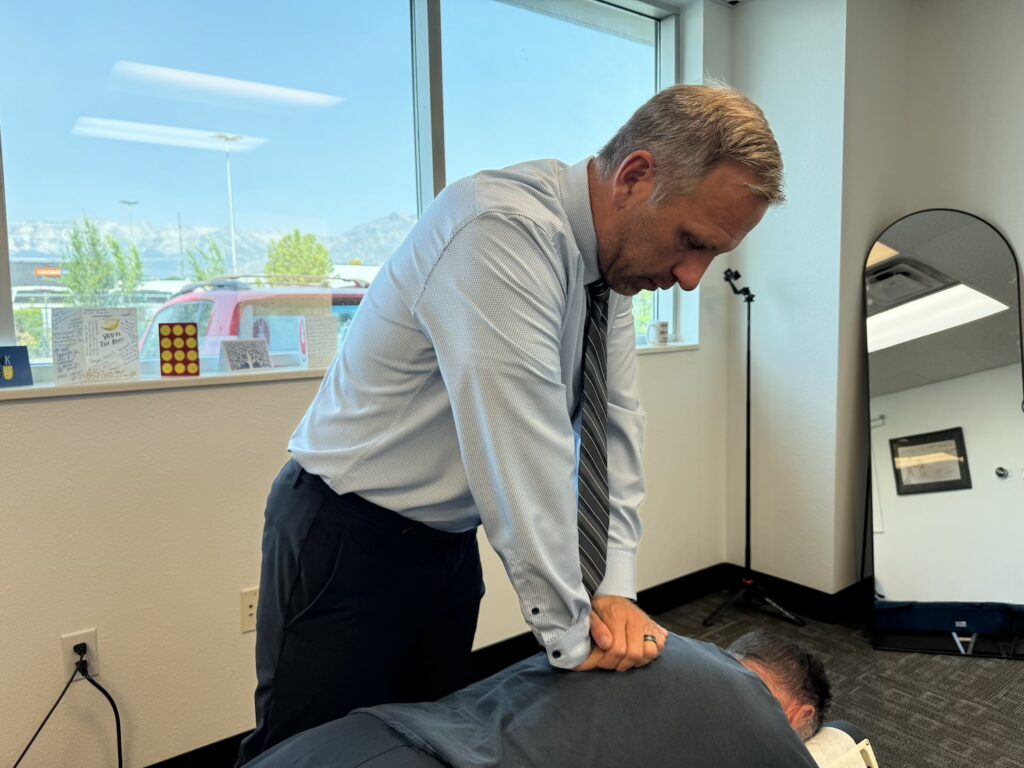
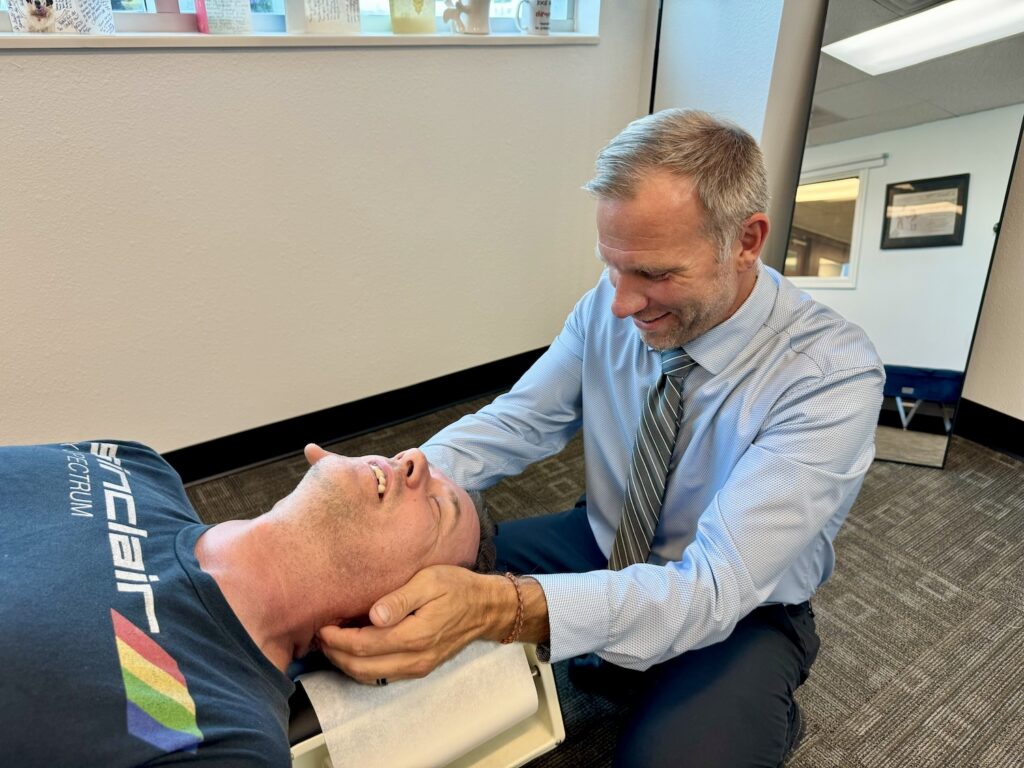
Chiropractic adjustments are one of the best ways to address whiplash symptoms. By realigning your spine and neck, we can help reduce pain and improve your range of motion. These adjustments promote healing by allowing your body to function optimally.
In addition to adjustments, gentle stretching and strengthening exercises can significantly aid in your recovery. Simple neck stretches can ease tension and improve flexibility. Consider trying these at home: slowly tilt your head side to side and forward and backward, holding each position for a few seconds. This can help alleviate stiffness and encourage healing.
Applying heat or ice to the affected area can also provide relief. Ice can reduce inflammation in the initial stages after an injury, while heat can help soothe tight muscles. Just remember to wrap ice packs or heating pads in a cloth to protect your skin.
Staying active is important too! Engaging in light physical activity, such as walking, can promote blood flow and help your body heal. Listen to your body, and don’t push yourself too hard—gentle movement is key.
Lastly, consider incorporating relaxation techniques, such as deep breathing or meditation, into your routine. Stress can exacerbate pain, so finding ways to relax can be beneficial for your overall well-being.
If you’re dealing with whiplash, I encourage you to explore chiropractic care as a natural and effective option for relief. Together, we can develop a personalized plan that focuses on your specific needs, helping you regain your strength and get back to living your life fully. Remember, your health is a journey, and I’m here to support you every step of the way!
Understanding Whiplash and Its Symptoms
When you experience a car accident or a sudden jolt, you may find yourself facing whiplash, a common neck injury that can impact your overall well-being. Whiplash occurs when your head quickly jerks forward and then back, straining the muscles and ligaments in your neck.
After such an event, you might notice symptoms like neck pain, stiffness, headaches, or even dizziness. These symptoms can range from mild to severe, and some individuals may also experience fatigue or difficulty concentrating.
It’s crucial to listen to your body after an injury like this. If you notice persistent pain or discomfort, it’s important not to ignore it. Early recognition of whiplash can be vital for effective recovery. Chiropractic care offers a natural and holistic approach to managing these symptoms. By focusing on spinal health and proper alignment, chiropractic treatments can help alleviate pain, reduce stiffness, and promote healing in your neck.
In addition to seeking chiropractic care, there are some general tips you can follow to support your recovery:
- Rest and Relaxation: Allow your body time to heal. Rest is essential, especially in the initial days following an injury.
- Gentle Stretching: Once your pain allows, gentle neck stretches can help improve flexibility and reduce stiffness. Always consult your chiropractor before starting any new exercises.
- Heat and Ice Therapy: Applying ice to reduce swelling or heat to alleviate muscle tension can be beneficial in managing your discomfort.
- Stay Hydrated: Drinking plenty of water can support overall health and aid in recovery.
- Ergonomic Adjustments: Pay attention to your posture, especially if you work at a desk. Proper ergonomics can help prevent additional strain on your neck.
Understanding what whiplash is and recognizing its symptoms empowers you to take proactive steps toward your recovery. With chiropractic care, you can find relief from pain and promote natural healing, guiding you on the path to optimal health and wellness.
The Role of Physical Therapy in Recovery
While chiropractic care is a vital component in managing whiplash symptoms, incorporating physical therapy can also support your journey toward recovery. Physical therapy focuses on specific exercises that help strengthen your neck and shoulder muscles, which in turn improves stability and flexibility.
Your chiropractor can work with a physical therapist to assess your individual needs, ensuring you understand the safest and most effective movements.
In addition to exercise, manual therapy techniques may be used to alleviate pain and enhance your range of motion. It’s important to remember that maintaining proper posture and ergonomics is crucial in preventing future injuries. Your chiropractor can provide valuable advice on how to adjust your daily habits to support your spine’s health.
As you progress, the intensity of your exercises will gradually increase, allowing your body to adapt without the risk of overexertion. Consistency with therapy sessions and following your chiropractor’s recommendations will aid in regaining your strength and functionality more effectively.
Remember, the ultimate goal is to empower you to manage your symptoms and return to your daily activities with confidence. By choosing chiropractic care, you’re opting for a natural approach to healing that prioritizes your overall health and well-being.
Always listen to your body and communicate openly with your healthcare provider to achieve the best outcomes!
Benefits of Chiropractic Care for Whiplash
Chiropractic care is an excellent choice for anyone dealing with whiplash, as it focuses on providing natural pain relief and restoring your body’s mobility. By prioritizing spinal alignment and joint function, chiropractors can effectively reduce inflammation and enhance blood flow to the areas that are causing you discomfort. This natural approach often leads to less pain and a quicker recovery.
In my practice, I utilize various techniques such as spinal adjustments and soft tissue therapy, which target the root causes of your discomfort rather than just masking the symptoms. These methods not only help alleviate pain but also improve your range of motion, allowing you to return to your daily activities sooner.
Chiropractic care takes a holistic approach, meaning we look at your overall health and wellness, not just the whiplash symptoms. This can lead to long-term benefits, including improved posture and reduced tension in your neck and shoulders, which are crucial for overall well-being.
Here are some general tips to enhance your recovery journey:
- Stay Active: Gentle stretching and light exercises can help maintain mobility and reduce stiffness.
- Practice Good Posture: Being mindful of your posture, especially when sitting or using screens, can significantly reduce strain on your neck and back.
- Apply Heat or Cold: Using a heating pad or ice pack on the affected areas can provide relief and help reduce inflammation.
- Stay Hydrated: Drinking plenty of water supports overall health and can aid in the healing process.
- Follow a Healthy Diet: Eating a balanced diet rich in anti-inflammatory foods can help support your recovery.
At-Home Remedies to Relieve Pain
To relieve pain from whiplash at home, there are several natural remedies you can incorporate into your routine to support your recovery and overall well-being.
One effective method is to start with ice therapy. Applying an ice pack to the affected area for 15-20 minutes several times a day can help reduce inflammation and numb discomfort.
After a couple of days, you can switch to heat therapy, using a warm towel or heating pad to soothe muscle tension and promote relaxation.
While over-the-counter pain relievers might seem like a quick fix, I’d recommend focusing on natural methods for pain relief. Consider gentle stretches and neck exercises to improve mobility and strengthen the supporting muscles. Engaging in these movements under the guidance of a chiropractor can enhance your recovery process and help maintain spinal health.
Staying hydrated and incorporating anti-inflammatory foods, such as fruits, vegetables, and healthy fats, into your diet can also enhance healing.
Don’t forget the importance of rest; quality sleep is vital for your body to repair itself.
Additionally, consider visiting a chiropractor for a personalized treatment plan. Chiropractic care addresses the root cause of pain and promotes optimal spinal alignment, which can be instrumental in your recovery from whiplash.
The Importance of Gentle Stretching and Exercise
Gentle stretching and exercise are essential components of recovery from whiplash, and as a local chiropractor, I emphasize their importance in achieving optimal health and wellness. By integrating these practices into your daily routine, you can enhance your flexibility, alleviate pain, and promote natural healing.
Let me share some key benefits of gentle stretching and exercise for whiplash recovery. Firstly, these activities help to improve blood circulation to your muscles, which aids in reducing tension and promoting healing. Secondly, they can enhance your range of motion, allowing you to regain normal function more quickly. Most importantly, engaging in these practices regularly can empower you to take control of your recovery journey without relying on medications or invasive procedures.
Here are some recommended exercises that can help ease whiplash symptoms:
- Neck Tilts: Sit or stand comfortably, keeping your back straight. Gently tilt your head to one side, bringing your ear towards your shoulder. Hold for 15-30 seconds and switch sides. Repeat a few times.
- Chin Tucks: Sit or stand with a straight posture. Pull your chin back gently, creating a double chin effect. Hold for a few seconds and release. This exercise helps strengthen the neck muscles.
- Shoulder Rolls: Relax your shoulders and roll them forward in a circular motion, then backward. This simple movement helps to release tension in your upper back and neck.
- Gentle Upper Back Stretch: Interlace your fingers and stretch your arms out in front of you while rounding your upper back. This helps to alleviate tightness and improve flexibility.
Aim to incorporate these stretches into your daily routine, ideally 2-3 times a day, for the best results. Always listen to your body and avoid any movements that cause significant discomfort.
Remember, chiropractic care is an excellent complement to these exercises. Regular adjustments can help align your spine, reduce pain, and enhance your overall wellness. By choosing chiropractic, you’re opting for a natural, effective approach to healing that focuses on your body’s innate ability to recover.
Benefits of Stretching
Stretching is an important part of your healing process if you’re dealing with whiplash symptoms. By integrating gentle stretches into your daily routine, you can significantly improve flexibility and ease muscle tension in your neck and shoulders. This not only helps alleviate pain but also assists in restoring your range of motion, making everyday tasks much easier and more comfortable.
Moreover, stretching encourages better blood circulation, which is crucial for providing your muscles and tissues with the oxygen and nutrients they need to heal. Enhanced circulation can help speed up the recovery process and reduce inflammation naturally. It’s essential to listen to your body during this process—gentle movements are key, and avoiding overstretching will keep you safe.
In addition to stretching, consider complementing your recovery with regular chiropractic care. Chiropractors are trained to understand the musculoskeletal system and can help align your spine, which can further support your healing journey. With consistent chiropractic adjustments, you can improve your overall spinal health, leading to optimal wellness.
As you embark on this path to recovery, remember to incorporate these general tips:
- Start Slow: Begin with simple stretches and gradually increase intensity as your comfort allows.
- Stay Consistent: Make stretching a regular part of your routine to see the best results.
- Focus on Breath: Breathing deeply during stretches can enhance relaxation and effectiveness.
- Seek Professional Guidance: A chiropractor can offer personalized advice on stretches and techniques tailored to your needs.
Recommended Gentle Exercises
How can you support your recovery from whiplash symptoms? Gentle exercises are a vital component of alleviating discomfort and restoring mobility after an injury.
As a chiropractor, I often recommend starting with slow neck rotations—gently turning your head side to side can help ease stiffness. Incorporating chin tucks is also beneficial; simply pull your chin in towards your neck to strengthen those important neck muscles without adding strain.
Shoulder rolls are another excellent exercise that can relieve tension. Try rolling your shoulders forward and backward to promote relaxation and mobility. To stretch your upper back, reach your arms overhead and gently lean to each side, allowing your body to release tightness.
Throughout these movements, remember to focus on your breath and maintain a relaxed posture. This mindfulness not only enhances the effectiveness of the exercises but also promotes overall wellness.
These simple movements can significantly improve your flexibility and circulation, making it easier to engage in your daily activities.
Always listen to your body; if any movement feels painful, it’s important to stop and consult with a healthcare provider, like a chiropractor, who can offer personalized advice and care.
Chiropractic adjustments can also play a crucial role in your recovery, helping to realign your spine and relieve any pressure on your nerves. Embracing natural healing through chiropractic care is a wonderful way to support your journey towards optimal health.
Timing and Frequency
To effectively support your recovery from whiplash, it’s important to think about the timing and frequency of your gentle exercises. As your local chiropractor, I recommend starting with stretching as part of your daily routine, ideally several times a day. This practice not only helps maintain flexibility but also reduces stiffness, promoting natural healing. Aim for short sessions of about 5 to 10 minutes, focusing on gentle movements that feel comfortable and pain-free.
As you progress in your recovery, gradually increase how often you engage in these gentle exercises while paying close attention to how your body feels. If you experience discomfort, it’s perfectly okay to slow down; your body knows best. If you’re feeling good, you can try adding more repetitions or slightly extending your stretching time.
Consistency is key—regular practice is crucial for healing, and it lays the groundwork for regaining your full mobility.
Remember, chiropractic care is a fantastic way to support your recovery journey. By receiving regular adjustments and guidance from your chiropractor, you can enhance your body’s natural healing processes.
Combining chiropractic care with mindful exercise will maximize your chances of alleviating whiplash symptoms and achieving optimal health. Focus on being gentle with yourself, and take these tips into your daily routine to promote a healthier, pain-free life.
Seeking Professional Help: When to Consult a Specialist
Whiplash can be a challenging experience, leaving you feeling overwhelmed and unsure about what to do next. If your symptoms linger for more than a few days or start to worsen, it’s crucial to seek professional help. A chiropractor can help assess the extent of your injury and guide you toward effective natural healing options.
Keep an eye out for warning signs such as severe pain, numbness, or weakness in your arms, as these could indicate nerve issues that need prompt care. Don’t hesitate to reach out to a chiropractor if you’re having trouble moving or managing daily activities. They can provide personalized adjustments and exercises tailored to your needs, promoting healing and reducing discomfort.
If you find that pain persists or becomes chronic, a chiropractor can also help with pain management through holistic techniques that avoid invasive procedures. Remember, addressing whiplash symptoms early on with chiropractic care can lead to a faster recovery and help prevent long-term complications.
Trust your instincts—if something feels off, it’s always wise to consult a professional. Embracing chiropractic care not only aids in pain relief but also supports your overall wellness.
Here are a few general tips to help you on your journey to recovery:
- Stay Hydrated: Drinking plenty of water can help maintain spinal health and support tissue healing.
- Gentle Stretching: Incorporate light stretching and mobility exercises as advised by your chiropractor to keep your neck and back flexible.
- Posture Awareness: Be mindful of your posture, especially if you spend long hours sitting. Good posture supports spinal alignment and can reduce pain.
- Rest and Recovery: Allow your body to heal by getting plenty of rest and avoiding activities that may aggravate your symptoms.
Conclusion
In summary, effectively managing whiplash symptoms involves a holistic approach that emphasizes natural healing and recovery. Incorporating rest, gentle stretching, and alternating heat and ice therapy can significantly alleviate pain and enhance mobility. As a chiropractor, I encourage you to consider chiropractic care as a primary method for addressing whiplash. Chiropractors specialize in spinal health and can provide tailored adjustments to realign your spine, relieve tension, and promote overall wellness.
Additionally, it’s crucial to pay attention to your posture and make ergonomic adjustments in your daily life. Simple changes, like adjusting your workspace or being mindful of your body mechanics, can greatly support your recovery and prevent future issues. Remember, staying proactive in your healing journey is key! Always feel free to reach out for professional guidance to ensure you’re on the right path to optimal health.