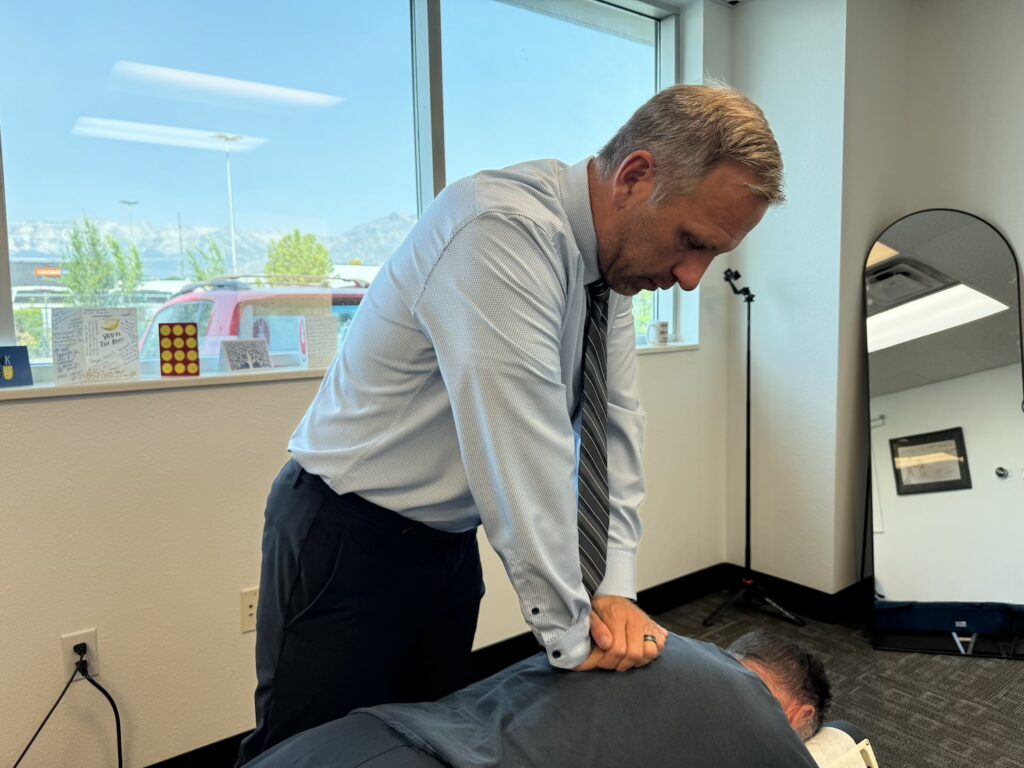
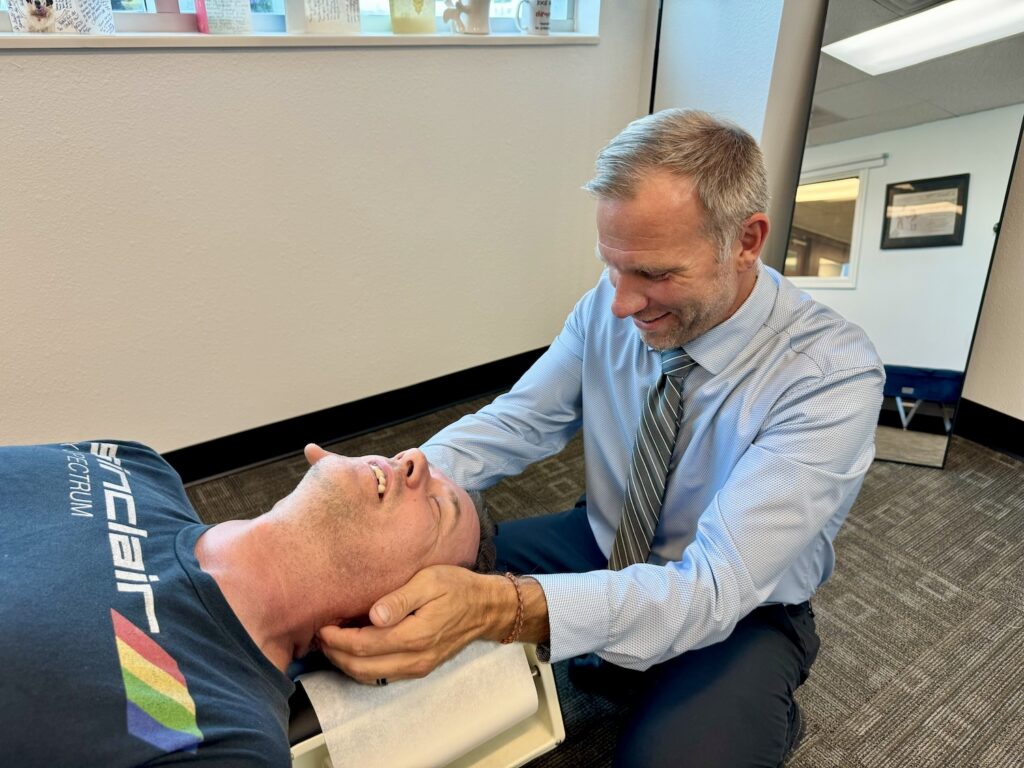
Neck discomfort can be a frustrating issue that many people experience daily. It often arises from poor posture, repetitive movements, or even the stress of modern life. Understanding how to manage this discomfort is essential for your overall well-being, and chiropractic care can play a pivotal role in your journey to relief.
As a chiropractor, I believe that small adjustments in your daily routine can lead to significant improvements in your neck health. So, what specific methods can you implement to alleviate that nagging pain? Let’s explore some trusted strategies that could transform your experience and highlight the benefits of chiropractic care.
- Regular Chiropractic Adjustments: One of the most effective ways to manage neck discomfort is through regular visits to a chiropractor. We can help realign your spine, reducing tension in the neck muscles and improving your overall posture. This not only alleviates pain but also promotes better spinal health.
- Ergonomic Workspaces: If you spend hours at a desk, ensure that your workspace is ergonomically friendly. Adjust your chair height, position your computer screen at eye level, and keep your feet flat on the ground. These changes can help reduce strain on your neck and back.
- Mind Your Posture: Be conscious of your posture throughout the day. Whether you’re sitting, standing, or even using your phone, maintaining a proper posture can help prevent neck strain. Keep your shoulders back and your head aligned with your spine.
- Gentle Stretching and Strengthening: Incorporate gentle neck stretches and strengthening exercises into your routine. Simple movements, such as tilting your head from side to side or gently rolling your shoulders, can help alleviate tension and improve flexibility.
- Manage Stress: Stress can contribute significantly to neck discomfort. Engage in relaxation techniques like deep breathing, meditation, or yoga. These practices can help reduce tension in your body and promote a sense of calm.
- Stay Active: Regular physical activity is essential for overall health, including neck health. Aim for activities that promote flexibility and strength, such as swimming or walking, which can help keep your muscles balanced and reduce discomfort.
- Apply Heat or Cold: Using a heating pad or a cold pack can provide immediate relief from neck pain. Heat can relax tight muscles, while cold can reduce inflammation and numb any soreness.
By incorporating these strategies into your daily life and prioritizing chiropractic care, you can effectively manage neck discomfort and enhance your overall health. Remember, your spine is the foundation of your well-being, and taking care of it is crucial for a pain-free life. If you’re experiencing persistent neck pain, don’t hesitate to reach out to your local chiropractor for personalized care and support. Together, we can work towards achieving optimal health and wellness.
Understanding the Causes of Neck Discomfort
When you experience neck discomfort, it’s often your body’s way of signaling that something isn’t quite right. This discomfort can stem from various causes, including poor posture, muscle strain, or even underlying health issues.
Many people find themselves hunched over their phones or computers for long periods, which can lead to tension in the neck muscles. This strain often creates discomfort that can linger throughout your day.
Sudden movements or repetitive tasks can also aggravate your neck. If you’ve recently lifted a heavy object or slept in an awkward position, it’s common to feel tightness or pain.
Additionally, underlying health issues, such as herniated discs or arthritis, can contribute to your discomfort. It’s essential to listen to your body and recognize these signs early. Identifying the causes of your neck pain is the first step toward effective management and relief.
As a chiropractor, I encourage you to consider chiropractic care as a natural and effective way to address neck discomfort. Chiropractic adjustments can help realign your spine, relieve tension, and improve your overall mobility.
Here are some simple tips to help you manage neck discomfort:
- Practice Good Posture: Ensure your workspace is ergonomically friendly. Keep your computer screen at eye level and your chair supportive.
- Take Breaks: If you work at a desk or use your phone frequently, take regular breaks to stretch and move around.
- Stay Hydrated: Drinking enough water is vital for muscle health and can help reduce tension.
- Gentle Stretches: Incorporate gentle neck stretches into your daily routine to improve flexibility and reduce stiffness.
- Consider Chiropractic Visits: Regular chiropractic care can help maintain a healthy spine and prevent future discomfort.
Importance of Good Posture
Maintaining good posture is crucial for preventing and alleviating neck discomfort, and as a local chiropractor, I can’t emphasize its importance enough. When you sit or stand with a straight spine, your muscles and ligaments can function more effectively, which means less strain on your neck.
It’s all too easy to slip into bad habits, especially when you’re hunched over a computer or looking down at your phone. However, by being mindful of your alignment, you can take meaningful steps toward keeping your neck healthy and pain-free.
To enhance your posture, start by ensuring that your workstation is ergonomically designed. Position your computer screen at eye level and choose a chair that provides proper support for your back.
Throughout the day, take a moment to check your posture and make adjustments as needed. When you’re walking, remember to stand tall, engage your core, and keep your shoulders back. These small changes can significantly improve how you feel.
Good posture isn’t just about looking good; it’s essential for maintaining a pain-free neck and overall health. If you’re experiencing discomfort, chiropractic care can be an excellent choice for natural healing.
A chiropractor can help identify misalignments in your spine and provide gentle adjustments that promote proper alignment. This can relieve tension and pain, allowing your body to function optimally without the need for medications or surgeries.
Incorporate these tips into your daily routine, and you’ll find that not only does your posture improve, but your overall well-being flourishes.
Stretching and Strengthening Exercises
To effectively manage neck discomfort, incorporating stretching and strengthening exercises into your daily routine can be incredibly beneficial.
These exercises not only enhance flexibility but also build strength, which is essential for alleviating pain and promoting overall neck health. As your local chiropractor, I want to share some simple yet effective exercises that you can do at home.
Here are a few activities to consider:
- Neck stretches: Gently tilt your head to each side, holding for about 15 seconds. This simple stretch can help relieve tension and improve your range of motion. It’s a quick way to give your neck some love throughout the day.
- Shoulder shrugs: Raise your shoulders toward your ears, hold for a few seconds, and then release. This exercise strengthens the muscles surrounding your neck and can help alleviate tightness.
- Chin tucks: Sit up straight and gently pull your chin in towards your neck. Hold for a few seconds. This movement strengthens the neck muscles and supports proper alignment, which is crucial for maintaining spinal health.
Incorporating these exercises into your routine can significantly reduce discomfort over time.
It’s important to perform them regularly and pay attention to your body. If something doesn’t feel right, it’s best to stop and reach out for professional guidance.
Remember, chiropractic care is an excellent choice for supporting your neck health and overall well-being.
Regular adjustments can help maintain proper spinal alignment, which is key to preventing discomfort and enhancing your body’s natural ability to heal.
Heat and Cold Therapy
Whether you’re facing sharp neck pain or ongoing discomfort, heat and cold therapy can serve as valuable tools in your journey toward relief and wellness. As a chiropractor, I believe in the power of natural healing, and using heat and cold therapy can complement your chiropractic care effectively.
Heat therapy, such as warm compresses or heating pads, is excellent for relaxing tight muscles and enhancing blood circulation. When you apply heat, aim for about 15-20 minutes. Make sure it feels warm but not too hot to avoid burns. This can be particularly beneficial after a chiropractic adjustment, as it helps your muscles relax and supports your body’s healing process.
On the flip side, cold therapy, like ice packs, is fantastic for reducing inflammation and numbing sharp pain. Applying cold packs for 10-15 minutes can help soothe discomfort, especially after activities that might’ve aggravated your neck. Be sure to give your skin breaks in between applications to prevent frostbite.
You can also alternate between heat and cold therapy based on your symptoms. Use heat when you feel muscle tension and switch to cold when dealing with inflammation. Always pay attention to your body; adjust the temperature and duration as needed to find what works best for you.
Incorporating these therapies into your routine can enhance the benefits of regular chiropractic care. With consistent use, you can experience not only relief but also improved mobility in your neck.
Ergonomic Adjustments for Daily Activities
As you navigate your daily activities, making ergonomic adjustments can significantly alleviate neck discomfort and enhance your overall well-being. By making simple changes in your environment, you can experience a remarkable difference in how you feel.
Start by optimizing your workspace for comfort. Ensure your chair and desk height allow your elbows to rest at a 90-degree angle, with your computer monitor positioned at eye level to promote a natural posture.
Here are some helpful tips:
- Choose a supportive chair: Investing in a chair that provides good lumbar support is crucial for encouraging proper spinal alignment and posture.
- Adjust your screen position: Place your computer monitor at eye level to prevent unnecessary strain on your neck from tilting your head.
- Incorporate regular breaks: Make it a habit to stand up, stretch, and move around every hour. This simple practice can help relieve tension and promote better spinal health.
Remember, chiropractic care is an excellent option for addressing neck pain and enhancing your overall health. Regular visits to your chiropractor can help keep your spine aligned, reducing discomfort and promoting a healthier lifestyle.
When to Seek Professional Help
If you’re experiencing neck pain that persists for more than a few days, it’s important to consider seeking the expertise of a chiropractor. Our holistic approach focuses on addressing the root cause of your discomfort rather than just masking the symptoms.
Pay attention to any additional signs, such as numbness or headaches, as these can suggest a more serious issue that warrants professional evaluation.
Consider how neck pain is impacting your daily life. If it’s making it difficult to perform everyday tasks or enjoy activities you love, don’t hesitate to reach out for chiropractic care. We specialize in natural healing methods that promote optimal spinal health and overall wellness.
In the meantime, here are some tips to help manage your neck pain at home:
- Maintain good posture, especially when sitting for long periods.
- Take regular breaks to stretch your neck and shoulders.
- Apply a warm compress to ease tension.
- Stay hydrated to support your body’s natural healing processes.
Choosing chiropractic care can be a powerful step towards recovery and achieving a healthier, pain-free life. We’re here to guide you on your journey to wellness!
Persistent Pain Duration
When neck discomfort sticks around for more than just a few days, it’s essential to think about reaching out for professional support. Ignoring persistent pain can lead to more significant issues down the line.
If you find yourself dealing with any of the following signs, it’s time to consider a visit to your chiropractor:
- Increased Intensity: If your pain becomes more severe despite trying home remedies or taking time to rest, it’s a clear sign that your body needs expert attention.
- Radiating Pain: If you feel discomfort spreading to your shoulders, arms, or hands, this can indicate that the underlying issue needs to be addressed through proper spinal care.
- Limitations in Movement: Struggling to turn your head or perform everyday tasks is your body’s way of telling you that something isn’t right and needs to be looked at.
Don’t let ongoing neck discomfort interfere with your daily life. By seeking chiropractic care, you can receive a personalized treatment plan tailored to your specific needs. Chiropractors focus on natural healing methods that promote wellness and help restore your mobility without the need for medications or surgeries.
Additionally, here are some general tips to manage neck discomfort at home:
- Practice Good Posture: Be mindful of your posture whether sitting, standing, or using your phone. Keeping your spine aligned can help reduce strain on your neck.
- Gentle Stretches: Regularly perform gentle stretches to maintain flexibility. Simple neck rolls or side bends can alleviate tension.
- Heat Therapy: Applying a warm compress can relax tight muscles and promote blood flow to the area.
- Stay Hydrated: Drinking enough water is essential for maintaining healthy spinal discs and overall bodily function.
- Ergonomic Workstation: Ensure your workspace is set up to promote good posture, with your computer screen at eye level and your chair providing proper support.
Accompanying Symptoms Assessment
How can you determine if your neck discomfort is linked to a larger issue? It’s important to pay attention to accompanying symptoms that may indicate something more serious. If you’re experiencing severe headaches, numbness, or tingling in your arms or hands, it’s wise to consult with a chiropractor. These signs could suggest that your spine may be misaligned, and chiropractic care can help restore balance and alleviate your discomfort.
Additionally, if you notice weakness in your limbs or have trouble with your balance, don’t overlook these warning signs. A chiropractor can assess your spinal health and provide adjustments to improve your overall function.
Symptoms like fever, unexplained weight loss, or persistent fatigue might indicate underlying issues that you should discuss with a healthcare professional, but remember, chiropractic care can often address many of these concerns by promoting natural healing.
Trust your instincts; if something feels off, seeking evaluation is crucial. Early intervention through chiropractic care can lead to more effective relief and help prevent potential complications. Always prioritize your health, and remember that you have the power to improve your well-being through natural methods.
Simple lifestyle changes, such as maintaining good posture, staying active, and managing stress, can also support your spinal health. Don’t hesitate to reach out for support when needed—your journey to optimal health begins with taking the first step!
Impact on Daily Activities
Recognizing how neck discomfort can impact your daily activities is crucial in understanding when it might be time to seek professional help. If your pain is making it challenging to carry out everyday tasks, it’s a good idea to consult with a chiropractor.
Here’s how neck pain might be affecting different areas of your life:
- Work Productivity: If you find it hard to concentrate or finish your work because of pain, it’s a sign that your body needs attention. A chiropractor can help address the root cause of your discomfort and improve your focus.
- Physical Activities: Are you skipping out on exercise or hobbies you once loved due to restricted movement? Chiropractic care can help restore your mobility, allowing you to enjoy your favorite activities again.
- Sleep Quality: If you’re waking up feeling restless and fatigued because of neck pain, it may be time to explore natural healing options. Chiropractic adjustments can promote better sleep by alleviating discomfort and improving overall spinal health.
If any of these issues sound familiar, don’t hesitate to reach out to a chiropractor. Early intervention can lead to effective treatment and a faster return to your normal routine.
In addition to seeking chiropractic care, consider these helpful tips for managing neck discomfort at home:
- Practice Good Posture: Keep your head aligned over your shoulders, especially when sitting for long periods. This can help reduce strain on your neck.
- Take Frequent Breaks: If you work at a desk, take regular breaks to stretch and move around. This can help alleviate stiffness and improve circulation.
- Stay Hydrated: Drink plenty of water to keep your muscles and joints healthy. Dehydration can contribute to discomfort.
Conclusion
Incorporating these trusted methods into your daily routine can greatly reduce neck discomfort and enhance your overall well-being. Understanding the causes of neck pain is essential, and one of the most effective ways to address it is through chiropractic care. Regular visits to a chiropractor can help correct misalignments in your spine, which are often at the root of neck pain.
Maintaining good posture is crucial. Be mindful of how you sit and stand throughout the day. Simple adjustments like using a chair that supports your lower back and keeping your computer screen at eye level can significantly improve your posture. Additionally, regular stretching can strengthen your neck muscles and alleviate tension. Gentle neck rolls or side stretches can be easily incorporated into your daily routine.
Don’t underestimate the benefits of heat and cold therapy. Applying a warm compress or an ice pack can provide relief and reduce inflammation. Furthermore, consider making ergonomic adjustments in your workspace to promote a healthier posture.
If your discomfort persists, visiting a chiropractor can provide a personalized approach to your neck pain. They can offer targeted adjustments and techniques to help you find relief naturally, without the need for medications or surgery. By taking these steps, you can lead a more comfortable and pain-free life, allowing you to fully enjoy your daily activities and embrace a healthier lifestyle. Remember, your journey to wellness starts with proactive care!