Tension headaches can really put a damper on your day, often appearing when you least expect it. As a chiropractor, I understand just how disruptive these headaches can be. Fortunately, there are effective ways to relieve them quickly, and many of these methods align with natural healing principles that promote overall wellness.
One of the simplest techniques you can try is using a cold compress on your forehead or the back of your neck. This can help reduce inflammation and numb the pain. Additionally, practicing deep breathing exercises can promote relaxation and alleviate stress, which is often a contributing factor to tension headaches.
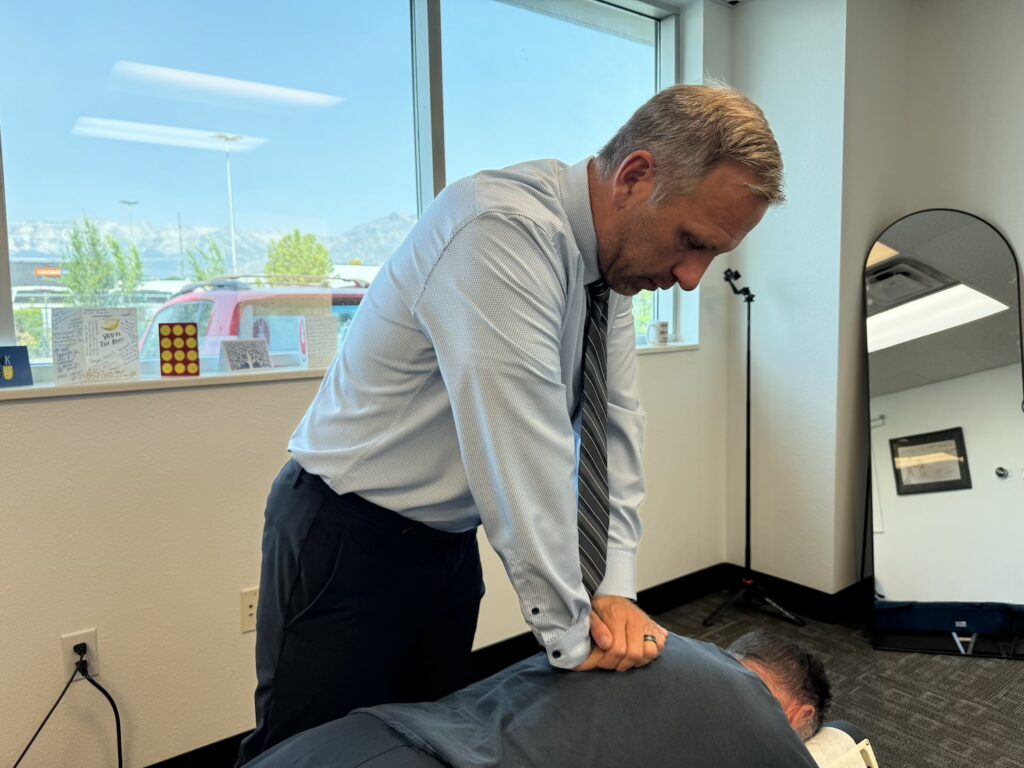
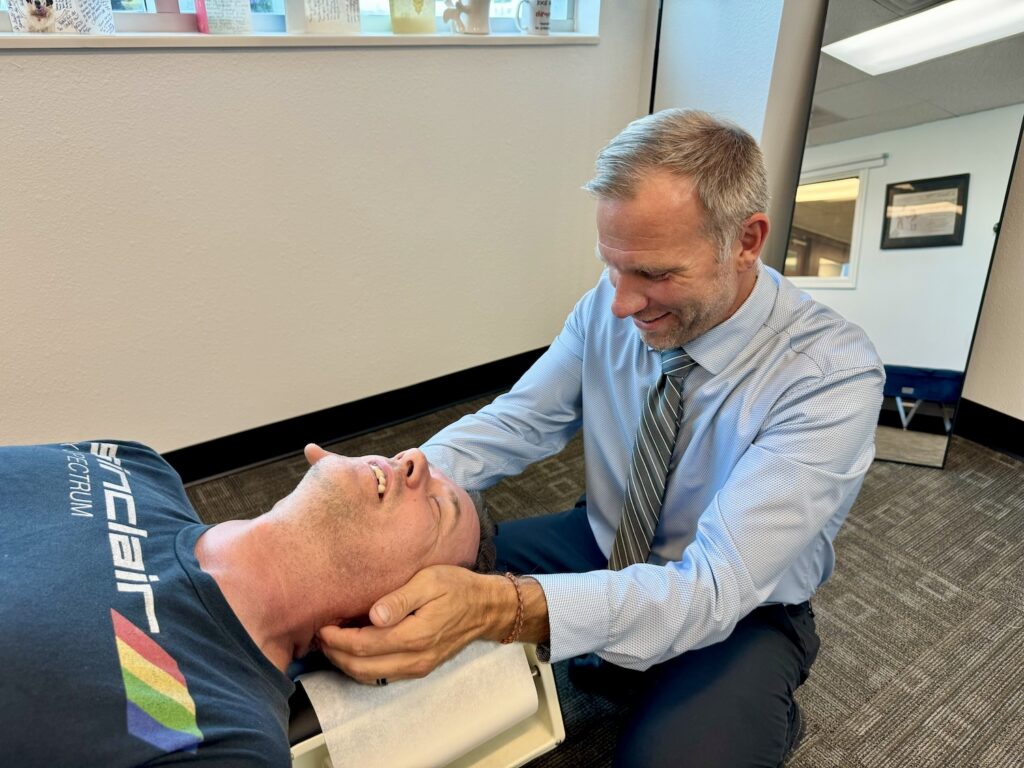
However, to truly address the root causes of these headaches, it’s essential to consider the role of your spine and posture. Poor posture and spinal misalignments can lead to muscle tension and headaches. Regular chiropractic adjustments can help restore proper alignment, reduce tension in your muscles, and significantly lower the frequency of headaches.
In addition to chiropractic care, here are a few general tips to help manage tension headaches:
- Stay Hydrated: Dehydration can contribute to headaches, so make sure you’re drinking enough water throughout the day.
- Take Breaks: If you find yourself working at a desk for long periods, take regular breaks to stretch and move around. This can help relieve tension in your neck and shoulders.
- Practice Good Posture: Be mindful of your posture, especially when sitting at a desk or using your phone. Keeping your spine aligned can help prevent headaches.
- Incorporate Relaxation Techniques: Activities like yoga, meditation, or gentle stretching can help reduce stress levels and promote relaxation.
- Get Adequate Sleep: Ensuring you get enough restful sleep each night can have a significant impact on your overall health and headache frequency.
By focusing on these natural methods and seeking regular chiropractic care, you can take proactive steps toward achieving optimal health and reducing the occurrence of tension headaches. Remember, understanding and addressing the underlying causes is key to long-term relief and wellness. If you’re struggling with frequent headaches, consider reaching out to a chiropractor for personalized guidance and care.
Key Takeaways
- Use a cold or warm compress on your forehead or neck to help alleviate headache pain quickly. This simple technique can offer immediate relief and is a great way to support your body’s natural healing process.
- Engage in deep breathing exercises to calm your mind and relax your body. This not only helps reduce tension and stress but also enhances the overall function of your nervous system, which is crucial for maintaining optimal health.
- Find a quiet, dark, and cool room to rest. Creating a peaceful environment can significantly aid in your headache recovery and helps your body heal naturally without the need for medications.
- Stay hydrated by drinking plenty of water throughout the day. Dehydration can lead to headaches, so keeping your body well-hydrated supports your overall wellness and helps prevent future discomfort.
- While some may consider over-the-counter medications for temporary relief, chiropractic care is a superior choice for addressing the root causes of headaches. Regular chiropractic adjustments can help improve spinal alignment, reduce tension, and enhance your body’s ability to heal itself, leading to long-lasting relief from headaches.
By focusing on these natural approaches and incorporating chiropractic care into your wellness routine, you can achieve optimal health and enjoy a pain-free life.
Understanding Tension Headaches
Tension headaches can feel like a tight band squeezing your head, creating discomfort that can disrupt your daily activities. Often, you might feel a dull, aching pain, along with tightness in your neck and shoulders. These headaches can arise from several factors, including stress, poor posture, and fatigue. Recognizing your triggers is essential for managing these headaches effectively.
When you experience stress, your muscles tend to tense up, which can lead to the onset of a tension headache. Many people notice that these headaches occur after long hours spent at a desk or during particularly stressful moments. Additionally, lack of sleep and dehydration can worsen the issue. Understanding how your lifestyle habits impact your well-being is key to preventing tension headaches.
As a chiropractor, I emphasize the importance of maintaining a healthy spine and posture. Here are some practical tips to help reduce the occurrence of tension headaches and promote overall wellness:
- Practice Good Posture: Ensure that your workspace is ergonomically set up. Keep your monitor at eye level and your chair adjusted to support your lower back.
- Stay Hydrated: Drink plenty of water throughout the day to avoid dehydration, which can contribute to headaches.
- Take Frequent Breaks: If you work long hours at a desk, take short breaks every hour to stretch and relieve tension in your neck and shoulders.
- Manage Stress: Incorporate relaxation techniques such as deep breathing, meditation, or yoga into your daily routine to help manage stress levels.
- Get Adequate Sleep: Aim for 7-9 hours of quality sleep each night to help your body recover and reduce headache frequency.
- Consider Chiropractic Care: Regular chiropractic adjustments can help align your spine, reduce muscle tension, and promote overall wellness. A chiropractor can work with you to develop a personalized plan that addresses your specific needs and helps alleviate tension headaches.
By identifying the root causes of your tension headaches and implementing these strategies, you can take proactive steps towards minimizing their occurrence and enhancing your quality of life.
Quick Relief Techniques
When a tension headache strikes, finding quick relief can significantly improve your comfort. One natural technique is to apply a cold or warm compress to your forehead or the back of your neck. The cold can help numb the pain, while warmth can relax tight muscles, promoting better circulation.
Another simple method for relief is through deep breathing exercises. Take a moment to close your eyes, inhale deeply through your nose, and slowly exhale through your mouth. This practice not only calms your mind but also helps reduce overall tension in your body.
As a chiropractor, I encourage you to consider how spinal alignment can play a role in headache relief. Regular chiropractic adjustments can help alleviate tension in the neck and shoulders, which may contribute to headaches. Maintaining a healthy spine is essential for optimal nervous system function and overall wellness.
If you have a quiet space available, try resting in a dark, cool room for a while. Reducing noise and light creates a peaceful environment that allows your body to recover more effectively.
Lastly, don’t forget the importance of hydration. Sipping on water throughout the day can help prevent headaches and support your overall health.
Stretching and Exercise
To alleviate tension headaches, integrating stretching and exercise into your daily routine can be incredibly beneficial. As a chiropractor, I emphasize the importance of focusing on neck and shoulder stretches, gentle yoga poses, and aerobic exercises. These activities help to release built-up tension in your muscles and can significantly relieve pain.
In addition to these stretches, consider visiting your chiropractor for a thorough spinal assessment. Proper spinal alignment is crucial for overall health and can play a key role in reducing headache frequency and intensity. By prioritizing chiropractic care, you can address the root causes of your tension headaches rather than just masking the symptoms.
Remember, maintaining good posture throughout the day is another important tip. Whether you’re sitting at a desk or using your phone, be mindful of your neck and shoulder alignment to prevent tension from building up.
With consistent care and a commitment to a healthier lifestyle, you can enhance your overall well-being and find relief from headaches naturally.
Neck and Shoulder Stretches
Even if you find yourself seated at your desk for long periods, dedicating just a few moments to stretch your neck and shoulders can significantly alleviate discomfort and enhance your overall well-being.
These simple stretches not only help reduce tension but also promote better spinal health, which is essential for maintaining a pain-free lifestyle.
Start by gently tilting your head to one side, bringing your ear toward your shoulder. Hold this position for about 15 seconds before switching to the other side. This stretch helps relieve tightness in your neck and can improve your range of motion.
Next, roll your shoulders backward in a circular motion, repeating this movement 5 times. This exercise is beneficial for releasing tension in the shoulder area, which is often a source of discomfort for those who sit for extended periods.
You can also interlace your fingers and stretch your arms overhead, feeling the gentle stretch along your spine. This not only helps to elongate your spine but also creates space between your vertebrae, which is vital for optimal spinal function.
For an added release, clasp your hands behind your back and gently pull your shoulders down and back. This stretch opens up the chest and promotes better posture, which can be crucial for avoiding future pain.
Incorporating these stretches into your daily routine can make a significant difference in how you feel.
Remember, regular movement and stretching are key components of maintaining a healthy spine and overall wellness.
If you’re experiencing persistent discomfort, consider visiting a chiropractor who can provide tailored care to address your specific needs and help you achieve optimal health naturally.
Make stretching a habit, and your body will thank you!
Gentle Yoga Poses
Gentle yoga poses can be a fantastic addition to your wellness routine, especially for relieving tension headaches while promoting relaxation and flexibility. While I always recommend chiropractic care as the best approach for achieving optimal health and pain relief, incorporating these gentle yoga practices can complement your journey toward well-being.
Start with Child’s Pose, which not only stretches your spine but also helps to calm your mind—perfect for alleviating stress that often contributes to headaches. Following this, try Cat-Cow stretches. These movements can help release tension in your neck and shoulders, which are common areas of discomfort.
Incorporating forward bends is another great way to relieve tightness in your back. A simple standing forward fold can work wonders in creating space and ease in your spine. Remember to include gentle neck rolls to alleviate stiffness and improve mobility in your cervical spine.
Finally, wrap up your practice with a few minutes in Savasana, lying flat on your back and focusing on your breath. This restorative pose encourages relaxation and allows your body to absorb the benefits of the previous stretches.
Each of these poses promotes blood flow and relaxation, making them excellent for alleviating headache discomfort. Always remember the importance of deep breathing during these poses; it enhances your practice and helps to support overall wellness.
While yoga can be beneficial, don’t forget that regular chiropractic adjustments can greatly improve spinal alignment and overall health, providing a strong foundation for your body’s natural healing abilities.
If you’re struggling with headaches or tension, consider scheduling a visit to your chiropractor to discuss how personalized care can help you achieve the best results for your health.
Aerobic Exercise Benefits
Incorporating aerobic exercise into your wellness routine can significantly enhance your journey toward optimal health, especially when combined with chiropractic care. Activities like brisk walking, cycling, or swimming are excellent ways to get your heart rate up, which improves blood circulation and oxygen flow throughout your body.
This enhanced circulation isn’t only beneficial for your overall health but can also help reduce muscle tension, alleviating symptoms of headaches.
Moreover, engaging in aerobic exercise triggers the release of endorphins, which are your body’s natural painkillers. This can help lift your mood and promote relaxation, making you feel better overall. You don’t need to spend hours exercising; even short bursts of activity can yield positive results. Aim for at least 20-30 minutes of aerobic activity a few times a week.
In addition, pairing your exercise routine with gentle stretching can further enhance your well-being and may help reduce the frequency of headaches.
Remember, chiropractic care can play a crucial role in your health journey by addressing spinal alignment and improving your body’s ability to function optimally. By combining regular chiropractic adjustments with aerobic exercise and stretching, you can achieve a more balanced and healthier lifestyle.
Always consult with your chiropractor for personalized advice on incorporating these practices into your daily routine for the best results.
Relaxation and Breathing Exercises
When tension headaches strike, finding relief is essential for your well-being. As a local chiropractor, I want to share how relaxation and breathing exercises can be your best allies in managing headache symptoms while supporting your overall health. Techniques such as deep breathing, progressive muscle relaxation, and mindfulness meditation not only help calm your mind but also ease tightness in your body, which is often linked to spinal misalignments.
Let’s explore how these practices, combined with chiropractic care, can offer you a holistic approach to headache relief.
Deep Breathing: Start by finding a comfortable position, either sitting or lying down. Inhale deeply through your nose, allowing your abdomen to expand, and then slowly exhale through your mouth. Practicing deep breathing for just a few minutes can help reduce stress and tension, which may alleviate headache symptoms.
Progressive Muscle Relaxation: This technique involves tensing and then relaxing different muscle groups in your body. Begin at your toes and work your way up to your head, gently squeezing each muscle group before releasing. This not only releases physical tension but also encourages better spinal alignment.
Mindfulness Meditation: Taking a few moments to focus on your breath and being present in the moment can be incredibly beneficial. Find a quiet space, close your eyes, and concentrate on your breathing. This practice can help decrease anxiety and stress, which are common triggers for tension headaches.
Incorporating these relaxation techniques into your daily routine can complement your chiropractic care, supporting your journey toward optimal health.
Remember, regular chiropractic adjustments can help keep your spine aligned, reducing the frequency and intensity of headaches.
Make sure to take a moment for yourself each day to practice these exercises, and consider scheduling a visit to your local chiropractor to further explore how natural healing can enhance your overall wellness.
Together, we can work toward a healthier, pain-free life!
Deep Breathing Techniques
Deep breathing techniques can be an effective and natural way to alleviate tension headaches, promoting both relaxation and wellness. As a chiropractor, I believe that taking care of your spine and nervous system is essential for overall health, and deep breathing can complement chiropractic care by helping to reduce stress and tension that may contribute to headaches. Here’s a straightforward guide to help you incorporate deep breathing into your daily routine:
| Step | Description |
|---|---|
| Find a quiet place | Choose a comfortable spot where you can sit or lie down without distractions. |
| Inhale deeply | Breathe in slowly through your nose for 4 seconds, filling your lungs fully. |
| Hold your breath | Retain the air in your lungs for 4 seconds, allowing your body to absorb the oxygen. |
| Exhale slowly | Gently breathe out through your mouth for 6 seconds, releasing any tension. |
| Repeat | Continue this process for several minutes, concentrating on your breath and letting go of stress. |
Progressive Muscle Relaxation
Progressive Muscle Relaxation (PMR) is an effective technique that can be particularly beneficial in alleviating tension and stress, especially when dealing with headaches. As a chiropractor, I understand how important it’s to address both muscular and spinal health for overall well-being. PMR allows you to systematically tense and relax different muscle groups, helping to release built-up tension throughout your body and complementing the care you receive in my office.
To begin, find a quiet space where you can sit or lie down comfortably. Start with your toes: tense the muscles for a few seconds and then release them. Gradually work your way up through your legs, abdomen, arms, and face, paying close attention to the contrast between tension and relaxation. As you practice PMR, you’ll likely notice how your body feels lighter and more at ease.
Incorporating this technique into your daily routine can significantly enhance your ability to manage headaches and lower overall stress levels. Remember, while PMR is a useful tool, regular chiropractic adjustments can further support your body’s natural healing processes, ensuring your spine and nervous system are functioning optimally.
For additional wellness, consider these tips:
- Maintain good posture, whether sitting or standing.
- Stay hydrated and nourish your body with whole foods.
- Engage in regular physical activity to keep your muscles flexible and strong.
- Make time for relaxation practices like PMR or mindfulness meditation.
Mindfulness Meditation Practices
As a local chiropractor, I want to share how mindfulness meditation practices, particularly relaxation and breathing exercises, can be excellent tools for alleviating tension headaches while also highlighting the benefits of chiropractic care. By focusing on your breath, you enhance your awareness of the present moment, which can significantly reduce stress and tension that often contribute to headaches.
To get started, find a quiet space where you can sit comfortably. Close your eyes and take a moment to settle in. Inhale deeply through your nose, allowing your abdomen to expand fully. Hold that breath for a moment, then exhale slowly through your mouth. Repeat this process for several minutes, dedicating your attention solely to your breathing. If your mind begins to wander, gently redirect it back to your breath. This practice not only helps relieve headaches but also fosters overall relaxation and mental clarity.
Incorporating these mindfulness exercises into your daily routine can complement your chiropractic care. Regular chiropractic adjustments work to align the spine and improve nervous system function, which can reduce the frequency and intensity of headaches. Together, mindfulness and chiropractic care can empower you to manage stress more effectively, leading to a greater sense of well-being.
Over-the-Counter Remedies
When tension headaches strike, it’s essential to understand that while over-the-counter remedies can offer temporary relief, they aren’t the only solution. As a chiropractor, I believe that addressing the root cause of your headaches is crucial for long-term wellness. Tension headaches often stem from muscle tension, poor posture, or spinal misalignments, which can all be effectively treated through chiropractic care.
Instead of relying solely on medications like ibuprofen or acetaminophen, consider visiting your chiropractor. They can help identify any spinal issues contributing to your discomfort and provide adjustments to relieve tension and restore balance to your body. This natural approach not only alleviates pain but can also prevent future headaches.
In addition to chiropractic care, there are simple lifestyle changes you can make to promote better health and reduce headache frequency. Ensure you’re maintaining good posture, especially if you spend long hours at a desk.
Take regular breaks to stretch and move around, which can relieve muscle tension. Staying well-hydrated is also vital, as dehydration can exacerbate headaches. Aim to drink plenty of water throughout the day.
Incorporating relaxation techniques such as deep breathing, yoga, or mindfulness can further help reduce stress, which is a common trigger for tension headaches.
Lastly, consider natural remedies like herbal supplements, but always consult with your chiropractor or healthcare provider before trying new supplements. By focusing on natural healing and proper spinal care, you can achieve optimal health and enjoy a headache-free life.
When to Seek Professional Help
If your tension headaches start occurring more frequently or become more intense, it may be time to consider seeking professional help, specifically from a chiropractor. Ignoring warning signs like persistent pain, nausea, or changes in vision can lead to further discomfort. A chiropractor can assist in identifying the root cause of your headaches and provide natural treatment options to help alleviate your symptoms.
Here’s a quick reference table to help you decide when to reach out for chiropractic care:
| Warning Signs | Action |
|---|---|
| Headaches lasting more than 3 days | Consult with a chiropractor for assessment and care |
| Severe headache with sudden onset | Seek immediate chiropractic evaluation |
| Headaches accompanied by fever | Schedule an appointment as soon as possible |
| Changes in vision or speech | Get evaluated by a chiropractor right away |
| Frequent headaches affecting daily life | Book a consultation to explore natural relief options |
Taking these proactive steps can lead to effective treatment and help you get back to feeling your best naturally. Remember, chiropractic care focuses on restoring balance and function to your body, which can be a powerful way to address and manage headaches. Don’t hesitate to reach out for support when you need it—your path to wellness is just a visit away!
Conclusion
To sum up, finding quick relief from tension headaches can often be achieved through natural methods that promote overall wellness. As a chiropractor, I recommend considering techniques that not only alleviate discomfort but also support your spine and overall health. Simple practices like applying a cold compress to your forehead, engaging in deep breathing exercises, or taking a moment to stretch can provide immediate relief.
Additionally, staying hydrated is essential for preventing headaches, and creating a calming environment can further enhance your comfort. Remember, chiropractic care is an excellent option for addressing the root causes of your headaches, as it focuses on spinal alignment and nervous system health. If your headaches persist or worsen, seeking a consultation with a chiropractor can help identify underlying issues and provide tailored treatments to promote long-term relief and wellness. Taking these proactive steps can lead to a healthier, more comfortable life free from the burden of tension headaches.