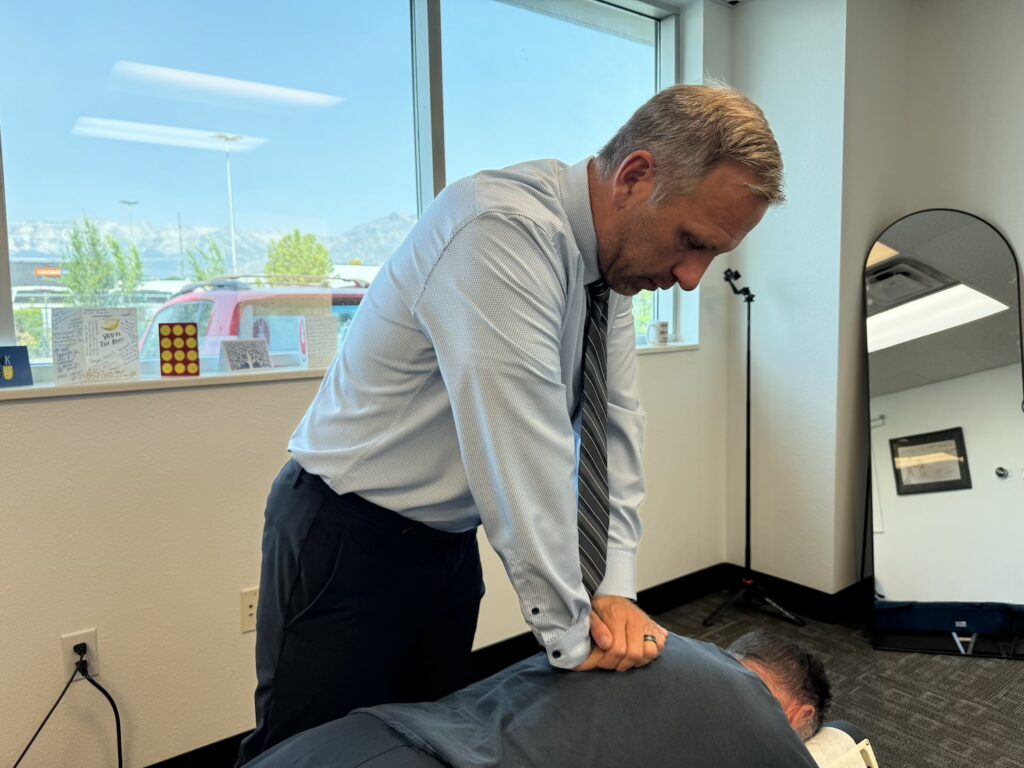
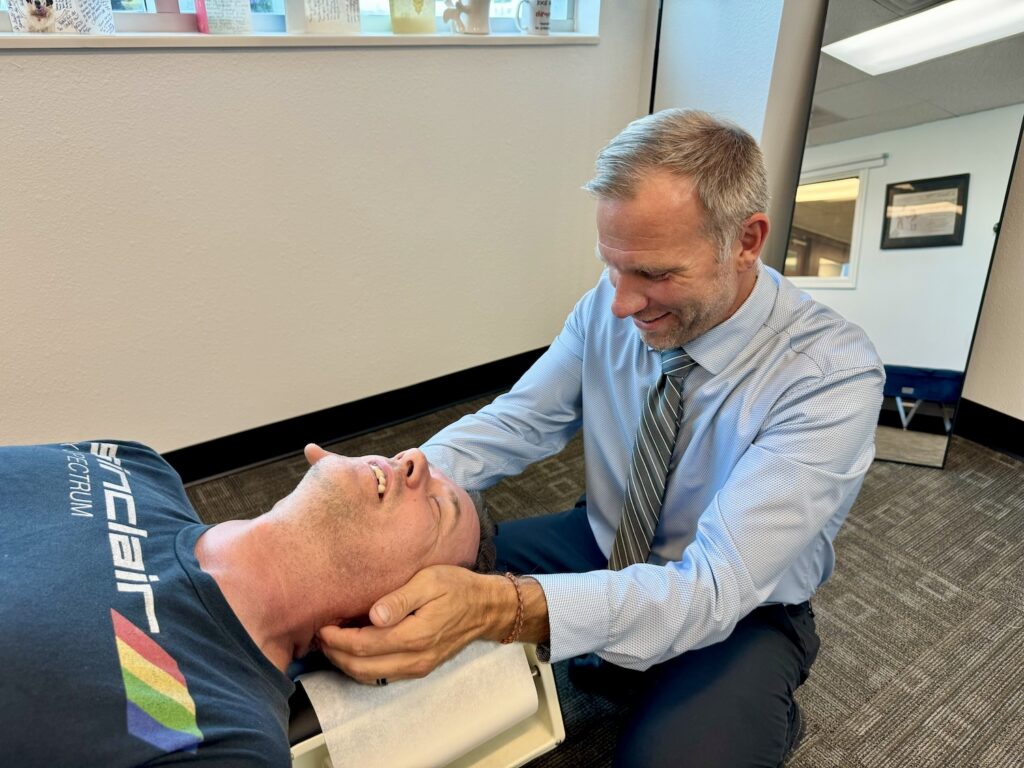
Tension headaches can be not only frustrating but also a significant distraction in your daily life. They often come on unexpectedly, but the good news is that there are effective, natural strategies to help you find quick relief. As a chiropractor, I believe that understanding your body and making simple adjustments can lead to significant improvements in your well-being.
Here are some practical approaches to alleviate tension headaches that highlight the benefits of chiropractic care and natural wellness:
- Posture Awareness: Poor posture can contribute to tension headaches. Make a conscious effort to sit and stand up straight, keeping your shoulders back and your head aligned with your spine. Regular chiropractic check-ups can help ensure that your spine is properly aligned, reducing the risk of headaches.
- Breathing Exercises: Deep breathing exercises can help relax your muscles and relieve tension. Try inhaling deeply through your nose for a count of four, holding for four counts, and exhaling through your mouth for another four counts. This simple technique can reduce stress and promote relaxation.
- Neck Stretches: Gentle neck stretches can alleviate tightness that often leads to headaches. Slowly tilt your head from side to side and forward and backward. This can help loosen up tight muscles and improve mobility.
- Hydration: Dehydration can trigger headaches, so make sure you’re drinking enough water throughout the day. Staying properly hydrated supports overall health and can help prevent tension headaches.
- Regular Chiropractic Adjustments: Visiting a chiropractor can provide relief from tension headaches by addressing spinal misalignments. Chiropractic adjustments help restore proper function to your nervous system, which may reduce headache frequency and intensity.
- Essential Oils: Aromatherapy can be a soothing way to relieve headache symptoms. Essential oils like lavender or peppermint can promote relaxation. Simply inhaling the scent or applying diluted oil to your temples can provide comfort.
- Hot/Cold Therapy: Applying a warm compress to your neck or using a cold pack on your forehead can help alleviate headache pain. Alternating between hot and cold can further enhance relief.
- Limit Screen Time: Prolonged screen use can lead to eye strain and tension headaches. Take regular breaks from screens, and consider adjusting your workspace ergonomics to support better posture.
- Stress Management: Incorporating stress-reducing activities like yoga or meditation can significantly impact your overall well-being. These practices promote relaxation and can help prevent tension headaches.
- Sleep Hygiene: Ensure you’re getting enough restful sleep. Establishing a consistent sleep schedule and creating a calming bedtime routine can help improve your sleep quality, reducing the likelihood of headaches.
By incorporating these tips into your daily routine, you may find significant relief from tension headaches. Remember, chiropractic care plays a crucial role in maintaining your spinal health and overall wellness, making it a powerful ally in the fight against headaches. If you’re experiencing frequent headaches, consider consulting with a chiropractor for personalized care and support. Your journey to optimal health starts with a well-aligned spine!
Key Takeaways
- Engage in deep breathing exercises to promote relaxation and alleviate tension throughout your body, which can help prevent the onset of tension headaches. This practice not only calms your mind but also supports spinal health by encouraging better oxygen flow.
- Staying hydrated is essential for overall health, so aim to drink at least eight 8-ounce glasses of water daily. Dehydration can trigger headaches, and maintaining proper hydration supports optimal spinal function and reduces stress on your body.
- Incorporate gentle neck stretches, such as shoulder shrugs and chin tucks, every hour. These simple movements can relieve muscle tension, improve circulation, and help maintain the natural alignment of your spine, which is crucial for preventing headaches.
- Consider using essential oils like lavender or peppermint. When diluted and applied to your temples, these natural remedies can provide soothing relief from headache symptoms and promote relaxation, complementing the benefits of chiropractic care.
- Maintain proper posture throughout your day and take movement breaks every 30 to 60 minutes. This not only reduces muscle strain but also helps keep your spine aligned, preventing headaches and promoting overall wellness. Remember, chiropractic adjustments can further enhance your posture and relieve discomfort, making them an essential part of your health routine.
Practice Deep Breathing Exercises
When you start to feel a tension headache creeping in, one of the simplest and most effective remedies is to practice deep breathing exercises. As a chiropractor, I understand the importance of natural approaches to wellness and pain relief. Deep breathing not only helps ease tension but also promotes relaxation throughout your body, which can be beneficial for your spine and overall health.
Begin by finding a quiet space where you can sit comfortably. Close your eyes and take a slow, deep breath in through your nose. Focus on filling your lungs completely, allowing your abdomen to expand. This technique encourages proper diaphragmatic breathing, which supports your spine by improving oxygen flow and reducing stress levels.
Hold that breath for a moment, then gently exhale through your mouth, visualizing any tension melting away with each breath out. Repeat this process several times, allowing yourself to find a natural rhythm that feels good. As you breathe, picture the stress leaving your body with every exhale.
Incorporating deep breathing into your daily routine can significantly enhance your ability to manage stress and prevent tension headaches from escalating. Remember, just a few minutes of this exercise can create a noticeable difference in how you feel.
Alongside these breathing techniques, regular chiropractic care can also help alleviate tension in your muscles and improve your overall spinal health. By addressing misalignments and ensuring your body is functioning optimally, chiropractic adjustments can complement your deep breathing practice and provide lasting relief.
Apply a Cold or Warm Compress
Applying a cold or warm compress can be a great natural way to relieve tension headaches, especially when you understand which one to use based on your symptoms. As a chiropractor, I encourage you to explore these methods alongside regular chiropractic adjustments, which can address the root causes of your headaches.
If you’re experiencing sharp pain or swelling, a cold compress might be your best bet. Cold therapy can numb the pain and help reduce any inflammation. To use this method, simply wrap ice or a cold pack in a cloth and gently place it on your forehead for about 15 minutes. This can provide quick relief and support your overall wellness.
On the flip side, if your headache feels more like a dull ache or tightness, a warm compress can work wonders. Heat can help relax tight muscles and improve blood circulation, which is essential for optimal health. Try applying a warm towel or heating pad to your neck or forehead to ease tension and promote relaxation.
It’s important to experiment with both methods to see which one brings you the most relief. And remember, moderation is key—don’t apply ice or heat for too long to protect your skin. Always listen to your body and choose the compress that feels best for you.
In addition to these techniques, consider incorporating regular chiropractic care into your wellness routine. Chiropractic adjustments can help align your spine, alleviate tension, and ultimately reduce the frequency and severity of headaches.
Focus on natural healing and healthier living, and you may find that combining these approaches leads to lasting relief.
Stay Hydrated
Staying hydrated is crucial for maintaining overall health and preventing tension headaches. As a chiropractor, I often see how even mild dehydration can lead to discomfort and increased muscle tension, which can exacerbate headaches. When you don’t drink enough water, your body can feel sluggish, leading to tight muscles and a higher likelihood of headaches.
To help keep these headaches at bay, aim to drink at least eight 8-ounce glasses of water each day. If you’re active or live in a warmer climate, you might need to increase your intake even more. Keeping a water bottle with you throughout your day serves as a great reminder to sip regularly.
If plain water doesn’t excite you, consider adding a splash of lemon or cucumber for a refreshing twist.
It’s also important to be aware of your caffeine and alcohol consumption, as these can contribute to dehydration and tension in your body.
Remember, proper hydration supports your spine and overall well-being, enhancing the benefits of chiropractic care. By prioritizing hydration, you’re not only helping to prevent tension headaches but also promoting a healthier lifestyle.
Take Over-the-Counter Pain Relievers
When tension headaches strike, many people instinctively reach for over-the-counter pain relievers. While options like ibuprofen or acetaminophen may provide temporary relief, they don’t address the root cause of the pain.
As a local chiropractor, I want to emphasize the importance of understanding and caring for your spine and overall health to achieve lasting wellness. Chiropractic care focuses on aligning the spine and improving the function of your nervous system, which can help alleviate tension headaches more effectively than just masking the symptoms with medication.
Regular adjustments can reduce muscle tension, improve blood flow, and enhance your body’s natural healing abilities.
In addition to chiropractic adjustments, here are some helpful tips to manage tension headaches naturally:
- Stay Hydrated: Dehydration can contribute to headaches. Make sure you’re drinking enough water throughout the day.
- Practice Good Posture: Poor posture can strain your neck and back, leading to headaches. Be mindful of your posture, especially when sitting at a desk.
- Manage Stress: Stress is a common trigger for tension headaches. Incorporate relaxation techniques like deep breathing, yoga, or meditation into your daily routine.
- Get Regular Exercise: Physical activity can help reduce stress and improve your overall well-being. Aim for at least 30 minutes of moderate exercise most days.
- Create a Calm Environment: Bright lights, loud noises, and strong smells can worsen headaches. Create a peaceful space at home where you can relax.
Remember, if you frequently experience tension headaches, it’s essential to consult with a chiropractor. They can help identify any underlying issues that may be contributing to your headaches and create a personalized plan to promote natural healing and optimal health.
Prioritizing chiropractic care can be a powerful step towards a pain-free, healthier lifestyle.
Common Over-the-Counter Options
Tension headaches can be quite bothersome, but there are natural ways to help manage them effectively, and chiropractic care is one of the best options available. Rather than relying on over-the-counter pain relievers like acetaminophen, ibuprofen, or naproxen, consider how chiropractic adjustments can address the root causes of your headaches.
Chiropractic care focuses on spinal health and alignment, which is crucial for overall well-being. Misalignments in the spine can lead to muscle tension and discomfort, contributing to tension headaches. By visiting a chiropractor, you can receive personalized adjustments that improve spinal function, relieve tension in the neck and upper back, and promote better overall health.
In addition to chiropractic adjustments, incorporating lifestyle changes can make a significant difference in managing tension headaches. Here are some helpful tips:
- Stay Hydrated: Dehydration can trigger headaches. Make sure to drink plenty of water throughout the day.
- Practice Good Posture: Poor posture can lead to muscle strain and headaches. Be mindful of your posture, especially if you sit for long periods.
- Manage Stress: Techniques such as deep breathing, meditation, or yoga can help reduce stress, which is a common headache trigger.
- Get Regular Exercise: Physical activity can help reduce tension and improve overall health. Aim for at least 30 minutes of moderate exercise most days.
- Prioritize Sleep: Ensure you’re getting enough restful sleep, as fatigue can contribute to headache frequency and intensity.
Remember, while over-the-counter medications might provide temporary relief, they don’t address the underlying issues. Chiropractic care offers a holistic approach to health, focusing on natural healing and wellness.
If you’re struggling with tension headaches, consider making an appointment with a chiropractor to explore how spinal care can help you achieve optimal health and relief from pain.
Dosage and Timing Tips
Managing tension headaches can be a challenge, but there are natural ways to find relief and promote overall wellness without relying on medications. As a chiropractor, I want to share some valuable tips to help you alleviate discomfort while embracing a healthier lifestyle:
- Stay Hydrated: Dehydration can trigger headaches, so be sure to drink plenty of water throughout the day.
- Practice Good Posture: Poor posture can contribute to tension headaches. Make an effort to sit and stand with your spine aligned, and consider regular chiropractic adjustments to maintain proper alignment.
- Incorporate Stretching and Exercise: Gentle stretching and regular physical activity can help relieve tension in the neck and shoulders, reducing the likelihood of headaches.
- Use Relaxation Techniques: Stress is a common headache trigger. Techniques such as deep breathing, meditation, or yoga can help ease tension and promote relaxation.
- Create a Calm Environment: If you feel a headache coming on, find a quiet, dark space to rest. Limiting noise and light can help your body recover.
- Consult a Chiropractor: For ongoing headache issues, consider visiting a chiropractor. They can assess your spine and provide adjustments that may alleviate tension and improve your overall health.
By focusing on these natural strategies, you can’t only manage tension headaches but also enhance your overall well-being.
Potential Side Effects
Many people seek quick relief for tension headaches through over-the-counter pain relievers, but it’s crucial to consider the potential side effects of these medications. While options like ibuprofen and acetaminophen may provide temporary relief, they can also lead to stomach upset, dizziness, and even increased blood pressure if used excessively.
Additionally, relying on these medications frequently can result in rebound headaches. Long-term use may pose risks, particularly with acetaminophen, which can affect liver health.
Instead of turning to medications, consider exploring chiropractic care as a natural and effective alternative for managing tension headaches. Chiropractors focus on spinal alignment and overall wellness, helping to address the root causes of your headaches rather than just masking the pain.
Regular chiropractic adjustments can improve your spinal health, reduce tension, and promote a more balanced nervous system.
Incorporating simple lifestyle changes can also help alleviate tension headaches. Stay hydrated, practice good posture, and engage in regular physical activity to keep your body in optimal condition.
Techniques such as deep breathing, stretching, and mindfulness can also reduce stress and tension, contributing to overall wellness.
If you experience frequent headaches, it’s always a good idea to consult with a chiropractor. They can provide personalized guidance and treatment options that focus on your individual health needs, helping you achieve lasting relief and improved well-being naturally.
Stretch and Move Your Body
To help ease tension headaches, consider incorporating gentle neck stretches into your daily routine. These simple movements can do wonders for alleviating discomfort and promoting relaxation.
As a chiropractor, I always emphasize the importance of regular movement breaks throughout the day. Not only do they help reduce muscle stiffness, but they also enhance blood flow, which is crucial for overall well-being.
Taking just a few moments to stretch and move your body can significantly improve your focus and relaxation levels.
Remember, chiropractic care is designed to support your body’s natural healing processes and can be an excellent choice for managing pain and maintaining optimal health.
Gentle Neck Stretches
As a chiropractor, I understand how tension headaches can detract from your daily life. Incorporating gentle neck stretches into your routine can provide significant relief from discomfort and enhance your overall mobility.
These stretches not only help alleviate tightness but also promote relaxation, making them an excellent complement to your chiropractic care. Here are four effective neck stretches to consider:
- Neck Tilt: Begin by slowly tilting your head to one side, allowing your ear to gently approach your shoulder. Hold this position for 15-30 seconds to feel the stretch along the side of your neck. After that, switch sides to ensure balanced relief.
- Chin Tuck: This stretch is simple yet effective. Gently draw your chin toward your chest while keeping your shoulders relaxed. Hold for 15-30 seconds. This movement helps align your spine and reduces tension in the neck muscles.
- Side Rotation: Turn your head to one side, gazing over your shoulder. Hold this position for 15-30 seconds before turning to the other side. This stretch promotes flexibility and can help relieve stiffness.
- Shoulder Shrugs: Raise your shoulders toward your ears, holding them for a few seconds before releasing. Repeat this movement several times. Shoulder shrugs can help release built-up tension in your upper back and neck area.
Incorporating these gentle stretches into your daily routine can provide quick relief from discomfort while enhancing the benefits you receive from chiropractic care.
Remember, maintaining proper posture and engaging in regular stretching can prevent tension build-up and contribute to optimal spinal health.
If you’re looking for a more personalized approach to managing your headaches, don’t hesitate to reach out for chiropractic care, where we focus on natural healing and holistic wellness.
Your journey to a healthier, pain-free life starts here!
Regular Movement Breaks
While you mightn’t be aware, sitting for extended periods can significantly contribute to tension headaches. As a chiropractor, I want to emphasize the importance of taking regular movement breaks to alleviate that stress. It’s essential to stand up, stretch, and walk around every 30 to 60 minutes. This simple practice not only helps improve circulation but also reduces muscle tension, which is crucial for maintaining spinal health.
During these breaks, incorporate light stretches for your neck, shoulders, and back. This will help release any built-up pressure and promote a healthier spine. Even taking just a few minutes to move can make a remarkable difference in how you feel throughout the day.
If you can, consider integrating gentle exercises like yoga or tai chi into your routine. These practices not only promote flexibility and strength but also support your overall well-being.
Remember, keeping your body active is key to preventing headaches and enhancing your health.
As your chiropractor, I encourage you to prioritize movement in your daily life. It’s a natural way to support your body’s healing processes and maintain optimal health. Don’t underestimate the power of movement—your spine will thank you!
Maintain Good Posture
Maintaining good posture is essential for overall health and wellness, and it can significantly reduce the frequency and intensity of tension headaches. When you sit or stand correctly, you alleviate strain on your neck and shoulders, which are often culprits behind headaches.
As a chiropractor, I believe that proper posture is one of the keys to natural healing and optimal health. Here are some simple tips to help you maintain proper posture throughout your day:
- Keep your back straight: Whether you’re sitting or standing, aim to keep your back straight. Align your ears over your shoulders and your shoulders over your hips. This alignment helps reduce stress on your spine and surrounding muscles.
- Align your feet: Make sure your feet are flat on the ground or on a footrest, and keep them shoulder-width apart. This stable base supports your posture and improves your overall balance.
- Adjust your workspace: If you work at a desk, position your computer screen at eye level to avoid straining your neck. Choose a chair that supports your lower back to encourage a healthy seating posture.
- Take breaks: Every hour, stand up, stretch, and walk around. These small breaks not only reset your posture but also help reduce muscle tension and promote circulation.
By focusing on these posture tips, you can contribute to your overall health and well-being.
Remember, chiropractic care can also be a valuable resource for achieving and maintaining optimal posture. Regular adjustments can help ensure your spine is aligned, reducing discomfort and supporting a healthier lifestyle.
Embrace the journey to natural wellness, and consider chiropractic care as a key component in your health regimen.
Use Essential Oils
Essential oils can be a wonderful addition to your wellness routine, especially when it comes to alleviating tension headaches. While these natural remedies can provide some relief, it’s important to remember that chiropractic care is a holistic approach that addresses the underlying causes of headaches, such as spinal misalignments or muscle tension.
To start, consider using essential oils like lavender, peppermint, or eucalyptus. These oils are known for their soothing properties. You can apply them topically by diluting a few drops with a carrier oil and gently massaging them onto your temples or the back of your neck. This not only promotes relaxation but can also enhance the effects of chiropractic adjustments.
Incorporating regular chiropractic care into your routine can help maintain spinal health and reduce the frequency of tension headaches. Your chiropractor can help identify any misalignments and tension that may be contributing to your discomfort, providing targeted adjustments that promote better overall health.
In addition to using essential oils and chiropractic care, here are a few general tips to help manage tension headaches:
- Stay Hydrated: Dehydration can lead to headaches, so ensure you’re drinking plenty of water throughout the day.
- Practice Good Posture: Poor posture can contribute to tension in your neck and shoulders, so be mindful of how you sit and stand.
- Take Breaks: If you’re working at a desk or using electronic devices for long periods, take regular breaks to stretch and relieve tension.
- Manage Stress: Incorporating relaxation techniques such as deep breathing, yoga, or meditation can help reduce stress levels, which in turn may help decrease headache occurrences.
By combining essential oils with chiropractic care and these simple lifestyle adjustments, you can take proactive steps toward achieving optimal health and a headache-free life.
Best Essential Oils
When it comes to finding relief from tension headaches, chiropractic care can be a powerful ally. However, incorporating essential oils into your wellness routine can complement your treatment and enhance your overall health. These natural remedies not only help reduce pain but also promote relaxation and well-being.
Here are four essential oils that can be beneficial:
- Peppermint Oil: This oil is known for its cooling effect and can be applied to the temples. By promoting circulation, it may help soothe headaches, especially when combined with chiropractic adjustments that improve spinal alignment.
- Lavender Oil: Renowned for its calming properties, lavender oil can alleviate stress and promote better sleep. Quality rest is crucial for headache relief, and regular chiropractic care can support improved sleep patterns by addressing underlying spinal issues.
- Eucalyptus Oil: With its anti-inflammatory properties, eucalyptus oil may help relieve sinus pressure and tension that can contribute to headaches. Utilizing this oil in conjunction with chiropractic adjustments can further enhance your body’s ability to manage pain.
- Rosemary Oil: Often celebrated for its stimulating effects, rosemary oil can help improve focus while easing tension. When paired with chiropractic care, it can support a holistic approach to managing headaches and enhancing mental clarity.
Incorporating these essential oils into your daily routine can provide quick relief and support your journey towards better health.
Remember, maintaining proper spinal alignment through regular chiropractic visits is key to achieving optimal wellness and preventing headaches in the first place.
Prioritize your health by exploring the benefits of chiropractic care alongside these natural remedies for a comprehensive approach to well-being.
Application Techniques
To effectively use essential oils for tension headache relief, it’s crucial to apply them properly to maximize their benefits. While chiropractic care is an excellent approach for addressing the root causes of headaches, essential oils can complement your wellness routine.
Begin by diluting your chosen essential oil—such as lavender or peppermint—with a carrier oil like coconut or jojoba oil. This step helps to prevent any skin irritation.
Once your oil is diluted, take a small amount and gently massage it into your temples and the back of your neck. This technique not only aids in absorption but also promotes relaxation, which is essential for headache relief.
In addition to topical application, inhalation can be beneficial. Simply add a few drops of the essential oil to a diffuser or inhale directly from the bottle. You might find that creating a calming atmosphere enhances your overall experience.
For an extra soothing effect, consider placing a warm compress over the area after applying the oil. This can help relax tense muscles further. As you use these techniques, remember to take deep breaths and focus on calming your mind—mindfulness plays a significant role in pain relief.
While essential oils can provide temporary relief, don’t forget that regular chiropractic adjustments can help address the underlying issues that contribute to tension headaches.
Limit Caffeine Intake
While many individuals turn to caffeine for a quick energy boost, excessive intake can lead to tension headaches. As a chiropractor, I want to share how managing your caffeine consumption can help you achieve optimal health and wellness, especially when combined with regular chiropractic care.
Here are some helpful tips to limit caffeine while supporting your overall well-being:
- Track Your Intake: Keep a simple log of how much caffeine you consume each day. This will help you spot any patterns and identify your main sources.
- Gradual Reduction: Instead of stopping caffeine suddenly, try to gradually reduce your intake. This approach can ease withdrawal symptoms and allow your body to adjust without added stress.
- Choose Low-Caffeine Alternatives: Consider swapping out your regular coffee or energy drinks for herbal teas or decaffeinated options. These alternatives can still provide a comforting ritual without the jitters.
- Stay Hydrated: Drink plenty of water throughout the day. Staying hydrated not only helps prevent headaches but also supports your overall health, making your body feel better as you reduce caffeine.
Incorporating these strategies into your daily routine can lead to improved well-being.
Create a Relaxing Environment
Managing your caffeine intake is just one step toward alleviating tension headaches, but creating a relaxing environment is equally vital for your overall well-being. As a chiropractor, I believe that a peaceful space can positively impact your health, combining natural healing with the benefits of chiropractic care.
Start by decluttering your space; a tidy area can help clear your mind and reduce stress. Dim the lights or use soft lamps to create a soothing atmosphere that promotes relaxation. Consider incorporating calming scents like lavender or eucalyptus through essential oils or candles, as these pleasant aromas can enhance your sense of calm and well-being.
Playing soft, instrumental music or nature sounds can drown out any distracting noise, allowing you to focus on your relaxation. Maintain a comfortable temperature in your space; it should feel just right—neither too hot nor too cold. Adding cozy elements like cushions or blankets can make your environment even more inviting and comforting.
It’s also beneficial to set aside a specific area just for relaxation, separate from work and other stressors. This dedicated space can be your sanctuary. Engaging in deep breathing exercises or gentle stretches in this area not only helps release tension but also complements the benefits of chiropractic care by promoting spinal health and comfort.
By prioritizing your environment and incorporating these simple yet effective tips, you can enhance your chances of finding relief from tension headaches.
Get Enough Sleep
Getting enough sleep is crucial not only for your overall health but also for minimizing the occurrence and severity of tension headaches. When you’re well-rested, your body operates more efficiently, which can significantly reduce stress-related headaches.
As a chiropractor, I want to share some simple yet effective tips to help you achieve quality sleep, which can enhance your well-being and support your spinal health:
- Stick to a Schedule: Aim to go to bed and wake up at the same time every day, including weekends. This consistency helps regulate your body’s internal clock, making it easier to fall asleep and wake up feeling refreshed.
- Create a Sleep-Inducing Environment: Your bedroom should be a sanctuary for relaxation. Keep it dark, cool, and quiet to encourage restful sleep. Consider using blackout curtains or a white noise machine to block out disturbances.
- Limit Screen Time: Try to avoid screens—like smartphones, tablets, and televisions—at least an hour before bedtime. The blue light emitted from these devices can interfere with your body’s natural sleep cycle, making it harder to wind down.
- Practice Relaxation Techniques: Before bed, take some time to engage in deep breathing exercises, gentle stretching, or meditation. These practices can calm your mind and body, making it easier to transition into sleep.
Incorporating these habits into your daily routine can’t only improve your sleep quality but also support your spinal health and overall wellness.
Conclusion
By incorporating these tips into your daily routine, you can effectively relieve tension headaches while also supporting your overall well-being. Remember, deep breathing techniques can significantly reduce stress and tension in your body. Staying hydrated is crucial, as dehydration can worsen headaches. Creating a calming environment in your home can also help soothe your mind and body.
Don’t forget the power of essential oils; they can be a natural way to promote relaxation and alleviate discomfort. Taking regular breaks to stretch and move your body is vital, as it helps relieve muscle tension and improve spinal health.
Chiropractic care is a fantastic option for managing headaches and achieving optimal health. Regular adjustments can help align your spine, relieve tension in your neck and shoulders, and improve your overall body function. By choosing chiropractic care, you’re embracing a natural approach to wellness that can lead to a more relaxed and pain-free life.
Start applying these strategies today, and take a step toward a healthier, headache-free future!