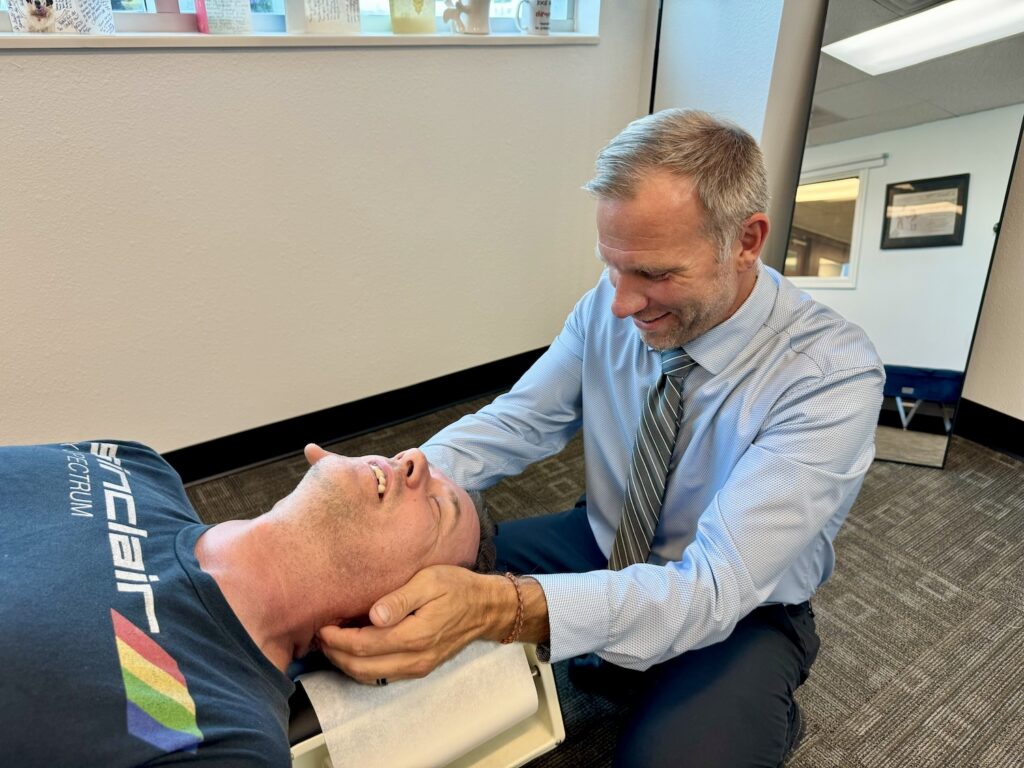
Headaches can be incredibly frustrating, and finding the right relief can sometimes feel overwhelming. You might be unsure whether to turn to medications or explore natural remedies and lifestyle changes. While both have their benefits, let’s focus on how chiropractic care can provide a more holistic approach to alleviating headaches.
Chiropractic care addresses the underlying issues that may be causing your headaches, such as misalignments in the spine. By improving spinal health through gentle adjustments, we can help alleviate tension and improve overall function, which can lead to significant headache relief.
In addition to chiropractic adjustments, there are several simple lifestyle changes and natural remedies you can incorporate into your daily routine. Staying hydrated, practicing good posture, managing stress through relaxation techniques, and incorporating regular physical activity can all contribute to reducing headache frequency and intensity.
This quiz will help you assess your knowledge of headache types, triggers, and effective relief strategies with a focus on the benefits of chiropractic care. Are you ready to learn more about how you can achieve optimal health and wellness through natural methods?
Key Takeaways
- Chiropractic care is a holistic approach that focuses on addressing the root causes of headaches by improving spinal alignment. This can lead to a reduction in headache frequency and intensity without relying on medications that may only provide temporary relief.
- While over-the-counter medications can offer quick fixes, they often mask the underlying issues that contribute to headaches. Relying on these solutions can prevent you from finding the true source of your discomfort.
- Instead, consider natural remedies that promote wellness. Staying hydrated, using essential oils, and sipping on herbal teas can be effective ways to alleviate headache symptoms without the risk of side effects associated with medications.
- Incorporating stress management techniques, such as deep breathing exercises and meditation, can significantly enhance your overall well-being and complement your headache relief strategy. These practices not only help reduce tension but also contribute to a healthier lifestyle.
- For a well-rounded approach to headache relief, combining chiropractic care with lifestyle changes and natural remedies is key. This comprehensive method not only targets pain relief but also promotes long-term health and wellness, making chiropractic care the best choice for achieving optimal health. Remember, your body is interconnected, and maintaining spinal health is essential for overall wellness.
Understanding Different Types of Headaches
When you experience a headache, knowing its type is essential for finding effective relief, and as a chiropractor, I believe in the power of natural healing. There are several common types of headaches, including tension headaches, migraines, and cluster headaches, and understanding these can help you make informed choices about your health.
Tension headaches often feel like a tight band around your head and are usually triggered by stress or muscle tension. In many cases, poor posture or spinal misalignments can contribute to this tension. Regular chiropractic adjustments can help alleviate these headaches by addressing the root cause—misalignments in the spine that may be straining your muscles.
Migraines can be particularly debilitating, causing throbbing pain, nausea, and heightened sensitivity to light and sound. Some people even experience an aura, which includes visual disturbances before the onset of a migraine. While migraines can be complex, chiropractic care may offer relief by improving spinal alignment and reducing nerve irritability, which can play a role in migraine triggers.
Cluster headaches are less common but extremely intense, often occurring in cycles and can even wake you from sleep. Although these headaches require specific management, chiropractic care focuses on maintaining a healthy spine and nervous system, which can help reduce the frequency and severity of headaches over time.
Identifying the type of headache you have is the first step towards finding relief. Along with chiropractic care, here are some general tips you can incorporate into your routine for better headache management:
- Practice Good Posture: Be mindful of your posture, especially when sitting for long periods. Proper alignment helps reduce muscle strain.
- Stay Hydrated: Dehydration can contribute to headaches. Make sure you drink plenty of water throughout the day.
- Manage Stress: Incorporate relaxation techniques such as deep breathing, yoga, or meditation to help reduce stress levels.
- Regular Exercise: Engage in regular physical activity to promote overall wellness and reduce tension.
- Sleep Hygiene: Ensure you have a consistent sleep schedule and create a restful sleeping environment.
Common Symptoms and Triggers
Understanding the common symptoms and triggers of headaches can empower you to take proactive steps toward relief, particularly through chiropractic care. Headaches often manifest as a dull ache, sharp pain, or throbbing sensation, and they can vary in intensity. You might also experience nausea, sensitivity to light, or visual disturbances. Recognizing these symptoms is crucial in identifying the type of headache you’re facing, allowing for better management and care.
Common triggers include stress, lack of sleep, dehydration, and certain foods, such as aged cheeses or processed meats. Additionally, changes in weather, hormonal fluctuations, or strong odors can also spark headaches. Keeping a headache diary can be incredibly helpful; it allows you to pinpoint specific triggers and patterns in your headaches, which is essential for effective management.
Chiropractic care can play a significant role in alleviating headache symptoms. Regular adjustments can help alleviate tension in the neck and spine, which is often a contributing factor to headaches.
Here are some general tips to help you manage headaches naturally:
- Stay Hydrated: Drink plenty of water throughout the day to prevent dehydration, a common headache trigger.
- Practice Good Posture: Ensure that your workspace is ergonomically friendly to reduce strain on your neck and back, which can lead to headaches.
- Manage Stress: Incorporate relaxation techniques like deep breathing, meditation, or gentle yoga to help reduce stress levels that may trigger headaches.
- Get Adequate Sleep: Aim for a consistent sleep schedule to help your body recharge and reduce the likelihood of headache onset.
By understanding your unique symptoms and triggers and incorporating chiropractic care into your wellness routine, you can better manage or even prevent headaches from interfering with your daily life.
Over-the-Counter Medications for Relief
How can you find relief from headaches naturally? While over-the-counter medications might seem like a quick fix, they often mask the underlying issues that can lead to headaches. Instead, consider exploring chiropractic care as a holistic approach to achieving optimal health and long-lasting relief.
Chiropractic care focuses on the spine and nervous system, addressing misalignments that can contribute to headaches. By promoting proper alignment, chiropractic adjustments can help reduce tension and improve blood flow, providing a more natural solution to headache relief.
In addition to chiropractic care, here are some simple tips to help manage headaches:
- Stay Hydrated: Dehydration is a common headache trigger. Make sure to drink plenty of water throughout the day.
- Maintain Good Posture: Poor posture can strain your neck and back, leading to tension headaches. Be mindful of your posture while sitting and standing.
- Practice Stress Management: Techniques like deep breathing, meditation, or yoga can help reduce stress levels, which is a common headache trigger.
- Get Regular Exercise: Physical activity can improve circulation and help reduce tension in the body, potentially decreasing the frequency of headaches.
- Sleep Well: Ensure you’re getting enough quality sleep, as sleep deprivation can lead to headaches.
If you find that headaches persist or worsen, consider consulting with a chiropractor who can help identify the root causes and provide personalized care.
Natural Remedies for Headache Management
Many individuals look for natural ways to manage headaches, and as a chiropractor, I want to share some effective strategies that emphasize holistic wellness and the benefits of spinal health. One popular remedy involves the use of essential oils, particularly peppermint and lavender. When you apply diluted oils to your temples or inhale their soothing aromas, you may find relief from headache discomfort.
Another crucial factor in headache management is hydration. Dehydration is a common headache trigger, so make it a habit to drink plenty of water throughout the day. Staying well-hydrated not only supports overall health but also helps maintain optimal spinal function.
Incorporating herbal teas like ginger or chamomile into your routine can also provide a calming effect. You might also benefit from applying a warm or cold compress to your forehead, as this can alleviate tension that often contributes to headaches. Engaging in relaxation techniques, such as deep breathing or meditation, can be beneficial as they help reduce stress and promote a sense of well-being.
Don’t forget the importance of nutrition! Adding magnesium-rich foods, such as spinach and nuts, to your diet can support your body, as a magnesium deficiency can lead to headaches. Moreover, prioritizing adequate sleep and regular exercise plays a vital role in preventing headaches and maintaining a healthy spine.
As a chiropractor, I encourage you to explore these natural remedies while considering how chiropractic care can enhance your overall health. Regular chiropractic adjustments can help ensure proper spinal alignment, which can lead to a reduction in headache frequency and intensity.
The Role of Lifestyle Changes
As a local chiropractor, I want to share how simple lifestyle changes can make a significant difference in reducing the frequency and intensity of headaches. By embracing healthier habits, you can create a supportive environment for both your body and mind.
Here are some practical changes to consider that can complement your chiropractic care:
- Stay Hydrated: Ensuring you drink enough water daily is vital, as dehydration can often trigger headaches. Keeping your body well-hydrated not only supports spinal health but also enhances overall wellness.
- Establish a Regular Sleep Schedule: Consistent, quality sleep is crucial for headache prevention. Irregular sleep patterns can lead to tension and migraines. Creating a calming bedtime routine can help you achieve more restorative sleep, which works hand-in-hand with chiropractic adjustments.
- Manage Stress: High stress levels can contribute to headaches, so it’s essential to find effective ways to relax. Incorporating techniques such as yoga, meditation, or deep breathing into your daily routine can lower stress and promote a sense of well-being.
These practices can also help maintain proper spinal alignment and improve your overall health.
By integrating these lifestyle changes with your chiropractic care, you can enhance your journey towards optimal health and experience fewer headaches in your life.
When to Seek Professional Help
If you’re experiencing persistent headache symptoms that don’t seem to improve, it might be time to consider seeking help from a chiropractor. Many headaches can be traced back to spinal misalignments or tension in the neck and upper back, which chiropractic adjustments can effectively address.
If you’re dealing with severe pain episodes or headaches accompanied by warning signs like vision changes or confusion, it’s essential to pay attention to those signals.
As a chiropractor, I encourage you to trust your instincts. Seeking chiropractic care can lead to not only better relief but also a deeper understanding of your body’s mechanics. Remember, maintaining a healthy spine is crucial for overall wellness.
In the meantime, here are some general tips to help manage headache symptoms naturally:
- Stay Hydrated: Dehydration can trigger headaches, so drink plenty of water throughout the day.
- Practice Good Posture: Poor posture can strain your neck and back, leading to tension headaches. Be mindful of your sitting and standing positions.
- Incorporate Stretching: Gentle neck and shoulder stretches can help relieve tension and improve mobility.
- Manage Stress: Techniques such as deep breathing, meditation, or yoga can help reduce stress, which is a common headache trigger.
- Get Regular Adjustments: Regular chiropractic care can help keep your spine aligned and reduce the frequency and intensity of headaches.
Persistent Headache Symptoms
When headaches persist or become more intense despite attempts to manage them at home, it’s crucial to recognize signs that indicate it may be time to seek professional guidance. Ignoring these symptoms could lead to bigger problems down the road. Here are some key indicators to watch for:
- Worsening Headaches: If your headache starts off mild but gradually intensifies, it’s important not to delay in seeking help. A chiropractor can assess your condition and offer natural solutions that can alleviate your pain.
- Accompanied Symptoms: If you experience nausea, vomiting, or any changes in your vision along with your headaches, these could signal a more serious issue that should be evaluated by a professional. Chiropractic care can provide support in identifying and addressing the root of these symptoms.
- Increased Frequency: Noticing that your headaches are occurring more frequently than before? This is a clear sign that it’s time to consult with a chiropractor. Regular adjustments can help restore balance and reduce the occurrence of headaches.
Taking action early can lead to more effective treatment and relief from your headaches. Chiropractic care focuses on the spine and nervous system, which play a significant role in overall health. By addressing spinal misalignments and promoting proper function, you may find natural relief and improved wellness.
Here are some general tips to consider for headache relief:
- Stay Hydrated: Drink plenty of water throughout the day, as dehydration can contribute to headaches.
- Practice Good Posture: Pay attention to your posture, especially if you sit for long periods. Good alignment can help prevent tension headaches.
- Manage Stress: Engage in relaxation techniques, such as deep breathing or gentle yoga, to help reduce stress-related headaches.
- Regular Chiropractor Visits: Regular adjustments can help maintain spinal health, potentially reducing the frequency and severity of headaches.
If something feels off, don’t hesitate to reach out to your chiropractor. Your health and well-being are worth it!
Severe Pain Episodes
Persistent headaches can sometimes escalate into severe pain episodes that demand immediate attention. If you notice your headache suddenly intensifying and becoming unbearable, it’s crucial to take action. Don’t ignore the pain, especially if it disrupts your daily activities or sleep. Severe headaches may indicate underlying issues that could benefit from a chiropractic evaluation.
Chiropractic care focuses on spinal health and alignment, which can significantly influence headache patterns. Misalignments in the spine can lead to tension and discomfort in the head, neck, and shoulders. By addressing these misalignments through gentle adjustments, chiropractors can help alleviate headache pain and improve overall wellness.
In addition to seeking chiropractic care, consider these general tips for managing headaches naturally:
- Stay Hydrated: Dehydration can contribute to headaches, so make sure you drink plenty of water throughout the day.
- Practice Good Posture: Maintaining proper posture, especially while sitting at a desk or using electronic devices, can help reduce tension in your neck and shoulders.
- Manage Stress: Techniques such as deep breathing exercises, yoga, or meditation can help reduce stress levels, which may lessen the frequency and intensity of headaches.
- Get Regular Exercise: Engaging in physical activity can improve blood flow and reduce tension, contributing to overall headache relief.
- Consider Dietary Triggers: Some foods may trigger headaches for certain individuals. Keeping a food diary can help you identify and avoid these triggers.
- Prioritize Sleep: Ensure you get adequate and quality sleep, as fatigue can exacerbate headache pain.
Remember, it’s always better to err on the side of caution. If you experience headaches accompanied by sudden changes in vision, confusion, or difficulty speaking, reach out to a healthcare provider.
Accompanying Warning Signs
How can you tell when a headache needs more than just a little rest? It’s important to pay attention to certain warning signs that suggest it’s time to reach out for professional support. If you experience any of the following symptoms, I encourage you to consult a chiropractor who can help you find relief and guide you towards better health:
- Sudden, intense headache that feels like a “thunderclap” or is described as the “worst headache ever.” This might indicate a more serious issue that needs attention.
- Neurological symptoms such as confusion, difficulty speaking, or loss of balance. These signals could be related to nerve function and should be evaluated by a professional.
- Persistent vomiting or nausea that doesn’t seem to go away. This could be your body’s way of signaling that something isn’t right.
Ignoring these signs can lead to more significant complications down the road. Remember, when it comes to your health, it’s always best to be proactive. Seeking guidance can’t only provide peace of mind but also ensure you receive the natural care your body deserves.
In addition to being mindful of these symptoms, there are simple steps you can take to support your overall wellness and prevent headaches. Staying hydrated, maintaining a balanced diet, practicing good posture, and managing stress through relaxation techniques like yoga or meditation can be beneficial.
Regular chiropractic adjustments can also help keep your spine aligned, which may reduce the frequency and intensity of headaches. Prioritizing these healthy habits can empower you on your journey to optimal health and well-being.
The Importance of Hydration
Staying hydrated is crucial for your overall well-being and can play a significant role in preventing headaches. Even mild dehydration can lead to discomfort and pain, which is something we certainly want to avoid.
As your local chiropractor, I want to emphasize that listening to your body is key. If you’re experiencing signs like a dry mouth or fatigue, it’s your body’s way of signaling that it’s time to drink more water.
Proper hydration not only supports your body’s functions but can also complement your chiropractic care by promoting a healthy spine and reducing tension in the muscles surrounding it.
Here are some simple tips to help you stay hydrated and support your health:
- Drink Water Regularly: Aim to drink water throughout the day, not just when you’re thirsty. Keeping a water bottle with you can serve as a reminder.
- Eat Water-Rich Foods: Incorporate fruits and vegetables with high water content, such as cucumbers, oranges, and watermelon, into your diet. They can help hydrate you while providing essential nutrients.
- Limit Dehydrating Drinks: While coffee and alcohol can be enjoyable in moderation, they can also contribute to dehydration. Balance these with plenty of water.
- Listen to Your Body: Pay attention to how you feel. If you notice signs of dehydration like headaches or fatigue, take a break to hydrate.
Remember, staying hydrated is just one piece of the puzzle for maintaining optimal health. Regular chiropractic adjustments can also help keep your spine aligned and reduce tension, further minimizing headache occurrences.
Hydration’s Role in Headaches
When you underestimate the importance of staying hydrated, you may find yourself dealing with frequent headaches. Keeping your body properly hydrated isn’t just about drinking water; it’s crucial for your overall health, especially for your brain and spine.
Here’s why hydration is key and how it ties into your wellness journey:
- Fluid Balance: Your body needs water to regulate temperature and maintain healthy blood circulation. This is important for spinal health, as proper blood flow helps keep your nerves functioning well.
- Nutrient Transport: Hydration plays a vital role in delivering essential nutrients to your brain. A well-nourished brain means better cognitive function and can help reduce the frequency of headaches.
- Pain Prevention: Dehydration can heighten your sensitivity to pain, making headaches more likely. By ensuring you drink enough water, you can support your body’s natural ability to manage discomfort.
To help keep headaches at bay and promote overall wellness, here are some simple tips:
- Drink Water Regularly: Aim for at least 8 glasses of water a day. Carry a reusable water bottle to remind yourself to sip throughout the day.
- Incorporate Hydrating Foods: Include fruits and vegetables with high water content, like cucumbers, watermelon, and oranges, in your diet. They not only hydrate but also provide essential nutrients.
- Listen to Your Body: Pay attention to signs of dehydration such as dry mouth, fatigue, or dark urine. These are your body’s signals to drink more water.
- Chiropractic Care: Regular visits to your chiropractor can help ensure your spine is aligned and your nervous system is functioning optimally. This can improve your body’s ability to manage hydration and reduce headaches.
Signs of Dehydration
Have you ever felt unusually tired or noticed a dry mouth? These could be signs of dehydration, which can affect not only your overall health but also your spinal health. When your body lacks adequate fluids, it can lead to headaches, fatigue, and even confusion. This is especially important because maintaining hydration supports your body’s natural healing processes, including those related to your spine.
You might experience dizziness or lightheadedness, particularly when standing up quickly. This is your body signaling that it needs more fluids. A simple yet effective tip is to pay attention to your urine color; dark yellow often indicates dehydration. If you’re feeling excessively thirsty, it’s a clear signal that you need to drink more water.
Don’t overlook these signs! Staying hydrated not only helps prevent headaches but also keeps your energy levels up and your body functioning properly, which is essential for optimal spinal health. Make it a habit to drink water regularly throughout the day, especially during hot weather or after exercise.
In addition to hydration, consider incorporating chiropractic care into your wellness routine. Chiropractic adjustments can help improve your body’s function, relieve pain, and support your overall health.
By focusing on natural healing methods, such as chiropractic care, you can achieve better health outcomes without the need for medications or surgeries.
Stress Management Techniques
Even though life’s demands can be overwhelming, mastering stress management techniques can greatly ease your headaches and improve your overall well-being. Incorporating simple strategies into your daily routine can help reduce stress levels and minimize headache triggers.
Here are a few effective techniques to consider, all while emphasizing the importance of chiropractic care for optimal health:
– Deep Breathing: Take a few moments each day to practice deep breathing exercises. Inhale deeply through your nose, hold for a few seconds, and exhale slowly through your mouth. This simple practice not only promotes relaxation but also supports spinal alignment by encouraging proper posture.
Remember, a well-aligned spine can enhance your body’s ability to cope with stress.
– Regular Exercise: Engaging in physical activity is crucial for overall health and wellness. Exercise releases endorphins, which naturally elevate your mood and can help alleviate tension in your muscles. Aim for at least 30 minutes of exercise most days.
Consider activities that promote spinal health, such as yoga or swimming, to keep stress at bay while supporting your spine.
– Mindfulness Meditation: Spend a few minutes each day practicing mindfulness. Focus on being present in the moment, which can help you detach from stressors and cultivate a sense of calm.
This practice can also enhance your body awareness, allowing you to notice any tension or discomfort that may be addressed through chiropractic adjustments.
By integrating these stress management techniques into your life and prioritizing chiropractic care, you can achieve natural pain relief and enhance your overall wellness.
Exploring Alternative Therapies
As you look for effective ways to manage headaches, consider the benefits of chiropractic care, which offers a natural and holistic approach to achieving optimal health. Chiropractic adjustments can help align your spine and relieve tension that may be contributing to headache pain. By improving spinal health, you may experience reduced headache frequency and intensity.
In addition to chiropractic adjustments, you might explore complementary practices like acupuncture and herbal remedies. While acupuncture has been shown to help some individuals with headaches, it’s essential to consult with a healthcare professional. Similarly, if you’re interested in herbal options such as butterbur or feverfew, getting guidance from a knowledgeable practitioner can ensure safe and effective use.
Mindfulness and yoga are also excellent practices for managing stress, a common headache trigger. These techniques promote relaxation and can help ease tension headaches, making them a great addition to your wellness routine.
Aromatherapy is another natural option to consider. Essential oils like lavender or peppermint can be soothing when inhaled or applied topically. They can enhance your relaxation efforts and provide additional comfort.
By integrating chiropractic care and these alternative practices, you can create a comprehensive approach to headache management. Remember, maintaining a healthy lifestyle through regular spinal check-ups, physical activity, and stress management techniques can significantly contribute to your overall well-being.
Prioritizing your spinal health may lead you on the path to a headache-free life.
Conclusion
When it comes to finding effective headache relief, it’s crucial to understand the type of headache you’re experiencing and what may be triggering it. As a local chiropractor, I encourage you to consider chiropractic care as a natural and holistic approach to alleviating headaches. Unlike over-the-counter medications, chiropractic adjustments can address underlying issues related to spinal alignment and tension, which are often the root cause of headaches.
In addition to chiropractic care, it’s important to incorporate healthy lifestyle changes. Prioritize hydration by drinking plenty of water throughout the day, as dehydration can contribute to headaches. Managing stress through techniques such as deep breathing, yoga, or meditation can also be beneficial in reducing headache frequency and intensity.
Don’t hesitate to seek professional help from a chiropractor if your headaches persist. We can work together to develop a personalized care plan that focuses on your specific needs. By taking charge of your health through chiropractic adjustments and healthy habits, you can discover effective strategies to alleviate your headaches naturally and improve your overall well-being. Remember, optimal health is within your reach when you choose natural healing methods!