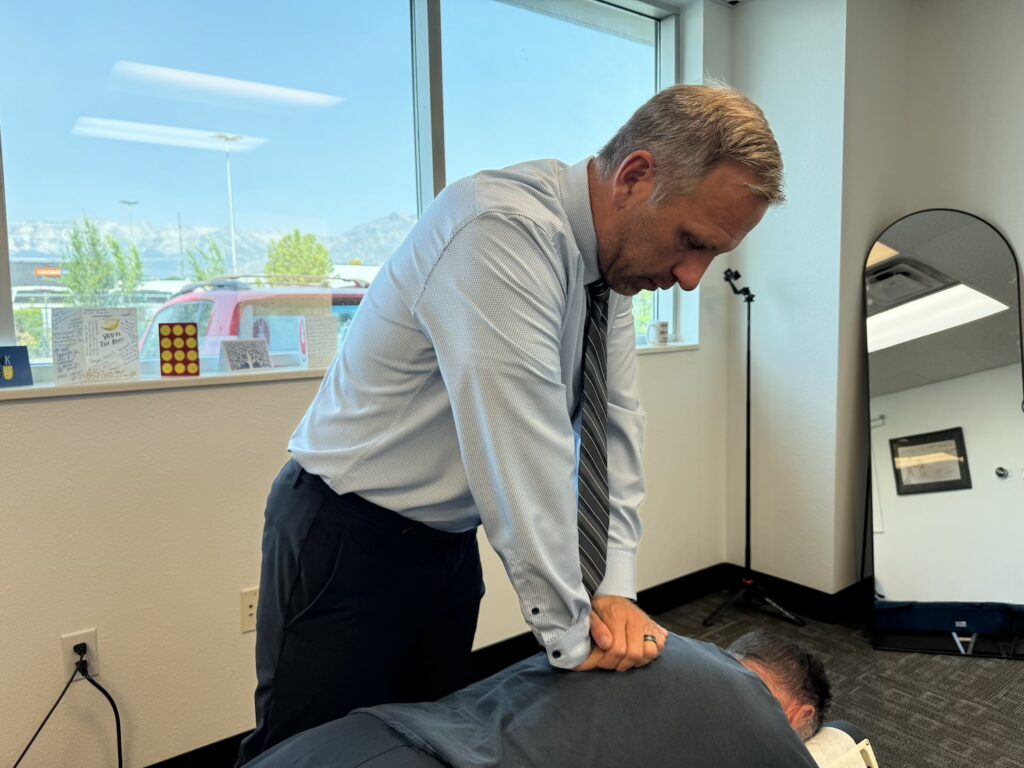
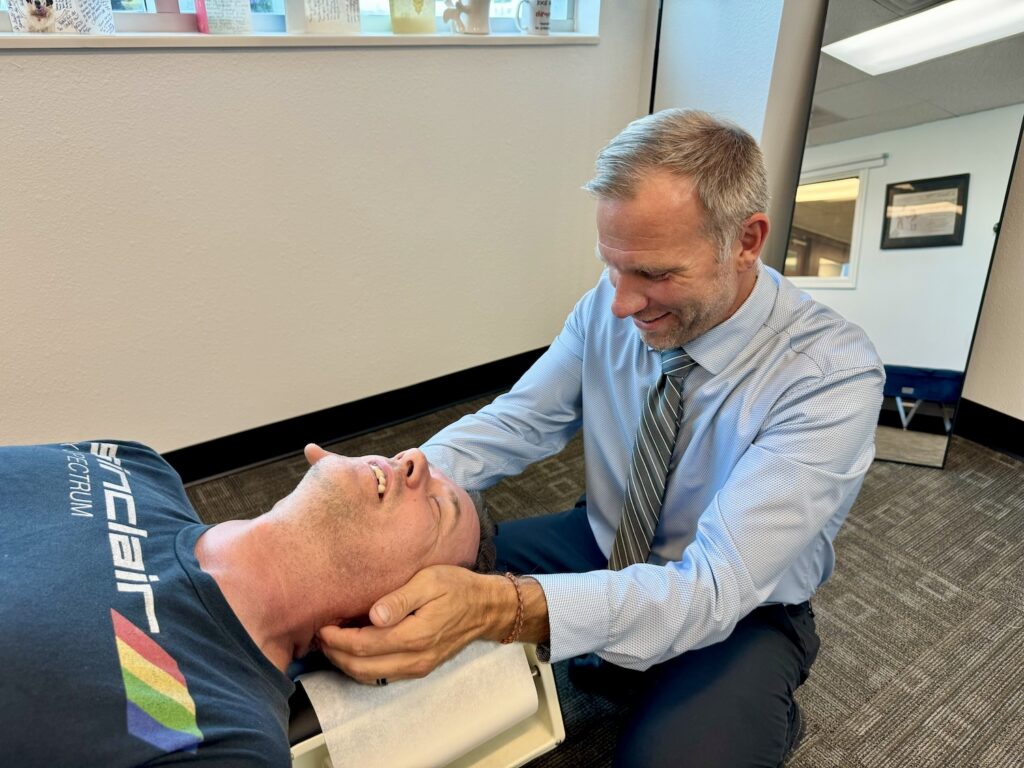
Tension headaches can be a frustrating experience, often stemming from daily habits and stressors. As a chiropractor, I believe that understanding the root causes is the first step toward finding relief. By making simple adjustments to your routine and incorporating chiropractic care, you can significantly reduce the occurrence of these headaches.
One of the primary culprits behind tension headaches is poor posture. Many of us spend long hours hunched over computers or smartphones, leading to strain on the neck and spine. Regular chiropractic adjustments can help improve your posture, relieve muscle tension, and align your spine, which may reduce the frequency and intensity of headaches.
In addition to chiropractic care, relaxation techniques can be incredibly beneficial. Practices such as deep breathing, meditation, and gentle stretching can help alleviate stress and tension in the body. Consider setting aside a few minutes each day to practice these techniques. This can not only help with headaches but also promote overall well-being.
Staying hydrated is another essential tip. Dehydration can contribute to headaches, so make sure you’re drinking enough water throughout the day. Also, maintaining a balanced diet rich in fruits, vegetables, and whole grains can provide your body with the nutrients it needs to function optimally.
Lastly, consider integrating regular physical activity into your routine. Exercise can help reduce stress, improve circulation, and enhance your overall health. Even a daily walk can make a significant difference in how you feel.
In summary, by focusing on your posture, practicing relaxation techniques, staying hydrated, and incorporating regular exercise, you can effectively manage and prevent tension headaches. And remember, chiropractic care is a powerful tool in achieving optimal health and wellness. If you’re struggling with tension headaches, don’t hesitate to consult with a chiropractor for personalized care tailored to your needs. Your journey to feeling your best starts here!
Key Takeaways
- Maintain proper posture by aligning your head with your shoulders. Good posture is crucial not only for preventing muscle tension and strain but also for supporting your spine’s health. As a chiropractor, I encourage you to be mindful of your body alignment during daily activities to promote overall well-being.
- Engage in regular exercise like walking or yoga. These activities are fantastic for relieving stress and promoting relaxation, both of which can help prevent tension headaches. Incorporating gentle movements and stretching into your routine also supports spinal health, allowing your body to function optimally.
- Practice relaxation techniques such as deep breathing or progressive muscle relaxation. These methods can effectively manage stress levels, which is key in reducing headache intensity. When your body is relaxed, it takes the pressure off your spine and muscles, contributing to a healthier you.
- Stay adequately hydrated by drinking plenty of water throughout the day. Dehydration can lead to headaches, so aim for at least eight glasses daily. Proper hydration not only helps prevent headaches but also supports overall bodily functions, including spinal health.
- Create a sleep-friendly environment by keeping your bedroom dark, quiet, and cool. Establishing consistent sleep schedules is essential for restorative rest. Quality sleep plays a significant role in your body’s healing processes and can help maintain a healthy spine, reducing the chances of tension headaches.
By following these natural tips, you can support your overall health and wellness while also reducing the likelihood of tension headaches. Chiropractic care can further enhance these efforts, providing personalized treatment and guidance tailored to your specific needs. Your journey to optimal health starts with taking care of your spine!
Understanding Tension Headaches
Tension headaches are among the most common types of headaches, often stemming from stress, muscle tension, or anxiety. You may experience a dull, aching sensation that feels like a tight band around your head, particularly around your temples. Unlike migraines, tension headaches usually don’t come with nausea or sensitivity to light. Many people notice these headaches cropping up after a long day at work or during stressful moments.
Understanding the root causes of tension headaches is crucial for prevention and relief. When you’re stressed, your muscles can tighten, leading to increased pressure in your head and neck. This is where chiropractic care can make a significant difference. By focusing on spinal health and aligning the spine, chiropractors can help alleviate muscle tension and reduce the frequency and intensity of tension headaches.
Your daily habits play a vital role in managing tension headaches. Poor posture, for instance, can contribute to muscle strain and discomfort. Being mindful of how you sit and stand can help maintain spinal alignment.
Additionally, irregular sleep patterns can exacerbate tension headaches, so establishing a consistent sleep routine is important.
Incorporating relaxation techniques into your daily life can also be beneficial. Simple practices such as deep breathing exercises, gentle stretching, or even mindfulness meditation can help ease muscle tension and promote overall well-being.
Chiropractic care offers a natural and effective approach to achieving optimal health and relieving tension headaches. By addressing the underlying issues through spinal adjustments and holistic wellness strategies, you can take proactive steps to enhance your quality of life and minimize the occurrence of tension headaches.
Identifying Common Triggers
While various factors can contribute to the onset of tension headaches, recognizing common triggers is essential for effective prevention and overall wellness.
As a chiropractor, I often see how stress plays a significant role, frequently linked to work pressures or personal challenges. Pay attention to your emotional state; feelings of anxiety and frustration can intensify tension.
Dehydration is another subtle trigger, so staying hydrated by drinking enough water throughout the day is crucial.
Additionally, consider your sleep habits; poor sleep quality or irregular sleep patterns can increase your risk of headaches. Evaluating your caffeine intake is also important; excessive consumption can lead to withdrawal headaches, making it vital to find a balance.
Moreover, environmental factors like bright lights, loud noises, or strong odors can provoke discomfort. By identifying these triggers, you can take proactive steps to minimize headaches.
Incorporating regular chiropractic care into your routine can also help support your overall health and address the underlying issues contributing to tension headaches. Chiropractic adjustments can promote better spinal alignment, improve stress management, and enhance your body’s natural healing abilities.
Practicing Good Posture
Good posture is crucial for maintaining overall wellness and can significantly help in preventing tension headaches. Proper alignment of your spine and neck can reduce unnecessary strain on your muscles, leading to less discomfort and fewer headaches.
By focusing on good posture, you not only support your body but also enhance your health naturally through chiropractic care.
Here are three straightforward tips to help you maintain better posture and support your spinal health:
- Align Your Head: Ensure your ears are aligned with your shoulders. Picture a string gently pulling your head upward. This simple adjustment can prevent tilting or leaning that often leads to tension in your neck and upper back.
- Strengthen Your Core: A strong core is essential for a healthy spine. Engage your abdominal muscles while sitting or standing to create a stable base. This engagement helps support your spine and can alleviate stress on your neck and back.
- Adjust Your Workspace: It’s important to set your chair and desk at appropriate heights to avoid straining your body. Make sure your feet are flat on the ground, and your screen is at eye level to maintain a neutral posture while working.
By implementing these tips, you can reduce the risk of headaches and enhance your overall health.
Incorporating Regular Exercise
Regular exercise is a vital component in preventing tension headaches, as it helps reduce stress and enhances overall well-being. As a local chiropractor, I encourage you to explore various activities such as walking, yoga, or swimming to discover what brings you joy and relaxation.
Not only does regular movement support your physical health, but it also positively impacts your spine and nervous system, which are crucial for optimal functioning.
Incorporating these exercises into your routine can significantly lower your chances of experiencing headaches and improve your overall quality of life. Remember, chiropractic care plays an essential role in maintaining a healthy spine, which can help your body manage stress more effectively.
Here are some simple tips to help you get started:
- Set a Schedule: Aim for at least 30 minutes of physical activity most days of the week. Consistency is key!
- Listen to Your Body: Choose activities that feel good and are enjoyable for you. This will keep you motivated and engaged.
- Focus on Posture: Whether you’re exercising or sitting at your desk, pay attention to your posture. Good alignment can help prevent headaches and discomfort.
- Stay Hydrated: Drink plenty of water before, during, and after exercise to keep your body well-hydrated.
- Consider Chiropractic Care: Regular adjustments can enhance your body’s ability to manage stress and maintain spinal health, providing you with a solid foundation for a headache-free life.
Benefits of Exercise
Incorporating regular exercise into your routine can significantly reduce the frequency and intensity of tension headaches, but it’s also essential to consider how chiropractic care can further enhance your journey to wellness.
When you prioritize movement and proper spinal alignment, you not only boost your physical health but also support your mental well-being. Here are some benefits you can experience, along with how chiropractic care can complement your efforts:
- Stress Relief: Exercise naturally releases endorphins, which help combat stress and promote relaxation. Coupling this with regular chiropractic adjustments can enhance your body’s ability to manage stress by ensuring your spine is aligned, allowing for better nerve function and overall health.
- Improved Posture: Strengthening your muscles through exercise can lead to better posture, which reduces the strain on your neck and shoulders that often triggers headaches. Chiropractic care focuses on spinal alignment, which is crucial for maintaining proper posture and preventing discomfort.
- Better Sleep: Regular physical activity can improve your sleep quality, allowing your body to recover and reducing headache occurrences. Chiropractic adjustments can also promote better sleep by relieving tension in your body and ensuring that your nervous system is functioning optimally.
Takeaway Tips:
- Incorporate stretching and strength training exercises to support your spine and improve overall posture.
- Consider scheduling regular chiropractic visits to address any underlying issues that may contribute to headaches.
- Practice relaxation techniques, such as deep breathing or yoga, to complement the stress-relieving benefits of both exercise and chiropractic care.
By making exercise and chiropractic care a part of your wellness routine, you can achieve optimal health and significantly reduce the likelihood of tension headaches.
Types of Activities
When it comes to finding relief from tension headaches, many people may think the only solution is hitting the gym. However, various enjoyable activities can effectively help reduce this type of pain while also promoting overall health and wellness. Remember, you don’t need a strict workout routine; the key is to engage in activities that you love.
For instance, walking is a fantastic way to relieve stress and clear your mind. Not only does it get your body moving, but it also promotes better spinal alignment, which can be beneficial for headache relief.
Yoga and Pilates are excellent choices as well; they focus on flexibility and core strength, helping to alleviate muscle tension in your neck and back, which can contribute to headaches.
Swimming is another great low-impact exercise that revitalizes the body and promotes relaxation.
Dancing isn’t only a fun way to express yourself, but it also gets your heart rate up and releases endorphins that can help lift your mood and ease tension.
Even simple activities like gardening or light household chores can be surprisingly effective in boosting your well-being.
As a chiropractor, I always emphasize the importance of consistency. Aim for at least 30 minutes of physical activity most days of the week.
Incorporating these enjoyable activities into your routine can lead to a healthier lifestyle and help prevent those pesky tension headaches naturally.
Remember, chiropractic care can also play a vital role in your wellness journey by addressing spinal health and promoting a balanced body.
Utilizing Relaxation Techniques
When you feel the onset of a tension headache, it’s essential to know that there are natural ways to find relief without relying on medications. As a chiropractor, I believe in the power of relaxation techniques to alleviate discomfort and restore your sense of well-being. Here are three effective methods you can try:
- Deep Breathing: Start by centering your attention on your breath. Inhale deeply through your nose, hold it for a moment, and then exhale slowly through your mouth. This simple but powerful practice can help lower your heart rate and ease muscle tension, creating a calming effect on your body.
- Progressive Muscle Relaxation: This technique involves systematically tensing and then relaxing each muscle group, beginning from your toes and working your way up to your head. By consciously releasing built-up tension, you’ll notice a significant reduction in stress and discomfort, allowing your body to feel lighter and more at ease.
- Guided Imagery: Take a few moments to visualize a peaceful setting, such as a tranquil beach or a lush forest. Engaging your imagination in this way can redirect your focus and diminish the intensity of your headache, promoting relaxation and a sense of calm.
In addition to these techniques, remember that regular chiropractic care can also play a crucial role in managing headaches and promoting overall wellness.
By keeping your spine aligned and ensuring proper nerve function, chiropractic adjustments help your body heal naturally and maintain optimal health. If you frequently experience tension headaches, consider scheduling a visit to your local chiropractor to discuss how personalized care can support your well-being.
Incorporate these relaxation techniques into your daily routine, and you may find sweet relief from tension headaches, paving the way for a healthier, more balanced life.
Managing Stress Effectively
To effectively manage stress and promote overall wellness, it’s important to identify strategies that align with your lifestyle and health goals. Start by recognizing your stress triggers—these could include work deadlines, personal relationships, or financial concerns. Understanding what causes you stress is the first step in finding relief.
One of the best ways to combat stress is through regular physical activity. Exercise not only releases endorphins that boost your mood but also helps reduce muscle tension and improve spinal health. Consider engaging in activities like walking, yoga, or swimming, which can enhance your physical well-being while keeping stress at bay.
Incorporating mindfulness or meditation into your routine can also be beneficial. These practices help center your thoughts and promote relaxation, which is essential for maintaining a healthy spine and reducing tension throughout your body.
Setting boundaries in both your personal and professional life is crucial. Remember, it’s completely okay to say no when you feel overwhelmed. Prioritizing your well-being isn’t selfish; it’s a vital part of living a healthy life.
Don’t forget to make time for hobbies and activities that bring you joy. Engaging in what you love serves as a wonderful distraction from stressors and contributes to a balanced lifestyle. It’s all about finding what works for you and incorporating it into your daily routine.
Lastly, consider regular chiropractic care as part of your wellness journey. Chiropractors focus on natural healing methods that can help alleviate stress-related tension and support optimal spinal health.
Staying Hydrated
Staying hydrated is crucial for your overall well-being and can be especially important in preventing tension headaches. Water is a vital component of your body, and when you’re not consuming enough fluids, you may experience signs of dehydration, such as fatigue and an increase in headache frequency.
As a chiropractor, I want to emphasize that proper hydration supports your spinal health, as it helps maintain the discs and joints in your spine. When these structures are well-hydrated, they function more effectively, reducing tension and discomfort.
To make hydration a part of your daily routine, consider keeping a water bottle close at hand. This simple habit can help you meet your hydration needs throughout the day. Aim to drink water regularly, and listen to your body—it often knows when it needs more fluids.
In addition to staying hydrated, remember that regular chiropractic care can play a significant role in alleviating tension headaches and promoting overall wellness. By ensuring that your spine is aligned, chiropractic adjustments can enhance your body’s natural ability to heal and function optimally.
Importance of Water Intake
How can something as simple as water play a crucial role in preventing tension headaches? Staying hydrated isn’t just a matter of quenching your thirst; it’s a fundamental aspect of your overall wellness that can significantly affect your spinal health and comfort.
When you drink enough water, you actively contribute to your body’s natural healing processes, including reducing the discomfort of tension headaches. Here are three essential reasons to prioritize your water intake:
1. Reduces Muscle Tension: Proper hydration is key to keeping your muscles relaxed, which helps alleviate tension in your neck and back. This is particularly important for those who spend long hours sitting or working at a desk, as muscle tension can lead to headaches and discomfort.
By staying hydrated, you support your body’s natural alignment and function, which is a cornerstone of chiropractic care.
2. Enhances Focus: Staying hydrated improves cognitive function, allowing you to remain sharp and alert throughout the day. This is particularly beneficial when you’re trying to maintain good posture and spinal alignment, as a clear mind helps you be more aware of your body’s positioning.
Proper hydration can help you avoid the distractions that lead to poor posture, which is a common contributor to tension headaches.
3. Boosts Mood: Adequate water intake can elevate your mood and help you feel more positive. A healthy mindset is vital in managing stress, which can exacerbate tension headaches.
When you’re in a good mood, you’re more likely to engage in healthy habits, including maintaining your chiropractic adjustments and exercises, which further supports your overall wellness.
Incorporating more water into your daily routine is a simple yet powerful way to promote your health and well-being.
Remember, chiropractic care is your best ally in achieving optimal health, and staying hydrated is an excellent complementary practice in your journey toward a pain-free life.
Signs of Dehydration
Have you ever thought about how your body signals that it might be dehydrated? Recognizing these signs is crucial for not only your hydration but also for preventing tension headaches, which can impact your overall well-being. Common symptoms of dehydration include a dry mouth, fatigue, and headaches. You might also notice your urine appearing darker or that you’re urinating less frequently.
As a chiropractor, I want to emphasize the importance of hydration in maintaining optimal health and wellness. Proper hydration supports your body’s functions, including spinal health, which is vital for a pain-free life.
Here’s a simple reference table to help you identify signs of dehydration:
| Sign | Description | Action |
|---|---|---|
| Dry Mouth | A persistent feeling of dryness | Drink plenty of water |
| Fatigue | Low energy or tiredness | Hydrate regularly |
| Dark Urine | Urine appears darker than usual | Increase your water intake |
Listening to your body is key. When you stay hydrated, you not only reduce the risk of tension headaches but also support your overall spinal health. Remember, a well-hydrated body is better equipped to function properly and recover from daily stresses.
Incorporating these hydration tips into your daily routine can pave the way for healthier living. Always keep a water bottle handy, set reminders to drink water throughout the day, and pay attention to how your body feels. By prioritizing hydration, you’re taking a significant step towards achieving natural wellness and enhancing your chiropractic care journey.
Exploring Dietary Changes
While many factors contribute to tension headaches, making dietary changes can be an effective way to alleviate symptoms and support your overall wellness. As a chiropractor, I believe that achieving optimal health involves a holistic approach, including proper nutrition, spinal health, and natural healing.
Here are three dietary modifications you can consider to help reduce tension headaches and promote better well-being:
- Stay Hydrated: Dehydration is a common trigger for headaches. Make it a habit to drink plenty of water throughout the day—aim for at least eight glasses. Staying hydrated not only supports your overall health but also helps maintain proper spinal function, which is essential for reducing tension.
- Limit Processed Foods: Highly processed foods often contain added sugars and preservatives that can lead to inflammation, contributing to headaches. Instead, choose whole, unprocessed foods. Fresh fruits, vegetables, lean proteins, and whole grains aren’t only better for your head but also support your body’s natural healing processes.
- Incorporate Magnesium-Rich Foods: Foods such as spinach, nuts, and whole grains are rich in magnesium, which plays a vital role in muscle and nerve relaxation. By including these foods in your diet, you may reduce the likelihood of experiencing tension headaches. Additionally, maintaining a healthy spine through chiropractic care can further enhance your body’s ability to manage stress and tension.
Remember, achieving optimal health is a journey. By making these simple dietary adjustments and prioritizing chiropractic care, you can take proactive steps towards reducing tension headaches and enhancing your overall quality of life.
Always consult with your chiropractor for personalized advice on how to best support your health and wellness.
Creating a Sleep-Friendly Environment
Creating a sleep-friendly environment is crucial for managing tension headaches and promoting overall wellness. As a chiropractor, I understand the significant role that sleep plays in spinal health and pain relief. Here are some tips on how to set up your bedroom to support restful sleep and, in turn, a healthier spine.
First, make sure your bedroom is dark, quiet, and cool. Darkness is essential for melatonin production, which helps regulate your sleep cycle. Blackout curtains can effectively block out any intrusive light. For noise control, consider using earplugs or a white noise machine to mask disruptive sounds that might interfere with your rest.
A comfortable mattress and supportive pillows are vital for maintaining proper spinal alignment while you sleep. Choose a mattress that suits your body’s needs, and select pillows designed for your sleeping position, whether you sleep on your back, side, or stomach. Proper support can help prevent tension headaches and discomfort.
Establishing a consistent sleep schedule is another key element. Try to go to bed and wake up at the same time every day; this helps regulate your body’s internal clock, making it easier to fall asleep and wake up refreshed. Additionally, limit screen time before bed, as the blue light emitted by devices can disrupt your natural sleep hormones. Instead, consider winding down with a good book or some gentle stretching to relax your body and mind.
Finally, declutter your sleeping space. A tidy environment can help reduce distractions and promote a sense of peace, making it easier for you to drift off to sleep.
By focusing on these elements, you can create a restful environment that not only enhances your sleep but also supports your spinal health and overall wellness.
Considering Alternative Therapies
If you’re struggling with tension headaches, exploring alternative therapies can be a valuable part of your wellness journey.
However, it’s essential to recognize that chiropractic care is one of the most effective approaches for achieving optimal health and pain relief. Chiropractic focuses on the spine’s alignment and nervous system function, which can significantly impact headache relief.
Here are three complementary practices to consider alongside chiropractic care:
- Chiropractic Adjustments: Regular visits to your chiropractor can help correct spinal misalignments that contribute to tension headaches. By realigning the spine, chiropractic adjustments improve nervous system function and promote natural healing, often leading to significant headache relief.
- Posture Awareness: Maintaining good posture is crucial for preventing tension headaches. Be mindful of your sitting and standing positions, especially if you work at a desk. Take breaks to stretch your neck and shoulders, which can help alleviate tension and promote better spinal health.
- Hydration and Nutrition: Staying well-hydrated and eating a balanced diet can have a profound effect on headache frequency and intensity. Incorporate plenty of water, fruits, and vegetables into your daily routine. Certain foods, like leafy greens and nuts, can support overall well-being and reduce inflammation.
Incorporating these practices alongside regular chiropractic care can lead to a more holistic approach to managing tension headaches.
Conclusion
By focusing on natural prevention methods, particularly through chiropractic care, you can significantly reduce the occurrence of tension headaches. Maintaining good posture is crucial—consider how your spine aligns throughout the day. Regular chiropractic adjustments can help ensure your spine is in proper alignment, reducing tension not just in your neck and shoulders, but throughout your entire body.
Incorporating regular exercise into your routine is another effective way to manage stress, which is a leading trigger for tension headaches. Activities that promote spinal health, like yoga and stretching, can also enhance your overall well-being. Additionally, don’t underestimate the power of relaxation techniques—practices like deep breathing and mindfulness can help ease tension and promote a calm mind.
Staying hydrated is key as well; it supports overall body function and can help prevent headaches. Making smart dietary choices—like reducing processed foods and increasing nutrient-rich options—can further contribute to your health.
Creating a sleep-friendly environment is essential too. Quality sleep allows your body to heal and rejuvenate, which is vital for headache prevention.
By incorporating these strategies into your daily routine and considering chiropractic care as a cornerstone of your wellness journey, you’ll empower yourself to effectively combat tension headaches and enhance your quality of life. Remember, regular visits to your chiropractor can keep your spine healthy and reduce the risk of headaches, naturally!