
Core-Strengthening for Back Pain: A Chiropractor-Led Guide in American Fork
If your back has been talking to you lately, you’re not alone. Here at Life Aligned Chiropractic in American Fork, we help people every day who want a stronger, more reliable back—so they can work, hike, garden, and play without worrying about pain. One of the most effective, long-term ways to protect your spine is to build a resilient core. In this article, I’ll explain exactly why your core matters, the simple biomechanics behind it, and the chiropractor-led exercise routine we teach in our office to support a healthy, active life.
What do we mean by core-strengthening for back pain? Your “core” is more than just abs. It’s a team of deep muscles around your trunk that stabilize your spine so you can move with control. Strengthening these muscles—guided by proper spinal alignment—can reduce strain, improve posture, and help prevent flare-ups.
Why Core Strength Matters for a Healthy Back
Your spine is designed to move, but it also needs stability. Without a stable base, everyday motions—lifting a laundry basket, getting out of a car, or pulling weeds—can overload sensitive tissues. A strong core gives your spine a supportive “corset,” allowing you to move freely without irritation.
Core work is not about six-pack abs. It’s about endurance and coordination of deeper muscles that quietly hold you together. When your core does its job in the background, your back can relax.
The Chiropractor’s Perspective: Alignment First, Then Strength
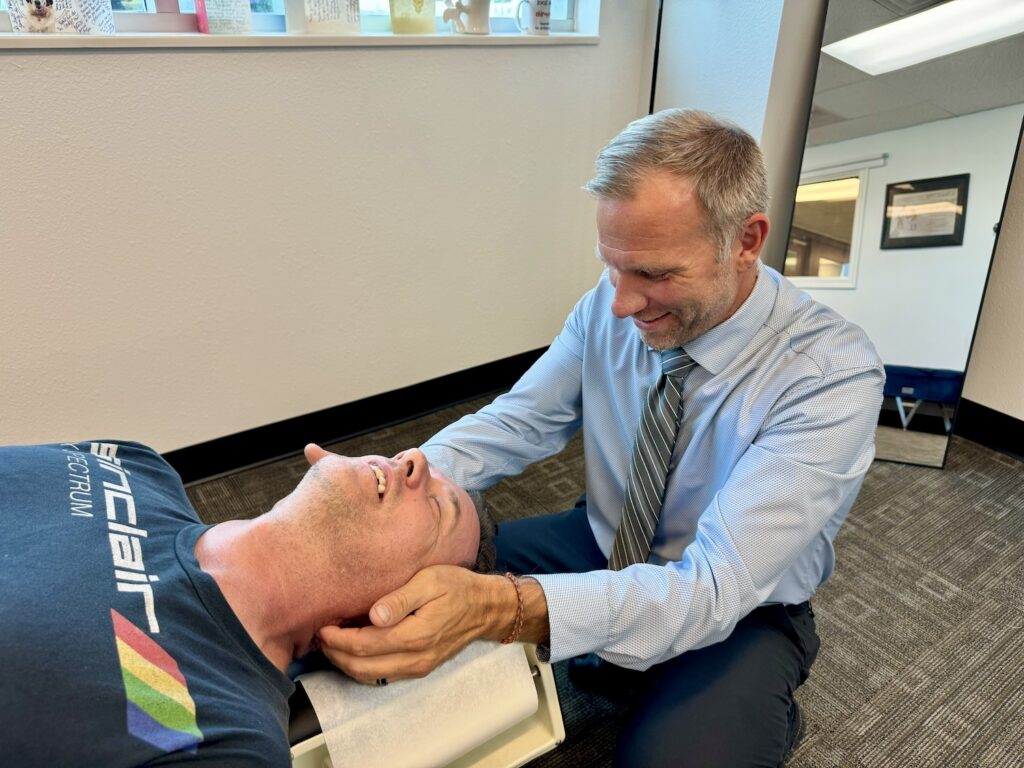
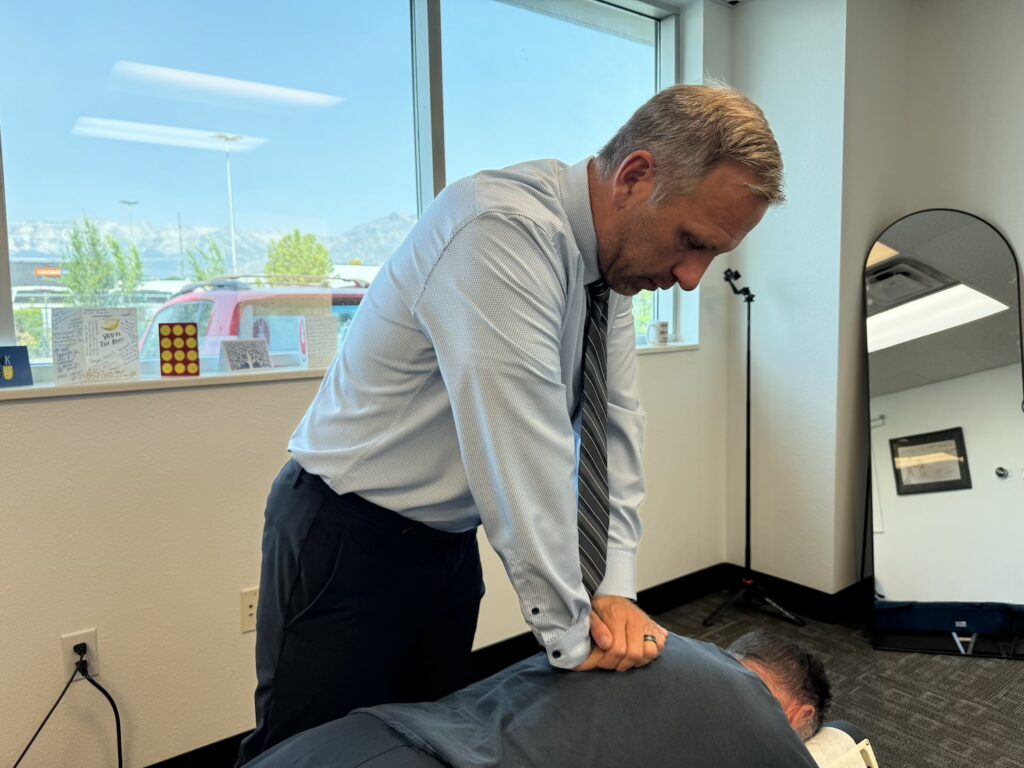
At Life Aligned Chiropractic, we start with your alignment and movement pattern. If joints are restricted or irritated, your body naturally compensates. Training over a compensation can reinforce pain. That’s why chiropractic evaluation and adjustments come first—we address joint mobility and nervous system function so you can strengthen safely.
Once your spine moves well, the right exercises reinforce those gains. This is how we help patients in American Fork get lasting results: restore alignment, then build stability around it.
Simple Biomechanics: How Your Core Supports Your Spine
Think of your spine as the central mast of a ship. The core muscles are the guy wires that keep the mast steady in wind and waves. When those wires are balanced and responsive, stresses spread evenly through the system.
Key players include the diaphragm (breathing muscle), transverse abdominis (deep abdominal wall), multifidus (tiny stabilizers along your spine), pelvic floor, and glutes. These muscles coordinate to brace your trunk gently so your arms and legs can move with less strain on your back.
The Core-Strength Routine We Teach in Our American Fork Office
Below is a safe, chiropractor-guided sequence we often start with. Move slowly. Breathe. Stop any exercise that increases your pain. For personalized progressions, schedule a visit—what’s “right” depends on your exam findings and goals.
- Diaphragmatic breathing with light brace: Lie on your back, knees bent. Inhale through your nose and let your ribs expand 360 degrees. On a gentle exhale, draw your belly wall inward slightly—as if snugging a belt one notch—without tensing hard. Hold the soft brace as you breathe calmly. Practice for 1–2 minutes.
- Pelvic tilt imprint: Same position. Exhale and tilt your pelvis to flatten your low back softly into the floor, then return to neutral. Keep the movement small and controlled. Do 8–10 slow reps.
- Modified McGill curl-up: One knee bent, one leg straight. Hands support your low back’s natural curve. Gently lift your head and shoulder blades an inch, keeping your neck long. Pause 3–5 seconds, then lower. Do 6–8 reps per side.
- Bird dog: On hands and knees, brace lightly. Reach one arm forward and the opposite leg back without letting your low back sag. Hips and ribs stay level. Hold 5 seconds, switch sides. Do 6–8 per side.
- Side plank (knees): Lie on your side, knees bent. Elbow under shoulder. Lift hips to form a straight line from shoulder to knee. Hold 10–20 seconds, breathing steadily. Repeat 2–3 times per side. Progress to straight legs as tolerated.
- Glute bridge: On your back, knees bent. Brace gently, press through heels, and lift hips until your body forms a line from shoulders to knees. Do not arch your low back. Hold 2–3 seconds. Do 10–12 reps.
Frequency matters. Most people do well with this routine 3–4 days per week at first. As endurance improves, we add controlled carries, hip hinge practice, and standing anti-rotation work. Your exact plan should match your exam and comfort.
Common Mistakes to Avoid
- Skipping alignment. If irritated joints or nerve tension are present, planks and crunches can aggravate symptoms. Get assessed first. Let’s make sure the spine is moving well before loading it.
- Holding your breath. Breath is part of your core. Bracing without breathing can spike pressure and fatigue small stabilizers. Keep a light brace while maintaining smooth inhales and exhales.
- Going too hard, too soon. Long planks and high-rep crunches often train the wrong muscles and stress your neck or low back. Start with quality over quantity and build endurance gradually.
- Chasing soreness. Soreness is not the goal. Control and consistency are. Your back should feel more supported during the day, not wrecked after a workout.
How Chiropractic Care Fits In and Guides Your Progress
Chiropractic is a frontline, non-invasive approach for spine-related pain and movement issues. In our American Fork clinic, patients start with a detailed history, movement screen, and targeted chiropractic adjustments to restore normal joint motion. We then layer in the right exercises to reinforce better patterns.
Evidence-based guidelines from respected organizations support spinal manipulation and active approaches for many cases of back pain. For example, the American College of Physicians recommends non-drug options such as spinal manipulation for acute and chronic low back pain as part of conservative care (see ACP guideline summary). The UK’s National Institute for Health and Care Excellence also supports exercise programs and, in some cases, manual therapy for low back pain (see NICE NG59 guideline).
What makes chiropractic unique is the emphasis on alignment, joint function, and the nervous system first—then tailored strengthening. This sequence helps many people move with less fear and more confidence.
When to See a Chiropractor
If back pain is limiting your day, lingering beyond a week or two, or returning repeatedly, it’s time for a chiropractic evaluation. Early care helps prevent compensations from becoming habits. If you’re unsure which exercises are right for you, we’ll test, teach, and modify a plan that fits your body and your goals.
Local note: We often help American Fork patients whose backs flare after yard work, longer I‑15 commutes, or the first hikes of the season. If that sounds familiar, you’re in the right place.
Red Flags: When to Seek Medical Care Now
Most back pain is mechanical and responds well to conservative chiropractic care. Rarely, symptoms indicate something more serious. Seek urgent medical attention if you notice:
- New loss of bowel or bladder control, or numbness in the saddle area
- Unexplained fever, chills, or significant, unexplained weight loss
- History of cancer with new, unrelenting back pain
- Severe trauma or a fall with immediate, intense back pain
- Progressive leg weakness or foot drop
If you’re unsure, call us. We’ll help you decide the safest next step and coordinate referral when needed.
Myths and Facts About Core and Back Pain
| Myth | Fact |
|---|---|
| “Core training means lots of sit-ups.” | True core work targets deep stabilizers with controlled, spine-sparing movements—often without traditional crunches. |
| “If my back hurts, I should rest until it’s gone.” | Brief rest can help, but gentle movement and guided exercise usually speed recovery and prevent stiffness. |
| “Strength fixes everything.” | Strength helps, but alignment and mobility come first. Chiropractic adjustments plus smart exercise are a powerful combination. |
| “Pain always means damage.” | Pain is a protective signal and not always a sign of harm. With the right plan, you can move safely while symptoms calm. |
American Fork Lifestyle Tips for a Back-Friendly Day
Little habits add up. Here are simple ways our American Fork neighbors keep their backs happier between visits and workouts:
- On I‑15 commutes: Adjust your seat so hips are level with or slightly above knees. Keep a small lumbar support behind your belt line.
- Hiking the Timpanogos area: Use trekking poles on descents and engage a light brace when stepping over rocks.
- Yardwork and gardening: Hinge at the hips, not the waist. Switch sides often when raking or shoveling.
- Desk time: Set a 30–45 minute movement timer. Two minutes of walking and a few gentle hip hinges reset stiffness.
- Evening routine: A short session of breathing, bird dogs, and a stroll after dinner can calm your back before bed.
Final Thoughts from Life Aligned Chiropractic
A healthy back starts with good alignment and a calm, coordinated core. You don’t need extreme workouts to feel better—just the right sequence, practiced consistently. If you’re in American Fork and want a plan built for your body, we’re here to evaluate, adjust, and coach you each step of the way.
FAQs
Which core muscles should I focus on for back pain?
Start with the diaphragm, transverse abdominis, multifidus, pelvic floor, and glutes. These deep stabilizers create gentle, lasting support for your spine.
How often should I do core exercises for back health?
Most people do well with 3–4 sessions per week. Short, consistent sessions beat occasional long workouts.
Are sit-ups bad for my back?
Traditional sit-ups often stress the neck and low back. Spine-sparing options like modified curl-ups, bird dogs, and side planks are usually better.
Can I exercise if my back hurts right now?
Often yes, if you choose gentle, well-tolerated movements. If pain is sharp or worsening, get a chiropractic evaluation first.
How long before I notice improvement?
Many people feel steadier within 2–4 weeks of consistent practice. Results vary based on your starting point and daily habits.
Is chiropractic safe for back pain?
For most people, chiropractic care is a safe, evidence-informed, conservative approach. We screen for red flags and tailor care to your needs.
TL;DR
- Strong, well-coordinated core muscles protect your spine and reduce strain during daily activities.
- Chiropractic care puts alignment first, then builds stability with the right exercises for your body.
- Start with breathing, pelvic tilts, modified curl-ups, bird dogs, side planks, and glute bridges 3–4 times per week.
- See a chiropractor if pain lingers, limits life, or returns often. Seek urgent care for red flags like bowel/bladder changes or progressive weakness.