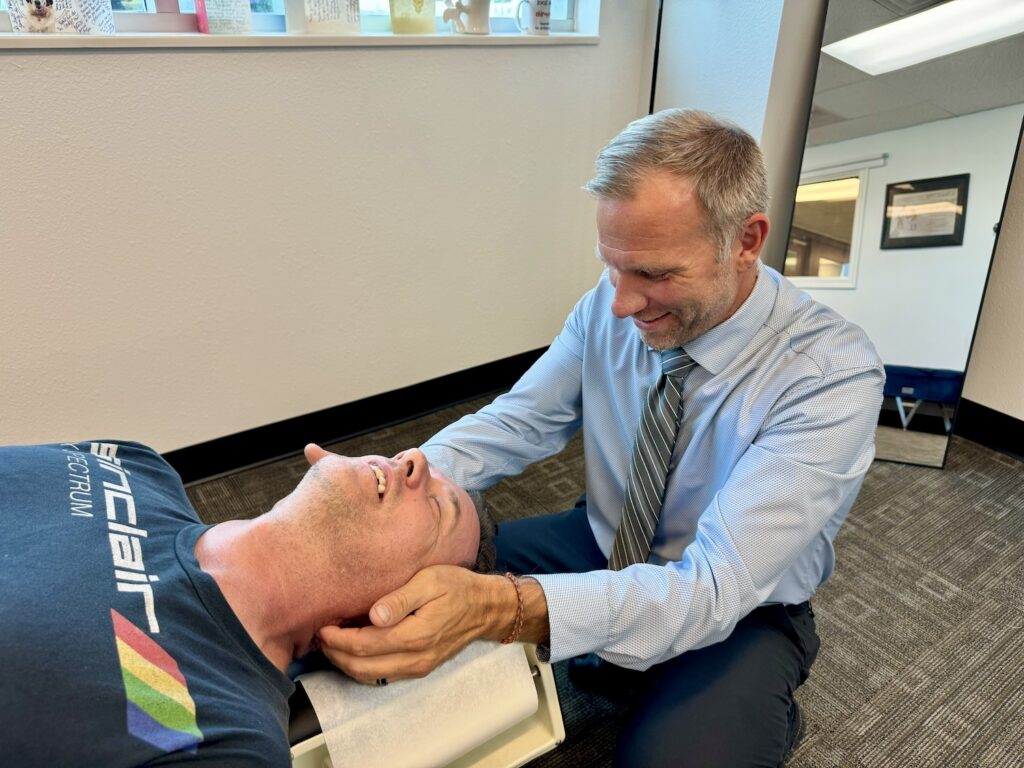
If you’ve ever suffered from tension headaches or migraines, you may not realize how crucial spinal alignment is in managing those pains. When your spine is misaligned, it can put pressure on your nerves and muscles, which can worsen your discomfort and lead to more frequent headaches. Understanding the relationship between your spine and headache intensity can empower you to take steps towards healing and wellness.
Chiropractic care is an excellent approach for addressing spinal misalignment. By focusing on natural adjustments, chiropractors help restore proper alignment, alleviating pressure and promoting overall health. Regular chiropractic adjustments can aid in reducing headache frequency and intensity, leading to a more comfortable and fulfilling life.
Here are a few simple tips to support your spine and help manage headaches:
- Stay Hydrated: Dehydration can contribute to headaches, so be sure to drink plenty of water throughout the day.
- Maintain Good Posture: Whether you’re sitting at a desk or using your phone, keeping your spine aligned is key. Sit up straight and avoid slouching.
- Take Breaks: If you work at a computer, take regular breaks to stretch and move around. This helps relieve tension in your neck and shoulders.
- Practice Relaxation Techniques: Stress can trigger headaches. Incorporate deep-breathing exercises, meditation, or gentle yoga into your routine to help manage stress levels.
- Consider Chiropractic Care: Regular visits to a chiropractor can help ensure your spine stays aligned, reducing the likelihood of headaches and enhancing your overall well-being.
By focusing on your spinal health, you can take proactive steps to manage headaches naturally. Embrace chiropractic care as a powerful tool for achieving optimal health and wellness.
Key Takeaways
Aligning Your Spine for Headache Management
- Keeping your spine in proper alignment is essential for reducing pressure on your nerves and muscles. This can help relieve tension headaches and migraines, allowing you to enjoy life pain-free.
- Regular visits to a chiropractor can work wonders for your health. Chiropractic adjustments enhance blood flow and oxygen delivery to your brain, which can significantly lessen headache symptoms. Think of it as a natural way to keep your body functioning at its best!
- Good posture is your best friend! Maintaining proper posture at your desk, while driving, or during any activity can prevent spinal misalignment. This simple adjustment can help reduce the frequency of headaches.
- Staying active is key to a healthy spine. Engaging in regular physical activity strengthens your core muscles, which support your spine and can help reduce headache triggers. Even a daily walk can make a big difference!
- Don’t forget about mindfulness! Practices like deep breathing and meditation not only help you relax but also enhance your overall wellness. When combined with chiropractic care, they can offer even greater relief from headaches.
Remember, if you’re struggling with headaches, consider visiting a chiropractor to explore how spinal health can positively impact your life. It’s a natural, effective way to achieve optimal health and well-being!
Understanding Different Types of Headaches
Headaches can arise from various causes, but understanding the different types is crucial for effective management and relief. As a chiropractor, I believe that recognizing the type of headache you’re experiencing is the first step toward finding natural solutions and achieving optimal health.
Tension headaches are often linked to stress and muscle tension, creating dull, aching pains that typically affect both sides of your head. To alleviate these headaches, consider incorporating regular chiropractic adjustments into your routine. These adjustments can help relieve muscle tension and improve spinal alignment, reducing the frequency and intensity of tension headaches.
Migraines, on the other hand, can be more intense and may come with symptoms such as nausea or sensitivity to light and sound. If you notice recurring headaches triggered by certain foods or environmental changes, it’s important to pay attention. Chiropractic care can help address underlying issues that may contribute to migraines, promoting natural healing and overall wellness.
Cluster headaches, though less common, can be extremely painful and often occur in groups, sometimes waking you at night. While chiropractic care may not directly eliminate cluster headaches, maintaining a healthy spine and nervous system can support your body’s overall functioning and resilience.
Finally, sinus headaches develop when your sinuses become inflamed, usually due to infections or allergies. Chiropractic adjustments can help improve drainage and reduce inflammation, promoting better sinus health and relief from headache symptoms.
In addition to chiropractic care, here are some general tips for headache relief:
- Stay Hydrated: Dehydration can trigger headaches, so ensure you’re drinking enough water throughout the day.
- Manage Stress: Incorporate relaxation techniques like deep breathing, yoga, or meditation into your routine to reduce tension.
- Practice Good Posture: Poor posture can contribute to muscle tension and headaches. Be mindful of your body alignment, especially when sitting for long periods.
- Limit Screen Time: Take regular breaks from screens to reduce eye strain and prevent tension headaches.
By identifying the type of headache you’re facing and considering chiropractic care as a natural solution, you can take steps toward finding relief and enhancing your overall health and wellness.
The Role of Spinal Alignment in Headache Relief
When your spine is misaligned, it can play a significant role in the onset and severity of headaches. A misaligned spine can put pressure on your nerves and muscles, leading to tension headaches and migraines. By prioritizing your spinal health through chiropractic care, you can often find relief from these uncomfortable conditions. Keeping your spine in proper alignment helps reduce muscle tension and improves blood flow—both crucial for preventing headaches.
Here’s a quick overview of how spinal alignment impacts headaches and how chiropractic care can help:
| Aspect | Misalignment Impact | Relief Benefits |
|---|---|---|
| Muscle Tension | Increased tension and strain | Reduced muscle strain and discomfort |
| Blood Flow | Impaired circulation | Enhanced oxygen delivery to the brain |
| Nerve Function | Irritated or pinched nerves | Improved nerve signaling and function |
Focusing on your spine’s alignment can greatly enhance your overall well-being and reduce the frequency of headaches. Regular chiropractic adjustments and exercises tailored to your needs can provide the relief you’re looking for.
Tips for Maintaining Spinal Health:
- Practice Good Posture: Be mindful of your posture while sitting, standing, and sleeping. Use ergonomic furniture and support pillows when needed.
- Stay Active: Engage in regular physical activity, such as walking, stretching, or yoga, to keep your spine flexible and strong.
- Stay Hydrated: Drinking plenty of water can help keep your muscles and joints functioning properly.
- Take Breaks: If you work at a desk, take regular breaks to stand, stretch, and move around to relieve tension.
- Visit Your Chiropractor: Regular chiropractic check-ups can help maintain your spinal health and prevent headaches before they start.
Common Causes of Spinal Misalignment
Spinal misalignment can arise from everyday activities and habits that you mightn’t even be aware of. Recognizing these causes is crucial for preventing discomfort and headaches, and chiropractic care can play a significant role in addressing them. Here are some common culprits and how chiropractic care can help:
- Poor Posture: Slouching while sitting or standing can put a strain on your spine, leading to misalignment over time. Regular chiropractic adjustments can help realign your spine and improve your posture, making you feel more comfortable and balanced.
- Inadequate Ergonomics: An improperly set up workstation can force your body into unnatural positions, which contributes to spinal issues. Consider consulting your chiropractor for tips on creating an ergonomic workspace that supports your spine and overall health.
- Lack of Exercise: A sedentary lifestyle can weaken your core muscles, making it harder to support your spine properly. Incorporating regular physical activity can strengthen these muscles, and your chiropractor can guide you in finding exercises that are safe and effective for your specific needs.
- Carrying Heavy Bags: Uneven weight distribution from bags, especially when carried on one shoulder, can lead to muscle imbalances and misalignment. Opt for a backpack that distributes weight evenly, and consider visiting your chiropractor for adjustments to help correct any imbalances that may have developed.
By understanding these common causes of spinal misalignment, you can take proactive steps to maintain your spinal health.
Regular chiropractic care not only addresses misalignments but also promotes overall wellness and pain relief.
How Posture Affects Headache Frequency and Intensity
Posture plays a crucial role in how often and how intensely you may experience headaches. When you slouch or hunch over screens, it can place extra strain on your neck and shoulders. This tension often leads to muscle fatigue, which can trigger headaches. If your head juts forward, it increases the load on your cervical spine, causing discomfort that can quickly escalate into pain.
By maintaining proper posture, you can align your spine and reduce the strain on your muscles and nerves. Sitting and standing straight not only promotes better spinal health but also enhances blood flow and oxygen delivery to your brain. This can help keep headaches at bay.
It’s important to be mindful of how you position yourself during daily activities. Here are some tips to improve your posture and reduce headache frequency and intensity:
- Take Regular Breaks: If you work at a desk, make it a habit to stand up, stretch, and move around every 30 minutes. This helps relieve tension in your neck and shoulders.
- Adjust Your Workstation: Ensure your computer screen is at eye level, and use a chair that supports your lower back. Your feet should rest flat on the ground, and your arms should be at a 90-degree angle while typing.
- Practice Good Posture: When sitting, keep your back straight, shoulders relaxed, and feet flat on the floor. When standing, distribute your weight evenly on both feet.
- Incorporate Chiropractic Care: Regular visits to a chiropractor can help maintain spinal alignment and ensure that your body is functioning optimally. Chiropractic adjustments can alleviate tension, improve posture, and reduce the likelihood of headaches.
By focusing on your posture and incorporating these simple tips into your routine, you may be surprised at how much better you feel overall.
Chiropractic Care for Headache Management
Chiropractic care is a powerful ally in managing headaches by promoting proper spinal alignment and enhancing your body’s overall function. By utilizing specific techniques, such as gentle spinal adjustments, you can experience a noticeable reduction in pain and tension.
Incorporating chiropractic care into your wellness routine not only targets headache relief but also supports your journey towards a healthier, pain-free life. With regular adjustments, you can improve mobility, decrease stress on your nervous system, and foster a greater sense of well-being.
Here are some simple tips to complement your chiropractic visits and enhance your headache management:
- Stay Hydrated: Dehydration can trigger headaches, so be sure to drink plenty of water throughout the day.
- Practice Good Posture: Maintain a straight posture while sitting and standing to reduce strain on your neck and spine.
- Manage Stress: Engage in relaxation techniques such as deep breathing, meditation, or yoga to lower stress levels, which can contribute to headache frequency.
- Get Regular Exercise: Physical activity increases blood flow and releases endorphins, which can help alleviate headache symptoms.
- Limit Screen Time: Take regular breaks from screens to reduce eye strain and tension in your neck.
Benefits of Chiropractic Adjustments
Many individuals experience relief from headaches through chiropractic adjustments, which can effectively target the root causes of discomfort. Here are some key benefits that chiropractic care can offer:
- Better Spinal Alignment: Chiropractic adjustments help realign your spine, which reduces tension in your muscles and nerves. This realignment can significantly alleviate the triggers that lead to headaches, promoting a more comfortable day-to-day experience.
- Increased Mobility: Regular chiropractic care enhances your range of motion. When your body moves freely, it reduces overall stress and tension, making it easier for you to engage in daily activities without the burden of pain.
- Natural Pain Relief: One of the most compelling benefits of chiropractic adjustments is their ability to lower both the frequency and intensity of headaches. With consistent care, many patients find they can enjoy their daily lives without the interruptions of discomfort.
- Holistic Wellness Focus: Chiropractors prioritize your overall health and wellness. By promoting a balanced lifestyle—through nutrition, exercise, and stress management—you can further support your body’s natural ability to manage headache symptoms.
Tips for Headache Relief:
- Stay hydrated: Dehydration can be a significant headache trigger.
- Maintain good posture: Proper alignment while sitting or standing can prevent tension build-up.
- Incorporate relaxation techniques: Practices like deep breathing or yoga can help reduce stress and tension.
- Schedule regular chiropractic visits: Consistent care can help maintain spinal health and prevent future headaches.
Chiropractic care is a natural and effective approach to achieving optimal health and wellness. By prioritizing your spine and overall lifestyle, you can find lasting relief from headaches and enjoy a higher quality of life.
Techniques for Pain Relief
Effective pain relief techniques can profoundly impact your ability to manage headaches. As a chiropractor, I want to emphasize the importance of spinal alignment in achieving optimal health. Chiropractic care is centered around restoring proper spinal alignment, which can significantly alleviate tension and reduce the frequency of headaches.
Regular adjustments not only help restore your spine to its natural position but also improve nerve function and enhance blood flow, addressing the root causes of your pain.
In addition to spinal adjustments, I often recommend simple exercises that can strengthen your neck and back muscles, providing better support for your spine. This added support can help reduce strain and discomfort.
It’s also essential to adopt healthy lifestyle habits, such as staying properly hydrated, managing stress levels, and making ergonomic adjustments at your workspace to create a supportive environment.
Incorporating relaxation techniques into your daily routine, such as deep breathing exercises or meditation, can further complement the benefits of chiropractic care. By being proactive and engaging in your treatment plan, you empower yourself to reduce headaches naturally and improve your overall well-being.
Exercises to Improve Spinal Alignment
To improve your spinal alignment, incorporating specific exercises can truly make a significant difference in your overall health. As a chiropractor, I believe that maintaining proper spinal alignment is key to achieving optimal wellness. By focusing on exercises that relieve tension and strengthen your core muscles, you can support better posture and reduce discomfort, including headaches.
Stretching techniques are particularly beneficial for releasing tightness in the muscles surrounding your spine. Simple stretches like neck tilts, shoulder rolls, and gentle back bends can help alleviate tension and improve flexibility. It’s essential to listen to your body and only stretch to a comfortable point, ensuring you don’t push yourself too hard.
Strengthening your core muscles is equally important, as a strong core provides stability and support for your spine. Exercises such as planks, bridges, and pelvic tilts can help build strength in your abdominal and back muscles, promoting better posture and reducing the risk of pain.
Remember, chiropractic care is an excellent way to enhance these efforts. Regular adjustments can help keep your spine aligned, allowing your body to function optimally and heal naturally. By combining chiropractic care with these exercises, you can create a comprehensive approach to your health and wellness.
Here are some general tips to keep in mind:
- Make stretching a daily habit to keep your muscles flexible.
- Focus on your posture throughout the day, especially if you spend long hours sitting.
- Incorporate core-strengthening exercises into your routine at least a few times a week.
- Consider visiting your chiropractor regularly for professional adjustments and personalized advice.
Stretching Techniques for Relief
Headaches can often arise from various causes, but one of the most effective ways to find relief is by improving your spinal alignment. As a chiropractor, I believe that targeted stretching techniques can play a significant role in alleviating tension and promoting overall comfort.
Incorporating these simple stretches into your daily routine can help you feel better and support your journey to optimal health:
- Chin Tucks: Start by gently pulling your chin in towards your neck and holding for a few seconds. This simple movement helps realign your cervical spine, which is crucial for reducing headache tension.
- Shoulder Rolls: Roll your shoulders back and down in a slow, controlled manner. This technique helps release tightness in your upper back, which can contribute to headache discomfort.
- Cat-Cow Stretch: Get on your hands and knees and alternate between arching your back (like a cat) and rounding it (like a cow). This dynamic stretch promotes flexibility in your spine and helps relieve built-up tension.
- Seated Forward Bend: While seated, reach for your toes to stretch your spine and hamstrings. This stretch not only relaxes your back but also helps improve your posture.
By consistently practicing these stretches, you can enhance your spinal alignment and experience relief from headaches.
Strengthening Core Muscles
Improving spinal alignment is crucial for your overall health, and while stretching is important, strengthening your core muscles is equally vital. A strong core supports your spine, reducing strain and helping to prevent headaches. Incorporating core-strengthening exercises into your routine can significantly enhance your spinal health and overall well-being. Here are a few simple yet effective exercises that you can do at home:
| Exercise | Description | Duration/Reps |
|---|---|---|
| Plank | Hold a plank position to engage your core | 30 seconds – 1 minute |
| Bird-Dog | Extend your opposite arm and leg to promote stability | 10-15 reps per side |
| Bridge | Lift your hips while lying down to strengthen your lower back | 10-15 reps |
Incorporate these exercises regularly, and you will not only strengthen your core but also support your spine better. This can lead to improved posture and may help alleviate headaches. Remember, chiropractic care is a natural and effective way to enhance your spinal health and overall wellness. By working with a chiropractor, you can receive personalized care tailored to your needs, helping you achieve optimal health without the need for medications or surgeries. Prioritizing your core strength and seeking chiropractic adjustments can be a powerful combination for a healthier, pain-free life.
Ergonomic Adjustments for Work and Home
Making ergonomic adjustments in your workspace can significantly enhance your overall well-being and help alleviate common issues like headaches and neck pain. As a chiropractor, I want to emphasize how these simple changes can contribute to a healthier lifestyle and support your spinal health. Here are some vital adjustments you can implement:
- Chair Height: Ensure your chair is adjusted so your feet rest flat on the floor, with your knees aligned at hip level. This position promotes proper spinal alignment, reducing unnecessary strain on your back.
- Screen Position: Position your monitor at eye level, about an arm’s length away. This placement minimizes neck strain and encourages a more natural posture, which is essential for maintaining spinal health.
- Keyboard and Mouse: Keep your keyboard and mouse at elbow height, allowing your arms to rest comfortably by your sides. This setup helps maintain a relaxed position, reducing tension in your shoulders and neck, which can often lead to discomfort.
- Lighting: Make sure you have adequate lighting to reduce glare on your screen. Proper lighting can help prevent eye strain and the headaches that can accompany it, allowing you to work more efficiently and comfortably.
Implementing these ergonomic adjustments can create a more inviting and health-conscious workspace, leading to increased productivity and a decreased likelihood of headaches and discomfort.
Remember, small changes can lead to significant improvements in your health and well-being.
As you think about your daily activities, consider how chiropractic care can further support your journey toward optimal health. Regular chiropractic adjustments can help ensure your spine is aligned, reducing tension and promoting natural healing.
Prioritizing your comfort and health is essential, and chiropractic care is a wonderful way to achieve that balance!
The Benefits of Stretching and Strengthening
Stretching and strengthening your muscles are vital practices that can significantly enhance your flexibility and mobility, making everyday tasks much easier. As a chiropractor, I want to emphasize that these exercises not only improve your physical capabilities but also play a crucial role in supporting good posture.
Proper posture is essential for maintaining spinal alignment, which is key to overall health. Incorporating stretching and strengthening into your routine can be a natural way to manage discomfort, including headaches, that often stem from poor posture or muscle tension.
By focusing on these exercises, you can promote better spinal health and overall wellness without relying on medications or surgeries.
Here are a few simple tips to help you get started on your journey to better health through stretching and strengthening:
- Start Slowly: Begin with gentle stretches to increase flexibility. You can focus on areas like your neck, shoulders, and back, which are often tight from daily activities.
- Consistency is Key: Aim to incorporate stretching and strengthening exercises into your daily routine. Even just a few minutes a day can make a significant difference over time.
- Listen to Your Body: Pay attention to how your body feels during exercises. If something doesn’t feel right, it’s important to stop and consult with a chiropractor for personalized advice.
- Focus on Core Strength: Strengthening your core muscles can provide better support for your spine and improve your posture. Simple exercises like planks or bridges can be very effective.
- Stay Hydrated: Drinking plenty of water helps keep your muscles flexible and healthy, making it easier to perform stretching exercises.
By prioritizing stretching and strengthening, you can take proactive steps towards achieving optimal health.
Improved Flexibility and Mobility
When you integrate targeted stretching and strengthening exercises into your daily routine, you not only improve your flexibility and mobility but also lay a strong foundation for optimal spinal alignment. Enhanced flexibility enables you to move more freely and comfortably, which can significantly reduce tension that may lead to headaches.
Here are four key benefits of focusing on these exercises:
- Increased Range of Motion: You’ll find that everyday movements become easier and more enjoyable, allowing you to participate in activities you love without discomfort.
- Reduced Muscle Tension: Regular stretching helps to relieve tightness in your muscles, which can be a common trigger for headaches. By alleviating this tension, you may experience fewer headaches and a greater sense of well-being.
- Enhanced Blood Flow: Improved circulation is a natural benefit of stretching and strengthening, as it nourishes your muscles and promotes faster recovery from daily activities or workouts.
- Stronger Support Muscles: By focusing on strengthening your core and back muscles, you provide better support for your spine. This can help minimize the risk of misalignment and discomfort, promoting a healthier spine overall.
Chiropractic care plays a crucial role in this journey to better health. By regularly visiting a chiropractor, you can ensure that your spine is properly aligned, which complements your efforts in stretching and strengthening.
Together, these practices can help you achieve optimal health naturally, without the need for medications or surgeries. Remember, taking small, consistent steps to improve your flexibility and mobility can lead to significant long-term benefits for your overall well-being.
Enhanced Posture Support
Building on the foundation of improved flexibility and mobility, enhanced posture support is a crucial aspect of your journey to optimal health. By incorporating targeted stretching and strengthening exercises, you can create a balanced musculature that stabilizes your spine, which is where chiropractic care truly shines. Strengthening your core, back, and neck muscles not only helps maintain proper alignment but also reduces strain and tension that often leads to headaches.
Consider incorporating simple stretches like chin tucks and shoulder rolls into your daily routine. These exercises can help alleviate tightness and promote relaxation, making it easier for your body to function at its best. As your posture improves, you may notice a significant reduction in discomfort and an increase in your energy levels. Good posture isn’t just about looking confident; it plays an essential role in preventing headaches and enhancing your overall quality of life.
Embracing chiropractic care can further support your efforts toward better posture and pain relief. Chiropractors specialize in spinal health, providing natural, non-invasive treatments that promote healing and wellness.
Mindfulness and Stress Reduction Techniques
How can mindfulness and stress reduction techniques support headache relief? By centering your attention on the present and alleviating stress, you can significantly ease headache symptoms.
While chiropractic care is an excellent approach for addressing the underlying causes of headaches, integrating mindfulness techniques can enhance your overall wellness. Here are four simple methods to incorporate into your daily routine for better health:
- Deep Breathing: Take a moment to practice deep breathing. Inhale slowly through your nose, hold for a few seconds, and then exhale gently through your mouth. This technique calms your nervous system and can help ease tension that may contribute to headaches.
- Meditation: Spend a few quiet minutes each day in meditation. This practice allows you to clear your mind and release built-up tension, promoting relaxation. Regular meditation can also enhance your response to chiropractic care, making it even more effective.
- Progressive Muscle Relaxation: This technique involves tensing and then relaxing each muscle group, starting from your toes and moving up to your head. It helps release physical tension that can lead to headaches. Consistent practice can complement the adjustments you receive in chiropractic care.
- Mindful Walking: Take a walk while consciously noticing your surroundings. Pay attention to the sights, sounds, and sensations around you. This practice not only grounds you but can also help improve your posture, which is crucial for spinal health and headache prevention.
Incorporating these mindfulness techniques into your life can enhance the benefits of chiropractic care, leading to a noticeable reduction in headache frequency and intensity.
When to Seek Professional Help for Headaches
While mindfulness techniques can be beneficial in managing headache symptoms, there are moments when seeking professional help is crucial. If you’re dealing with severe headaches that interrupt your daily activities or seem to intensify over time, it’s important to reach out to a healthcare provider, particularly a chiropractor, who can offer a holistic approach to pain relief.
In addition, if your headaches come with other symptoms like changes in vision, nausea, or confusion, consulting a chiropractor can help identify the underlying causes and provide natural solutions. You should also consider chiropractic evaluation if over-the-counter medications aren’t relieving your pain or if you find yourself relying on them too often.
Chronic headaches that occur more than twice a week are a strong signal to explore chiropractic care, which focuses on spinal health and natural healing methods. Incorporating regular chiropractic adjustments can help align your spine, reduce tension, and alleviate headache symptoms.
Alongside this, remember to stay hydrated, maintain good posture, and practice stress-relief techniques like deep breathing or gentle stretching. By prioritizing your spinal health and embracing natural wellness strategies, you can take significant steps toward achieving optimal health and reducing headache frequency.
Conclusion
In conclusion, aligning your spine is a crucial step in effectively managing headaches. By recognizing the important link between spinal health and headache relief, you can take proactive steps to improve your well-being. Chiropractic care stands out as a natural and effective way to address headaches, as it focuses on realigning the spine and enhancing overall body function.
In addition to regular chiropractic adjustments, you can improve your posture and incorporate simple stretching exercises into your daily routine to support spinal health. Remember, small changes like adjusting your workspace ergonomically or practicing mindfulness can make a significant difference in preventing headaches.
If you find that your headaches persist, don’t hesitate to reach out to a chiropractor. They can provide tailored solutions that address your unique needs, helping you regain control over your health and enjoy a life free from headache pain. Embrace the power of chiropractic care and take charge of your wellness journey today!