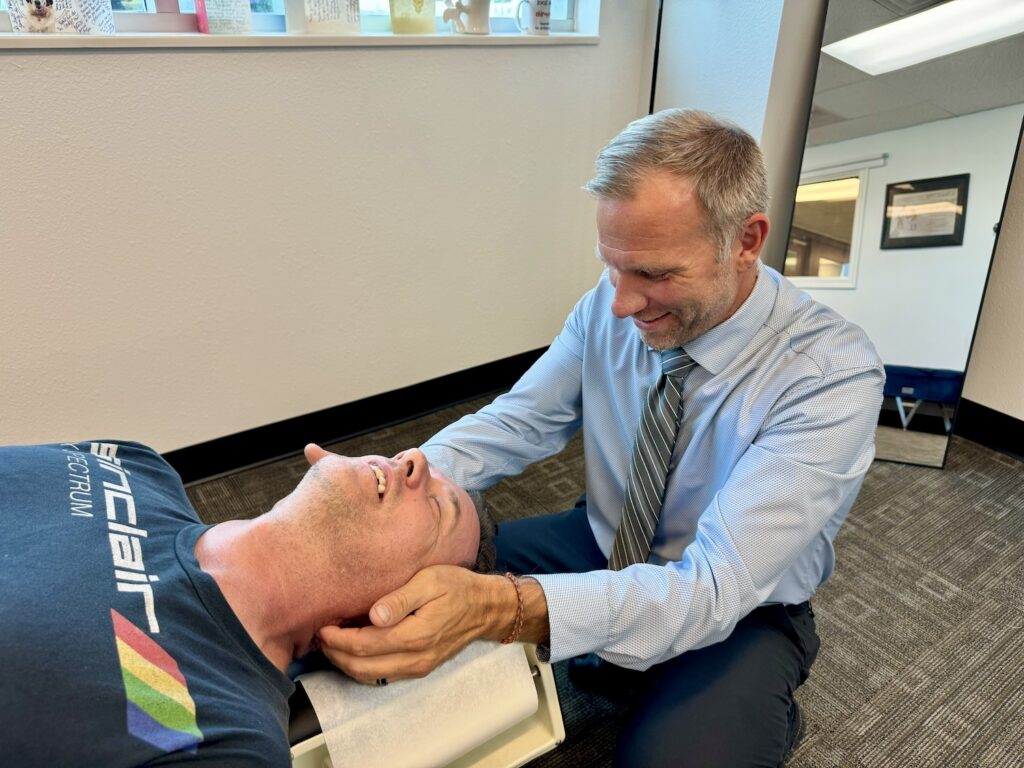
As a local chiropractor, I understand that many of you may be struggling with back pain, and I want to encourage you to explore alternative approaches for relief. Chiropractic care is one of the most effective methods for managing discomfort and promoting healing in a natural way. Unlike traditional medicine, which often focuses on symptom relief, chiropractic care addresses the underlying issues and helps restore balance to your body.
In addition to chiropractic adjustments, many of my patients have found success with complementary therapies such as acupuncture and massage therapy. These techniques can work in harmony with chiropractic care to alleviate pain and enhance your overall well-being.
But there are also many other strategies worth considering. From mindful exercises like yoga and Pilates to lifestyle adjustments and ergonomic improvements, there are numerous options available that may significantly impact your pain management journey. Let’s take a closer look together at these alternatives, and I can help you find the best combination of treatments tailored to your needs. Your path to relief could be closer than you think!
Acupuncture for Pain Management
If you’re dealing with back pain, I encourage you to consider various natural healing options, including acupuncture. This ancient technique involves the insertion of thin needles into specific points on your body to help stimulate energy flow and promote healing.
Research indicates that acupuncture can effectively alleviate pain by encouraging the release of endorphins, which are your body’s natural painkillers.
In my experience, many patients find that acupuncture sessions can relieve tension in their back muscles, leading to improved mobility. A common feedback I hear is that individuals feel a deep sense of relaxation during and after their treatments, which plays a crucial role in managing chronic pain.
Before you explore acupuncture, it’s essential to have a conversation with your healthcare provider, especially if you’re taking medications or have existing health conditions.
As a chiropractor, I can help you navigate these options and ensure that any treatment you pursue fits well with your overall health strategy. With the right approach and professional guidance, acupuncture could complement your chiropractic care and enhance your pain management plan.
Chiropractic Adjustments
As a local chiropractor, I want to share how chiropractic adjustments can be an effective solution for relieving back pain, particularly when paired with complementary therapies like acupuncture.
By focusing on realigning the spine, our adjustments not only alleviate discomfort but also restore proper function and mobility, allowing you to move freely and comfortably.
Here are three key benefits you may experience from chiropractic care:
- Pain Relief: Many patients report feeling immediate relief following an adjustment. This can make daily activities much more manageable and enjoyable.
- Improved Range of Motion: Regular chiropractic adjustments can enhance your flexibility, enabling you to participate in the activities you love without limitations.
- Enhanced Overall Well-Being: Beyond physical relief, chiropractic care can positively impact your mood and energy levels, promoting a sense of well-being both mentally and physically.
If you’re experiencing back pain, I encourage you to consider chiropractic adjustments as part of your holistic pain relief strategy.
This natural approach could significantly enhance your quality of life, helping you feel your best every day.
I’m here to guide you on your journey to better health!
Yoga for Back Strength and Flexibility
As a local chiropractor, I often encounter patients seeking immediate relief for their back pain. While quick fixes can be tempting, I want to emphasize the long-term benefits of incorporating yoga into your wellness routine. Unlike conventional treatments that may only address symptoms, yoga focuses on building strength and flexibility, which are essential for maintaining a healthy spine.
Regular yoga practice can significantly enhance your core strength, providing the support your spine needs and reducing the risk of injuries. Certain poses, such as Downward Dog and Cobra, not only stretch but also strengthen your back muscles. This contributes to improved posture and spinal alignment, which are crucial for overall back health.
You don’t need to be a yoga expert to reap these benefits; even gentle classes can be incredibly effective. By concentrating on your breath and movements, you can help release tension that may be contributing to your discomfort. As you continue to practice, you’ll likely notice an increase in flexibility, which can ease tightness in your back.
Additionally, yoga promotes mindfulness, which plays a vital role in stress management. Stress often exacerbates pain, so learning to be present in your body can be transformative.
With consistent practice, you’ll not only find relief from discomfort but also enhance your overall physical well-being. I encourage you to roll out your mat and explore the profound impact yoga can have on your back health and overall vitality. Together with chiropractic care, it can be a powerful combination for lasting wellness.
Massage Therapy Techniques
As a local chiropractor, I understand that many of you may be seeking immediate relief from back pain.
While chiropractic adjustments are a key part of healing, massage therapy techniques can also play a significant role in providing both short-term relaxation and long-term benefits for your muscles and joints.
These techniques not only help alleviate discomfort but also promote healing and enhance flexibility.
Here are three effective massage therapy techniques that I recommend considering in your care plan:
- Swedish Massage: This gentle technique employs long, flowing strokes and kneading to relax tense muscles. It enhances blood circulation and helps reduce stress, making it a great complement to your chiropractic adjustments.
- Deep Tissue Massage: If you’re experiencing chronic pain, deep tissue massage can be particularly beneficial. This method targets the deeper layers of muscle and connective tissue, effectively breaking up knots and relieving persistent tension.
- Trigger Point Therapy: This technique involves applying pressure to specific points in the body, helping to alleviate sources of pain. By focusing on these trigger points, we can greatly improve your mobility and overall comfort.
Incorporating these massage techniques into your wellness routine can significantly enhance your journey toward back pain relief.
Together with chiropractic care, they can improve your overall well-being and quality of life.
If you have any questions about how these therapies can work together, don’t hesitate to ask during your next visit!
Mindfulness and Meditation Practices
As a local chiropractor, I want to share with you the powerful benefits of incorporating mindfulness and meditation practices into your daily routine, especially as part of your journey toward relieving back pain.
These techniques not only help you center your mind but also significantly reduce stress—an often overlooked factor that can intensify your discomfort.
By practicing mindfulness, you can develop a deeper awareness of your body and its sensations. This heightened awareness allows you to identify areas of tension and discomfort, which is crucial for effective healing.
I recommend starting with just a few minutes of meditation each day. Find a quiet space where you can relax, close your eyes, and focus on your breath.
When thoughts come to mind, simply acknowledge them without judgment, and gently guide your focus back to your breath.
Another effective technique is body scan meditation. This involves mentally checking in with different muscle groups, which can promote relaxation and help you understand where tension resides in your body.
Over time, these practices won’t only enhance your coping skills but also empower you with a greater sense of control over your pain.
Embracing mindfulness and meditation can nurture a more peaceful mindset and potentially alleviate your back discomfort.
As your chiropractor, I encourage you to explore these natural healing methods alongside your chiropractic care for a holistic approach to your health and well-being.
Herbal Remedies and Supplements
As a local chiropractor, I often see patients seeking relief from back pain, and I want to share some natural solutions that can enhance your healing journey. Incorporating herbal remedies and supplements into your wellness routine can be a great way to complement your chiropractic care.
Here are three options that I recommend you consider:
- Turmeric – This vibrant spice is renowned for its powerful anti-inflammatory properties. Incorporating turmeric into your diet or taking it as a supplement can help reduce pain and swelling in your back, providing you with much-needed relief.
- Devil’s Claw – With a long history of use in traditional medicine, Devil’s Claw is known for its pain-relieving effects. Many of my patients have reported significant improvements in their back pain after using this herb, making it a worthwhile addition to your natural health regimen.
- Magnesium – As an essential mineral, magnesium plays a crucial role in muscle relaxation. By helping to ease muscle tension, it can address one of the common contributors to back pain. Ensuring you get enough magnesium may enhance your overall comfort and support your recovery process.
By combining these natural remedies with chiropractic adjustments, you can create a holistic approach to managing your back pain and improving your overall well-being.
Always consult with me or your healthcare provider before starting any new supplements to ensure they’re appropriate for your specific needs.
Physical Therapy Alternatives
As a local chiropractor dedicated to helping you manage back pain, I want to share some effective alternatives to traditional physical therapy that can enhance your recovery and well-being.
Chiropractic care is one of the most impactful options available. It involves spinal manipulation techniques that realign your spine, promoting better mobility and significantly alleviating pain.
You may also want to consider acupuncture, a holistic practice where fine needles are strategically placed to stimulate healing and relieve tension. Many of my patients find this approach effective in managing discomfort and restoring balance to their bodies.
Incorporating yoga into your routine can be another wonderful alternative. It combines gentle stretching and strengthening exercises that not only improve flexibility but also enhance your posture, which is crucial for long-term back health.
Similarly, Pilates focuses on core strength and stability, which are essential for supporting your spine and preventing future pain.
Additionally, massage therapy can be a fantastic complement to chiropractic adjustments. It helps release tight muscles, improve circulation, and promote relaxation, all of which contribute to pain relief.
Lastly, I encourage you to explore biofeedback techniques. This method teaches you how to control physiological functions by providing real-time feedback, empowering you to manage your pain effectively.
These alternatives can work in harmony with chiropractic care, equipping you with the tools you need to regain mobility and reduce discomfort on your journey to recovery.
Hot and Cold Therapy
As a local chiropractor, I often see patients struggling with back pain, and I want to share an effective approach that can provide quick relief: hot and cold therapy.
Heat therapy is fantastic for relaxing tight muscles and enhancing blood circulation, which can help alleviate discomfort. On the other hand, cold therapy is useful for reducing inflammation and numbing sharp pain, giving you a reprieve from acute issues.
Understanding how to properly use these techniques can significantly benefit your recovery and overall well-being.
Let’s dive into how you can incorporate hot and cold therapy into your routine to support your healing journey.
Benefits of Heat Therapy
As your local chiropractor, I understand that back pain can be an ongoing challenge in your life. One of the natural and effective methods we often recommend for relief is heat therapy. By applying heat to the affected areas, you can experience significant benefits that help alleviate discomfort.
Here are three key advantages of using heat therapy that you may find helpful:
- Enhanced Blood Flow: Heat therapy works by dilating your blood vessels, which improves circulation. This increased blood flow delivers essential nutrients to your muscles and tissues, facilitating the healing process.
- Muscle Relaxation: Applying heat helps to relax tight muscles, alleviating tension and discomfort. This can be particularly beneficial if you’ve been experiencing muscle stiffness due to strain or injury.
- Pain Relief: The warmth from heat therapy can help to block pain signals sent to the brain, providing you with a soothing sensation that can make a significant difference in your daily comfort levels.
Incorporating heat therapy into your routine is a simple yet impactful way to manage back pain and improve your overall well-being.
Whether you choose a heating pad, a warm bath, or a hot water bottle, finding the right method for you can provide the relief you need to enjoy your daily activities again.
If you have any questions or would like further guidance on incorporating heat therapy into your self-care routine, please feel free to ask during your next visit!
Advantages of Cold Therapy
As your local chiropractor, I want to take a moment to share the incredible benefits of cold therapy, especially for those of you who may not be familiar with its natural healing properties.
Cold therapy is an effective method to reduce inflammation and dull sharp pain, making it an excellent choice for treating acute injuries. When you apply cold, it constricts blood vessels, which helps minimize swelling and slows down nerve signals, providing you with quick relief from discomfort.
Additionally, cold therapy can be quite helpful in managing muscle spasms, allowing you to regain mobility more easily. I often recommend using cold packs right after an injury or during flare-ups, as they can prevent further damage and promote a quicker recovery.
One of the best things about cold therapy is its simplicity; you can easily incorporate it into your home care routine.
Whether you’re dealing with back pain, sprains, or other acute conditions, embracing cold therapy might just provide you with the effective relief you need.
If you have any questions about how to best utilize cold therapy or how it fits into your overall healing journey, feel free to ask during your next visit!
Application Techniques Explained
As a local chiropractor, I want to help you understand the effective application techniques for hot and cold therapy, which can significantly enhance your pain relief journey.
When utilized properly, these methods can provide substantial relief from back pain. Here’s a straightforward guide on how to apply them:
- Cold Therapy: Start by using ice packs wrapped in a cloth. Apply them to the affected area for 15-20 minutes. This technique is excellent for reducing inflammation and numbing sharp pain, particularly after physical activity or strain.
- Heat Therapy: For muscle relaxation and improved blood flow, use a warm towel or heating pad. Apply this for 15-30 minutes. This method works best for chronic pain or stiffness, helping to soothe tight muscles.
- Alternating Methods: Don’t hesitate to alternate between heat and cold. Begin with cold therapy to minimize swelling, then switch to heat to relax your muscles. This combination can be particularly effective in managing discomfort.
By incorporating these techniques into your routine, you can take significant steps toward alleviating your pain and enhancing your overall well-being.
Biofeedback and Pain Control
As a local chiropractor, I want to introduce you to an effective method for managing back pain: biofeedback. This innovative approach teaches you how to recognize and control your body’s physiological functions, which can significantly aid in your pain relief journey.
During biofeedback sessions, we use sensors to monitor vital bodily processes such as heart rate and muscle tension. This real-time feedback allows you to see how your body responds to various stimuli.
You’ll learn how to modify these functions through techniques like relaxation and mindfulness, which can help alleviate your pain and enhance your overall well-being.
In our sessions, you’ll practice helpful strategies, including deep breathing and visualization, while observing your body’s responses. As you become more aware of how stress and pain affect you, you can develop effective coping mechanisms.
Over time, many patients find that they can reduce their pain levels without relying solely on medication.
Biofeedback empowers you to take an active role in managing your pain. It’s a gentle, non-invasive technique that can complement your chiropractic care and other treatments, enabling you to regain control over your body and improve your quality of life.
I encourage you to consider incorporating biofeedback into your healing journey for a more holistic approach to pain management.
Lifestyle Changes for Prevention
As your local chiropractor, I want to emphasize that while it’s important to manage any existing back pain, making proactive lifestyle changes can significantly lower your chances of experiencing issues in the future.
By implementing a few simple adjustments, you can enhance your overall well-being and help prevent pain from returning. Here are three essential changes to consider:
1. Stay Active: Engaging in regular exercise is key to strengthening your core and back muscles, which in turn provides better support for your spine.
I recommend incorporating a balanced routine that includes cardiovascular activities, strength training, and flexibility exercises to promote spinal health.
2. Improve Posture: Whether you’re sitting at your desk, lifting heavy items, or even standing, maintaining proper posture is crucial in preventing strain on your back.
Consider using ergonomic furniture and always pay attention to your body alignment, as this can make a world of difference in your spinal health.
3. Manage Stress: It’s important to recognize that chronic stress can lead to muscle tension and discomfort.
To counteract this, I encourage you to explore relaxation techniques such as meditation, deep breathing exercises, or yoga. These practices can help alleviate tension and foster a sense of calm.
By embracing these lifestyle changes, you’re not only taking steps to prevent future back pain but also enhancing your overall quality of life.
As your chiropractor, I’m here to support you on this journey towards better health and well-being.
Conclusion
As a local chiropractor, I want to share how incorporating alternative approaches for back pain relief can significantly improve your overall well-being. Many of you may not be familiar with chiropractic care, but it is a natural and effective method to help manage discomfort and promote better health.
Chiropractic adjustments focus on aligning the spine and improving nervous system function, which can lead to reduced pain and enhanced mobility. In addition to chiropractic care, other methods such as acupuncture and yoga can offer unique benefits tailored to your needs.
It’s also important to consider complementary practices like mindfulness, hot and cold therapy, and making lifestyle changes to prevent future issues. By exploring these diverse options, you can take an active role in managing your pain and discovering what works best for you. Ultimately, this journey can lead to a more active and fulfilling life, free from the limitations of back pain.