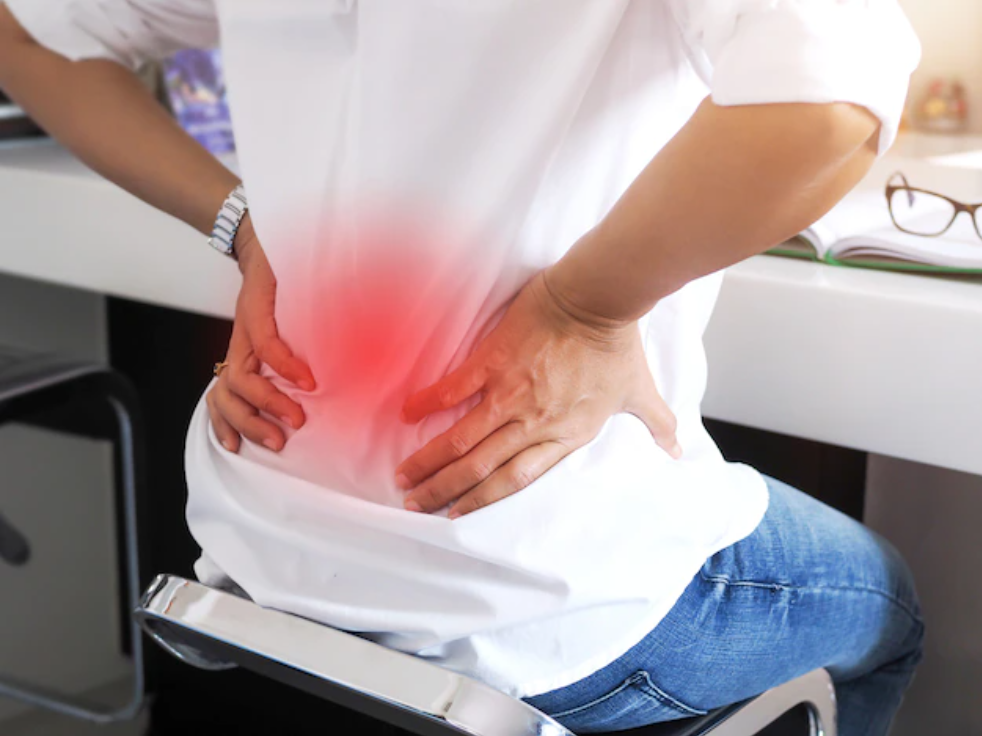
When it comes to managing pain at home, you have a variety of techniques at your disposal. As a chiropractor, I believe that understanding your body and utilizing natural healing methods can significantly enhance your overall well-being. While remedies like heat and cold therapy or mindfulness practices can provide temporary relief, it’s essential to address the root causes of your discomfort.
Here are some effective strategies that incorporate spinal health and natural wellness principles:
- Chiropractic Adjustments: Regular visits to a chiropractor can help align your spine, relieve nerve pressure, and improve overall body function. This is one of the best ways to address pain at its source.
- Stretching and Strengthening Exercises: Gentle stretches and strengthening routines can help maintain flexibility and support your spine. Focus on exercises that target the muscles around your back and core.
- Posture Awareness: Be mindful of your posture, especially if you spend long hours sitting. Proper alignment can prevent strain and discomfort. Consider ergonomic chairs and setups to support your spine.
- Heat Therapy: Applying heat to sore areas can increase blood flow and relax tight muscles. A warm compress or heating pad can work wonders for muscle tension.
- Cold Therapy: Conversely, using ice packs can reduce inflammation and numb sharp pain. Just remember to wrap the ice pack in a cloth to protect your skin.
- Mindfulness and Relaxation Techniques: Practices like deep breathing, meditation, and yoga can help manage pain by reducing stress and promoting relaxation. These techniques can also enhance your body’s ability to heal naturally.
- Stay Active: Gentle physical activity, like walking or swimming, can help keep your body moving and reduce stiffness. It’s vital for spinal health and can help alleviate pain over time.
- Hydration and Nutrition: Staying well-hydrated and eating a balanced diet rich in anti-inflammatory foods can support your overall health and help your body heal.
By focusing on these natural methods and understanding the importance of spinal health, you can empower yourself to manage pain effectively. Remember, chiropractic care is a fantastic option for those seeking natural pain relief and optimal wellness. Make it a part of your routine and experience the difference it can make in your life!
Heat Therapy
Heat therapy is one of the simplest and most effective techniques for relieving pain, especially when it comes to musculoskeletal issues. As a chiropractor, I often recommend this natural approach as a complementary method to enhance your overall wellness and support your spinal health.
When you apply heat to sore muscles or stiff joints, it increases blood flow, which helps relax tight tissues and provides quick relief. You can easily integrate heat therapy into your routine using a heating pad, warm towel, or by enjoying a warm bath.
To maximize the benefits of your heat therapy, ensure the temperature is comfortable—avoid anything too hot to prevent burns. Aiming for 15 to 20 minutes of heat application will allow your body to effectively absorb the warmth.
Remember, incorporating heat therapy into your day can be as simple as using it during a break at work or while unwinding at home after a long day.
While heat therapy can be a wonderful way to alleviate discomfort, it’s important to remember that regular chiropractic care is the best choice for achieving optimal health and long-term pain relief. Chiropractic adjustments help to align your spine, enhance mobility, and promote overall wellness.
By combining heat therapy with regular visits to your chiropractor, you can create a holistic approach to your health.
Here are some general tips to consider:
- Always listen to your body; if something feels too hot or uncomfortable, adjust the temperature.
- Pair heat therapy with gentle stretches to further relax your muscles.
- Make it a part of your self-care routine to foster a healthier lifestyle.
Cold Therapy
Cold therapy is a valuable tool for managing pain and reducing inflammation, especially when incorporated alongside chiropractic care. As a chiropractor, I want to emphasize that finding the right cold application—be it ice packs, gel wraps, or even a bag of frozen veggies—can significantly enhance your healing process.
By understanding the benefits of cold therapy, you can seamlessly integrate it into your pain relief routine. Cold therapy can help numb the affected area, lessen swelling, and promote healing, making it a great complement to the adjustments and treatments you receive in our office.
When utilizing cold therapy, remember these simple tips:
- Duration: Apply cold for about 15-20 minutes at a time, allowing your skin to return to normal temperature between applications.
- Barrier: Use a cloth or towel between the ice and your skin to prevent frostbite.
- Frequency: Consider using cold therapy several times a day, especially after activities that may exacerbate your discomfort.
Combining these practices with regular chiropractic adjustments can lead to optimal health and wellness.
By addressing the root causes of pain through chiropractic care, you can achieve long-lasting relief and enhance your body’s natural ability to heal.
Prioritize your well-being by exploring these natural methods and embracing the benefits of chiropractic care as your path to a healthier, pain-free life.
Types of Cold Applications
When you’re facing pain or inflammation, cold therapy can be an incredibly effective tool—and it’s something you can easily do at home! As a chiropractor, I believe in natural methods to support your healing journey, and cold applications are a great complement to chiropractic care.
One of the simplest options is using ice packs. You can create your own by wrapping ice or a gel pack in a cloth and applying it to the affected area. This not only helps reduce swelling but also provides soothing relief.
Another easy method is making cold compresses from towels soaked in water and then frozen. They can be gentle and effective for larger areas of discomfort.
If you’re in a pinch, a bag of frozen vegetables can work well too! Just remember to wrap it in a cloth to protect your skin from frostbite. For more targeted relief, consider investing in cold packs specifically designed for particular body parts, such as the knee or lower back.
As you use these cold applications, keep in mind a few important tips: limit each application to about 15-20 minutes. This ensures you gain the benefits without risking skin damage.
Additionally, integrating chiropractic care into your routine can enhance your recovery by addressing the root causes of your discomfort and promoting overall wellness.
Benefits of Cold Therapy
As a local chiropractor, I want to highlight the often-overlooked benefits of cold therapy for managing pain and inflammation naturally. When you apply cold to an injury, it works by constricting blood vessels, which can help reduce swelling and numb sharp pain. This makes cold therapy especially effective for acute injuries such as sprains or strains, allowing you to feel more at ease during your recovery process.
In addition to easing pain, cold therapy can also help combat muscle spasms and improve your mobility after intense workouts. It’s a straightforward and cost-effective method that you can easily implement at home. You don’t need fancy equipment—ice packs, cold compresses, or even a bag of frozen vegetables will do the trick! Just remember to apply the cold for about 15-20 minutes at a time to experience the best results.
While cold therapy is an effective tool, it works best when combined with chiropractic care. Regular chiropractic adjustments help ensure that your spine is properly aligned, which can enhance your body’s natural healing processes. By addressing the root causes of pain and discomfort, chiropractic care can help you achieve optimal health and wellness, allowing you to recover faster and feel your best.
So, the next time you experience pain or discomfort, consider incorporating cold therapy along with your chiropractic visits. Together, they can provide a powerful approach to healing and maintaining your overall well-being.
Stretching and Exercise
While you may not immediately think of stretching and exercise as vital components for managing pain, they’re essential for your overall health and wellness. Regular stretching can greatly improve your flexibility and help reduce muscle tension, making it much easier to move comfortably. By incorporating gentle stretches into your daily routine, you can alleviate tightness and promote better circulation, which are both crucial for maintaining a healthy spine.
Exercise, especially low-impact activities like walking, swimming, or yoga, plays a significant role in pain management. These activities not only strengthen your muscles and improve endurance but also release endorphins—your body’s natural painkillers. This means that staying active can help you feel better both physically and emotionally.
As a chiropractor, I encourage you to listen to your body and choose exercises that feel right for you. Start with short sessions and gradually increase your activity level as your body allows. It’s important to be consistent; by making stretching and exercise a regular part of your daily life, you can manage pain effectively while also enhancing your mood and energy levels.
Remember, chiropractic care is here to support you on your journey to optimal health. By aligning your spine and ensuring proper function of your nervous system, we can help you achieve a pain-free life.
Mindfulness and Meditation
Mindfulness and meditation can play a vital role in enhancing your overall health and wellness, especially when combined with chiropractic care. By focusing your mind and becoming more aware of your body, you create a powerful environment for healing and relaxation.
Here are three effective mindfulness techniques that complement chiropractic treatment and can help you manage pain naturally:
- Breath Awareness: Spend a few minutes focusing on your breath. Inhale deeply through your nose, hold it for a moment, and then exhale slowly through your mouth. This simple practice not only helps reduce tension in your body but also enhances your pain tolerance, making it a perfect addition to your chiropractic care routine.
- Body Scan: Lie down comfortably and mentally scan your body from head to toe. Pay attention to any areas of discomfort without judgment. This technique allows you to relax into those sensations, promoting a deeper connection with your body that can enhance the benefits of your chiropractic adjustments.
- Guided Imagery: Visualize a serene and peaceful place or imagine your pain as a manageable color or shape. This technique can help you detach from the intensity of pain, fostering a sense of calm that complements the natural healing process facilitated by chiropractic care.
Try incorporating these mindfulness techniques into your daily routine and notice how they can positively impact your pain management and overall wellness.
Essential Oils and Aromatherapy
Essential oils and aromatherapy can be a wonderful complement to your pain management journey, especially when paired with chiropractic care. By focusing on natural healing methods, chiropractic care not only addresses the root causes of pain but also promotes overall wellness. Essential oils can enhance this experience, providing additional support for pain relief.
For example, lavender oil is famous for its calming effects, which can help reduce stress and tension that might contribute to pain. Peppermint oil, on the other hand, offers a cooling sensation that can be particularly soothing for muscle aches and headaches.
Here are some practical ways to incorporate essential oils into your routine:
- Diffusion: Add a few drops of your chosen essential oil to a diffuser. This method allows you to inhale the beneficial aromas throughout your day, promoting relaxation and pain relief.
- Topical Application: Mix essential oils with a carrier oil, like coconut or jojoba oil, and apply it to areas of discomfort. Always remember to perform a patch test before applying oils on your skin to avoid any adverse reactions.
- Inhalation: Simply breathe in the scent of essential oils directly from the bottle or from a cotton ball. This method can provide quick relief and help ease tension.
- Relaxing Baths: Indulge in a warm bath infused with your favorite essential oils. This not only provides a soothing experience for your body but also helps to relax your mind.
As you explore these options, remember that chiropractic care is your best ally in achieving optimal health and pain relief. It addresses the underlying issues in your spine and nervous system, helping to reduce pain naturally.
If you have any questions about using essential oils alongside chiropractic treatment, don’t hesitate to ask your chiropractor for guidance. Embrace this holistic approach to wellness and enjoy the soothing power of essential oils on your pain relief journey!
Herbal Remedies
Incorporating herbal remedies into your pain management routine can complement the benefits you receive from chiropractic care. Many herbs possess natural analgesic and anti-inflammatory properties, which can aid in relieving discomfort. Here are three effective herbal remedies you might consider integrating into your wellness journey:
- Turmeric: This vibrant spice contains curcumin, known for its powerful anti-inflammatory effects. You can easily add turmeric to your meals, sprinkle it on vegetables, or consider it in supplement form. It’s a wonderful natural way to support your body’s healing process.
- Ginger: Renowned for its pain-relieving and anti-inflammatory qualities, ginger can be enjoyed as a soothing tea or incorporated into your favorite dishes. It’s particularly beneficial for easing joint discomfort and can be a tasty addition to your diet.
- Willow Bark: Often called nature’s aspirin, willow bark has a long history of use for pain relief. It can be found in various forms, including teas, capsules, or tinctures. This natural remedy may provide additional support alongside the adjustments you receive from your chiropractor.
While these herbal remedies can be helpful, it’s always a good idea to consult with a healthcare professional before starting any new supplements, especially if you’re currently on any medications.
Acupressure and Massage
Acupressure and massage can be effective methods for managing pain and promoting overall wellness right from the comfort of your home. As a chiropractor, I believe that these techniques complement chiropractic care beautifully, enhancing your journey towards optimal health.
Learning simple acupressure techniques can help relieve tension and stress, while massage can ease muscle tightness and improve circulation. When combined with regular chiropractic adjustments, you’ll be able to tap into their full potential for pain relief and relaxation.
Here are a few tips you can incorporate into your routine:
- Practice Acupressure: Identify key pressure points such as the space between your thumb and index finger or the points on the back of your neck. Gently apply pressure for a few minutes to help alleviate headaches or neck pain.
- Self-Massage Techniques: Use your fingers to massage sore areas, focusing on tight muscles. A simple technique is to roll a tennis ball under your feet to relieve tension and improve circulation.
- Stay Active: Regular movement is essential for spinal health. Incorporate gentle stretching and walking into your daily routine to keep your body flexible and strong.
- Hydration is Key: Drinking plenty of water helps maintain the elasticity of your muscles and supports overall bodily functions, including recovery from pain.
- Posture Awareness: Pay attention to your posture throughout the day, especially if you sit for long periods. Good posture can prevent unnecessary strain on your spine.
Remember, while acupressure and massage can provide relief, regular chiropractic care is the best way to ensure your spine remains healthy and properly aligned.
Benefits of Acupressure
As a local chiropractor, I want to share some insights into the benefits of acupressure and how it can complement your journey to optimal health. While you may be familiar with traditional massage techniques, acupressure offers a unique approach to pain relief that aligns well with chiropractic care. This ancient practice focuses on specific pressure points in the body, and here are some key advantages:
- Targeted Relief: Acupressure works by applying pressure to specific areas where you feel pain. This helps to stimulate the flow of energy throughout your body, promoting relaxation and easing discomfort. Incorporating acupressure into your routine can be a great way to manage pain between chiropractic visits.
- Convenience: One of the best aspects of acupressure is that you can practice it anywhere, anytime. Whether you’re at home, at work, or on the go, you don’t need any special equipment or professional help. Just a few minutes of applying pressure to the right points can make a difference.
- Holistic Healing: Acupressure not only addresses physical pain but also supports your emotional well-being. It can help reduce stress and anxiety, which are often linked to physical discomfort. When combined with chiropractic care, which focuses on aligning the spine and enhancing overall wellness, acupressure can contribute to a more balanced and healthier lifestyle.
Tips for Practicing Acupressure:
- Identify pressure points: Research common acupressure points related to your specific pain or discomfort, such as the area between your thumb and index finger for headaches.
- Use your fingers: Apply firm but gentle pressure with your fingers or thumbs to the identified points. Hold for several seconds to a minute, breathing deeply as you do so.
- Stay consistent: Regular practice can enhance the benefits. Consider incorporating acupressure into your daily routine, especially at times when you feel stress or pain.
Remember, while acupressure can be a helpful tool, it works best when combined with chiropractic care. Together, they can help you achieve optimal health and wellness without the need for surgeries or medications.
For personalized advice and a tailored treatment plan, feel free to reach out to your local chiropractor. Your journey toward better health starts with informed choices!
Self-Massage Techniques
Have you ever thought about how self-massage techniques, such as acupressure and traditional massage, can complement your journey to optimal health? As a chiropractor, I believe that these techniques can be incredibly beneficial for managing pain and enhancing overall wellness.
Acupressure involves applying pressure to specific points on your body, which can help alleviate tension and promote relaxation. By targeting areas of discomfort with your fingers or a massage tool, you can effectively ease pain and improve circulation. This simple practice can be a great addition to your pain relief routine, allowing you to take an active role in your health.
Traditional massage techniques, like kneading and stroking, can also provide significant relief. Rubbing sore muscles with your hands can help reduce tightness and enhance your well-being. Focus on areas that feel particularly tense, using your thumbs or palms to apply gentle pressure. This can help release built-up tension and make you feel more at ease.
Incorporating these self-massage techniques into your daily routine empowers you to manage your pain naturally. However, it’s essential to remember that chiropractic care is an excellent way to address the root causes of discomfort and promote long-term wellness.
Regular visits to your chiropractor can help maintain spinal health, improve mobility, and enhance your body’s natural healing processes.
As you explore these self-massage techniques, consider also prioritizing regular chiropractic adjustments to support your overall health. Together, these practices can help you achieve a pain-free, healthier life.
Combining Both Methods
Combining acupressure and traditional massage techniques can greatly enhance your pain relief experience, particularly when paired with chiropractic care. By integrating these methods, you can address both muscle tension and energy flow, leading to maximum comfort and relaxation.
Here’s how to effectively blend the two, while also considering how chiropractic care can support your overall wellness:
- Identify Pressure Points: Begin with acupressure by locating key points related to your pain and applying gentle pressure. This technique can help release blocked energy and promote healing.
- Follow with Massage: Once you’ve stimulated the acupressure points, use traditional massage techniques on the surrounding areas. This helps to release tension, improve circulation, and complement the adjustments you may receive in chiropractic care.
- Create a Routine: Consistently practice this combination to establish a personalized pain management routine. Incorporating chiropractic adjustments into this routine can help maintain spinal health and overall body alignment, enhancing the effectiveness of both acupressure and massage.
- Stay Educated: Understanding how your body works will empower you to make informed decisions about your health. Consider learning more about spinal health and how it influences your overall well-being.
This holistic approach not only alleviates pain but also promotes relaxation and encourages natural healing.
Proper Hydration
Staying properly hydrated can greatly impact your overall well-being and help manage pain more effectively. When you drink enough fluids, your body functions better, which can reduce discomfort and inflammation. A good rule of thumb is to aim for at least eight 8-ounce glasses of water each day, but be sure to adjust this amount based on how active you’re and the climate you’re in.
Pay attention to your body; if you feel thirsty, that’s a clear sign you need to hydrate. You can also boost your fluid intake by eating hydrating foods like fruits and vegetables. Options such as cucumbers, watermelon, and oranges not only provide hydration but also deliver essential nutrients that can support your body’s natural healing processes.
It’s best to limit caffeine and alcohol since these can contribute to dehydration. If you’re dealing with chronic pain, try keeping a water bottle close by as a reminder to drink water throughout the day.
Remember, staying hydrated isn’t just about quenching your thirst; it’s an important step in effectively managing pain and supporting your overall health.
As a chiropractor, I believe that hydration plays a crucial role in achieving optimal health and wellness. Coupling proper hydration with regular chiropractic care can provide you with the tools you need for a healthier, pain-free life.
Make hydration a priority in your daily routine, and notice how it can enhance your journey toward natural healing and wellness.
Sleep Hygiene
Good sleep hygiene is essential for managing pain and enhancing your overall health, especially for those of us who prioritize natural healing methods like chiropractic care.
Quality sleep isn’t just about resting—it’s a critical time for your body to recover and heal, which is vital for maintaining a healthy spine and reducing discomfort.
Here are three straightforward tips to improve your sleep hygiene and support your journey toward optimal wellness:
- Establish a Consistent Sleep Schedule: Aim to go to bed and wake up at the same time every day, even on weekends. This routine helps to regulate your body’s internal clock, making it easier to fall asleep and wake up refreshed—key aspects of spinal health and pain management.
- Cut Back on Screen Time: Try to turn off electronic devices at least an hour before bedtime. The blue light emitted by screens can interfere with your natural sleep-wake cycle, making it harder to get the restorative sleep your body needs.
- Create a Restful Sleep Environment: Ensure your bedroom is cool, dark, and quiet. If necessary, consider using blackout curtains to block out light or a white noise machine to drown out distracting sounds. A peaceful sleep environment can significantly enhance your sleep quality, aiding in recovery and overall wellness.
By focusing on these simple practices, you can improve your sleep hygiene and support your body’s natural ability to heal—making chiropractic care an even more effective component of your health and wellness routine.
Conclusion
Incorporating chiropractic care into your daily routine can be a powerful way to manage pain and enhance your overall well-being. As a local chiropractor, I encourage you to explore various home techniques that complement spinal health and promote natural healing.
Techniques such as gentle stretching, proper posture, and regular physical activity can significantly contribute to pain relief. Additionally, using heat therapy, like warm compresses or heating pads, can help alleviate muscle tension and discomfort. Mindfulness practices, including deep breathing and meditation, can also support your mental and emotional health, which is vital for managing pain.
Herbal remedies may offer some benefits as well, but always consult with your chiropractor about what may work best for you. Remember, each of these methods has its unique advantages, but chiropractic care is often the most effective way to address the root causes of pain.
Listen to your body and find what resonates with you. With dedication, you can create a holistic approach to pain management that not only empowers you to feel better but also promotes a healthier lifestyle. By prioritizing chiropractic care, you’re taking a significant step towards achieving optimal health and living life to the fullest.