If you’re dealing with chronic back pain, I understand how daunting it can be to seek long-term relief. Many of my patients have tried numerous treatments without finding the right solution. However, I want to share with you some effective, natural strategies that can help manage your pain over time.
As a local chiropractor, I emphasize the importance of a holistic approach to healing. This includes tailored exercise routines designed to strengthen your back and improve flexibility, as well as mindfulness techniques that promote relaxation and stress relief. Each of these methods plays a vital role in your recovery process.
Let’s delve into these options together, so you can take charge of your pain and enhance your overall quality of life. Remember, your journey to wellness is a partnership, and I’m here to guide you every step of the way.
Regular Exercise and Strengthening Programs
As your local chiropractor, I want to emphasize the importance of incorporating regular exercise and strengthening programs into your daily routine. Not only can this approach help ease chronic back pain, but it also plays a crucial role in preventing it from returning.
Engaging in activities such as walking, swimming, or cycling can significantly enhance your flexibility and strengthen the muscles that support your spine. This added support is vital in reducing strain on your back.
Focusing on core strengthening exercises is essential, as a strong core helps stabilize your spine and improve your posture. I recommend incorporating practices like yoga or Pilates into your routine. These activities not only build strength but also promote proper alignment, which is key to maintaining a healthy spine.
Consistency is important in any exercise routine. Aim for at least 150 minutes of moderate aerobic activity each week to reap the benefits.
However, it’s crucial to listen to your body. If you experience pain, don’t push through it. Modify the exercises as needed and don’t hesitate to seek guidance from a professional if you’re unsure.
By making exercise a priority and understanding its role in natural healing, you empower yourself to manage your back pain effectively and enhance your overall well-being.
Mindfulness and Stress Management Techniques
As a chiropractor, I understand that chronic back pain often stems from physical issues, but I want to emphasize that managing stress and practicing mindfulness can significantly enhance your overall experience with pain.
Stress can amplify your discomfort, making it crucial to develop effective coping strategies.
One of the best ways to start is by incorporating mindfulness techniques into your daily life. Practices such as meditation and deep breathing exercises can help you remain present, alleviating anxiety and promoting a sense of relaxation. These techniques aren’t just beneficial for your mind; they also create a positive impact on your body.
I recommend considering journaling as well. This allows you to articulate your thoughts and feelings, which can be a major contributor to stress. Taking a few moments each day to reflect on your emotions and experiences can help you gain clarity and relief.
Additionally, engaging in activities like yoga or tai chi can be incredibly advantageous. These practices blend movement with mindfulness, which can help release tension from both your mind and body.
Alternative Therapies: Acupuncture and Chiropractic Care
As a local chiropractor, I want to take a moment to educate you about some effective alternative therapies for chronic back pain, specifically chiropractic care and acupuncture. Many individuals gravitate towards conventional treatments, but these natural approaches can provide significant relief and enhance your overall well-being.
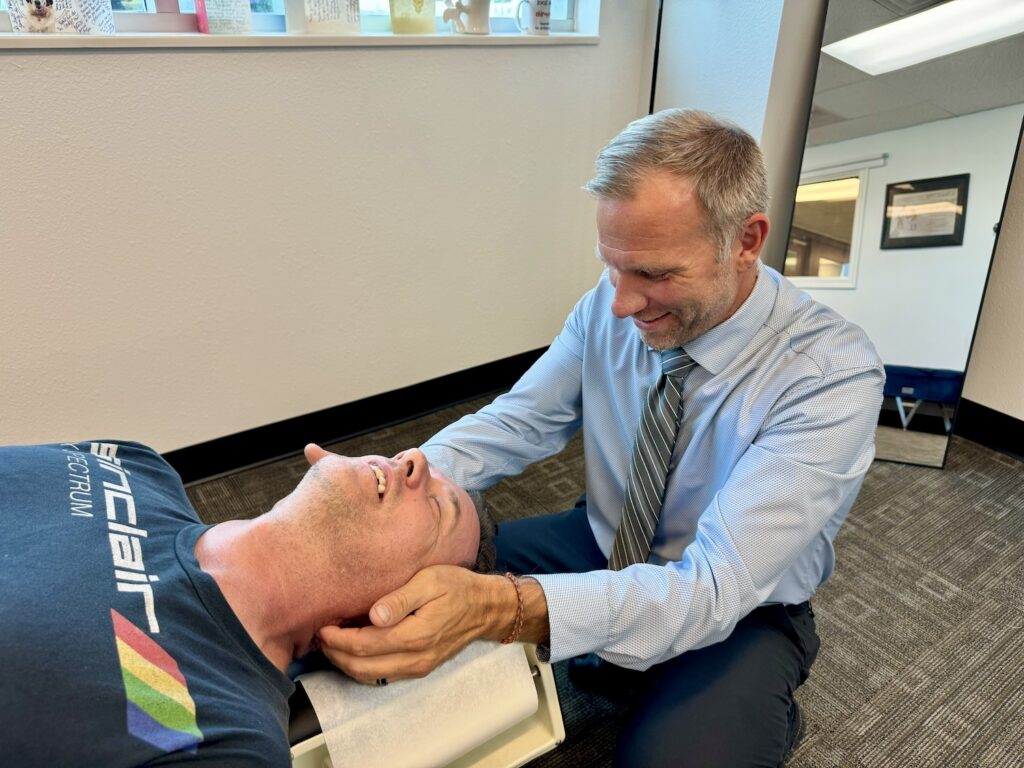
Chiropractic care is centered around the adjustment of your spine and other joints to restore proper alignment. This treatment not only alleviates tension and pain, but it also improves your mobility, enabling you to engage in daily activities with greater ease.
By focusing on the root causes of discomfort, we can create a pathway to long-lasting relief.
Acupuncture, on the other hand, involves the insertion of thin needles into specific points on your body, stimulating your natural healing processes. Many of my patients have found this therapy to be beneficial for reducing pain and enhancing their overall health.
What sets both chiropractic care and acupuncture apart is their emphasis on individualized treatment. During your visits, we’ll tailor a plan that addresses your unique needs and health goals.
Many patients report not only immediate relief but also lasting results that reduce their dependence on medications.
If you’re exploring options for managing chronic back pain, I encourage you to consider these therapies as effective complementary approaches. Together, we can work towards finding the relief you’ve been searching for and help you achieve a healthier, more active lifestyle.
Proper Posture and Ergonomic Adjustments
As your local chiropractor, I want to emphasize the importance of proper posture and ergonomic adjustments in both preventing and managing chronic back pain.
It’s essential to understand that maintaining a neutral spine position while sitting, standing, or moving is key to distributing weight evenly and minimizing strain on your back.
Let’s start with your workstation. Ensuring it’s set up correctly can significantly improve your comfort.
Your chair should provide adequate lumbar support, while your computer screen should be positioned at eye level to avoid unnecessary neck strain.
When you sit, aim to keep your feet flat on the floor and your knees at a right angle.
If you need to lift something, remember to bend at your knees rather than your back. This small adjustment can help you avoid putting extra pressure on your spine.
I also recommend incorporating regular breaks into your daily routine. Taking a few moments to stretch and move around can greatly alleviate tension and discomfort.
By making these simple adjustments and being mindful of your posture, you’re taking proactive steps towards effectively managing your back pain.
As your chiropractor, I’m here to guide you on your journey to better health and comfort through natural healing practices.
Together, we can work towards a pain-free lifestyle.
Nutritional Support and Weight Management Strategies
As a local chiropractor, I want to emphasize that while maintaining good posture and making ergonomic adjustments are important in managing chronic back pain, your diet and weight play significant roles as well.
A balanced diet that includes plenty of anti-inflammatory foods—such as fruits, vegetables, whole grains, and healthy fats—can be highly beneficial in reducing inflammation and alleviating pain. For example, omega-3 fatty acids, which are found in fish and flaxseeds, are particularly effective for this purpose.
Moreover, managing your weight is crucial. Carrying excess weight places additional stress on your spine and back muscles, which can exacerbate your pain. It’s essential to aim for a healthy body weight through regular physical activity and mindful eating.
Additionally, incorporating exercises that focus on strengthening your core and back muscles can enhance your stability and help reduce discomfort.
Conclusion
As your local chiropractor, I want to share some essential long-term strategies that can significantly enhance your journey in managing chronic back pain. By incorporating regular exercise into your routine, you not only strengthen your back but also improve overall mobility. Practicing mindfulness can help you stay present and reduce stress, which often exacerbates pain.
Additionally, exploring alternative therapies, such as chiropractic adjustments, acupuncture, or massage, can provide relief and promote healing in a natural way. It’s also crucial to maintain proper posture throughout your daily activities to prevent unnecessary strain on your back. Lastly, focusing on nutrition can support your body’s healing processes, ensuring you have the right fuel for recovery.
Remember, managing back pain is not just about seeking quick fixes; it’s about cultivating a balanced lifestyle that prioritizes your well-being. Stay consistent with these practices, be patient with your progress, and you’ll likely experience significant improvements in both your pain levels and overall quality of life. I’m here to guide you every step of the way on this journey to better health!