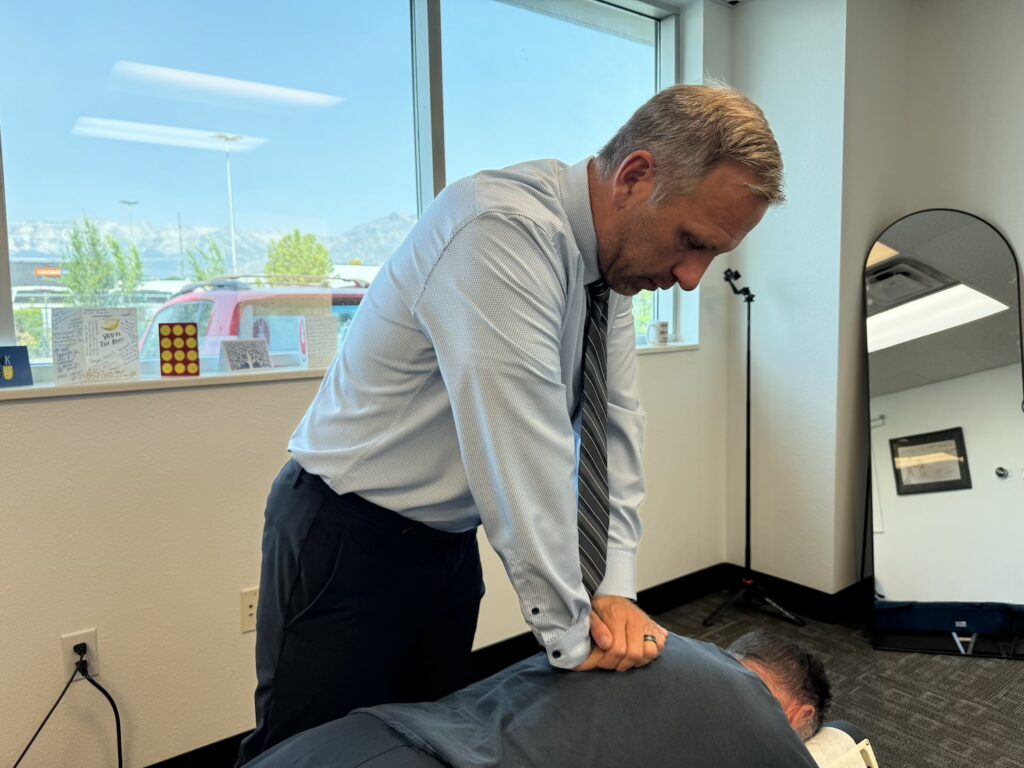
If you’ve ever suffered from tension headaches, you know how much they can disrupt your daily life. As a local chiropractor, I want to share how chiropractic adjustments can be a game-changer in alleviating this discomfort. By focusing on spinal alignment and reducing muscle tension, these adjustments address the root causes of tension headaches, offering you lasting relief without the need for medications or invasive procedures.
But there’s more to it! To truly maximize your headache relief, there are several techniques you can incorporate alongside chiropractic care. Here are some helpful tips to enhance your journey toward wellness:
- Stay Hydrated: Dehydration can contribute to headaches. Make sure you’re drinking enough water throughout the day.
- Practice Good Posture: Poor posture can lead to muscle strain and tension. Be mindful of your sitting and standing positions, especially if you work at a desk.
- Incorporate Stretching: Regularly stretching your neck and shoulders can relieve tension. Simple neck rolls and shoulder shrugs can do wonders.
- Use Heat Therapy: Applying a warm compress to your neck and shoulders can help relax tight muscles and provide relief.
- Manage Stress: Stress is a common trigger for tension headaches. Techniques such as deep breathing, meditation, or yoga can help reduce stress levels.
- Regular Exercise: Engaging in regular physical activity helps improve blood flow and reduce muscle tension. Find an activity you enjoy!
- Get Enough Sleep: Ensure you’re getting quality sleep each night, as fatigue can contribute to tension headaches.
- Limit Screen Time: Prolonged screen time can strain your eyes and neck. Take breaks to rest your eyes and stretch your body.
- Consider Nutritional Support: A balanced diet rich in vitamins and minerals can support overall health. Foods high in magnesium, for example, may help reduce headache frequency.
- Follow Up with Your Chiropractor: Regular chiropractic visits can help maintain spinal health and prevent future headaches. Your chiropractor can provide personalized advice and adjustments tailored to your needs.
By incorporating these techniques alongside chiropractic care, you can take significant steps toward achieving optimal health and well-being. Remember, you don’t have to live with tension headaches—natural relief is within your reach!
Key Takeaways
- Chiropractic adjustments are designed to realign your spine, which helps reduce muscle tension and ease the stress that often leads to tension headaches. By maintaining proper spinal alignment, you can enjoy a more comfortable life.
- Regular chiropractic adjustments can significantly improve blood flow and circulation throughout your body. This not only promotes healing but can also help reduce the frequency of headaches, allowing you to feel your best.
- When your spine is aligned, it can greatly improve your posture. Good posture minimizes the strain on your neck and shoulder muscles, which are common culprits in triggering headaches. Simple changes in how you sit or stand can make a big difference!
- Chiropractic care takes a holistic approach to health. By addressing the root causes of your headaches, we can complement relaxation techniques and lifestyle changes in your journey toward headache relief. This means you’re not just masking the symptoms but working towards a solution.
- Consistent chiropractic adjustments support your body’s natural healing processes. This means you can achieve long-term relief from headaches and reduce their recurrence. It’s all about giving your body the tools it needs to heal itself naturally.
Tips for Headache Relief:
- Stay hydrated: Drinking enough water can help prevent headaches.
- Practice good posture: Pay attention to how you sit and stand throughout the day.
- Take breaks: If you work at a desk, make sure to take regular breaks to stretch and move around.
- Manage stress: Incorporate relaxation techniques, such as deep breathing or meditation, into your daily routine.
- Get regular chiropractic care: Make it a part of your wellness routine to keep your spine healthy and aligned.
By prioritizing these healthy habits and incorporating chiropractic care, you’re taking important steps towards a headache-free life!
Practice Relaxation Techniques
While tension headaches can be quite bothersome, incorporating relaxation techniques into your daily routine can significantly alleviate your discomfort. As a chiropractor, I often emphasize the importance of natural healing methods, and these techniques can complement your chiropractic care for optimal health.
Begin with deep breathing exercises, which not only calm your mind but also help reduce stress that can contribute to headaches. Find a quiet spot, sit comfortably, and focus on your breath. Inhale deeply through your nose for a count of four, hold that breath for four seconds, and then exhale slowly through your mouth for another four. Repeat this process several times to help release tension.
Another effective approach is progressive muscle relaxation. This technique involves tensing and then relaxing each muscle group in your body, starting from your toes and moving all the way up to your neck and shoulders, where tension often accumulates. This practice can help identify areas of tightness and promote relaxation, further enhancing the benefits of your chiropractic adjustments.
Additionally, consider incorporating mindfulness meditation into your daily routine. Spending just a few minutes each day focusing on the present moment can help you let go of worries and stressors that may contribute to tension headaches. This practice aligns well with the holistic approach of chiropractic care, as it encourages a mind-body connection that supports overall wellness.
Remember, while relaxation techniques can provide relief, regular chiropractic care addresses the root cause of tension and promotes spinal health, leading to a more effective and lasting solution for headache relief.
Maintain Good Posture
Maintaining good posture is crucial for preventing tension headaches, as poor alignment can put unnecessary strain on your neck and shoulder muscles. Many people don’t realize how their daily habits can significantly affect their posture. For instance, sitting for long periods with a slouched back can lead to muscle tension and headaches.
As a chiropractor, I want to share some simple yet effective tips to help you improve your posture and support your overall well-being:
| Action | Benefits | Examples |
|---|---|---|
| Sit Up Straight | Reduces strain on neck and shoulders | Use an ergonomic chair to support your lower back |
| Keep Head Level | Alleviates pressure on the spine | Align your ears with your shoulders to maintain balance |
| Take Breaks | Relaxes muscles and prevents stiffness | Stand or stretch every hour to keep your body moving |
By implementing these strategies into your daily routine, you may notice a decrease in tension headaches and other discomforts. Remember that good posture not only enhances your physical health but also boosts your comfort and productivity throughout the day.
Chiropractic care is an excellent way to maintain a healthy spine and promote natural healing. Regular adjustments can help align your spine, reducing muscle tension and improving your overall posture. If you’re struggling with pain or headaches, consider visiting a chiropractor to explore how they can assist you in achieving optimal health. Your body will thank you!
Stay Hydrated
Good posture is just one piece of the puzzle when it comes to preventing tension headaches, but there’s another crucial factor to consider: staying hydrated. Dehydration can contribute to headaches because your brain requires adequate water to function optimally. Even a slight dip in hydration can lead to that familiar tightness in your head.
To keep those pesky headaches at bay, make it a daily habit to drink enough water. A great tip is to carry a reusable water bottle with you wherever you go. This not only serves as a reminder to sip throughout the day but also promotes a healthy lifestyle.
If plain water doesn’t excite you, try adding a splash of flavor with fruits like lemon or berries. This can make hydration more enjoyable!
Listen closely to your body’s signals; if you’re feeling thirsty, it’s crucial to respond to that cue. Incorporating fruits and vegetables with high water content, such as cucumbers or watermelon, is another excellent way to boost your hydration levels.
By prioritizing hydration alongside maintaining good posture, you’re taking effective steps toward preventing tension headaches.
Additionally, regular chiropractic care can support your overall well-being and help address any underlying issues contributing to discomfort. Remember, achieving optimal health is a journey, and small changes can make a significant difference!
Apply Heat or Cold Therapy
When tension headaches strike, many people seek quick relief, and two effective methods that can help are heat and cold therapy. These natural approaches not only ease discomfort but can also complement your overall wellness journey, especially when paired with chiropractic care.
Therapy Options for Headache Relief
| Therapy Type | Benefits | How to Use |
|---|---|---|
| Heat | Relaxes muscles, increases blood flow | Apply a heating pad to the neck or forehead for 15-20 minutes. |
| Cold | Reduces inflammation, numbs pain | Use an ice pack wrapped in a cloth on the forehead or back of the neck for 10-15 minutes. |
| Alternating | Combines the benefits of both | Switch between heat and cold every 10 minutes for optimal relief. |
Applying heat can help soothe tight muscles that may be contributing to your headaches, while cold therapy can numb the pain and reduce any swelling. It’s a good idea to experiment with both methods to find what works best for you.
General Tips for Tension Headaches
- Stay Hydrated: Dehydration can be a major trigger for headaches. Make sure to drink plenty of water throughout the day.
- Maintain Good Posture: Poor posture can lead to tension in the neck and shoulders, which may contribute to headaches. Be mindful of your posture, especially when sitting for extended periods.
- Practice Relaxation Techniques: Stress is another common headache trigger. Techniques like deep breathing, meditation, or gentle yoga can help reduce tension.
- Regular Chiropractic Care: Regular visits to your chiropractor can help ensure your spine is aligned and functioning properly, which can reduce headache frequency and severity.
Incorporate Regular Exercise
Incorporating regular exercise into your routine is a fantastic way to enhance your overall health and can significantly help in alleviating tension headaches. As a chiropractor, I can tell you that movement increases blood flow, reduces muscle tension, and can help relieve those pesky headache symptoms.
Plus, exercise naturally releases endorphins—your body’s own pain relievers—that can lift your mood and give you a sense of well-being.
Here are three effective ways to incorporate exercise into your daily routine for better health and headache relief:
- Walking: Taking a brisk 30-minute walk is a simple yet powerful way to clear your mind and reduce stress. Choose a scenic route to elevate the experience even further. Regular walking can also help improve your posture, which is vital in preventing tension headaches.
- Yoga: Engaging in gentle yoga stretches and breathing exercises can work wonders for releasing tension in your neck and shoulders—common culprits of headaches. Yoga not only enhances flexibility but also promotes relaxation, which is essential for overall wellness.
- Strength Training: Using light weights or resistance bands to strengthen your muscles can support better posture, a key factor in reducing the frequency of tension headaches. By building muscle strength, you can create a more stable foundation for your spine and head, minimizing discomfort.
In addition to these exercises, consider incorporating regular chiropractic visits into your wellness routine. Chiropractic care focuses on aligning the spine and improving your body’s function, which can be an effective way to manage headaches and enhance your overall health.
Manage Stress Effectively
Managing stress effectively is crucial for preventing tension headaches, as stress often leads to muscle tightness and discomfort in the body. As a chiropractor, I understand that the spine plays a significant role in your overall well-being, and addressing stress can significantly improve your spinal health.
To start managing stress, begin by identifying your stressors. Knowing what triggers your tension is the first step in developing strategies for managing them. Regular chiropractic adjustments can help alleviate physical tension and restore balance to your body, making it easier to cope with stress.
Incorporating relaxation techniques such as deep breathing exercises or progressive muscle relaxation can also aid in unwinding and relieving built-up tension. These practices encourage proper posture and spinal alignment, which are essential for overall health.
Mindfulness is another powerful tool. Practicing mindfulness or meditation for just a few minutes each day can help shift your focus away from stressors and promote relaxation. This not only benefits your mind but also supports spinal health by reducing muscle tension.
Engaging in hobbies or enjoyable activities provides a much-needed mental break. Whether it’s gardening, painting, or playing a sport, these activities can help you unwind and reduce stress levels.
Additionally, make time for social connections. Talking with friends or family can offer support and lighten your mood, contributing to overall wellness.
Lastly, setting boundaries is important to protect your time and energy. By managing stress effectively, you not only reduce the risk of tension headaches but also enhance your overall health.
Get Adequate Sleep
Getting enough sleep is vital for preventing tension headaches, and as a chiropractor, I can’t stress enough how important it’s to prioritize your rest.
By improving your sleep hygiene and ensuring you get the right amount of restorative sleep, you can significantly reduce the frequency of headaches and enhance your overall well-being.
Here are some simple tips to help you sleep better:
- Create a Consistent Sleep Schedule: Aim to go to bed and wake up at the same time every day. This helps regulate your body’s internal clock, making it easier to fall asleep and stay asleep.
- Optimize Your Sleep Environment: Keep your bedroom dark, quiet, and cool. Consider using blackout curtains, earplugs, or a white noise machine to create a peaceful setting conducive to sleep.
- Limit Screen Time: The blue light emitted by phones and computers can interfere with your sleep. Try to avoid screens at least an hour before bedtime to help your body wind down.
- Practice Relaxation Techniques: Incorporate calming activities into your bedtime routine, such as deep breathing, gentle stretches, or meditation. These can help lower stress levels and prepare your body for a restful night.
- Stay Active During the Day: Regular physical activity can promote better sleep. Just be sure not to exercise too close to bedtime, as it might energize you instead of helping you relax.
- Consider Chiropractic Care: Regular visits to a chiropractor can help align your spine and improve your overall health. Proper spinal alignment can enhance your nervous system function, which may lead to better sleep quality and reduced headaches.
By implementing these practices, you’ll not only support your sleep but also your spinal health.
Remember, chiropractic care is a natural and effective way to achieve optimal health and alleviate pain.
Prioritize your sleep, and you’ll be on your way to a healthier, headache-free life!
Sleep Hygiene Practices
As a local chiropractor, I want to share how important sleep hygiene isn’t only for your overall health but also for reducing tension headaches. Poor sleep can lead to increased muscle tension and discomfort in your spine, which is why establishing a calming bedtime routine is vital.
Here are three simple practices you can adopt to enhance your sleep hygiene and support your body’s natural healing:
- Limit Screen Time: Aim to turn off your electronic devices at least an hour before bed. The blue light from screens can interfere with your body’s natural ability to fall asleep, which can exacerbate tension in your neck and back. Instead, consider reading a book or practicing relaxation techniques.
- Create a Restful Environment: Make your bedroom a sanctuary for sleep. Keep the room dark, cool, and quiet to promote a deep, restful slumber. You might find it helpful to invest in blackout curtains or a white noise machine to drown out any disruptive sounds. A restful environment helps your spine relax, reducing the likelihood of waking up with tension.
- Stick to a Sleep Schedule: Consistency is key! Try to go to bed and wake up at the same time every day, including weekends. This regularity helps regulate your body’s internal clock, which can lead to better sleep quality and reduced muscle strain.
Implementing these strategies can significantly improve your sleep and support your journey towards better spinal health and overall wellness.
Sleep Duration Importance
Adequate sleep is crucial for maintaining overall health and well-being, particularly when it comes to preventing tension headaches. A lack of sleep hampers your body’s ability to recover, resulting in increased stress and muscle tension—key contributors to those painful headaches you want to avoid. To help your body recharge and promote natural healing, aim for 7 to 9 hours of quality sleep each night.
Establishing a consistent sleep schedule is vital; it signals to your body that it’s time to rest and rejuvenate. Incorporating a calming bedtime routine can further enhance your sleep quality. Simple activities like reading a book, practicing deep breathing, or gentle stretching can help your body unwind.
If you struggle to fall asleep, consider limiting screen time before bed and steering clear of caffeine in the afternoon.
Prioritizing sleep not only lowers your risk of tension headaches but also supports your spinal health and overall wellness. Remember, chiropractic care can be an excellent resource for alleviating pain and promoting better sleep patterns.
Limit Caffeine and Alcohol
To effectively manage tension headaches, it’s important to limit your intake of caffeine and alcohol. Both of these substances can lead to dehydration and may trigger headaches, making it more difficult to find relief. By reducing your consumption, you can help your body feel more balanced and less prone to discomfort.
Here are some simple tips to help you cut back:
- Choose herbal tea over coffee: Opt for caffeine-free herbal teas like chamomile or peppermint. These can help soothe your mind without the jitters that coffee may bring.
- Stay hydrated with water: Instead of reaching for alcoholic drinks, hydrate with plenty of water or sparkling water. This will keep your body well-hydrated and reduce the chances of experiencing headaches.
- Set a daily limit: If you enjoy having a drink, consider limiting yourself to just one per day. When you do indulge, opt for lower-alcohol choices like light beer or wine.
Remember, chiropractic care can also play a vital role in managing headaches. Regular adjustments can help keep your spine aligned, reduce tension in your muscles, and promote overall well-being.
Use Essential Oils
Many individuals experience tension headaches, and as a chiropractor, I believe in exploring natural and holistic approaches to alleviate this discomfort. While chiropractic care is often the most effective way to address the underlying issues contributing to headaches, incorporating essential oils can also enhance your overall wellness journey.
Aromatherapy, particularly with essential oils, offers a soothing method to help reduce headaches. Lavender oil is renowned for its calming properties, making it an excellent choice for alleviating stress that can lead to tension headaches. On the other hand, peppermint oil provides a refreshing sensation that can ease muscle tightness and promote healthy blood flow.
To incorporate essential oils into your routine, consider diluting a few drops of your chosen oil and applying it to your temples and neck. Alternatively, you can inhale the scent directly from the bottle or use a diffuser to create a calming environment in your home or office. Just a small amount can significantly contribute to a relaxed atmosphere.
Remember, everyone’s response to essential oils can differ, so it may take some experimentation to discover which oils work best for you. However, it’s essential to recognize that these oils are a complementary tool to your wellness routine, and regular chiropractic care is the cornerstone for achieving optimal health.
In addition to essential oils, maintaining good posture, staying hydrated, and managing stress through activities like yoga or meditation can further support your health.
Schedule Regular Breaks
When you’re immersed in work or a project, it’s easy to forget the importance of taking a step back. However, scheduling regular breaks is crucial for preventing tension headaches and promoting overall wellness.
Taking short breaks allows your mind and body to recharge, reducing stress and muscle strain. Here are three effective ways to incorporate breaks into your routine, all of which can enhance your health and complement chiropractic care:
- Stretch it out: Stand up and perform some gentle stretches. Focus on your neck, shoulders, and back—areas often affected by poor posture during long hours of work. Stretching can help release built-up tension and improve spinal alignment, making it a great way to support your chiropractic care.
- Go for a walk: Take a few moments to step outside or stroll around your office. Fresh air and movement not only boost circulation but also help clear your mind. Walking is a natural way to enhance your body’s function and can be particularly beneficial for spinal health.
- Practice mindfulness: Spend a few minutes meditating or engaging in breathing exercises. This practice can help center your thoughts, reduce anxiety, and promote relaxation. Mindfulness complements chiropractic care by reducing stress, which can lead to better overall health.
Incorporating these simple habits into your daily routine can greatly enhance your well-being and support your journey towards optimal health.
Conclusion
Incorporating chiropractic adjustments into your routine is one of the most effective ways to alleviate tension headaches and enhance your overall well-being. As a chiropractor, I want to emphasize how vital it is to prioritize natural healing methods. Alongside chiropractic care, practicing relaxation techniques, maintaining good posture, and staying properly hydrated can significantly contribute to reducing headache frequency and intensity.
Don’t underestimate the power of heat therapy! Applying a warm compress to your neck and shoulders can relieve tension and promote relaxation. Regular exercise is also essential—not only does it help reduce stress, but it also improves blood flow and spinal health, both of which are crucial for preventing headaches.
Getting enough sleep is non-negotiable for your health. Aim for a consistent sleep schedule to help your body recover and rejuvenate. It’s also wise to limit caffeine and alcohol, as both can trigger headaches in some individuals.
Incorporating essential oils, such as peppermint or lavender, into your routine can provide soothing relief, too. And remember, taking regular breaks throughout your day can help prevent tension from building up, especially if you work at a desk.
By embracing these strategies, including regular chiropractic care, you’re not just working towards fewer headaches; you’re also investing in a more relaxed and healthier life overall. Trust in the power of chiropractic adjustments as a pathway to optimal health and wellness!