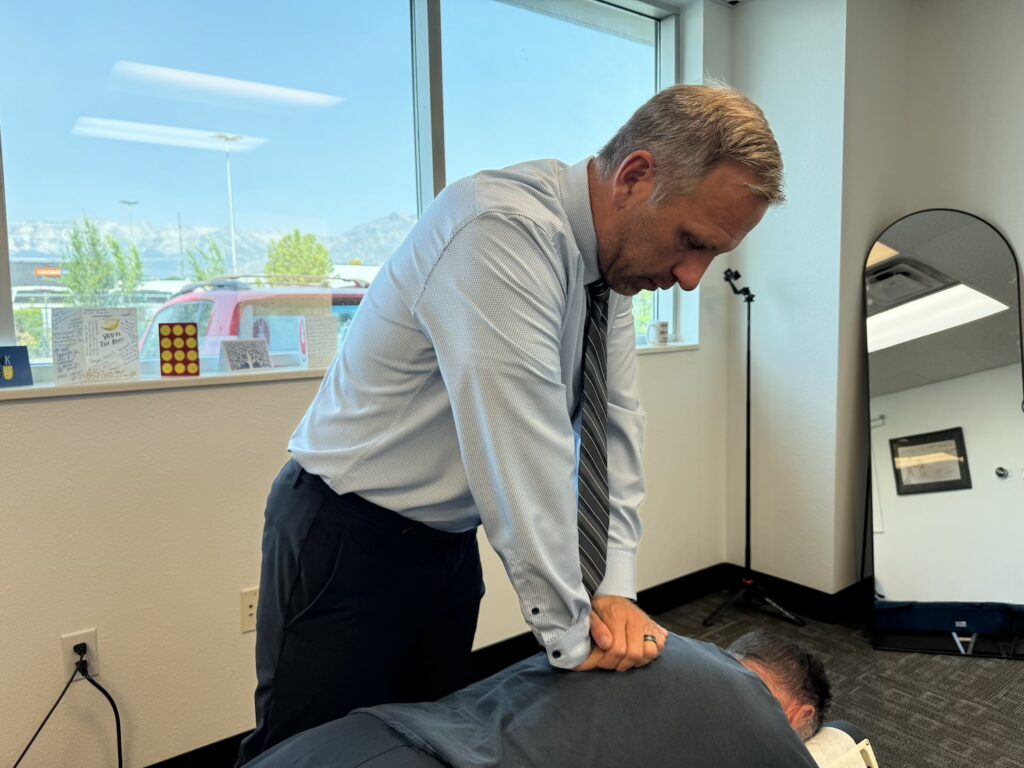
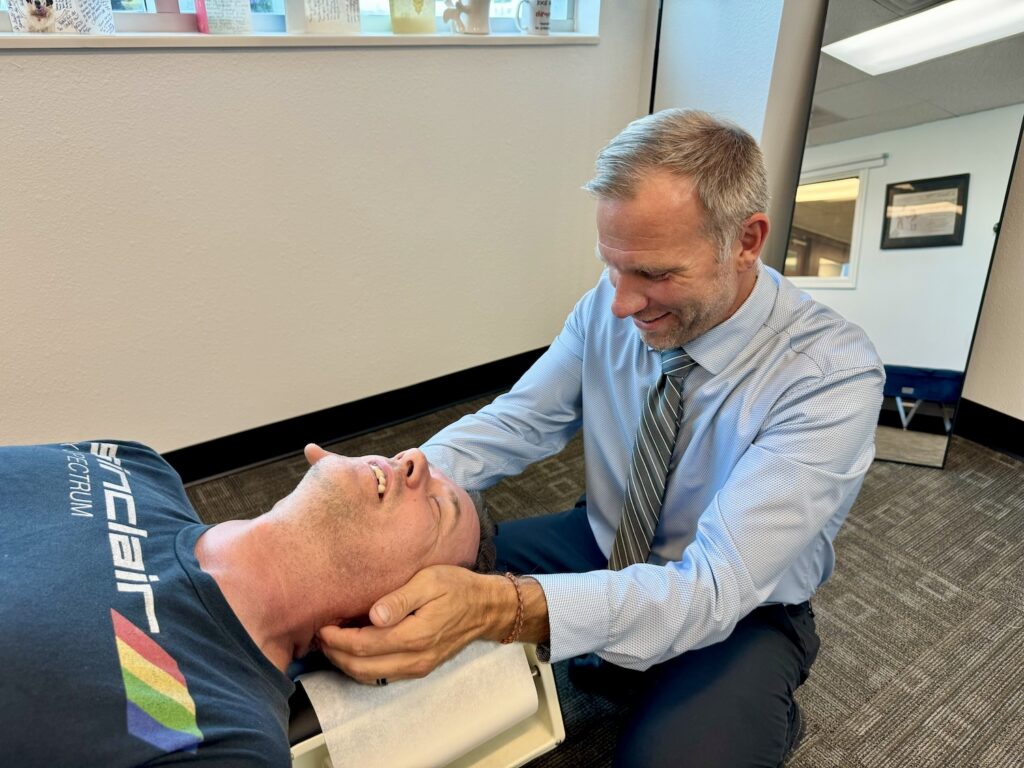
Recovering from a sports injury can seem daunting, but as your local chiropractor, I want to assure you that it doesn’t have to be. There are specific, natural methods you can adopt to support your healing journey effectively. From emphasizing the importance of rest to integrating chiropractic care and physical therapy, each approach plays a crucial role in your recovery.
Understanding these strategies can empower you and put you on the right path to healing. What are the best practices you can incorporate to ensure a smoother recovery? Let’s explore these options together and find the right solutions tailored to your needs. Remember, your body has an incredible ability to heal itself, and with the right guidance, you can recover effectively and get back to doing what you love.
Rest and Active Recovery
As a local chiropractor, I want to emphasize the importance of rest and active recovery when it comes to healing from sports injuries. It’s crucial to understand that recovery isn’t solely about resting in bed; it requires a well-rounded approach that includes listening to your body’s needs.
First and foremost, giving your body the rest it deserves is vital. This means ensuring you get enough sleep, staying well-hydrated, and steering clear of any strenuous activities that could aggravate your injury. Your body has an incredible ability to heal, but it often needs our support to do so effectively.
Now, let’s talk about active recovery. This is where gentle movement can play a significant role in your healing process. Engaging in low-impact exercises such as walking, swimming, or cycling can enhance blood circulation, which is essential for muscle recovery without placing excessive strain on your body.
Additionally, incorporating gentle stretching can help maintain your flexibility and alleviate stiffness, promoting a quicker recovery.
As you navigate your healing journey, remember that combining rest with active recovery methods is a key component of natural healing. If you have questions or need guidance on how to implement these practices safely, I’m here to help you every step of the way.
Ice Therapy
As a local chiropractor, I often see patients struggling with sports injuries, and I want to share how ice therapy can be an essential part of your recovery journey.
Applying ice can significantly reduce swelling and alleviate pain, allowing you to return to your activities more quickly. It’s a simple yet effective method that complements the natural healing process your body undergoes.
Let’s take a closer look at how incorporating ice therapy into your routine can enhance your recovery and support your overall well-being.
Reduce Swelling Effectively
As a local chiropractor dedicated to educating my patients about natural healing, I want to share an effective method for reducing swelling after a sports injury: ice therapy. This technique is essential for managing inflammation and promoting recovery.
When you apply ice to an injured area, it helps constrict blood vessels, which in turn minimizes fluid buildup. To perform this safely, wrap a cold pack or ice in a cloth—never apply it directly to your skin to avoid frostbite. Aim to ice the area for 15 to 20 minutes every hour, particularly within the first 48 hours following your injury.
Additionally, elevating the injured area above heart level while applying ice can significantly enhance the swelling reduction effect. It’s important to pay attention to your body during this process; if you feel excessive discomfort, remove the ice right away.
Staying consistent with this routine is crucial for promoting healing. Ice therapy not only alleviates swelling but also prepares your body for further recovery efforts, setting a solid foundation for your overall healing journey.
Pain Relief Benefits
As your local chiropractor, I want to share some valuable insights about ice therapy and its benefits for pain relief, especially if you’re not familiar with chiropractic care and natural healing methods.
Ice therapy is a simple yet effective approach to manage pain and promote recovery after an injury. Here’s how it can help you:
- Numbs Pain: Applying ice to an injury can act like a local anesthetic. It dulls the nerve endings, offering immediate relief from pain. This is particularly useful for acute injuries or flare-ups.
- Reduces Inflammation: Ice therapy works by constricting blood vessels, which reduces blood flow to the affected area. This helps minimize inflammation, a common source of pain that can hinder your mobility and overall comfort.
- Decreases Muscle Spasms: Cold therapy is also beneficial for relaxing tense muscles. By alleviating muscle spasms, you can reduce the discomfort that often accompanies injuries or overexertion.
- Promotes Healing: By effectively managing pain and inflammation, ice therapy can facilitate a quicker recovery process. This means you can return to your daily activities and hobbies sooner, enhancing your overall well-being.
Incorporating ice therapy into your recovery routine is a natural and effective way to manage pain and support your healing journey.
If you have any questions about how to use ice therapy or other natural healing techniques, feel free to ask during your next visit!
Compression and Elevation
As a local chiropractor, I want to share some important techniques that can significantly support your recovery from sports injuries: compression and elevation. These natural methods can help you heal more effectively.
First, let’s talk about compression. When you apply compression to the injured area, it can help reduce swelling and provide the necessary support to promote healing. I recommend using an elastic bandage or a compression wrap.
Make sure it feels snug but not overly tight, as the goal is to enhance blood flow, which is vital for recovery.
Now, elevation is another crucial technique. By elevating the injured body part above the level of your heart, you can help minimize swelling. This position encourages fluids to drain away from the injury site, which can be especially beneficial in the first 48 hours after you’ve sustained an injury.
I encourage you to keep the affected area elevated as much as possible during this critical time.
Combining these two techniques—compression and elevation—can significantly enhance their effectiveness. Incorporating both methods into your recovery routine can give you the best chance for a swift and effective healing process.
Physical Therapy
When you’re healing from a sports injury, chiropractic care can be a vital component of your recovery process.
Our approach focuses on natural healing methods that not only restore strength but also enhance your overall flexibility. We utilize a variety of techniques tailored specifically to your needs, ensuring a comprehensive plan that promotes healing without the use of invasive procedures or medications.
Benefits of Physical Therapy
As a local chiropractor, I want to emphasize the importance of chiropractic care in your recovery journey after a sports injury. Our approach focuses on natural healing methods that not only promote recovery but also enhance your overall well-being.
Here are some key benefits you’ll experience through chiropractic care:
- Customized Treatment Plans: We create individualized programs tailored to your specific injury and recovery goals, ensuring that you receive the care that best suits your needs.
- Pain Relief Without Medications: Our chiropractic techniques can alleviate pain and reduce inflammation naturally, allowing your body to heal more quickly without relying on pain medications.
- Enhanced Mobility: Through chiropractic adjustments and targeted exercises, we work to improve your range of motion and functionality, helping you get back to your favorite activities sooner.
- Injury Prevention: We educate you on proper body mechanics and provide exercises that strengthen your muscles and joints, significantly lowering the risk of future injuries.
Embracing chiropractic care can be a transformative step in your recovery process, allowing you to heal naturally and effectively after a sports injury.
Let’s guide you on your path to optimal health!
Common Techniques Used
As a local chiropractor, I want to share with you some effective techniques that can support your recovery from sports injuries using natural healing methods.
One of the foundational approaches we use is manual therapy, which involves hands-on techniques to alleviate pain and improve your overall mobility. Additionally, we emphasize therapeutic exercises that help strengthen your muscles and restore proper function.
We also incorporate various modalities such as heat, ice, and electrical stimulation to reduce inflammation and promote faster healing. Myofascial release is another technique we utilize, focusing on relieving tightness in your connective tissue, which can contribute to discomfort and restricted movement.
To enhance your balance and coordination, we often recommend proprioceptive training, which can be especially beneficial during your rehabilitation process. Taping techniques are also available to provide support and minimize strain on areas affected by injury.
By integrating these chiropractic methods into your recovery plan, you’re not only likely to experience a faster healing process but also reduce the risk of future injuries.
It’s important to remember that consistency and commitment to your chiropractic care are vital for achieving effective and lasting results. Together, we can work towards your optimal health and well-being.
Gradual Return to Activity
As a local chiropractor, I understand the eagerness to jump back into your favorite sport after experiencing an injury. However, it’s crucial to approach your return to activity with care to ensure a successful and long-lasting recovery. Rushing back can’t only lead to re-injury but also extend your recovery time.
Here are four important steps to help you ease back into your routine safely and effectively:
- Start Slow: Begin with low-impact exercises, such as walking or cycling. This allows you to assess how your body is responding without putting too much strain on your healing tissues.
- Increase Intensity Gradually: Once you feel comfortable with low-impact activities, you can slowly ramp up the intensity and duration of your workouts. This gradual approach helps your body adapt and strengthens it over time.
- Listen to Your Body: It’s essential to be in tune with your body. Be mindful of any pain or discomfort during your activities. If you notice something doesn’t feel right, take a step back and reduce your activity level.
- Set Realistic Goals: Establish achievable milestones for your recovery. Focus on gradual improvement rather than aiming for perfection. This mindset not only promotes physical healing but also boosts your confidence as you progress.
By following these steps, you can support your body’s natural healing process and reduce the risk of setbacks.
Nutrition and Hydration
As a local chiropractor, I want to emphasize the crucial role that proper nutrition and hydration play in your recovery from sports injuries. Your body requires essential nutrients to heal effectively, and a balanced diet is foundational to this process. Focus on incorporating proteins, healthy fats, and complex carbohydrates into your meals.
Proteins are vital for repairing muscle tissues, while healthy fats can support joint health and help reduce inflammation. I recommend foods like lean meats, fish, nuts, and whole grains to help nourish your body during recovery.
Hydration is just as important as nutrition. Water is key for transporting nutrients throughout your body and maintaining optimal bodily functions. If you become dehydrated, it can significantly slow down your recovery process.
Therefore, make it a habit to drink plenty of fluids throughout the day, especially if you’re participating in physical therapy or light exercises. If you’ve lost fluids through sweat, consider incorporating electrolyte-rich drinks to help replenish what you’ve lost.
For tailored advice on how to optimize your nutrition and hydration based on your specific needs, I encourage you to consult with a nutritionist. By prioritizing these aspects of your health, you’ll be giving your body the best opportunity to recover quickly and effectively.
Mental Health and Mindfulness
As a local chiropractor, I want to emphasize that while physical recovery is crucial, we mustn’t underestimate the profound influence that mental health and mindfulness can have on your healing journey.
Maintaining a strong mental state can significantly aid in coping with the emotional hurdles that often accompany injury, ultimately expediting your recovery.
Here are some effective strategies to enhance your mental well-being, which I encourage you to incorporate alongside your chiropractic care:
- Practice mindfulness: Consider engaging in meditation or deep-breathing exercises. These practices can help you stay grounded in the present moment and alleviate feelings of anxiety.
- Set realistic goals: It’s important to break your recovery into manageable, achievable steps. This approach can boost your motivation and help you maintain focus throughout the healing process.
- Stay connected: Don’t hesitate to reach out to friends, family, or teammates for support. Sharing your thoughts and feelings can significantly reduce stress and improve your overall mood.
- Visualize success: Take time to picture yourself back in action, moving freely and performing at your best. This positive imagery can build resilience and strengthen your determination to heal.
Incorporating these mindfulness practices into your daily routine can greatly enhance your mental health and complement the physical treatments you receive in our chiropractic office.
Together, we can work towards a holistic approach to your overall well-being and recovery.
Conclusion
As a local chiropractor, I want to emphasize that recovering from sports injuries requires a holistic approach. It’s essential to prioritize both rest and active recovery to allow your body to heal properly. Utilizing ice therapy can significantly help in managing pain and reducing swelling, while techniques such as compression and elevation can further support the recovery process.
Incorporating physical therapy into your routine is crucial. This can help you regain strength and flexibility in a safe and controlled manner. It’s also important to gradually return to your activities—listen to your body and don’t rush the healing process. Proper nutrition and staying hydrated play pivotal roles in recovery as well; they provide your body with the essential nutrients it needs to heal.
Additionally, I encourage you to take care of your mental health during this time. Practices like mindfulness can help alleviate stress and keep you focused on your recovery. Stay dedicated to your recovery plan and set realistic goals to maintain motivation on your journey back to peak performance. Remember, chiropractic care can be an invaluable part of your recovery, offering natural methods to support your healing process.