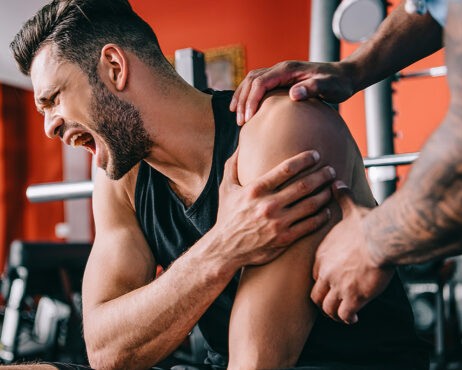
As a local chiropractor, I want to help you understand the recovery process when dealing with a sports injury. Getting back to your peak performance is crucial, and incorporating various therapy techniques can significantly enhance your healing journey. You may not be aware of how chiropractic adjustments, targeted exercises, and even massage therapy can effectively reduce pain and improve mobility.
However, recovery involves more than just physical treatments. It's important to consider the role of nutrition and mental resilience in your overall healing strategy. By exploring these elements, you can discover valuable insights that can make a significant difference in your recovery process. Are you ready to learn about the essential components that can support your healing journey naturally?
Understanding Sports Injuries
As a local chiropractor, I want to emphasize that sports injuries can affect anyone, whether you're just starting out or have years of experience under your belt. The reality is that no one is immune to the risk of injury when engaging in physical activities. By understanding the common types of sports injuries, you can take steps to prevent them and know how to respond if they occur.
Some of the most frequent injuries I see in my practice include sprains, strains, fractures, and tendonitis. Sprains occur when ligaments are stretched or torn, while strains involve injuries to muscles or tendons. Both types of injuries can result from sudden movements or overexertion.
Fractures, which are breaks in the bone, often happen due to falls or high-impact collisions. On the other hand, tendonitis is typically caused by repetitive motions, leading to inflammation and discomfort in the affected area.
It's crucial to recognize the symptoms associated with these injuries. You may notice swelling, bruising, or a limited range of motion. Pain levels can vary, often becoming more intense with movement. If you experience any of these signs, I encourage you to take a moment to evaluate your situation. Ignoring pain or trying to push through it can lead to more severe complications down the road.
By understanding sports injuries, you empower yourself to make informed decisions about your health and well-being. Being aware of what to look for and how to respond can't only aid in your recovery but also help you return to your favorite activities in a safer manner.
Always listen to your body, prioritize your health, and consider chiropractic care as a natural approach to healing and preventing future injuries. Together, we can work towards keeping you active and healthy!
Importance of Recovery Techniques
As a local chiropractor, I want to emphasize the significance of recovery techniques for your overall health and well-being.
These methods play a crucial role in enhancing your healing processes and can significantly reduce the risk of future injuries. By incorporating the right recovery strategies into your routine, you can't only expedite your recovery but also return to your favorite activities with greater strength and resilience.
Understanding the value of these techniques empowers you to take control of your health journey.
Chiropractic care, combined with effective recovery methods, can help you achieve optimal results. Together, we can work towards improving your physical health and preventing future issues, ensuring you remain active and pain-free.
Enhanced Healing Processes
As a local chiropractor, I want to emphasize the vital role that enhanced healing processes play in your recovery journey. When you're injured, it's crucial for your body to have the right conditions to heal effectively. That's where chiropractic care and various natural recovery techniques come into play, helping to speed up your healing and get you back to your daily activities sooner.
Chiropractic adjustments can promote optimal blood flow, alleviate inflammation, and stimulate tissue repair. By addressing misalignments in your spine and joints, we can assist your body in rebuilding itself, ensuring that you regain strength and flexibility.
It's not just about resting; it's about actively participating in your healing process.
In addition to physical treatments, mental recovery is equally important. Techniques such as visualization and mindfulness can boost your resilience and motivation, keeping you focused on your rehabilitation goals.
Prevention of Future Injuries
As a local chiropractor, I want to emphasize that preventing future injuries is just as important as healing from those you've experienced. After enduring the discomfort of an injury, it's vital to arm yourself with the right strategies to protect against future incidents. This is where chiropractic care and natural healing techniques come into play.
Recovery methods, including chiropractic adjustments and targeted exercises, are essential in this journey. Not only do they aid in your healing process, but they also enhance your overall stability and flexibility. Through chiropractic adjustments, we help align your spine and improve your body's function, allowing for more efficient movement. This, in turn, reduces your risk of re-injury.
It's also crucial to address muscle imbalances. We can work together to strengthen weaker areas while ensuring other muscles aren't overstrained. By focusing on these aspects, you're not only healing but also preparing your body for the physical demands of daily life or sports.
Don't forget the significance of proper warm-up and cool-down routines. These practices ready your muscles and joints for activity, significantly lowering the chances of injury.
Physical Therapy Benefits
As a local chiropractor, I want to share the many benefits of chiropractic care for athletes recovering from injuries. By collaborating with a skilled chiropractor, you can create a personalized treatment plan that addresses your specific needs, promoting a quicker and more effective recovery.
Here are some significant advantages you can expect from chiropractic care:
- Pain Relief: Chiropractors employ a variety of techniques, such as spinal adjustments and soft tissue therapy, to alleviate pain and reduce your dependence on medications.
- Enhanced Mobility: By focusing on alignment and joint function, you'll regain strength and flexibility, enabling you to return to your sport with greater confidence.
- Injury Prevention: A comprehensive chiropractic program can help identify and address underlying issues, such as misalignments and muscle imbalances, which can lower your risk of future injuries.
- Individualized Treatment: Your chiropractor will develop a customized plan tailored to your unique situation, ensuring you receive the most effective care.
- Knowledge and Empowerment: You'll learn about your body mechanics and effective recovery strategies, giving you the tools to take control of your health and rehabilitation journey.
Engaging in chiropractic care not only aids in healing but also enhances your overall athletic performance.
You'll discover the importance of proper warm-up and cool-down techniques, as well as how to maintain your body during training. This education is crucial for long-term success and can have a profound impact on your athletic journey.
By choosing chiropractic care, you're making a valuable investment in your health and future, paving the way for a stronger comeback.
Don't underestimate the significance of this step; it's essential for any athlete aiming to recover from injury and reach their peak performance.
Role of Massage Therapy
As a local chiropractor, I want to share the vital role that massage therapy plays in the recovery process for athletes who are dealing with injuries. This natural healing approach is essential not only for alleviating pain and reducing muscle tension, but also for enhancing circulation, which ultimately allows your body to heal more efficiently.
When you're sidelined by an injury, it's crucial to address both the physical and psychological aspects of your recovery. Massage therapy can provide significant relief and foster a sense of well-being that supports your overall healing journey.
During a massage session, the therapist focuses on specific muscle groups that may be tight or inflamed due to your injury. This targeted approach helps to loosen up the affected areas and can also assist in minimizing scar tissue formation. The increased blood flow from massage promotes the delivery of oxygen and nutrients to your muscles, facilitating a faster recovery process.
Moreover, incorporating massage therapy into your rehabilitation plan can help minimize the risk of re-injury. By keeping your muscles flexible and relaxed, you'll be better prepared to return to your sport with confidence. It also enhances your range of motion, making it easier to resume training without discomfort.
We must also consider the psychological benefits of this therapy. Experiencing an injury can lead to feelings of frustration and anxiety, but regular massage sessions can help you regain a sense of control and relaxation. This emotional support is critical for maintaining a positive mindset throughout your recovery journey.
Integrating massage therapy into your rehabilitation plan is a valuable step towards enhancing your recovery process. As a chiropractor, I believe it's an important complement to other natural treatments we may use, ensuring you return to your sport stronger and more resilient than ever.
Innovative Modalities
As a local chiropractor, I often encounter athletes looking for innovative ways to enhance their recovery from injuries and elevate their performance.
Embracing these cutting-edge techniques can give you the advantage needed to bounce back stronger and faster. By incorporating new therapies into your recovery plan, you can effectively alleviate pain, improve mobility, and expedite the healing process.
Let me share some innovative modalities that could benefit you:
- Cryotherapy: This technique involves exposing your body to extremely cold temperatures. It can significantly reduce inflammation and pain, facilitating a quicker recovery from injuries.
- Hydrotherapy: Utilizing water for therapeutic purposes, hydrotherapy can enhance circulation and relieve soreness. This can be achieved through various treatments, including both hot and cold water therapies.
- Acoustic Wave Therapy: This method employs sound waves to stimulate healing, increase blood flow, and promote the regeneration of damaged tissues. It's a non-invasive way to support your recovery.
- Electrical Stimulation: By delivering electrical impulses to the affected areas, this technique can help reduce muscle spasms, improve circulation, and enhance muscle strength, making it an effective part of your recovery regimen.
- Kinesiology Taping: This therapeutic taping method offers support to injured muscles and joints without restricting your movement. It allows for better mobility during the healing process.
Integrating these modalities into your treatment plan can significantly enhance your recovery experience. They not only address specific areas of concern but also contribute to your overall physical resilience.
However, it's essential to consult with a healthcare professional—like a chiropractor—to ensure that any new treatment aligns with your individual needs and recovery goals. Together, we can create a personalized approach tailored just for you.
Nutrition for Recovery
As a local chiropractor, I want to emphasize the crucial role that nutrition plays in your recovery from a sports injury. Proper nutrition can significantly enhance the healing process, making it essential to focus on the right nutrients that support your body's natural healing abilities.
Staying hydrated is also vital, as it helps your body function optimally during recovery.
Timing your nutrient intake can further optimize your healing. For instance, consuming protein-rich foods shortly after an injury can help repair damaged tissues, while vitamins and minerals, like vitamin C and zinc, are essential for inflammation control and healing.
By integrating these nutritional strategies into your recovery plan, you can support your body's natural healing processes and get back to your activities more quickly.
Let's work together to ensure you have the right guidance for both chiropractic care and nutrition for a smooth recovery.
Essential Nutrients for Healing
As a local chiropractor, I want to emphasize the importance of nutrition in your healing process, especially when recovering from a sports injury. Your body requires specific nutrients to effectively repair tissues and reduce inflammation, which can significantly enhance your recovery.
Here are some essential nutrients you should consider incorporating into your diet:
- Protein: This is vital for repairing and building muscle. Look for lean sources such as chicken, fish, eggs, or plant-based options like beans and lentils. Adequate protein intake can support the healing process as your body works to mend itself.
- Omega-3 Fatty Acids: These healthy fats, found in fish oil, walnuts, and flaxseeds, are known for their anti-inflammatory properties. Including omega-3s in your diet can help alleviate inflammation and support your body's natural healing mechanisms.
- Vitamin C: This vitamin is crucial for collagen production, which plays a key role in tissue repair. Adding citrus fruits, strawberries, and bell peppers to your meals can provide a boost of vitamin C, aiding in your recovery.
- Zinc: Essential for cell regeneration and a healthy immune system, zinc is found in foods like nuts, seeds, and whole grains. Ensuring you have enough zinc in your diet can help your body recover more efficiently.
- Calcium and Vitamin D: Both are critical for maintaining bone health and aiding in recovery. Dairy products, fortified foods, and leafy greens can provide these nutrients, which are necessary for strengthening your bones as you heal.
By focusing on these essential nutrients, you can support your body's natural healing processes and promote a faster recovery from your sports injury.
Hydration's Role in Recovery
As a local chiropractor dedicated to your health and recovery, I want to emphasize the vital role that hydration plays in healing from sports injuries. Ensuring you stay properly hydrated can significantly influence your recovery process. Water is essential for nearly every function in your body, particularly in the healing of tissues.
When you sustain an injury, your body needs additional fluids to aid in repairing those tissues and to maintain optimal circulation. This circulation is crucial as it helps deliver the necessary nutrients to the injured area, which can accelerate your recovery.
On the other hand, dehydration can exacerbate inflammation, which can hinder your healing journey. Additionally, it can lead to fatigue, making it more challenging for you to engage in your rehabilitation exercises effectively.
I encourage you to develop a habit of drinking water regularly throughout the day—especially before, during, and after any physical activities.
It's also important to consider electrolytes, which are crucial for recovery. When you sweat, you lose essential electrolytes like sodium and potassium that are vital for muscle function and maintaining hydration levels.
To help replenish these lost nutrients, think about incorporating sports drinks or electrolyte-rich foods into your diet, especially after workouts.
Remember, you don't need to wait until you're feeling thirsty to drink water. Staying ahead of your hydration needs is essential for optimal recovery.
By prioritizing hydration, you're helping to set your body up for a more effective healing process, which will allow you to return to your favorite activities sooner.
As your chiropractor, I'm here to support you in this journey to natural healing and overall wellness.
Timing Your Nutrient Intake
As a local Chiropractor passionate about natural healing, I want to share how timing your nutrient intake can significantly aid your recovery from sports injuries. By consuming the right nutrients at optimal times, you can support your body's healing processes, reduce inflammation, and regain strength more effectively.
Here are some essential strategies to consider:
- Post-Workout Window: It's crucial to consume a combination of protein and carbohydrates within 30 minutes after your workout. This timing helps replenish your glycogen stores and jumpstarts the muscle repair process, which is vital for recovery.
- Frequent, Nutrient-Dense Meals: I recommend eating smaller meals packed with nutrients every 3-4 hours. This approach ensures that your body receives a steady supply of vitamins and minerals that are essential for healing.
- Stay Hydrated: Hydration plays a key role in recovery. Make it a habit to drink water or electrolyte-rich beverages throughout the day, particularly around your meals and workouts. Proper hydration helps your body function optimally and supports the healing process.
- Pre-Bed Protein: Consider incorporating a slow-digesting protein source, such as casein, before bedtime. This can help facilitate muscle repair while you sleep, allowing your body to recover more efficiently.
- Incorporate Omega-3 Fatty Acids: Adding omega-3 fatty acids to your diet can play a significant role in reducing inflammation. For optimal absorption, try to consume them with your meals.
By paying attention to your nutrient intake timing, you can enhance your recovery and support your body's natural healing capabilities.
If you have any questions or would like to learn more about how chiropractic care can complement your recovery journey, feel free to reach out!
Mental Aspects of Healing
As a local chiropractor, I want to emphasize the crucial role that mental aspects play in your recovery from a sports injury. Many people may not realize how significantly your mindset can influence the healing process. A positive outlook can empower you to cope with the frustrations and setbacks that often accompany recovery, while a negative mindset may hinder your progress.
Adopting a growth mindset is essential; it allows you to see challenges as opportunities for improvement rather than obstacles. This perspective can be transformative in how you approach your recovery journey.
In addition to mindset, visualization techniques can be incredibly effective. Picture yourself returning to your sport, performing at your peak. This mental rehearsal not only enhances your motivation but also helps keep your spirits high during your recovery.
Setting realistic, attainable goals is another key aspect of the healing process. Break your recovery down into manageable steps and take the time to celebrate each small victory. These moments of achievement can significantly boost your confidence and reinforce your commitment to healing.
Don't overlook the importance of a strong support system. Surround yourself with friends, family, or teammates who uplift and encourage you. Sharing your feelings and experiences can help alleviate stress and combat feelings of isolation.
Additionally, incorporating mindfulness practices such as meditation or yoga into your routine can help reduce anxiety and sharpen your focus.
Lastly, I urge you to practice patience with yourself. Healing is a process that takes time, and it's important to understand that progress may not always follow a straight path.
Conclusion
As a local chiropractor, I want to share how incorporating various therapy techniques can significantly enhance your recovery from sports injuries. By integrating chiropractic care, physical therapy, massage, and other innovative modalities, you can not only heal more quickly but also improve your overall athletic performance.
It's important to recognize the role of nutrition in your recovery—fueling your body with the right nutrients can make a big difference. Additionally, don't overlook the impact of mental resilience; practices like mindfulness can truly elevate your healing journey.
I encourage you to adopt a holistic approach to your recovery. By addressing both the physical and mental aspects of healing, you'll be well on your way to getting back to your game—stronger, healthier, and more prepared than ever. Let's work together to ensure you reach your full potential!