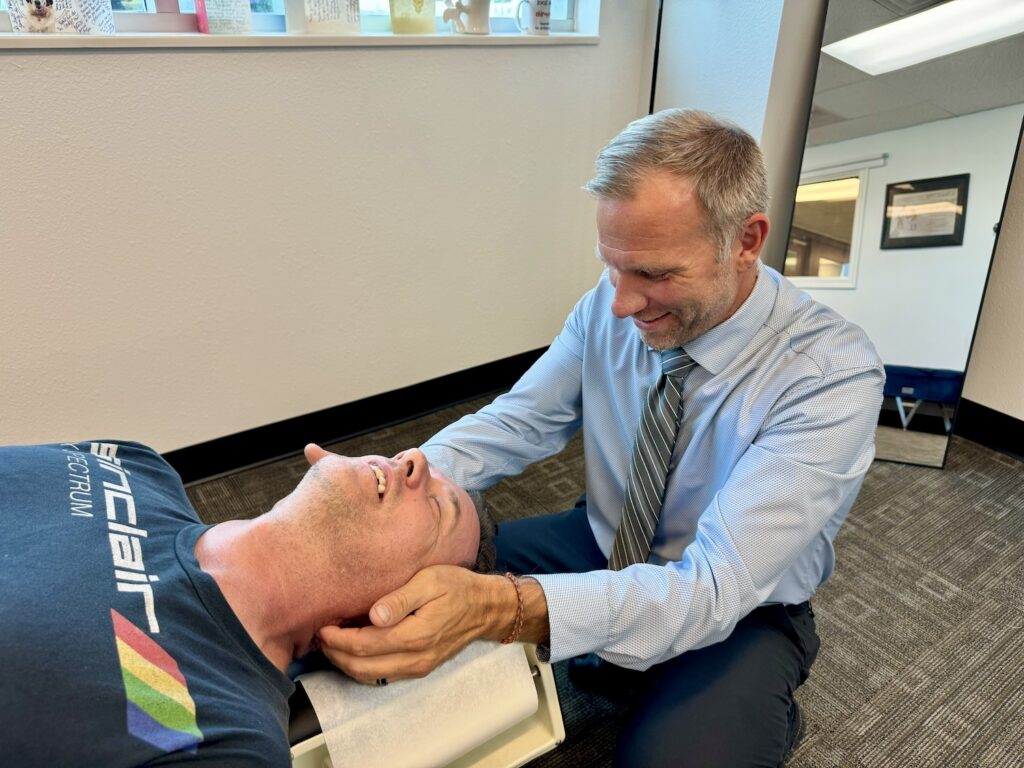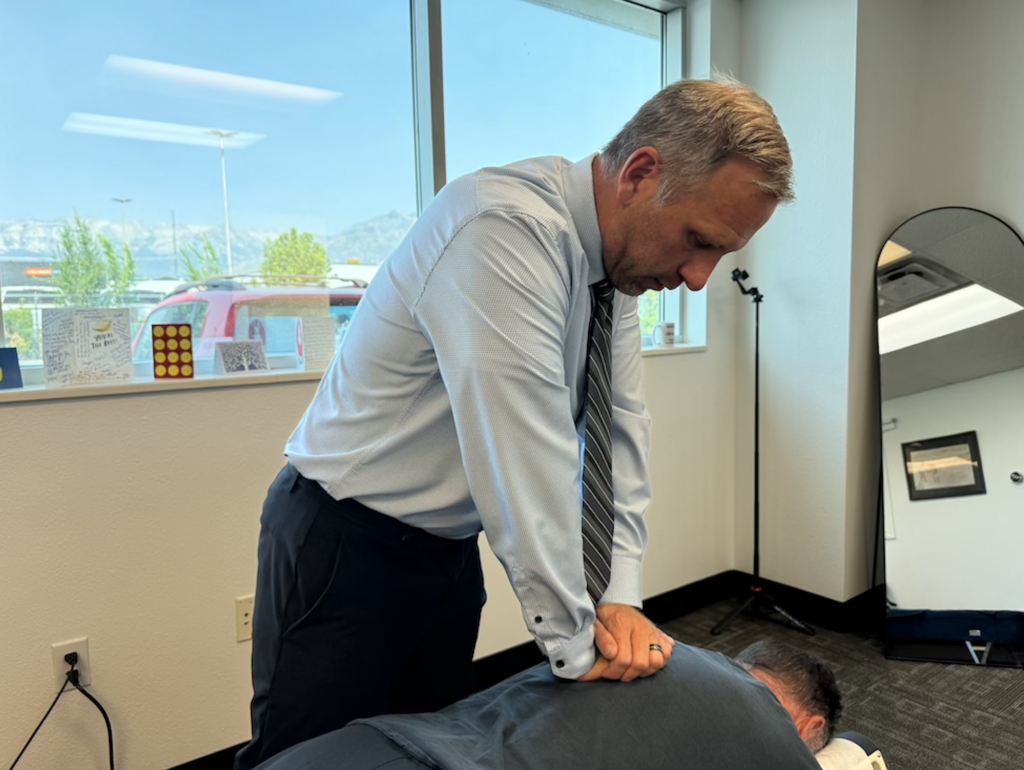

If you’ve been dealing with back pain, you’ve probably heard conflicting opinions about chiropractic care. Maybe a friend swears by it, while someone else warned you against it. Perhaps you’ve wondered whether adjustments are safe, or if they actually work. These are important questions, and if you’re considering chiropractic care here in American Fork, you deserve clear, honest answers based on evidence and real-world experience.
At Life Aligned Chiropractic, we understand that many patients walk through our doors with both hope and hesitation. Back pain affects nearly everyone at some point, and finding safe, effective relief without surgery or medication is a priority for many families in our community. This article will help you understand what the research says, what to expect from care, and how to make an informed decision about whether chiropractic is right for you.
Is chiropractic care safe and effective for back pain? Yes, research consistently shows that chiropractic care is both safe and effective for many types of back pain, particularly acute and chronic lower back pain. Major medical organizations, including the American College of Physicians, recommend spinal manipulation as a first-line treatment option before medication or invasive procedures.
Table of Contents
- What the Research Says About Chiropractic Safety and Effectiveness
- How Chiropractic Care Works for Back Pain
- Understanding the Safety Profile of Chiropractic Adjustments
- What to Expect During Chiropractic Care
- Practical Tips to Maximize Your Results
- When to See a Chiropractor for Back Pain
- Myths vs. Facts About Chiropractic Care
- Final Thoughts from Life Aligned Chiropractic
What the Research Says About Chiropractic Safety and Effectiveness
The question of whether chiropractic care is safe and effective for back pain isn’t just opinion—it’s been studied extensively. Multiple systematic reviews and clinical guidelines now recognize spinal manipulation as an evidence-based treatment option for back pain.
The American College of Physicians published clinical practice guidelines recommending that patients with acute or chronic lower back pain should first try non-pharmacological treatments, including spinal manipulation, before moving to medication. This represents a significant shift in how mainstream medicine views conservative care approaches.
Research published in journals like Spine and reviewed by the Cochrane Library indicates that spinal manipulation can reduce pain intensity and improve function in patients with both acute and chronic lower back pain. Evidence suggests that chiropractic care performs as well as or better than many conventional treatments, often with fewer side effects.
The National Institutes of Health’s National Center for Complementary and Integrative Health acknowledges that spinal manipulation appears to benefit some people with lower back pain and notes that serious complications are rare when performed by trained, licensed practitioners.
Here in American Fork, we see these research findings play out regularly. Patients who come to Life Aligned Chiropractic often report meaningful improvements in pain levels, mobility, and quality of life—outcomes that align with what larger studies have documented.
How Chiropractic Care Works for Back Pain
Understanding how chiropractic care addresses back pain can help you feel more confident about the approach. Chiropractic is based on the relationship between the spine, nervous system, and overall body function.
When spinal joints become restricted or misaligned—often due to injury, poor posture, repetitive stress, or degenerative changes—they can cause pain, muscle tension, and reduced mobility. These restrictions, sometimes called subluxations in chiropractic terms, can also irritate nearby nerves and create inflammation.
Chiropractic adjustments use controlled, specific force to restore normal motion to restricted spinal joints. This can help reduce nerve irritation, decrease muscle tension, improve joint function, and activate the body’s natural healing processes.
But adjustments are just one component. Modern chiropractic care, like what we provide at Life Aligned Chiropractic in American Fork, often includes a comprehensive approach: soft tissue work to address muscle imbalances, rehabilitation exercises to strengthen supporting structures, ergonomic and lifestyle recommendations, and education about proper body mechanics.
The goal isn’t just symptom relief. We aim to address underlying mechanical dysfunction and help patients develop better movement patterns that prevent future episodes of back pain.
The Biomechanics of Back Pain
Your spine is an intricate structure of bones, discs, ligaments, muscles, and nerves working together. When one area doesn’t move properly, neighboring areas often compensate, creating a cascade of dysfunction.
For example, if your lower lumbar vertebrae are restricted, your pelvis may tilt abnormally, your hip muscles may tighten, and your upper back may overwork to maintain balance. Over time, this compensation pattern can lead to widespread pain and fatigue.
Chiropractic care addresses these biomechanical issues by restoring proper joint motion and alignment. This allows muscles to relax, nerves to function without interference, and the body to move more efficiently.
Understanding the Safety Profile of Chiropractic Adjustments
Safety is understandably a primary concern for anyone considering chiropractic care. The good news is that when performed by a licensed, trained chiropractor, spinal manipulation has an excellent safety record.
Serious adverse events from chiropractic adjustments are extremely rare. Research indicates that the risk of a serious complication from lumbar spine manipulation is estimated at less than one in several million adjustments. This makes chiropractic care significantly safer than many common medical interventions, including long-term use of over-the-counter pain medications or opioid prescriptions.
The most common side effects patients experience are mild and temporary. These may include slight soreness in the adjusted area, similar to what you might feel after a new workout, or temporary fatigue as your body adjusts. These effects typically resolve within 24 to 48 hours.
At Life Aligned Chiropractic, we take safety seriously. Before beginning any treatment, we conduct a thorough examination and health history. We screen for conditions that might require modified techniques or medical referral. We also communicate clearly about what you’ll experience and answer all your questions.
Who Should Avoid Chiropractic Adjustments?
While chiropractic care is safe for most people, certain conditions require special consideration or alternative approaches. These include severe osteoporosis, spinal tumors or infections, certain types of fractures, and specific vascular conditions.
A qualified chiropractor will identify these conditions during the examination process and either modify the treatment approach or refer you to the appropriate specialist. This is why choosing a licensed, experienced chiropractor matters.
Patients often ask about age limits. Chiropractic care can be adapted for people of all ages, from infants to elderly adults. The techniques, force, and approach are tailored to each individual’s age, condition, and comfort level.
What to Expect During Chiropractic Care
If you’ve never been to a chiropractor, knowing what to expect can ease anxiety and help you prepare. Your first visit to Life Aligned Chiropractic in American Fork typically includes several components.
We start with a detailed health history, discussing your back pain—when it started, what makes it better or worse, previous treatments, and your overall health. We ask about your daily activities, work environment, exercise habits, and health goals.
Next comes a thorough examination. This includes orthopedic and neurological tests, posture assessment, range of motion evaluation, and palpation to identify areas of restriction, tenderness, or muscle tension. In some cases, we may recommend imaging like X-rays to better understand your spine’s structure.
Once we’ve gathered this information, we’ll discuss our findings with you. We explain what we’ve discovered, what we believe is causing your back pain, and whether chiropractic care is appropriate for your condition. If we determine you’d be better served by a different provider, we’ll make that recommendation.
If we proceed with care, your treatment plan will be individualized. It might include spinal adjustments using various techniques, soft tissue therapy, therapeutic exercises, and lifestyle recommendations. We’ll explain each component and what you should expect to feel.
Most patients describe adjustments as relieving rather than painful. You may hear a popping or clicking sound—this is simply gas releasing from the joint, similar to cracking your knuckles, and is completely normal.
How Long Does Treatment Take?
This varies significantly based on your condition, how long you’ve had symptoms, and how your body responds to care. Acute back pain that’s recent and uncomplicated often responds within a few weeks. Chronic conditions that have developed over months or years typically require longer care.
At Life Aligned Chiropractic, we’re honest about realistic timeframes. We monitor your progress closely and adjust the care plan as needed. Our goal is always to help you achieve maximum improvement in the most efficient timeframe possible.
| Type of Back Pain | Typical Characteristics | Chiropractic Approach |
|---|---|---|
| Acute Lower Back Pain | Recent onset (less than 6 weeks), often from specific incident or movement | Initial intensive care, focus on pain relief and restoring motion, typically improves within 2-4 weeks |
| Chronic Lower Back Pain | Lasting more than 12 weeks, may have multiple contributing factors | Longer care plan addressing underlying dysfunction, rehabilitation exercises, lifestyle modifications |
| Disc-Related Pain | Radiating pain, numbness, or tingling; may worsen with sitting or bending | Gentle techniques, decompression approaches, core strengthening, careful monitoring |
| Postural Back Pain | Develops gradually from prolonged sitting or poor ergonomics | Adjustments combined with ergonomic education, stretching, strengthening exercises |
Practical Tips to Maximize Your Results
Chiropractic care works best when combined with healthy habits and self-care practices. Here are practical, evidence-based recommendations to support your recovery and prevent future back pain episodes.
Stay active with appropriate movement. Bed rest was once recommended for back pain, but research now shows that staying reasonably active promotes faster recovery. Gentle walking, swimming, or low-impact activities can help maintain mobility without aggravating your condition. Always discuss activity modifications with your chiropractor based on your specific situation.
Apply ice and heat strategically. For acute injuries with inflammation, ice for 15-20 minutes several times daily can help reduce swelling and pain. For chronic muscle tension or stiffness, heat may provide more relief by increasing blood flow and relaxing muscles. Many patients benefit from alternating both.
Optimize your sleeping position. How you sleep significantly impacts back health. If you sleep on your back, place a pillow under your knees to maintain the natural curve of your lower back. Side sleepers should use a pillow between the knees to keep the spine aligned. Stomach sleeping generally puts the most strain on the back and should be avoided if possible.
Mind your ergonomics. Whether you work at a desk, stand for long periods, or perform physical labor, proper body mechanics matter. Ensure your computer monitor is at eye level, your chair supports your lower back, and your feet rest flat on the floor. Take regular breaks to move and stretch throughout the day.
Stay hydrated. Your spinal discs are largely composed of water. Proper hydration helps maintain disc height and shock-absorbing capacity. Aim for adequate water intake throughout the day, especially if you’re physically active.
Practice good lifting mechanics. When lifting objects, bend at your knees and hips, not your waist. Keep the object close to your body. Avoid twisting while lifting. If something is too heavy, ask for help or use proper equipment.
Strengthen your core. Your core muscles—including abdominals, back muscles, and hip stabilizers—support your spine. Simple exercises like planks, bird dogs, and bridges can build core strength. We often teach these exercises at Life Aligned Chiropractic as part of a comprehensive care plan.
Manage stress. Psychological stress contributes to muscle tension and can worsen back pain. Techniques like deep breathing, meditation, or gentle yoga can help reduce stress and its physical manifestations.
When to See a Chiropractor for Back Pain
Not all back pain requires immediate professional care, but certain situations warrant evaluation. Understanding when to seek chiropractic care can help you address problems before they become chronic.
Consider scheduling an appointment if your back pain lasts more than a few days without improvement, keeps you from normal daily activities, wakes you at night, or doesn’t respond to basic self-care measures like rest and over-the-counter pain relief.
You should also seek care if you notice back pain that radiates down your leg, is accompanied by numbness or tingling, follows an injury or fall, or seems to be getting progressively worse rather than better.
Many patients wait too long, hoping the pain will simply go away. While some back pain does resolve on its own, addressing dysfunction early often prevents acute problems from becoming chronic conditions. Here in American Fork, we regularly see patients who could have avoided months of discomfort if they’d sought care sooner.
Red Flags That Require Immediate Medical Attention
Certain symptoms indicate potentially serious conditions that require urgent medical evaluation, not chiropractic care. Seek immediate medical attention if you experience loss of bowel or bladder control, progressive weakness in the legs, back pain accompanied by fever or unexplained weight loss, severe abdominal pain along with back pain, or back pain following significant trauma.
At Life Aligned Chiropractic, we’re trained to recognize these red flags. If we identify signs that suggest a condition outside our scope of practice, we’ll refer you to the appropriate medical specialist immediately. Your safety and proper care always come first.
Myths vs. Facts About Chiropractic Care
Myth: Once You Start Chiropractic Care, You Have to Go Forever
Fact: This is one of the most common misconceptions. While some patients choose ongoing wellness care because they value the benefits, you’re never obligated to continue indefinitely. At Life Aligned Chiropractic, we develop care plans based on your specific condition and goals. Many patients complete their initial treatment plan and only return if symptoms recur or for periodic check-ups, similar to dental cleanings.
Myth: Chiropractic Adjustments Are Dangerous and Can Cause Strokes
Fact: This myth stems from confusion about cervical (neck) adjustments and is often exaggerated. Research shows that serious complications from lumbar spine adjustments are extraordinarily rare—less than one in several million treatments. The risk from long-term medication use for back pain is significantly higher. Licensed chiropractors are trained in safety protocols and screening procedures to minimize any potential risks.
Myth: Chiropractors Aren’t Real Doctors
Fact: Chiropractors complete extensive education and training. A Doctor of Chiropractic degree requires at minimum a bachelor’s degree followed by four years of professional chiropractic education, including clinical training. Chiropractors must pass national board examinations and maintain state licensure. While chiropractors don’t prescribe medication or perform surgery, they are portal-of-entry providers qualified to diagnose and treat musculoskeletal conditions.
Myth: There’s No Scientific Evidence Supporting Chiropractic Care
Fact: This couldn’t be further from the truth. Numerous peer-reviewed studies, systematic reviews, and clinical guidelines support the effectiveness of spinal manipulation for back pain. Organizations like the American College of Physicians, the National Institutes of Health, and Cochrane Reviews have evaluated the evidence and recognize chiropractic care as a valid treatment option for certain types of back pain.
Myth: Chiropractic Care Is Only for Back Pain
Fact: While back pain is the most common reason people seek chiropractic care, chiropractors treat a variety of musculoskeletal conditions including neck pain, headaches, shoulder problems, and extremity issues. The principle of restoring proper joint function and reducing nervous system interference applies throughout the body, not just the spine.
Final Thoughts from Life Aligned Chiropractic
Back pain doesn’t have to control your life. Whether you’re dealing with a recent injury or chronic discomfort that’s been with you for years, safe and effective help is available right here in American Fork.
At Life Aligned Chiropractic, we’re committed to providing evidence-based, patient-centered care that addresses the root causes of your back pain, not just the symptoms. We take the time to understand your unique situation, explain our findings clearly, and develop a treatment plan tailored to your needs and goals.
If you’ve been wondering whether chiropractic care might help you, we invite you to schedule a consultation. We’ll conduct a thorough evaluation, answer all your questions, and give you our honest assessment of whether we can help. If chiropractic care isn’t appropriate for your condition, we’ll point you in the right direction.
Our American Fork community deserves access to quality, conservative care options that prioritize safety, effectiveness, and patient education. We’re here to be a trusted partner in your journey toward better health and lasting relief from back pain.
Frequently Asked Questions
How quickly will I feel relief from chiropractic care for back pain?
Many patients experience some degree of relief after their first few adjustments, though this varies considerably. Acute back pain often responds more quickly than chronic conditions. Factors like the severity of your condition, how long you’ve had symptoms, your overall health, and your adherence to home care recommendations all influence your timeline. We typically reassess progress after the first week or two and adjust the care plan accordingly.
Is chiropractic care covered by insurance?
Most major insurance plans include chiropractic coverage, though specific benefits vary. Many plans cover a certain number of visits per year or require copayments. At Life Aligned Chiropractic, we can help verify your insurance benefits and explain what your plan covers. We also offer affordable cash-pay options for those without coverage or who prefer not to use insurance.
Can I see a chiropractor if I have a herniated disc?
Yes, in many cases chiropractic care can be helpful for herniated discs, though the approach must be carefully tailored. Your chiropractor will conduct a thorough examination to determine the severity and location of the herniation. Certain gentle techniques, such as flexion-distraction or specific low-force methods, may be appropriate. If your condition is severe or not responding to conservative care, we may recommend co-management with other specialists or different treatment approaches.
What’s the popping sound during an adjustment?
The popping or cracking sound you hear during an adjustment is called cavitation. It occurs when gas bubbles in the joint fluid are released due to the pressure change created by the adjustment. This sound is normal and harmless—similar to cracking your knuckles. The therapeutic benefit of the adjustment comes from restoring proper joint motion, not from the sound itself.
Can chiropractic care prevent future back pain?
While we can’t guarantee you’ll never experience back pain again, chiropractic care combined with proper self-care can significantly reduce your risk of recurrence. By addressing underlying biomechanical dysfunction, strengthening supporting muscles, and learning better body mechanics, many patients experience fewer and less severe episodes of back pain. Some choose periodic maintenance care to catch small problems before they become painful conditions.
Do I need a referral to see a chiropractor?
In most states, including Utah, chiropractors are portal-of-entry providers, meaning you don’t need a referral from another doctor to make an appointment. You can schedule directly with Life Aligned Chiropractic whenever you feel you need care. However, some insurance plans may have specific referral requirements, so it’s worth checking your benefits if you plan to use insurance coverage.
TL;DR – Key Takeaways
- Chiropractic care is safe and effective for back pain, supported by research and recommended by major medical organizations as a first-line treatment before medication or surgery
- Serious complications from chiropractic adjustments are extremely rare when performed by licensed professionals, making it one of the safest treatment options for back pain
- Modern chiropractic care addresses the underlying biomechanical causes of back pain through adjustments, soft tissue work, exercises, and lifestyle education
- Most patients can expect some improvement within the first few weeks of care, though chronic conditions may require longer treatment plans
- Combining chiropractic care with good ergonomics, appropriate exercise, proper sleep positions, and stress management maximizes results and helps prevent future episodes