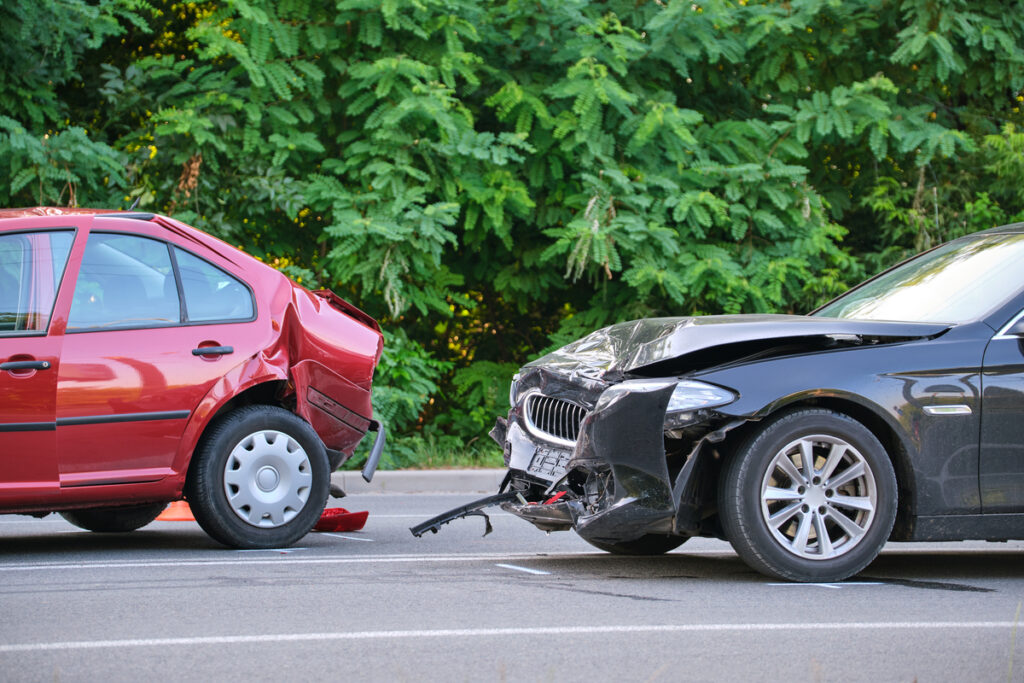

If you’ve recently been in a car accident, you already know how rattling the experience can be — both physically and emotionally. Even a low-speed fender bender can leave your neck stiff, your back aching, and your nerves on edge. Here in American Fork, we see this all the time at Life Aligned Chiropractic. The good news is that chiropractic care after a car accident is one of the most well-established, drug-free approaches to helping your body recover. Understanding what treatments are available — and why they work — can help you feel confident about your next step toward healing.
What are common chiropractic treatments after a car accident?
Chiropractic treatments after a car accident typically include spinal adjustments, soft tissue therapy, rehabilitative exercises, and other non-invasive techniques designed to reduce pain, restore mobility, and support the body’s natural healing process. These approaches are tailored to the specific injuries that result from the forces of a collision, most commonly whiplash, spinal misalignment, and muscle strain.
-
Treatment Comparison: Common Approaches After a Car Accident
-
Myths vs. Facts About Chiropractic Care After a Car Accident
-
Final Thoughts From Life Aligned Chiropractic in American Fork
Why Chiropractic Care After a Car Accident Matters
One of the most important things to understand about car accident injuries is that they don’t always show up immediately. The adrenaline rush that follows a collision can mask pain for hours — sometimes even days. By the time you start feeling symptoms, inflammation and muscle guarding may already be compounding the problem. This is why getting evaluated promptly, even if you feel “okay,” is so important.
Chiropractic care is uniquely suited to address the type of trauma that happens during a collision. The sudden, forceful movement of a crash — especially rear-end impacts — places enormous stress on the spine, joints, muscles, and connective tissue. A chiropractor is trained to identify spinal misalignments (called subluxations), joint restrictions, and soft tissue injuries that might not show up on a standard X-ray but can cause significant, ongoing discomfort if left untreated.
At Life Aligned Chiropractic in American Fork, UT, Dr. Scott Graziosa takes a thorough, individualized approach to evaluating car accident injuries. Rather than applying a one-size-fits-all protocol, care is tailored to your specific pain patterns, mobility restrictions, and overall health history. That kind of personalized attention can make a meaningful difference in how well and how quickly your body recovers.
Common Car Accident Injuries We Treat
Understanding what’s happening in your body after a crash helps you make sense of why certain treatments are recommended. Here are the injuries most commonly seen at chiropractic clinics following motor vehicle accidents.
Whiplash is by far the most common car accident injury treated by chiropractors. It occurs when the head snaps forward and backward rapidly — straining the muscles, ligaments, and discs of the cervical spine (neck). Symptoms include neck pain, stiffness, headaches, shoulder tension, and sometimes dizziness or brain fog. Whiplash can be deceptively mild-looking on imaging but profoundly uncomfortable in daily life.
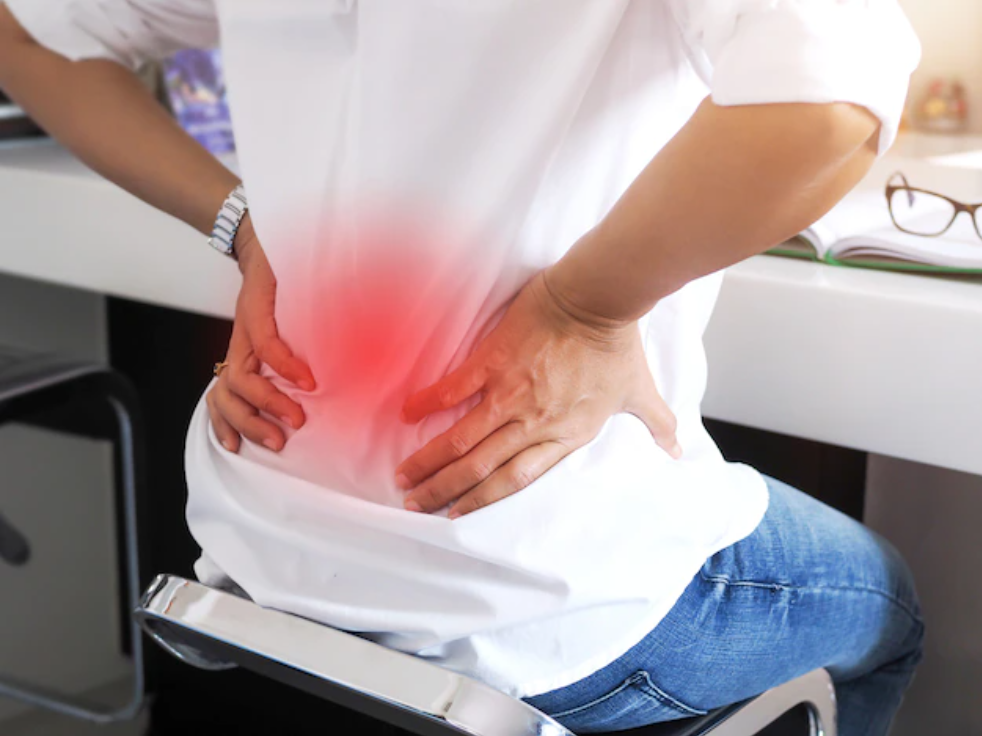
Lumbar (lower back) strain is also extremely common, particularly in rear-end and side-impact collisions. The lower back absorbs a great deal of the force from a crash, and the sudden compression and rotation can strain the muscles and destabilize the joints of the lumbar spine. Many patients come to Life Aligned Chiropractic in American Fork reporting low back pain they didn’t notice until a day or two after the accident.
Mid-back pain and thoracic spine injuries can result from the seatbelt tightening across the chest during impact. While seatbelts save lives, they can create a bracing force that stresses the mid-back and rib joints. This often presents as sharp pain with deep breathing or twisting movements.
Shoulder and arm symptoms can also occur, especially when the arms were braced against the steering wheel at the moment of impact, or when nerve tension from the cervical spine radiates down into the arm and hand.

Common Chiropractic Treatments Used After a Collision
Now let’s get into the heart of it — the actual treatments used by Dr. Scott Graziosa and the team at Life Aligned Chiropractic to help car accident patients recover. Each of these approaches has a specific purpose, and they’re often combined to create a comprehensive care plan.
Spinal Manipulation (Chiropractic Adjustments)
The chiropractic adjustment — also called spinal manipulation — is the hallmark of chiropractic care. After a car accident, the joints of the spine can become misaligned or restricted due to the forces of the impact. This creates inflammation, muscle spasm, and nerve irritation. A precise, controlled adjustment is applied to restore normal joint motion, reduce pressure on surrounding tissues, and help the nervous system function more freely.
Research published through organizations like the National Center for Complementary and Integrative Health (NCCIH) and the American Chiropractic Association (ACA) suggests that spinal manipulation is an effective, non-invasive approach for managing acute and chronic spinal pain — exactly the kind that results from car accident trauma. Adjustments are generally gentle, safe, and well-tolerated, even in the days following a collision.
Soft Tissue Therapy
Muscle injuries don’t respond to joint adjustments alone. After a crash, the muscles, tendons, and ligaments surrounding the spine are often strained, torn, or in a state of protective spasm. Soft tissue therapy includes techniques like myofascial release, trigger point therapy, and instrument-assisted soft tissue mobilization (IASTM). These approaches reduce inflammation, break up adhesions, and restore healthy tissue mobility.
At Life Aligned Chiropractic in American Fork, soft tissue care is often integrated directly into each visit, working in tandem with the spinal adjustment for a more complete approach to healing.
Rehabilitative Exercises and Stretching
Once the acute pain begins to settle, Dr. Scott Graziosa may incorporate specific therapeutic exercises and stretches into your care plan. These exercises are designed to rebuild strength in the stabilizing muscles of the spine, restore range of motion, and retrain proper movement patterns that may have been disrupted by the injury. Home exercises are often assigned so patients can continue their progress between visits.
Cervical Traction
For patients with whiplash or disc-related neck pain, cervical traction is a valuable tool. This technique gently stretches the cervical spine to relieve pressure on compressed discs and nerve roots. It can be applied manually by the chiropractor or with the assistance of a mechanical traction device. Many patients find cervical traction significantly relieves the radiating pain and headaches associated with neck injuries.
Ultrasound Therapy and Other Modalities
Therapeutic ultrasound uses sound waves to generate gentle heat deep within soft tissues, promoting circulation and reducing muscle spasm. Other modalities like electrical muscle stimulation (EMS) or cold laser therapy may also be used, depending on the specific needs of each patient. These are supportive tools that complement hands-on chiropractic care and help manage pain and inflammation during the early stages of recovery.
How Chiropractic Care Fits Into Your Recovery Plan
Chiropractic care doesn’t exist in isolation. Dr. Scott Graziosa takes a collaborative, whole-body approach to recovery after a car accident. If your injuries require imaging like X-rays or MRIs, a referral will be made. If your case involves legal documentation — which is common with auto accident claims — thorough records of your examination findings, diagnosis, and treatment progress are maintained.
The goal of chiropractic care after a car accident is not just pain relief. It’s about restoring the full function of your spine and nervous system so you can return to your normal activities without the fear of re-injury or chronic pain. Evidence from the Cochrane Library and other reputable sources indicates that early conservative care — like chiropractic treatment — can reduce the risk of short-term pain becoming a long-term problem.
Here in American Fork, UT, the team at Life Aligned Chiropractic understands that recovery looks different for everyone. Some patients feel better within a few weeks; others with more significant injuries may need a longer course of care. What matters is that you have a clear, honest plan — and that you feel supported throughout every step of it.
Practical Tips for Recovering After a Car Accident
Beyond in-office treatments, there are things you can do at home to support your recovery. These tips are general and safe for most people, but always follow the specific guidance of your chiropractor based on your individual injuries.
In the first 24 to 72 hours after a collision, applying ice to inflamed areas (wrapped in a cloth to protect the skin) can help manage swelling. Heat is generally better introduced once the acute inflammatory phase has passed. Avoid the temptation to “push through” the pain by returning to strenuous activities too quickly — this can delay healing and turn a minor injury into a chronic one.
Posture matters enormously during recovery. Try to avoid slouching at your desk or craning your neck forward to look at a screen. Simple ergonomic adjustments — like raising your monitor to eye level and keeping your feet flat on the floor — can reduce unnecessary strain on your healing spine. Sleep position also plays a role; sleeping on your back or side with a supportive pillow is generally preferable to sleeping on your stomach, which rotates the neck and strains the cervical spine.
Staying hydrated and getting adequate rest are also underrated recovery tools. The discs and soft tissues of the spine depend on proper hydration for their health and resilience. The body does much of its repair work during sleep, so protecting your rest is an active part of getting better.

When to See a Chiropractor After a Car Accident
The short answer is: sooner rather than later. Even if your pain seems mild, getting evaluated within a few days of a collision can make a significant difference. Early care helps prevent compensatory patterns — where other parts of your body overwork to protect the injured area — from becoming entrenched.
You should seek chiropractic evaluation if you experience neck pain, back pain, stiffness, headaches, shoulder or arm pain, or difficulty turning your head after an accident. These are all signs that the musculoskeletal system has been disrupted and would benefit from professional attention.
However, some symptoms require immediate emergency medical attention before chiropractic care. Seek urgent medical care if you experience severe head pain, loss of consciousness, numbness or weakness in your limbs, difficulty breathing, or chest pain. These may indicate injuries beyond the scope of chiropractic care, and getting proper medical clearance first is essential.
Treatment Comparison: Common Approaches After a Car Accident
|
Treatment Approach |
Primary Purpose |
Invasive? |
Best Used For |
|---|---|---|---|
|
Chiropractic Spinal Adjustment |
Restore joint alignment and mobility |
No |
Spinal pain, restricted movement, nerve irritation |
|
Soft Tissue / Myofascial Therapy |
Reduce muscle spasm and adhesions |
No |
Muscle strain, stiffness, scar tissue |
|
Cervical Traction |
Decompress cervical discs and nerve roots |
No |
Whiplash, disc compression, radiating arm pain |
|
Rehabilitative Exercise |
Rebuild strength and movement patterns |
No |
Sub-acute and chronic injury stages |
|
Therapeutic Ultrasound / EMS |
Reduce inflammation, promote tissue healing |
No |
Acute soft tissue injury, muscle spasm |
|
Pain Medication (Conventional) |
Manage pain symptoms short-term |
Systemic (oral) |
Acute pain management only |
Myths vs. Facts About Chiropractic Care After a Car Accident
Myth: If I feel fine after the accident, I don’t need to see a chiropractor.
Fact: Many car accident injuries, especially whiplash, don’t produce noticeable symptoms right away. Delayed onset pain is extremely common due to the adrenaline response following a collision. Getting evaluated promptly — even without pain — allows a chiropractor to identify subtle dysfunction before it becomes a more serious problem.
Myth: Chiropractic adjustments are dangerous after a traumatic injury.
Fact: Chiropractic care, when performed by a licensed professional, is a well-established, safe approach to managing musculoskeletal injuries. Dr. Scott Graziosa performs a thorough assessment before any treatment is applied, adapting techniques to your specific condition and comfort level. Gentle, low-force methods are available when needed.
Myth: Chiropractic care only helps with neck and back pain.
Fact: While the spine is the central focus, chiropractic care also addresses shoulders, hips, knees, and extremity joints. After a car accident, the kinetic forces travel through the entire body, and a comprehensive approach accounts for all affected areas — not just the most obvious pain site.
Myth: I only need one or two adjustments and I’ll be good to go.
Fact: The number of visits needed depends on the severity of your injuries. Minor strains may resolve quickly, but more significant trauma — particularly involving disc or ligament damage — typically requires a more structured course of care. Your progress is monitored and your plan is updated accordingly.
Myth: Chiropractic care after a car accident is just for legal documentation.
Fact: While thorough documentation is certainly important for accident claims, the primary purpose of chiropractic care is your physical recovery. The goal of every visit at Life Aligned Chiropractic is to help your body heal as fully and efficiently as possible — documentation is a byproduct of good clinical care, not the reason for it.
Final Thoughts From Life Aligned Chiropractic in American Fork
Recovering from a car accident can feel overwhelming, especially when you’re in pain and unsure where to turn. The most important thing to know is that you don’t have to just “wait it out.” There are safe, effective, non-invasive options that can make a real difference in how you heal — and chiropractic care is at the heart of many successful recoveries.
At Life Aligned Chiropractic, Dr. Scott Graziosa is committed to providing the American Fork, UT community with thorough, compassionate care that respects both the complexity of car accident injuries and the individuality of each patient. Whether you’re dealing with neck pain from whiplash, low back stiffness, or nagging headaches that started after your collision, there’s a path forward — and it starts with a proper evaluation.
If you or someone you care about has recently been in a car accident, don’t wait to be seen. The earlier you begin care, the better your chances of a full, lasting recovery. The team at Life Aligned Chiropractic in American Fork is here to help guide you through every step of the process with honesty, expertise, and genuine concern for your well-being.
Frequently Asked Questions
How soon after a car accident should I see a chiropractor?
Ideally, you should seek a chiropractic evaluation within 24 to 72 hours of a car accident, provided you have no emergency symptoms requiring immediate medical care. Early evaluation helps catch injuries before they develop into chronic problems and ensures accurate documentation of your condition.
Will chiropractic care help with whiplash specifically?
Yes, chiropractic care is widely recognized as an effective conservative approach for whiplash-associated disorders. Spinal adjustments, soft tissue therapy, and cervical traction are commonly used techniques that address the specific structures injured by the whiplash mechanism.
How many chiropractic visits will I need after a car accident?
The number of visits varies depending on the severity of your injuries, your age, overall health, and how quickly your body responds to care. Dr. Scott Graziosa will assess your progress regularly and adjust your care plan accordingly, giving you a clear picture of what to expect.
Is chiropractic care safe if I also have other injuries from the accident?
A thorough intake and examination helps determine whether chiropractic care is appropriate given your full injury picture. In cases where there are fractures, severe neurological symptoms, or other serious injuries, Dr. Scott Graziosa will coordinate with or refer to the appropriate medical provider before proceeding with care.
Can chiropractic treatment help prevent chronic pain from developing after a car accident?
Evidence from conservative care research suggests that prompt, appropriate treatment of car accident injuries can reduce the likelihood of acute pain transitioning into a chronic condition. Addressing spinal dysfunction, muscle imbalances, and restricted mobility early in the recovery process supports better long-term outcomes.
Do I need a referral to see a chiropractor in American Fork after an accident?
In most cases, you do not need a physician’s referral to see a chiropractor in Utah. You can contact Life Aligned Chiropractic in American Fork directly to schedule an evaluation after your accident. If medical imaging or co-management is needed, those referrals will be handled during the course of your care.
TL;DR — Key Takeaways
-
Car accident injuries like whiplash, back strain, and joint dysfunction often benefit significantly from chiropractic care — the sooner you’re evaluated, the better.
-
Common treatments include spinal adjustments, soft tissue therapy, cervical traction, rehabilitative exercises, and supportive modalities like ultrasound or electrical stimulation.
-
Chiropractic care is non-invasive, drug-free, and individualized — Dr. Scott Graziosa at Life Aligned Chiropractic tailors every care plan to the specific needs of the patient.
-
Don’t assume you’re fine just because you don’t feel pain right away — delayed symptoms are common after car accidents and early care can prevent chronic issues.
-
Life Aligned Chiropractic in American Fork, UT is a trusted local resource for car accident recovery, offering compassionate, evidence-informed care for the surrounding community.