
Headaches are one of those things that most people brush off as a normal part of life. You pop an over-the-counter pain reliever, wait it out, and move on. But when headaches keep coming back — week after week, sometimes day after day — that’s when they cross the line from occasional nuisance to a genuine quality-of-life concern. Chronic headaches can interfere with your work, your sleep, your relationships, and your ability to simply enjoy your day. Here at Life Aligned Chiropractic in American Fork, UT, Dr. Scott Graziosa works with patients regularly who are frustrated, exhausted, and just looking for answers. The good news? Understanding the triggers and causes of chronic headaches is the first step toward real, lasting relief.
What are chronic headaches?
Chronic headaches are generally defined as headaches that occur 15 or more days per month for at least three consecutive months. They can range in intensity from a dull, nagging pressure to a debilitating, throbbing pain. Unlike occasional tension headaches, chronic headaches often have identifiable patterns, triggers, and underlying causes — many of which are rooted in the musculoskeletal system, posture, lifestyle habits, and nervous system function.
- What Makes Headaches Chronic?
- Common Triggers of Chronic Headaches
- The Musculoskeletal Connection: Neck, Spine, and Beyond
- Lifestyle Factors That Fuel Recurring Headaches
- How Chiropractic Care Fits Into Headache Relief
- Practical Tips for Managing Headache Triggers
- When to See a Chiropractor for Headaches
- Myths vs. Facts About Chronic Headaches
What Makes Headaches Chronic?
Not all headaches are created equal. A headache after a stressful meeting or a sleepless night is one thing. But when your head hurts more days than it doesn’t, something deeper is going on. Chronic headaches come in several forms, each with distinct characteristics. The most common types seen in chiropractic settings include chronic tension-type headaches, cervicogenic headaches (originating from the neck and cervical spine), and migraines that occur frequently enough to meet the chronic threshold.
What makes a headache “chronic” isn’t just frequency — it’s also about the cycle of recurrence. The brain and nervous system can become sensitized over time, meaning the threshold for triggering a headache gets lower and lower. This is sometimes referred to as central sensitization. The body essentially becomes more reactive, and what used to cause no problem at all — a slight change in sleep, a stressful morning — now kicks off a full-blown headache episode. Understanding this cycle is key to breaking it.
In American Fork and across Utah County, Dr. Scott Graziosa has seen this pattern play out time and again. Patients often come in having tried multiple medications with limited long-term success, wondering if there’s something else going on. And frequently, there is — often involving the spine, the muscles of the neck and upper back, and the demands of modern daily life.
Common Triggers of Chronic Headaches
Triggers are the specific factors that set off a headache episode. For people with chronic headaches, triggers are often multiple and overlapping, which makes identifying them feel overwhelming. But with a little patience and awareness, most people can begin to see patterns. Here are some of the most well-established and commonly reported headache triggers:
Stress and Emotional Tension
Stress is one of the most cited headache triggers across the board. When you’re under chronic psychological stress, your muscles tense up — particularly in the neck, shoulders, and upper back. This sustained muscle tension restricts blood flow and puts pressure on the nerves and joints of the cervical spine. Over time, this creates a feedback loop where stress causes muscle tension, which causes headaches, which causes more stress.
Poor Posture and Screen Time
In today’s world, the average person spends hours each day hunched over a phone, tablet, or computer screen. This “forward head posture” — where the head juts forward of the shoulders — dramatically increases the load on the muscles and joints of the neck. Research suggests that for every inch the head moves forward from its neutral position, the effective weight on the cervical spine increases significantly. This chronic strain is a leading contributor to both tension headaches and cervicogenic headaches.
Sleep Disruption
Poor sleep quality and irregular sleep schedules are well-known headache triggers. Sleep is when the body repairs itself, regulates inflammation, and resets the nervous system. When sleep is consistently disrupted, the brain becomes more pain-sensitive, and headaches become more frequent and intense. Even sleeping in an awkward position with inadequate neck support can be enough to wake up with a headache.
Dehydration and Skipped Meals
The brain is highly sensitive to changes in hydration and blood sugar. Even mild dehydration can trigger headache symptoms in susceptible individuals. Similarly, skipping meals leads to drops in blood glucose that the brain interprets as a stress signal — another common headache trigger that many people overlook.
Environmental and Sensory Triggers
Bright lights, strong smells, loud noises, and even weather changes are frequently reported triggers, particularly for migraines. Barometric pressure changes — which are certainly no stranger to Utah’s variable mountain climate — can affect the pressure in the sinuses and trigger headache episodes in some people.
The Musculoskeletal Connection: Neck, Spine, and Beyond
One of the most important — and often underappreciated — contributors to chronic headaches is the musculoskeletal system, particularly the cervical spine (the neck). Cervicogenic headaches, by definition, originate from structures in the neck. But even headaches that aren’t purely cervicogenic can be influenced by tension, misalignment, and dysfunction in this area.
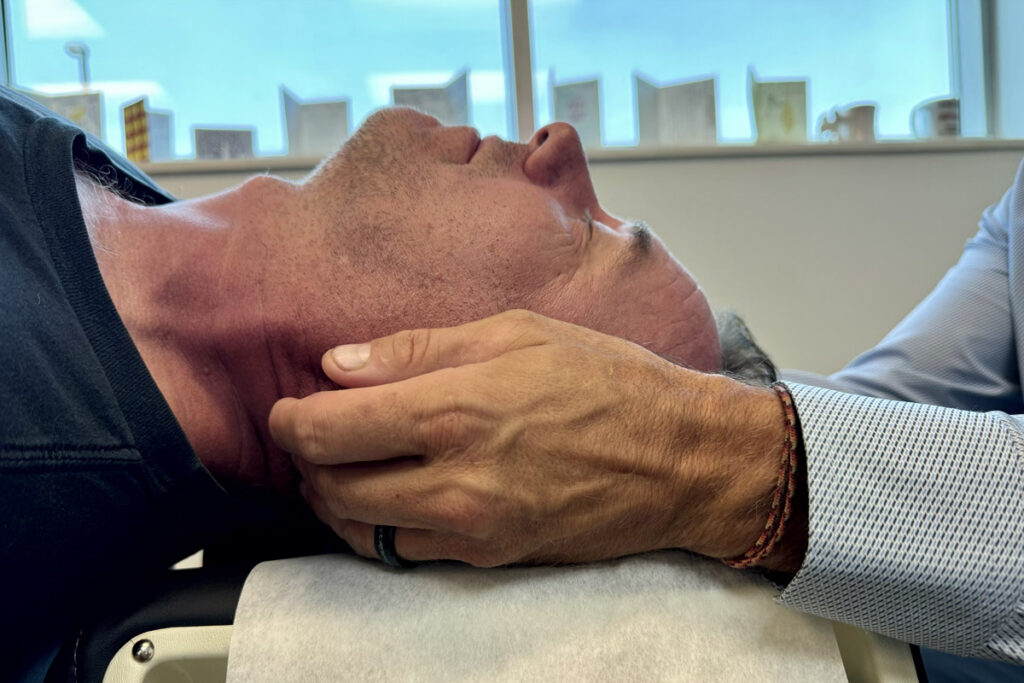
The upper cervical spine — the top two vertebrae in the neck, known as C1 and C2 — has a particularly close anatomical relationship with the nerves that supply sensation to the head and scalp. When these joints become restricted, irritated, or misaligned, the resulting nerve irritation and muscle tension can radiate pain upward into the head. This is a central focus of chiropractic evaluation and care.
The suboccipital muscles — a group of small but powerful muscles at the base of the skull — are another common culprit. These muscles are notoriously prone to tightness and trigger points, especially in people who spend long hours at a desk. When these muscles are chronically tight, they can compress the greater occipital nerve, contributing to a pattern of pain that runs from the base of the skull up and over the top of the head.
Beyond the neck, postural imbalances throughout the thoracic spine (mid-back) and even the shoulders can contribute to the overall tension load on the cervical region. This is why a thorough chiropractic evaluation doesn’t just look at where it hurts — it looks at the whole picture of how your body is moving, holding tension, and compensating.
Lifestyle Factors That Fuel Recurring Headaches
Even the best chiropractic care in the world can be undermined if lifestyle factors continue to stoke the fire. Dr. Scott Graziosa takes the time to have an honest conversation with every patient about the daily habits that might be making their headaches worse. Here are some of the most impactful lifestyle factors to be aware of:
Caffeine Habits
Caffeine is a double-edged sword when it comes to headaches. In small amounts, it can actually help relieve a headache — which is why it’s found in some over-the-counter headache medications. But regular, high-dose caffeine consumption can lead to dependency. If you miss your morning coffee, the resulting withdrawal headache can be intense. Gradually reducing caffeine intake and stabilizing your daily amount can make a significant difference.
Medication Overuse
This one surprises many patients. Using pain-relieving medications — even common ones like ibuprofen or acetaminophen — too frequently can actually cause what’s known as “medication overuse headache” or “rebound headache.” The more frequently you take them, the more your body comes to expect them, and the headache cycle worsens. This is one important reason why getting to the root cause of headaches matters.
Sedentary Behavior
A lack of regular physical movement allows tension to accumulate in the muscles of the neck and upper back. Regular, moderate physical activity improves circulation, reduces stress hormones, and helps maintain healthy range of motion in the spine — all of which contribute to fewer and less severe headaches over time.
Jaw Tension and Teeth Grinding
Temporomandibular joint (TMJ) dysfunction and bruxism (teeth grinding, often during sleep) are significantly underrecognized contributors to chronic headaches. The muscles of the jaw and temples are closely connected to the muscles of the upper neck, and chronic tension in this area frequently radiates into headache pain.
How Chiropractic Care Fits Into Headache Relief
Chiropractic care offers a non-invasive, drug-free approach to addressing some of the root causes of chronic headaches — particularly those with a musculoskeletal or cervicogenic component. Evidence from organizations like the American Chiropractic Association and research published in peer-reviewed journals, including the Spine Journal, suggests that spinal manipulation and chiropractic care may be effective in reducing the frequency and intensity of certain types of headaches.
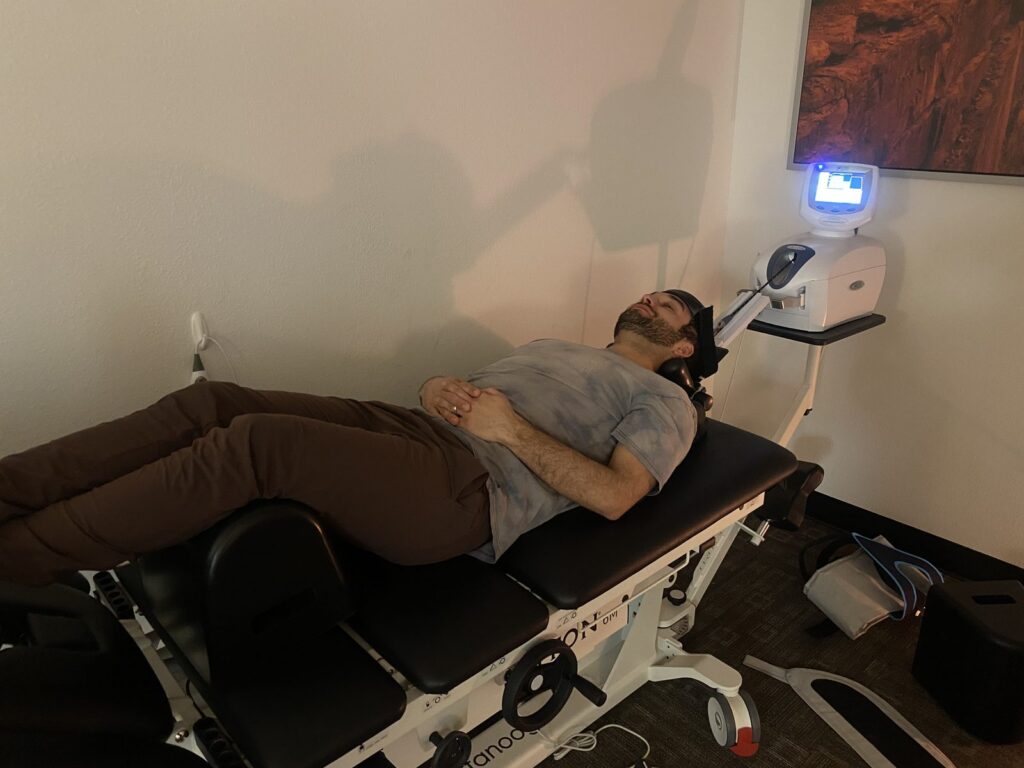
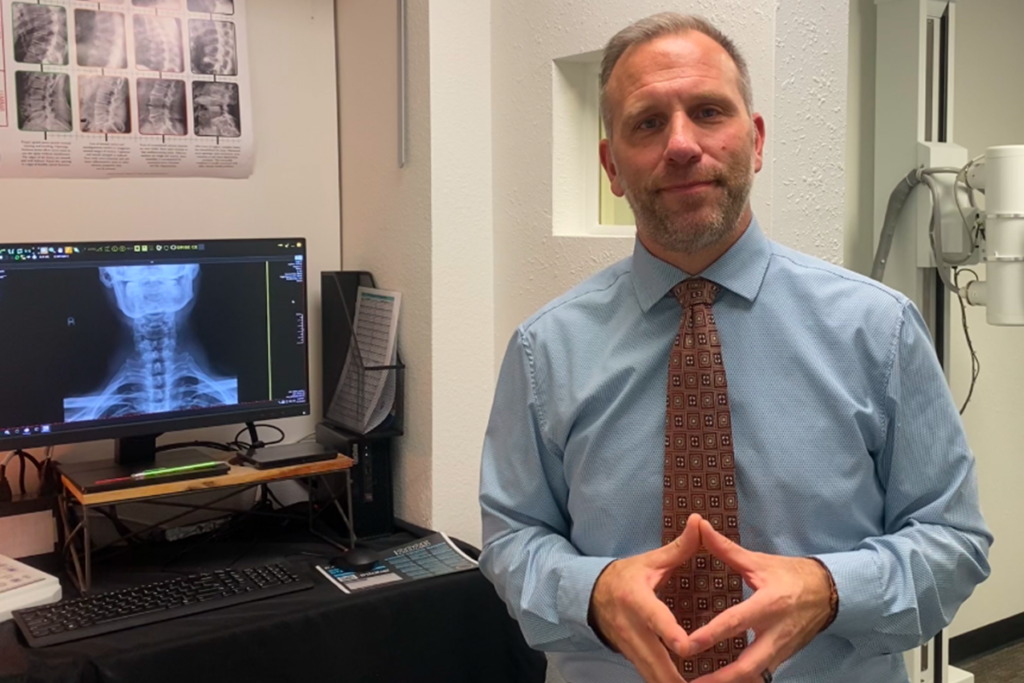
At Life Aligned Chiropractic in American Fork, Dr. Scott Graziosa approaches headache care by first conducting a thorough evaluation. This includes assessing the cervical spine for joint restrictions, evaluating muscle tension patterns, reviewing posture, and understanding your history and lifestyle. No two headache patients are the same, which is why care is individualized rather than one-size-fits-all.
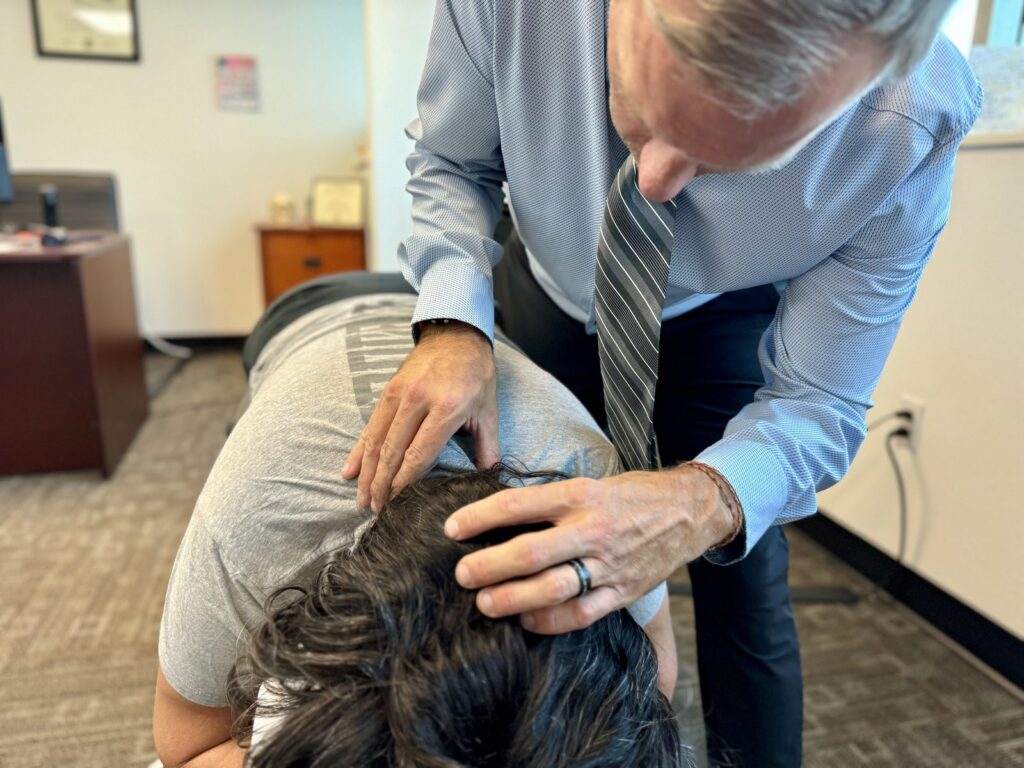
Chiropractic adjustments — specifically targeted manipulation of the cervical and upper thoracic spine — aim to restore proper joint movement, reduce nerve irritation, and decrease muscle tension. Many patients also benefit from soft tissue work targeting the suboccipital and upper trapezius muscles, posture guidance, and practical advice on modifying habits that contribute to their headache pattern.
The goal of chiropractic care isn’t just to get you through the next headache — it’s to help your body function better so headaches become less frequent over time. That’s the kind of long-term, root-cause approach that the team at Life Aligned Chiropractic is passionate about.
Practical Tips for Managing Headache Triggers
While professional care is important, there’s a lot you can do at home and throughout your day to reduce the frequency of chronic headaches. These are the kinds of practical, sustainable strategies that Dr. Scott Graziosa regularly discusses with patients in American Fork, UT.
First, pay attention to your workstation setup. Your computer monitor should be at eye level so your head isn’t tilting up or dropping down. Your chair should support your lower back, and your feet should rest comfortably on the floor. Even small ergonomic improvements can dramatically reduce the postural strain on your neck throughout the workday.
Second, build in movement breaks. Set a reminder to stand up, move your neck gently, and roll your shoulders every 45-60 minutes. The neck and upper back muscles weren’t designed for sustained static positions — they need periodic movement to stay healthy and tension-free.
Third, prioritize consistent sleep. Try to go to bed and wake up at the same time each day, even on weekends. Use a pillow that keeps your neck in a neutral position — not propped too high or flattened too low. Sleep position matters, and sleeping on your back or side is generally better for neck health than sleeping on your stomach.
Fourth, stay consistently hydrated. Aim to drink water throughout the day, not just when you feel thirsty. Thirst is often a sign that mild dehydration has already set in. Keeping a water bottle at your desk can serve as a helpful visual reminder.
When to See a Chiropractor for Headaches
If you’re experiencing headaches that are becoming more frequent, more intense, or harder to manage with over-the-counter remedies, it’s a reasonable time to seek a professional evaluation. Many people in and around American Fork, UT wait far longer than necessary before reaching out — often because they assume headaches are just something they have to live with. They don’t have to be.
Chiropractic care is particularly worth exploring if your headaches seem to originate from the neck or base of the skull, if you notice that stress or prolonged sitting worsen your symptoms, or if you’ve been relying on pain medication more than a couple of times per week. These patterns often suggest a musculoskeletal component that chiropractic assessment can address directly.
However, there are certain warning signs that require immediate medical attention and are beyond the scope of chiropractic care. These include a sudden, severe “thunderclap” headache that comes on without warning, headaches accompanied by fever, stiff neck, vision changes, weakness, or confusion, and headaches following a head injury. These symptoms should be evaluated by a physician or at an emergency facility right away. Dr. Scott Graziosa and the team at Life Aligned Chiropractic are always committed to referring patients appropriately when medical attention is warranted.
| Headache Type | Common Trigger | Key Characteristics | Chiropractic Relevance |
|---|---|---|---|
| Tension-Type Headache | Stress, poor posture, muscle tension | Dull, band-like pressure around the head | High — cervical and thoracic adjustment often helpful |
| Cervicogenic Headache | Neck joint restriction, forward head posture | Originates at base of skull, one-sided, worsens with neck movement | High — directly addressed through cervical spine care |
| Migraine | Hormonal changes, sensory triggers, sleep disruption | Throbbing, often one-sided, with nausea or light sensitivity | Moderate — may help reduce frequency when musculoskeletal factors are present |
| Medication Overuse Headache | Frequent use of pain medications | Daily or near-daily, worsens when medication wears off | Moderate — supportive care while medication is addressed with physician |
| Sinus Headache | Allergies, barometric pressure, infection | Pressure around forehead, cheeks, and eyes | Low to moderate — care may help with postural and drainage factors |
Myths vs. Facts About Chronic Headaches
Myth: Chronic headaches are just a part of getting older and can’t be helped.
Fact: While headache patterns can change with age, chronic headaches are not an inevitable or untreatable condition. Many people find significant relief when the underlying triggers and contributing factors are properly identified and addressed. Age alone does not make someone destined for a life of frequent headaches.
Myth: If your headaches aren’t migraines, they’re not serious enough to treat.
Fact: Any headache that significantly impacts your daily life and occurs frequently deserves attention. Tension-type headaches and cervicogenic headaches — while not migraines — can be just as disruptive and have clear, addressable causes. Dismissing them as “minor” often allows the underlying issue to worsen over time.
Myth: Taking pain medication regularly is the safest way to manage chronic headaches.
Fact: Regular use of over-the-counter or prescription pain medications for headaches can actually worsen the cycle over time through a phenomenon known as medication overuse headache. Addressing root causes — including spinal dysfunction, postural habits, and lifestyle triggers — offers a more sustainable path to relief.
Myth: Chiropractic adjustments are only for back pain — not headaches.
Fact: Chiropractic care has a well-established role in the management of headaches, particularly tension-type and cervicogenic headaches. The cervical spine and its surrounding muscles are directly involved in many chronic headache patterns, and addressing dysfunction in this area is well within the scope of chiropractic care.
Myth: You just need to drink more water and your chronic headaches will go away.
Fact: Hydration is an important factor, but it’s rarely the sole cause of chronic headaches. Most chronic headache sufferers have multiple overlapping triggers and contributing factors. Good hydration is one piece of a larger puzzle that often requires a comprehensive evaluation to fully understand.
Final Thoughts from Life Aligned Chiropractic in American Fork, UT
Living with chronic headaches is exhausting — not just physically, but emotionally. When you spend enough days managing head pain, it starts to feel like your normal. But it doesn’t have to be your normal. Here in American Fork, the community deserves access to thoughtful, root-cause-focused care that actually helps people feel better and function well.
At Life Aligned Chiropractic, Dr. Scott Graziosa genuinely cares about helping patients understand what’s driving their headaches and working with them to find meaningful, lasting relief. Whether your headaches are rooted in neck tension, postural habits, lifestyle patterns, or some combination of all of the above, there’s real value in having someone walk through it with you — someone who takes the time to listen, evaluate thoroughly, and explain what they’re finding.
If you’re in American Fork, UT or the surrounding Utah County area and you’re tired of just managing your headaches rather than addressing them, consider reaching out to Life Aligned Chiropractic. You deserve to feel well — and that starts with understanding why you’re not.
Frequently Asked Questions
Can a chiropractor actually help with chronic headaches?
Yes, chiropractic care has been shown to be a helpful approach for certain types of chronic headaches — particularly tension-type and cervicogenic headaches. Research suggests that spinal manipulation and related chiropractic techniques may help reduce the frequency and intensity of these headache types. A thorough evaluation is the best way to determine whether chiropractic care is appropriate for your specific situation.
How do I know if my headaches are coming from my neck?
Cervicogenic headaches typically start at the base of the skull and radiate upward, are often felt on one side, and may worsen with certain neck movements or sustained postures. If pressing on the back of your neck or upper shoulder area seems to reproduce or worsen your headache, the neck is likely involved. A chiropractor can assess this more precisely during an examination.
What’s the difference between a tension headache and a migraine?
Tension headaches typically feel like a dull, steady pressure or tightening around the head — often described as a band-like sensation. Migraines tend to be more intense, throbbing, usually one-sided, and often accompanied by nausea, light sensitivity, or sound sensitivity. That said, the two can overlap, and both can have musculoskeletal contributing factors.
How long does it take for chiropractic care to help with headaches?
This varies depending on how long the problem has been present, the type of headaches, and individual factors. Some patients notice improvement within the first few visits; others require a more sustained course of care to see meaningful change. Dr. Scott Graziosa takes time to discuss realistic expectations with each patient based on their specific evaluation findings.
Are there specific things I should avoid if I get chronic headaches?
Common things worth reducing or avoiding include excessive caffeine, skipping meals, irregular sleep schedules, prolonged screen time without breaks, and over-reliance on pain medications. Everyone’s trigger profile is a little different, so keeping a simple headache journal to track patterns can be very helpful in identifying your personal culprits.
Should I see a doctor before seeing a chiropractor for headaches?
In most cases, you can seek chiropractic evaluation directly without a physician referral. However, if your headaches are sudden and severe, associated with neurological symptoms, or following a head trauma, you should seek medical evaluation first. Chiropractors are trained to screen for red flags and will refer you to the appropriate provider if needed.
TL;DR — Key Takeaways
- Chronic headaches are defined as headaches occurring 15 or more days per month and often have identifiable, addressable triggers rooted in posture, lifestyle, and spinal health.
- Common triggers include stress, poor posture, screen time, sleep disruption, dehydration, caffeine patterns, and muscle tension in the neck and upper back.
- The cervical spine and surrounding muscles play a central role in many chronic headache types, particularly tension-type and cervicogenic headaches.
- Chiropractic care offers a non-invasive, drug-free approach to addressing the musculoskeletal contributors to chronic headaches — with care individualized to each patient.
- Red flags such as sudden severe headache, neurological symptoms, or headache after injury require prompt medical evaluation rather than chiropractic care alone.