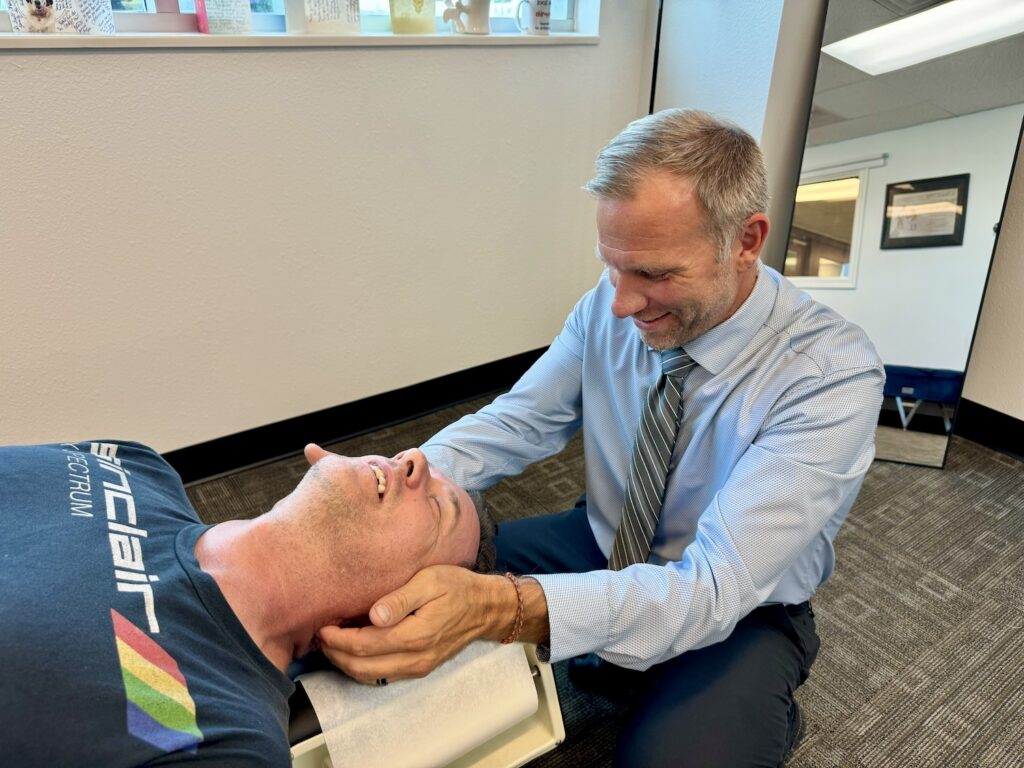
If you’re dealing with back pain, I understand how it can impact your daily activities and overall well-being. As a local chiropractor, I want to share that there are comprehensive methods available to help relieve your discomfort naturally. By integrating chiropractic care, physical therapy, mindfulness practices, and ergonomic adjustments, we can address both the physical and emotional components of your pain.
So, what does this holistic approach entail, and how can we customize it to meet your individual needs? Let’s dive into the various aspects that contribute to effective relief. Chiropractic adjustments can help realign your spine, improve your mobility, and reduce pain. Additionally, incorporating physical therapy exercises can strengthen your muscles and enhance your flexibility.
Mindfulness practices, such as meditation or deep breathing exercises, can also play a key role in managing the emotional stress that often accompanies chronic pain. Lastly, making ergonomic adjustments in your workspace or home can help prevent further strain on your back.
By exploring these elements together, we can create a personalized strategy that supports your healing journey and helps you regain control over your life.
Understanding the Causes of Back Pain
As a local chiropractor, I want to emphasize the importance of understanding the causes of back pain. This knowledge can empower you to identify the source of your discomfort and pursue effective relief through natural healing methods.
Back pain can arise from various factors, such as muscle strain, herniated discs, or even poor posture. You may find that specific activities, like lifting heavy objects or sitting for extended periods, can worsen your symptoms. Additionally, emotional stress and a lack of physical activity can lead to increased tension in your back.
It’s also important to consider that age can significantly impact your spinal health, as the natural wear and tear on the spine becomes more evident over time. If you’ve suffered an injury or have an underlying medical condition, these could also be contributing to your pain.
By working together to identify the specific cause of your back pain, we can take targeted steps toward alleviation. This might involve making adjustments to your daily habits, incorporating exercises, or exploring chiropractic care to promote healing and restore balance to your body.
Understanding your pain is the vital first step on your journey to relief and improved well-being.
The Role of Physical Therapy
As a local chiropractor, I want to emphasize the significant role that chiropractic care can play in relieving back pain naturally. Unlike traditional medical approaches, we focus on addressing the root causes of discomfort rather than just masking the symptoms.
Through a thorough assessment of your specific condition, we can develop a personalized treatment plan designed to meet your unique needs. This plan may include spinal adjustments aimed at realigning your spine and improving overall function, as well as exercises that strengthen your core and back muscles.
By enhancing your flexibility and stability, we help support your spine and reduce the likelihood of future issues. In addition to adjustments, we may incorporate techniques such as manual therapy and natural modalities like heat or cold therapy, which can help alleviate pain and promote healing.
Education is also key in our approach; we’ll guide you on maintaining proper posture and body mechanics to foster a healthier spine and prevent further discomfort. Embracing chiropractic care means choosing a holistic path toward wellness and a pain-free life.
Exercise and Strengthening Techniques
As a local chiropractor, I want to emphasize that back pain isn’t just a byproduct of injury or strain; it can often be alleviated through regular exercise and strengthening techniques. Incorporating low-impact activities such as walking, swimming, or cycling into your routine is essential.
These activities not only keep your back flexible but also promote healthy blood flow to your muscles, aiding in recovery and overall health.
Strengthening exercises that focus on your core, back, and hips are crucial in enhancing your stability, which can significantly reduce the strain on your spine. Simple movements like planks, bridges, and pelvic tilts can effectively build strength without putting undue stress on your body.
It’s vital to maintain proper form during these exercises. Incorrect techniques can exacerbate your pain rather than relieve it. I recommend starting slowly and gradually increasing the intensity as you gain strength and confidence in your movements.
Always listen to your body; if something feels off, it’s wise to take a break or consult with a professional like myself.
By integrating exercise into your daily routine, not only will you be supporting your back, but you’ll also be improving your overall well-being.
Mindfulness and Stress Reduction Practices
As a local chiropractor, I want to emphasize the importance of incorporating mindfulness and stress reduction practices into your back pain management routine. While chiropractic care plays a crucial role in alleviating discomfort, techniques such as meditation, deep breathing, and yoga can significantly enhance your healing process. These practices allow you to connect with your body and manage stress, which can often exacerbate pain.
I encourage you to dedicate just a few minutes each day to mindfulness exercises. Even brief sessions can help you develop a greater awareness of your body’s signals and pain patterns. Simple breathing exercises can ground you and provide comfort during times of stress, making a noticeable difference in how you experience pain.
Additionally, consider integrating gentle yoga into your routine. This can improve your flexibility and strengthen the muscles that support your spine. Not only do these practices address pain, but they also promote a positive mindset, empowering you to take control of your discomfort.
Ergonomic Adjustments for Daily Life
As a local chiropractor, I want to emphasize the importance of making ergonomic adjustments in your daily life to help relieve back pain. One of the first steps you can take is to set up your workspace in a way that supports good posture. This means ensuring your chair, desk, and computer screen are all at the right heights to minimize strain on your back.
Additionally, learning proper lifting techniques is crucial. Many people inadvertently put their backs at risk by lifting heavy objects incorrectly. By bending your knees and keeping the object close to your body, you can avoid unnecessary strain.
These simple adjustments may seem small, but they can have a significant impact on your overall comfort and well-being.
Taking care of your posture and body mechanics is a key part of maintaining a healthy spine, and as your chiropractor, I’m here to guide you through these changes for a healthier, pain-free life.
Workspace Setup Tips
As a chiropractor, I understand the critical role that an ergonomic workspace plays in reducing back pain, particularly for those of you who spend extended hours at a desk.
Let’s discuss how you can create a healthier work environment.
First, ensure your chair is properly adjusted so that your feet rest flat on the floor, and your knees align with your hips. This positioning helps maintain a natural curvature in your spine.
It’s also beneficial to have your back fully supported; consider utilizing a small cushion for extra support if needed.
Next, pay attention to your computer monitor. It should be at eye level and approximately an arm’s length away. This setup helps prevent unnecessary strain on your neck and promotes better posture.
Your keyboard and mouse should be positioned close to you, allowing your wrists to remain straight while typing.
Remember, maintaining proper wrist alignment can help prevent discomfort and repetitive strain injuries.
Taking regular breaks is essential! Stand up, stretch, and take a short walk around your workspace to keep your muscles relaxed and your circulation flowing.
Lastly, keep frequently used items within easy reach to minimize twisting or bending, which can lead to strain and discomfort.
By implementing these ergonomic adjustments, you can significantly enhance your comfort and overall well-being, ultimately supporting your body’s natural healing processes.
If you have any questions or need further guidance, feel free to ask during your next visit!
Proper Lifting Techniques
As a local chiropractor, I want to emphasize the importance of using proper lifting techniques to protect your back and overall health. Lifting heavy objects incorrectly can lead to significant strain on your spine, which is something we often see in our practice.
First and foremost, always remember to bend at your knees, not your waist. This simple adjustment can make a world of difference. Position your feet shoulder-width apart for better balance and ensure you have a firm grip on the object you’re about to lift.
Before you lift, engage your core muscles. This action helps support your spine and prevents unnecessary strain. When it comes time to lift, use your legs – they’re much stronger than your back. Straighten your legs while keeping the object close to your body. This technique helps reduce the load on your spine.
Be mindful to avoid twisting your torso while carrying heavy items; instead, pivot your feet to change direction. If you ever find that an object feels too heavy, don’t hesitate to ask for assistance or consider using tools like dollies or lifts.
Proper lifting techniques aren’t just about moving objects; they’re crucial for maintaining a healthy spine and preventing injuries in your daily life. By incorporating these practices, you can protect your back and support your journey towards natural healing and wellness.
Alternative Therapies: Acupuncture and Chiropractic Care
As a local chiropractor, I want to share how chiropractic care can provide a natural and effective approach to alleviating back pain. Many individuals are unaware that, while traditional medicine often relies on medications and surgical interventions, there are alternative therapies, such as chiropractic care, that can promote healing and enhance your overall well-being.
Chiropractic care is centered around the concept of spinal alignment. Our spines play a crucial role in our overall health, and misalignments can lead to discomfort and pain. Through hands-on adjustments, I work to correct these misalignments, which can help reduce back pain and improve your body’s function.
Many patients experience immediate relief, while others may notice gradual improvements as we work together over time. Incorporating chiropractic care into your routine can support your body’s natural ability to heal itself.
If you’re looking for alternative options to conventional treatments, I encourage you to reach out and learn more about how chiropractic care can be a valuable part of your journey toward back pain relief. Together, we can explore tailored solutions to help you achieve a healthier, more active lifestyle.
Nutritional Support for Musculoskeletal Health
As a local chiropractor, I want to share the importance of nutrition in maintaining strong musculoskeletal health. It’s not just about adjustments and treatments; your diet plays a crucial role in how your bones and muscles function. To support your musculoskeletal system, it’s essential to focus on a balanced diet that’s rich in vitamins and minerals.
First and foremost, calcium and vitamin D are vital for bone strength. I recommend incorporating dairy products, leafy greens, and fortified foods into your meals to ensure you’re getting enough of these nutrients.
Additionally, omega-3 fatty acids, which you can find in fish, chia seeds, and walnuts, can help reduce inflammation that might be contributing to your discomfort.
Protein is also key for muscle repair and growth, so make sure you’re eating enough lean meats, beans, or legumes. Including antioxidant-rich foods like berries and nuts can help combat oxidative stress on your tissues, promoting overall health.
Don’t forget about hydration! Staying well-hydrated is essential for joint lubrication, which can help with movement and reduce pain.
Lastly, I encourage you to discuss any specific dietary needs or restrictions with your healthcare provider. Proper nutrition can significantly impact your musculoskeletal health and aid in preventing and managing issues like back pain.
Developing a Personalized Pain Management Plan
As a local chiropractor, I want to help you understand the importance of creating a personalized pain management plan tailored specifically to your needs.
The first step in this process is to identify your unique pain triggers. This involves understanding what activities or situations may exacerbate your discomfort.
Once we’ve a clear picture of your pain, we can work together to establish realistic goals. These goals won’t only keep you motivated but also give you a clear direction for your journey towards relief and improved health.
I encourage you to regularly monitor your progress, as this will allow us to make any necessary adjustments to your plan. Staying on track is crucial, and I’m here to support you every step of the way with techniques that promote natural healing and overall well-being.
Understanding Pain Triggers
As a local chiropractor dedicated to your well-being, I want to help you understand the triggers behind your back pain, which is crucial for creating an effective pain management strategy. A great starting point is to keep a pain diary. This will help you track when your pain occurs, its intensity, and any activities or stressors that may contribute to it.
Many patients find that common triggers include poor posture, heavy lifting, and prolonged sitting. However, it’s also important to consider emotional factors such as stress or anxiety, as these can significantly worsen physical pain.
Once we identify your specific triggers, we can implement actionable steps to avoid or manage them. This may involve stretching routines, adjusting your workspace for better ergonomics, or introducing mindfulness and relaxation techniques.
By understanding and addressing these triggers together, we can create a personalized plan tailored to your unique needs, ultimately helping you alleviate your back pain naturally and effectively.
Setting Realistic Goals
As a local chiropractor, I want to guide you on your journey to finding relief from pain. The first step is identifying your pain triggers, but it doesn’t stop there. Setting realistic goals is essential to help you stay focused and motivated throughout your healing process.
Let’s consider what you want to achieve and break it down into manageable steps.
- Start by aiming for gradual improvements in your daily activities, such as walking or lifting objects. These small changes can make a significant difference over time.
- It’s important to set specific timelines for reaching each goal—whether that’s in a few weeks or a couple of months—this keeps you on track and accountable.
- Focus on making small, measurable changes, like aiming to reduce your pain levels by a certain percentage. These tangible goals can help you see progress more clearly.
- Don’t forget to celebrate your achievements, no matter how minor they may seem. Recognizing your progress will boost your motivation and encourage you to keep going.
Chiropractic care is about more than just quick fixes; it’s about empowering you to take charge of your health and well-being through realistic goal-setting and consistent effort.
Together, we can work towards a pain-free life!
Monitoring Progress Regularly
As a chiropractor, I want to emphasize the importance of regularly monitoring your progress when it comes to creating an effective pain management plan. Understanding how your body responds to various treatments is crucial, and this is where tracking your symptoms can make a significant difference.
I encourage you to keep a journal where you can note your pain levels, the activities you engage in, and any new natural healing strategies you decide to try. This information is invaluable not only for you but also for us as your healthcare team.
Sharing your findings with me allows us to work together to make informed adjustments to your treatment plan. We can explore different chiropractic techniques and holistic approaches that might better suit your needs based on your feedback.
It’s also beneficial to have consistent check-ins—whether that’s every week or every month. This won’t only help keep you accountable but also maintain your motivation on your journey to relief.
Conclusion
As a local Chiropractor, I want to share how a comprehensive approach to back pain relief can significantly enhance your quality of life. Many people are unaware of the various factors contributing to back pain, but by understanding these causes, you can start to take control of your discomfort. Engaging in chiropractic care, along with physical therapy, customized exercises, and mindfulness practices, can be incredibly beneficial.
It’s also crucial to consider ergonomic adjustments in your daily life—this means optimizing your workspace and posture to support your back. Additionally, nutritional support plays a vital role in maintaining your musculoskeletal health. By collaborating with a chiropractor to create a personalized pain management plan, you’ll be better equipped to address back pain effectively and improve your overall well-being. Remember, natural healing methods can lead to lasting relief and a healthier lifestyle.