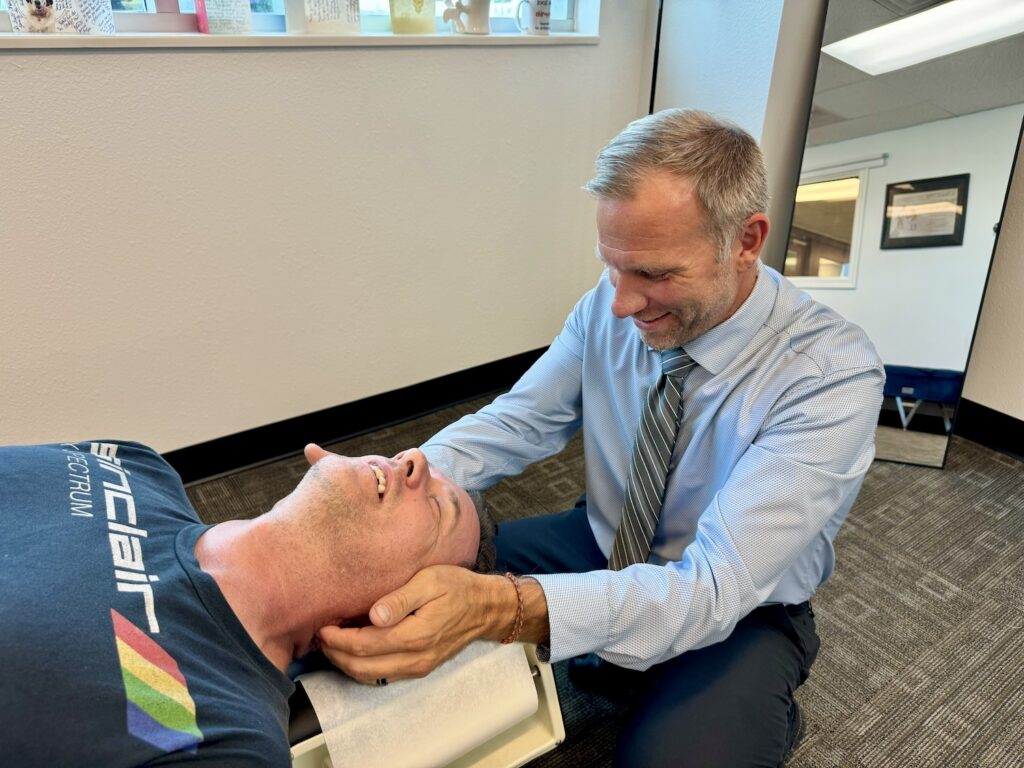
Tension headaches can be a frustrating hurdle in your daily life. They can make it difficult to focus and enjoy activities. Discovering their triggers may seem daunting, but don’t worry—there are natural relief techniques that can help you regain control and promote overall wellness. As a chiropractor, I believe that chiropractic care is an excellent way to manage pain and improve your quality of life.
One key approach to tackling tension headaches is through spinal health. Misalignments in the spine can contribute to muscle tension and headaches. Regular chiropractic adjustments can help realign your spine, which may alleviate pressure and reduce headache frequency. By addressing these issues at their source, chiropractic care can provide lasting relief.
In addition to chiropractic treatments, here are some simple lifestyle changes and relaxation techniques you can implement today:
- Practice Good Posture: Pay attention to your posture while sitting, standing, and using electronic devices. Maintaining a neutral spine can reduce strain on your neck and back.
- Stay Hydrated: Dehydration can contribute to headache symptoms. Make sure you’re drinking plenty of water throughout the day.
- Incorporate Stretching and Exercise: Gentle stretching or regular exercise can relieve muscle tension and improve circulation. Activities like yoga can be particularly beneficial for relaxation.
- Manage Stress: Take time each day to practice relaxation techniques such as deep breathing, meditation, or mindfulness. These can help lower stress levels and prevent tension from building up.
- Create a Comfortable Workspace: If you spend long hours at a desk, ensure your workspace is ergonomically friendly. Adjust your chair, monitor, and keyboard to promote a healthy posture.
- Get Quality Sleep: Aim for restorative sleep each night. A well-rested body is better equipped to manage stress and tension.
By focusing on these strategies and incorporating regular chiropractic care into your routine, you can work towards a headache-free existence. Remember, taking small steps towards better spinal health and overall wellness can lead to significant improvements in your life. If you’re struggling with tension headaches, consider visiting your chiropractor for personalized care and guidance. You deserve to feel your best!
Key Takeaways
Conquer Tension Headaches with Chiropractic Care and Expert Relief Techniques
- To effectively manage your tension headaches, start by identifying your individual triggers. Keeping a headache diary can be a powerful tool. By tracking your symptoms and daily habits, you can pinpoint patterns and take proactive steps to avoid those triggers.
- Deep breathing exercises can be a simple yet effective way to combat stress and promote relaxation during a tension headache episode. Taking a few moments to focus on your breath can help ease the discomfort and bring a sense of calm.
- It’s important to ensure that your workspace is set up ergonomically. Proper posture is key in minimizing strain on your neck and shoulders. Small adjustments, like the height of your chair or the position of your computer screen, can make a significant difference in reducing tension headaches.
- Staying hydrated, engaging in regular physical activity, and maintaining a consistent sleep schedule are essential for overall wellness. These lifestyle choices not only help prevent tension headaches but also promote better health and vitality.
- As a local chiropractor, I encourage you to consider chiropractic care as a natural and effective approach to managing tension headaches. Chiropractic adjustments can address spinal misalignments and relieve muscle tension, providing you with personalized treatment plans tailored to your needs. By focusing on the root cause of your discomfort, chiropractic care can help you achieve optimal health without the need for medications or surgeries.
Incorporating these strategies into your daily routine can lead to significant improvements in your well-being. Remember, the journey to a headache-free life can begin with simple lifestyle changes and the support of chiropractic care.
Understanding Tension Headaches
Tension headaches can feel like a tight band around your head, leading to discomfort that can interfere with your daily activities. These headaches often arise from stress, muscle tension, or fatigue, and understanding their triggers is key to finding relief. Many times, you might notice that when you’re feeling stressed or spending long hours at a computer, pressure builds up in your neck and scalp.
The good news is that tension headaches can vary in intensity and duration, lasting anywhere from 30 minutes to several days. Though they usually don’t come with nausea or vomiting, the dull ache can be persistent and bothersome. Recognizing that these headaches often stem from your daily habits empowers you to take proactive steps towards relief.
One of the most effective ways to manage tension headaches is through chiropractic care. A chiropractor can help address the underlying causes of your headaches, such as misalignments in your spine, which may contribute to muscle tension and discomfort. Regular chiropractic adjustments can promote better spinal health, which in turn can reduce the frequency and intensity of your headaches.
In addition to chiropractic treatment, there are several simple tips you can incorporate into your routine to help prevent tension headaches. Make sure to take regular breaks from screen time to stretch your neck and shoulders, practice relaxation techniques such as deep breathing or meditation, and stay hydrated throughout the day.
Maintaining good posture while sitting and using ergonomic furniture can also make a significant difference.
Identifying Triggers and Symptoms
Identifying the triggers and symptoms of your headaches is a crucial step toward finding effective relief, and as a chiropractor, I believe natural healing is the best path to optimal health.
Start by observing when your headaches tend to occur. Do they come on after long hours at the computer or during particularly stressful moments? These are common triggers that many people experience. Keeping a headache diary can be incredibly helpful; jot down the times your headaches happen and note any specific activities, foods, or environmental factors that could be contributing.
Next, take a moment to recognize the symptoms that accompany your tension headaches. You might feel tightness around your forehead, a dull ache, or increased sensitivity to light and sound. By understanding these symptoms, you can better tune into your body’s signals and make informed choices about your health.
Once you’ve identified your triggers and symptoms, you’re taking an empowering step towards managing your headaches more effectively. Awareness is the first step! With this knowledge, you can explore targeted relief strategies that align with natural wellness.
Chiropractic care can play a significant role here. By addressing spinal alignment and overall body balance, chiropractic adjustments can help reduce headache frequency and intensity, promoting a healthier, pain-free lifestyle.
In addition to chiropractic care, consider incorporating some simple tips into your daily routine. Make sure to take regular breaks from screens, practice good posture, stay hydrated, and include relaxation techniques like deep breathing or gentle stretching.
These habits can help alleviate tension and reduce the likelihood of headaches.
Effective Relaxation Techniques
When tension headaches strike, effective relaxation techniques can be incredibly beneficial. As a local chiropractor, I want to share some methods that can help not only relieve your headache but also promote overall wellness.
Start with deep breathing exercises. Taking slow, deep breaths can calm both your mind and body, reducing the stress that often contributes to headaches. Focus on inhaling deeply through your nose, holding it for a moment, and then exhaling slowly through your mouth. This simple practice can help you feel more relaxed.
Next, consider progressive muscle relaxation. This technique involves tensing and then relaxing different muscle groups in your body, starting from your toes and moving up to your head. By consciously releasing tension in your muscles, you can alleviate the physical stress that may be contributing to your headaches.
In addition to these relaxation techniques, it’s important to remember that regular chiropractic care can play a crucial role in preventing tension headaches. By addressing misalignments in your spine, a chiropractor can help restore proper function to your nervous system, which can reduce the frequency and intensity of headaches over time.
Incorporate these methods into your daily routine, and consider visiting a chiropractor to discuss how spinal health can enhance your overall wellness.
Together, we can create a personalized plan that supports your journey towards a headache-free life and optimal health.
Deep Breathing Exercises
Deep breathing exercises can be a powerful tool for alleviating the discomfort of tension headaches, especially when paired with chiropractic care. These exercises promote relaxation and reduce stress, helping to calm both your mind and body. By focusing on your breath, you may find relief from those stubborn headaches that can often be linked to spinal misalignments or tension in the neck and shoulders.
Here’s how to effectively practice deep breathing:
- Find a quiet space: Choose a comfortable spot, whether sitting or lying down, in a calm environment where you can focus without distractions.
- Inhale deeply: Take a slow, deep breath in through your nose, filling your lungs completely for about four counts. This helps to bring oxygen to your muscles, which can be especially beneficial if you’re experiencing tension.
- Hold your breath: Pause briefly to allow the oxygen to circulate throughout your body, nourishing your tissues and promoting relaxation.
- Exhale slowly: Breathe out through your mouth for six counts, consciously releasing any tension you may be holding in your body.
- Repeat: Continue this cycle for several minutes, keeping your focus solely on your breath. This mindfulness can enhance the benefits of chiropractic adjustments by helping to maintain a relaxed state.
Incorporating this simple yet effective deep breathing technique into your daily routine can complement your chiropractic care. It not only aids in relieving headaches but also contributes to overall well-being.
Progressive Muscle Relaxation
Progressive muscle relaxation (PMR) is a fantastic technique for alleviating tension headaches, and it’s something you can easily incorporate into your daily routine for enhanced wellness. By focusing on tensing and relaxing various muscle groups, PMR helps to release built-up tension in your body, which can be particularly beneficial for those with headaches.
To get started, find a peaceful space where you can sit or lie down comfortably without interruptions. Close your eyes, take a deep, calming breath, and begin by directing your attention to your feet. Tense the muscles in your feet for five seconds, then let go and really feel the relaxation that follows.
Slowly work your way up through your body, focusing on your calves, thighs, abdomen, arms, and neck—tensing and then relaxing each group as you go.
As you practice PMR regularly, you’ll likely notice a significant decrease in muscle tension and stress, which are often contributors to headaches. Additionally, this technique not only promotes relaxation but also complements chiropractic care beautifully.
By aligning your spine and ensuring proper nervous system function, chiropractic care can enhance the benefits of PMR, leading to an even greater sense of well-being.
Incorporating PMR into your wellness routine, alongside regular chiropractic adjustments, can help prevent future headaches and support your journey to optimal health.
Ergonomic Adjustments for Daily Comfort
To combat tension headaches, making ergonomic adjustments in your workspace is crucial. Your desk setup should promote proper posture, which significantly reduces strain on your neck and shoulders. By prioritizing comfort and alignment, you can create a more inviting environment that enhances your well-being throughout the day.
One of the best ways to support your spinal health and alleviate discomfort is through chiropractic care. Regular chiropractic adjustments help ensure your spine is aligned, which can relieve tension in the muscles and nerves that contribute to headaches.
Here are some simple tips to optimize your workspace for better health:
- Chair Height: Adjust your chair so that your feet rest flat on the ground and your knees are at a 90-degree angle. This encourages proper posture and spinal alignment.
- Monitor Position: Keep your computer screen at eye level to prevent neck strain. If necessary, use a monitor riser to elevate your screen.
- Keyboard and Mouse Placement: Position your keyboard and mouse so that your arms are relaxed and your elbows are at a comfortable angle. This will help reduce strain on your shoulders and wrists.
- Take Breaks: Remember to take regular breaks to stretch and move around. This not only helps relieve tension but also promotes better circulation.
- Stay Hydrated: Drinking plenty of water throughout the day supports overall health, including maintaining optimal spinal function and reducing headache triggers.
By incorporating these ergonomic adjustments and considering regular chiropractic care, you can create a healthier workspace that supports your overall wellness and helps relieve tension headaches naturally.
Your journey to optimal health starts with prioritizing your spinal health!
Workspace Setup Tips
Even if you love your job, a poorly set up workspace can lead to discomfort and tension headaches that can impact your overall well-being.
As a chiropractor, I want to share some tips on how to create a more ergonomic environment that not only promotes comfort but also supports your spine health. Making small adjustments in your workspace can lead to significant improvements in your daily productivity and wellness:
- Monitor Height: Ensure that your screen is at eye level. This simple adjustment can help prevent neck strain and promote a healthier posture, which is crucial for spinal health.
- Chair Support: Choose a chair that offers proper lumbar support. This will help maintain the natural curve of your lower back, reducing the risk of pain and discomfort over time.
- Keyboard Position: Position your keyboard at elbow height to avoid unnecessary strain on your wrists. Keeping your arms at a 90-degree angle while typing can protect your joints and enhance your comfort.
- Lighting: Adjust your lighting to minimize glare on your screen. Adequate lighting can reduce eye strain and help you stay focused, allowing your body to stay relaxed and tension-free.
- Desk Clutter: Keeping your workspace organized can help reduce distractions and stress. A tidy environment not only boosts your productivity but also contributes to a more peaceful state of mind.
Remember, while these adjustments can go a long way in improving your comfort, regular chiropractic care is essential for maintaining optimal spinal health and preventing pain.
A chiropractor can provide personalized advice and treatment to help you achieve a balanced and healthy lifestyle. Prioritizing your spine health today will pay off in the long run, leading to a more comfortable and fulfilling work experience!
Proper Posture Practices
Maintaining proper posture is crucial for your overall health and well-being, especially when you spend long hours at a desk. As a chiropractor, I want to emphasize how good posture can prevent discomfort and tension headaches, leading to a healthier, happier you.
To start, ensure you’re sitting all the way back in your chair, which helps support your lower back. This support is vital for maintaining the natural curve of your spine. Keep your feet flat on the floor with your knees at hip level or slightly lower; this alignment helps distribute your weight evenly and reduces strain on your back.
Position your monitor at eye level to avoid straining your neck. If your monitor is too low, you’ll tend to lean forward, which can lead to neck and back pain. Using a chair that allows your elbows to rest at a 90-degree angle while typing is also important; this position helps reduce tension in your shoulders and neck.
Don’t forget to take regular breaks! Standing up, stretching, and moving around can help relieve built-up tension in your muscles. Simple stretches, like neck rolls or shoulder shrugs, can work wonders in refreshing your body and mind.
Being mindful of your posture throughout the day is key. Make adjustments as needed to ensure you’re aligned properly. Remember, proper posture not only makes you feel better, but it also supports your spine, which is essential for your overall health.
By incorporating these practices into your daily routine, you can create a more comfortable workspace and significantly reduce your risk of tension headaches.
If you’re experiencing persistent pain or discomfort, consider visiting a chiropractor. We specialize in natural healing and can help you achieve optimal health through proper spinal care. Your body will thank you!
Lifestyle Changes to Prevent Headaches
While you may not always be able to control the triggers for tension headaches, incorporating certain lifestyle changes can significantly lower their frequency and intensity. As a local chiropractor, I want to share some effective strategies to enhance your overall wellness and support your spinal health, which can play a crucial role in headache relief:
- Stay Hydrated: Drinking plenty of water throughout the day is vital. Dehydration can lead to headaches, so ensure you’re consuming enough fluids to keep your body, including your spine, functioning optimally.
- Regular Exercise: Engaging in regular physical activity, such as walking or yoga, not only helps relieve stress but also promotes spinal health. Strong and flexible muscles around your spine can reduce tension and prevent headaches.
- Maintain a Sleep Schedule: Consistency in your sleep patterns is essential. Going to bed and waking up at the same time each day supports your body’s natural rhythm and helps reduce tension in your neck and shoulders, which can contribute to headaches.
- Limit Caffeine and Alcohol: Reducing your intake of caffeine and alcohol can help decrease the likelihood of headaches. These substances can lead to dehydration and tension, so opting for alternatives like herbal teas or water can support your wellness journey.
- Practice Relaxation Techniques: Incorporating activities such as meditation or deep breathing exercises can effectively manage stress. These practices not only promote relaxation but also support spinal alignment, which is key in preventing tension-related headaches.
By focusing on these lifestyle changes and embracing chiropractic care, you can take proactive steps towards a healthier, headache-free life.
Chiropractic adjustments can help alleviate tension in the spine and surrounding muscles, providing you with natural relief and enhancing your overall well-being.
Seeking Professional Help and Treatment Options
If you find that lifestyle changes alone aren’t enough to manage your tension headaches, it may be time to explore the benefits of chiropractic care. As a chiropractor, I understand how important it’s to address the root cause of your discomfort, rather than just masking the symptoms. A thorough assessment can help identify any misalignments in your spine that could be contributing to your headaches.
Chiropractic adjustments can effectively relieve muscle tension, improve posture, and promote better spinal alignment, all of which are crucial in managing tension headaches. In addition, incorporating stretches and exercises into your daily routine can help strengthen your neck and back muscles, further supporting your spine and reducing headache frequency.
Many patients find that regular chiropractic visits not only provide immediate relief but also contribute to long-term wellness. We can work together to develop a personalized care plan that suits your needs, ensuring you regain control over your life and minimize headaches naturally.
Additionally, consider implementing some simple lifestyle tips: stay hydrated, practice good ergonomics at your workstation, and take regular breaks to stretch and relax your muscles.
Conclusion
Conquering tension headaches can be a journey, but with the right approach, you can find lasting relief and improve your overall well-being. As a local chiropractor, I want to share some simple yet effective techniques that focus on natural healing and spinal health.
First, it’s essential to be aware of what triggers your tension headaches. Common culprits include stress, poor posture, and long periods of screen time. By identifying these triggers, you can take proactive steps to minimize their impact.
Practicing relaxation techniques is another valuable tool in your arsenal. Deep breathing exercises, gentle stretching, and even meditation can help alleviate tension and promote a sense of calm. Incorporating these practices into your daily routine can significantly reduce headache frequency and intensity.
Maintaining good posture, especially in your workspace, is crucial. Slouching or hunching over can strain your neck and back, leading to discomfort and headaches. Make sure your workspace is ergonomically designed, with your screen at eye level and your chair providing adequate support.
Don’t forget the importance of hydration! Drinking plenty of water throughout the day helps keep your body functioning optimally and can prevent dehydration-related headaches. Additionally, regular exercise is vital for overall health and can help reduce stress, which is often a significant factor in tension headaches.
If headaches persist despite these lifestyle adjustments, consider seeking chiropractic care. A chiropractor can assess your spinal health and provide personalized treatments to alleviate tension and restore balance to your body. Chiropractic adjustments can help improve your posture, reduce muscle tension, and enhance your overall wellness.
By taking control of your health with these natural strategies and considering the benefits of chiropractic care, you can pave the way for a headache-free life. Remember, you have the power to improve your well-being and enjoy a more vibrant, pain-free existence.