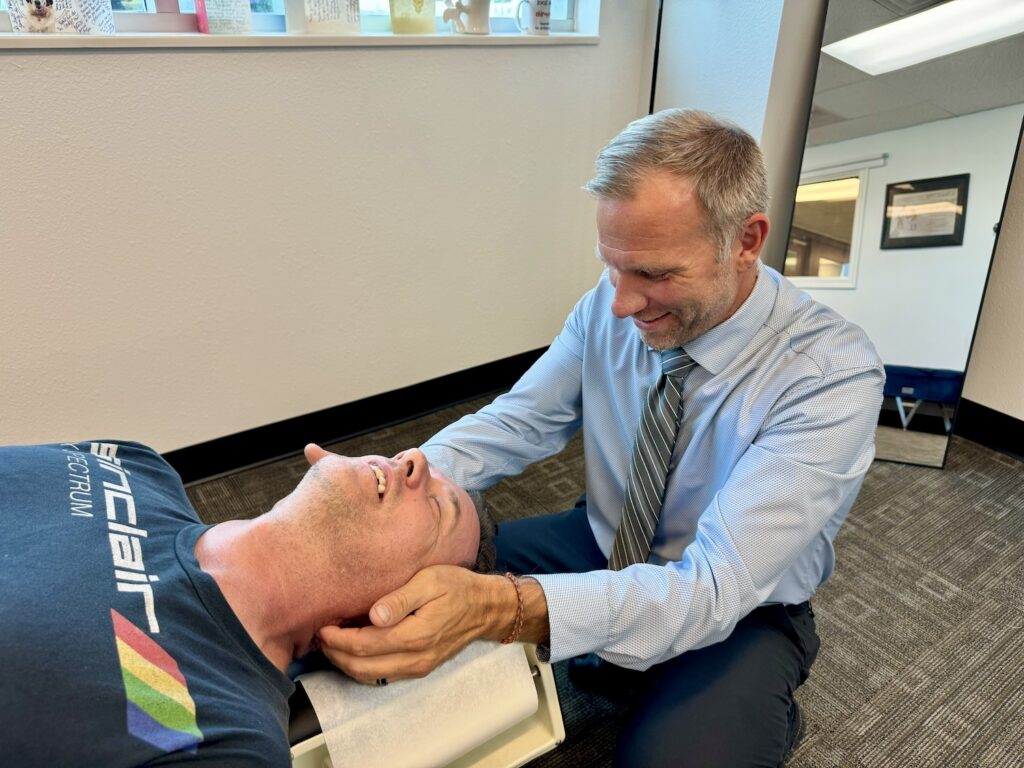
As a local chiropractor, I want to share some insights about the discomfort you may feel in your upper back, especially after spending long hours at your desk. It's a common issue that many of my patients face, often stemming from poor posture and limited movement throughout the day. Understanding the root causes of this tension is the first step toward finding relief.
You might be inclined to dismiss these aches as a normal part of aging, but I encourage you to consider how small changes in your daily routine can have a profound impact on your comfort and overall well-being. Simple adjustments, such as improving your posture, incorporating regular movement into your day, and practicing mindfulness about your body's alignment can make a significant difference.
So, what can you do today to start feeling better? Let's explore some strategies together that promote natural healing and help you reclaim your comfort. Remember, you don't have to live with discomfort – there are effective solutions available through chiropractic care and lifestyle modifications that can enhance your quality of life.
Understanding Upper Back Pain
As a local chiropractor, I often see patients grappling with upper back pain, and I understand how frustrating and debilitating it can be. This discomfort can sneak up on you, whether you're sitting at your desk for long hours or lifting groceries. You may notice a tightness or dull ache that distracts you from your daily activities. Understanding the underlying causes of upper back pain is crucial for finding effective relief.
Your upper back, or thoracic spine, is made up of 12 vertebrae, and it plays a vital role in maintaining good posture and facilitating upper body movements. When you're experiencing pain in this area, it could be caused by several factors, including muscle strain, poor posture, or overuse. It's essential to listen to your body; if you notice pain following certain activities, it might be time to reassess your daily habits.
Your lifestyle can significantly influence upper back pain. Spending long hours hunched over a computer or slouched on the couch can place undue strain on your muscles. Additionally, stress and tension can manifest as stiffness and discomfort in your upper back. Recognizing these patterns is the first step toward finding relief.
Moreover, it's important to consider how your core muscles contribute to your upper back's health. Weak core muscles can lead to imbalances that exacerbate pain in the upper back area. By understanding the mechanics of your body, you empower yourself to address the issue more effectively.
Staying active and maintaining proper posture is key, and if your pain persists, I encourage you to seek professional guidance. Chiropractic care can provide natural healing options tailored to your needs, helping you regain balance and comfort in your daily life.
Common Causes of Discomfort
As a local chiropractor, I want to help you understand some common causes of discomfort in the upper back and how recognizing them can lead to effective relief. One significant contributor is muscle strain, which often occurs due to overexertion or improper lifting techniques.
If you've recently engaged in physically demanding activities or found yourself hunched over a desk for long periods, your muscles may be feeling the repercussions.
Another factor to consider is tension and stress. When we experience stress, our bodies tend to tense up, particularly in the shoulders and upper back. You may not even be aware of how much tension you're holding, but it can lead to persistent discomfort.
Taking a moment to practice deep breathing and relaxation techniques can be remarkably beneficial in alleviating that tension.
Your sleeping position can also play a crucial role in your upper back health. If you tend to sleep on your stomach or lack proper support from your pillow, it can result in misalignment and pain.
I encourage you to evaluate your sleeping habits and consider using a supportive pillow or adjusting your position to promote better spinal alignment.
Repetitive motions at work can also lead to strain. If your job involves constant reaching or similar repetitive actions, you may notice discomfort developing over time.
It's essential to incorporate regular breaks and stretching into your daily routine to help relieve some of that tension.
Lastly, underlying conditions such as herniated discs or arthritis may be contributing to your discomfort. If you suspect that you have a more serious issue, I urge you to consult with a healthcare professional.
Importance of Good Posture
As a local chiropractor, I want to emphasize that good posture isn't just about projecting confidence; it plays a crucial role in your overall health and well-being.
Proper alignment of your spine and body can significantly enhance how you feel throughout the day, influencing everything from your energy levels to your mood.
When you make good posture a priority, you aren't only investing in your physical comfort but also setting the stage for a more productive and fulfilling life.
Remember, maintaining proper posture can help prevent pain and discomfort, allowing your body to function optimally.
Let's work together to achieve and maintain that alignment for your health journey!
Benefits of Proper Alignment
As a local chiropractor, I want to emphasize the incredible importance of proper alignment for your overall health and well-being. When your spine is in its optimal position, you'll likely experience a noticeable reduction in muscle tension and discomfort. This means fewer aches in areas like your upper back, neck, and shoulders, allowing you to move freely and comfortably throughout your day.
You might be surprised to learn that good posture can also enhance your breathing. When your spine is aligned correctly, your lungs have the space they need to expand fully, which can lead to increased energy levels and better focus. Many of my patients report feeling more alert and capable of handling their daily tasks after receiving care.
Moreover, maintaining proper alignment can improve your body's natural biomechanics. This means you'll experience better strength and efficiency during physical activities, whether you're exercising or going about your everyday movements. Many of my patients notice an uptick in their overall performance and a reduced risk of injury as their alignment improves.
Lastly, I want to highlight that proper alignment can boost your confidence. Standing tall and proud not only enhances how you feel about yourself but also influences how others perceive you.
Impact on Daily Life
As a local chiropractor, I want to share with you the incredible impact that good posture can have on your daily life. Many people don't realize that the way you hold your body influences not only your physical health but also your mental well-being and overall productivity.
By maintaining a straight spine and open shoulders, you may experience heightened energy levels and an increase in confidence.
Here are some key benefits of prioritizing good posture that I often discuss with my patients:
- Improved Focus: When your body is aligned properly, you're less likely to be distracted by discomfort or pain, allowing you to concentrate better on your tasks.
- Enhanced Mood: Standing tall can significantly boost your confidence and promote a more positive mindset. This shift in attitude can help you face daily challenges with greater resilience.
- Reduced Fatigue: Proper spinal alignment helps your body work more efficiently, reducing muscle strain and minimizing feelings of tiredness throughout the day.
By focusing on your posture, you can take significant strides toward improving your quality of life.
As your chiropractor, I'm here to guide you on this journey to better health through natural healing practices. Let's work together to help you stand tall and feel your best!
Stretching Exercises for Relief
As a local chiropractor, I understand that many of you may experience tightness in your upper back, and I want to share how incorporating stretching exercises into your daily routine can significantly help alleviate discomfort. Stretching is a natural way to release tension, enhance flexibility, and improve your posture—essential components of overall spinal health.
Let's start with the Cat-Cow stretch. This dynamic movement is excellent for mobilizing your spine. Begin on all fours with your wrists aligned under your shoulders and your knees under your hips. As you inhale, arch your back, lifting your head and tailbone towards the ceiling (this is the Cow position). Then exhale, rounding your spine and tucking your chin to your chest (the Cat position). Aim to repeat this sequence 5-10 times. It's a simple yet effective way to loosen up your spine.
Next, I recommend the Child's Pose, which is fantastic for stretching the upper back. Kneel on the floor and sit back on your heels, extending your arms forward and resting your forehead on the ground. Hold this pose for 30 seconds to a minute, concentrating on deep, calming breaths. This stretch will help relieve tension across your upper back and shoulders.
Another beneficial stretch is the Doorway Stretch. Stand in a doorway and place your forearms on the door frame. Step forward with one foot, gently leaning your chest through the doorway. Hold this position for 20-30 seconds; it's a great way to open up your chest and alleviate tightness in your upper back.
Lastly, the Neck Stretch is crucial for easing tension. While sitting or standing with good posture, gently tilt your head to one side, using your hand to apply light pressure. Hold for 15-20 seconds on each side. This stretch can significantly help to reduce neck and upper back stiffness.
Strengthening Your Upper Back
As a local chiropractor, I want to share some valuable insights on how to effectively strengthen your upper back.
It's essential to focus on specific exercises that engage the muscles in this area. By integrating these workouts with proper posture practices, you'll not only enhance your strength but also help prevent any discomfort or issues down the line.
Moreover, flexibility is a key component of overall back health. I encourage you to incorporate stretching into your routine, as it plays a vital role in maintaining a strong and resilient upper back.
By taking these steps, you can support your spine's natural alignment and promote better overall well-being.
Key Strengthening Exercises
As a local chiropractor, I want to emphasize the importance of strengthening your upper back for improving your posture and alleviating discomfort. Many patients come to me seeking relief from back pain, and one effective approach we can take is to incorporate specific exercises that build the muscles supporting your spine.
Here are three key exercises that can enhance your overall well-being and are simple to integrate into your daily routine:
- Seated Rows: You can perform this exercise using a resistance band or a cable machine. Sit up straight in a chair, and pull the handles towards your chest while keeping your elbows close to your body. This movement effectively targets the rhomboids and latissimus dorsi, which are crucial for a healthy upper back.
- Face Pulls: For this exercise, attach a resistance band at eye level. Stand back and pull the band towards your face, focusing on squeezing your shoulder blades together. This exercise is excellent for strengthening your upper back and rear deltoids, which can help with proper alignment and posture.
- Wall Angels: To do this exercise, stand with your back against a wall, placing your feet slightly away from it. Raise your arms into a "W" position, and then slide them up to form a "Y," making sure to keep your arms and back in contact with the wall. This movement not only strengthens your upper back but also promotes mobility, which is vital for maintaining a healthy spine.
Incorporating these exercises into your routine can be a powerful step towards better spinal health and overall wellness.
If you have any questions or need guidance on how to perform these exercises correctly, don't hesitate to reach out during your next visit!
Proper Posture Techniques
As a local chiropractor, I want to emphasize the importance of maintaining proper posture for not only strengthening your upper back but also for enhancing your overall spinal health. Many of you may not realize how crucial good posture is in our daily lives.
When sitting or standing, it's vital to keep your shoulders back and relaxed to avoid that common hunch that many fall into. A helpful visualization is to imagine a string gently pulling your head up towards the ceiling; this can assist you in aligning your spine correctly.
When seated, ensure your feet are flat on the floor and that your knees form a right angle. It's important to have a chair that supports an upright position. Consider placing a small cushion behind your lower back for added support.
If you're standing, remember to distribute your weight evenly on both feet and engage your core muscles to stabilize your pelvis and lower back.
I encourage you to incorporate posture checks throughout your day. Set reminders for yourself to adjust your posture if you catch yourself slouching.
For those of you who work at a desk, pay attention to ergonomics—position your computer screen at eye level to prevent straining your neck. Even while walking, practice keeping your chin up and shoulders back.
These simple adjustments won't only help reinforce your upper back muscles but also lead to improved posture and reduced discomfort.
Stretching for Flexibility
As a local chiropractor, I often emphasize the importance of incorporating stretching into your daily routine to enhance flexibility and strength in your upper back. Many of my patients are surprised to learn that regular stretching not only alleviates tension but also significantly improves posture, making everyday activities much more comfortable.
Here are a few key benefits of stretching that I want to share with you:
- Increased Range of Motion: Stretching plays a vital role in loosening tight muscles, which can lead to smoother movements and improved overall mobility. This is essential for maintaining a healthy spine and preventing injuries.
- Reduced Pain and Discomfort: Many individuals experience upper back pain due to muscle tightness. By incorporating regular stretching, you can alleviate this tension, leading to a noticeable decrease in pain and soreness.
- Improved Blood Circulation: Stretching enhances blood flow, which is crucial for healing and recovery in your upper back muscles. Improved circulation can help you feel more energized and less fatigued throughout the day.
To get started on your journey to better upper back health, I recommend incorporating simple stretches such as the Cat-Cow stretch, Child's Pose, or Thoracic Extension into your routine.
Aim to hold each position for about 20-30 seconds, focusing on your breathing and allowing yourself to release any tightness. Over time, you should notice significant improvements in both flexibility and strength.
Remember, consistency is key! Making stretching a regular part of your day can lead to lasting benefits for your upper back health and overall well-being.
If you have any questions or would like personalized guidance, feel free to reach out during your next visit!
Ergonomic Workspace Solutions
As a local chiropractor, I want to emphasize the importance of creating an ergonomic workspace to help prevent and alleviate upper back pain. Many of you spend long hours at your desks, and how you set up your workspace can make a significant difference in your comfort and overall health.
Let's start with your chair. It's essential to choose one that provides proper support for your lower back. Make sure your feet can rest flat on the floor or on a footrest. Adjust the chair height so that your knees are at or slightly below hip level, which promotes better posture.
Next, consider the placement of your computer monitor. It should be at eye level and about an arm's length away. This positioning helps prevent neck strain and encourages you to keep your shoulders relaxed. If you're using a laptop, I recommend investing in a laptop stand or an external monitor to achieve the correct height.
Your keyboard and mouse should be positioned close enough so that your elbows can remain at a 90-degree angle. Using a wrist rest can also help maintain a neutral wrist position, reducing the risk of strain. Additionally, ensure that your desk has ample space for all your necessary equipment, minimizing clutter that can disrupt your workspace.
Take the time to organize your desk effectively. Place frequently used items within easy reach to reduce unnecessary stretching and twisting, which can lead to discomfort and misalignments.
Lastly, don't underestimate the importance of good lighting. Proper lighting can help reduce eye strain and allow you to maintain a neutral posture while you work.
By implementing these ergonomic workspace solutions, you can create a more comfortable environment that supports your upper back health. This won't only help you stay productive but also contribute to your overall well-being and pain-free living.
Incorporating Movement Into Your Day
As a local chiropractor, I want to emphasize the importance of incorporating movement into your daily routine for the health of your upper back. Many people underestimate how simple adjustments to your workspace can create a more comfortable environment and prevent discomfort.
By following basic desk ergonomics, you can significantly enhance your posture and reduce strain.
Additionally, I encourage you to take regular stretch breaks throughout your day. These breaks are essential for relieving tension that builds up from prolonged sitting or repetitive movements.
Let's discuss some straightforward and effective strategies that can help you stay active, improve your posture, and ultimately support your overall well-being.
Desk Ergonomics Tips
As a chiropractor, I often see patients struggling with upper back discomfort, which can significantly impact their daily lives. One effective way to alleviate this pain is by incorporating movement into your workday. You don't need to completely overhaul your routine; small adjustments can lead to substantial relief and promote overall well-being.
Creating an ergonomic workspace is the first step toward encouraging movement and maintaining good posture. Here are a few practical tips to help you get moving throughout the day:
- Stand and Stretch: I recommend taking a minute every hour to stand up and stretch your arms and back. This simple activity can release built-up tension and enhance blood circulation, making a noticeable difference in how you feel.
- Use a Standing Desk: If it's feasible for your workspace, consider alternating between sitting and standing. This variation helps engage your muscles and reduces the stiffness that often contributes to upper back pain.
- Keep Essentials Within Reach: Organize your desk so that you need to stand up to access items like files or water. This small adjustment will motivate you to move around more throughout your workday.
By integrating these practices into your routine, you'll not only alleviate upper back pain but also enhance your overall productivity.
Stretch Break Ideas
As a local chiropractor, I want to emphasize the importance of taking regular stretch breaks to enhance your overall well-being. Many of my patients are surprised to learn how just a few minutes of stretching each hour can significantly reduce tension in the upper back and neck. Simple stretches, such as shoulder rolls and neck tilts, can be remarkably effective. I encourage you to stand up, roll your shoulders forward and backward, and hold each position for a few seconds to release tightness.
Incorporating movement into your daily routine is another essential practice I recommend. Whether it's walking around your workspace or performing light squats during breaks, these activities promote blood circulation and help counteract the negative effects of prolonged sitting.
If possible, consider taking your phone calls while standing or walking; this keeps your body engaged and active.
To help you remember to take these stretch breaks, consider setting a timer on your phone or using an app designed for reminders. You might also explore yoga poses such as the cat-cow stretch or child's pose for quick refreshers.
The key to these practices is consistency. By integrating these stretches into your routine, you'll likely experience increased energy levels and reduced stress, contributing to your overall health and wellness.
Heat and Cold Therapy
As a chiropractor, I often see patients struggling with upper back pain, and I want to share how heat and cold therapy can be powerful tools in your recovery journey. By understanding how to use these therapies effectively, you can promote healing, reduce inflammation, and relieve muscle tension.
Heat therapy is particularly beneficial for increasing blood circulation and relaxing tight muscles. Here are some effective methods you can try:
- Heating pads: Applying a heating pad for 15-20 minutes can do wonders for soothing discomfort.
- Warm baths: Soaking in a warm bath with Epsom salts can help relax your muscles and provide relief from pain.
- Hot towels: If you're pressed for time, a damp towel microwaved for a quick heat application can bring immediate comfort.
On the flip side, cold therapy is essential for numbing pain and minimizing swelling, especially right after an injury or strain. Here are some ways to effectively use cold therapy:
- Ice packs: Wrap an ice pack in a towel and apply it to the affected area for 15-20 minutes to help reduce inflammation.
- Frozen peas: A bag of frozen peas is a flexible option that easily molds to your back, providing targeted relief.
- Cold gel packs: These are reusable and perfect for delivering cold therapy directly to the painful area.
By incorporating both heat and cold therapy into your routine, you'll be taking proactive steps toward managing your upper back pain.
If you have any questions or need further guidance on how to integrate these therapies into your care plan, don't hesitate to reach out to me. Your journey to wellness is important, and I'm here to help!
When to Seek Professional Help
As a local chiropractor, I want to help you understand when it's time to seek professional help for upper back pain, especially if you're not familiar with chiropractic care and natural healing methods. Recognizing the right moments to reach out can significantly enhance your recovery process.
If your upper back pain lasts more than a few days or worsens despite trying home remedies, it's important to consult a healthcare provider—ideally, someone who understands natural healing, like a chiropractor. Ignoring ongoing discomfort can lead to more serious complications, so don't hesitate to seek assistance.
Be mindful of any additional symptoms that may accompany your upper back pain. If you experience numbness, tingling, or weakness in your arms or legs, it's crucial to see a chiropractor immediately. These sensations could indicate nerve involvement, which requires prompt evaluation and care.
Moreover, if your pain is severe enough to disrupt your daily activities—such as work or exercise—it's wise to seek professional guidance.
In the case of a recent injury or trauma to your back, don't wait for the pain to go away on its own. A professional assessment from a chiropractor can help identify any fractures or serious conditions that may need attention.
Furthermore, if you notice any changes in your bowel or bladder control, it's essential to seek medical attention right away, as this could signal a serious issue needing immediate care.
Lastly, if your upper back pain is accompanied by unexplained weight loss, fever, or persistent fatigue, these could be indicators of an underlying health concern. In such instances, I encourage you to consult a healthcare professional for a thorough evaluation.
Lifestyle Changes for Prevention
As a local chiropractor, I want to share some valuable insights on how you can prevent upper back pain through simple lifestyle changes. Many people don't realize how everyday habits can contribute to discomfort, but with a few adjustments, you can experience significant relief and improve your overall well-being.
One of the first things to consider is your posture. It's crucial to maintain a neutral spine whether you're sitting at your desk or standing throughout the day. I encourage you to invest in ergonomic furniture that supports your back, and don't forget to take regular breaks to stretch and realign your body. This not only helps reduce tension but also helps you stay mindful of your posture.
In addition to posture, incorporating regular physical activity into your daily routine is essential. Strengthening your core muscles is key to supporting your spine and enhancing overall stability. Activities such as yoga or Pilates are excellent choices, as they promote flexibility and balance, which can significantly lower your risk of experiencing pain.
Another important factor is your sleep environment. A supportive mattress and pillow can greatly impact how well you rest. Ensuring that your sleeping position aligns your spine properly is vital, as poor sleep posture can lead to tension and discomfort in your back.
Here are some key lifestyle changes I recommend:
- Practice good ergonomics: Adjust your workspace to enhance your posture and reduce strain on your back.
- Engage in regular exercises: Focus on activities that specifically strengthen your back and core to provide better support.
- Optimize your sleep quality: Invest in a mattress and pillows that offer the right level of support for your spine.
Conclusion
As a local chiropractor, I want to share some valuable insights on how you can alleviate upper back pain through natural methods. By integrating these strategies into your everyday life, you can significantly improve your spinal health and overall comfort.
First and foremost, maintaining good posture is essential. It may seem simple, but being mindful of how you sit, stand, and move can prevent unnecessary strain on your upper back. Alongside this, I recommend engaging in regular stretching and strengthening exercises tailored to support your back muscles. Staying active not only helps to reduce discomfort but also enhances your overall well-being.
Don't underestimate the power of heat and cold therapy; these can provide immediate relief and help soothe inflamed areas. If you find that your pain persists despite these efforts, I encourage you to seek professional help. As a chiropractor, I can assess your condition and work with you to develop a personalized treatment plan.
With a few lifestyle adjustments and a commitment to your health, you can effectively combat those upper back blues and enjoy a more comfortable life. Remember, your spinal health is crucial, and taking proactive steps can make a world of difference!