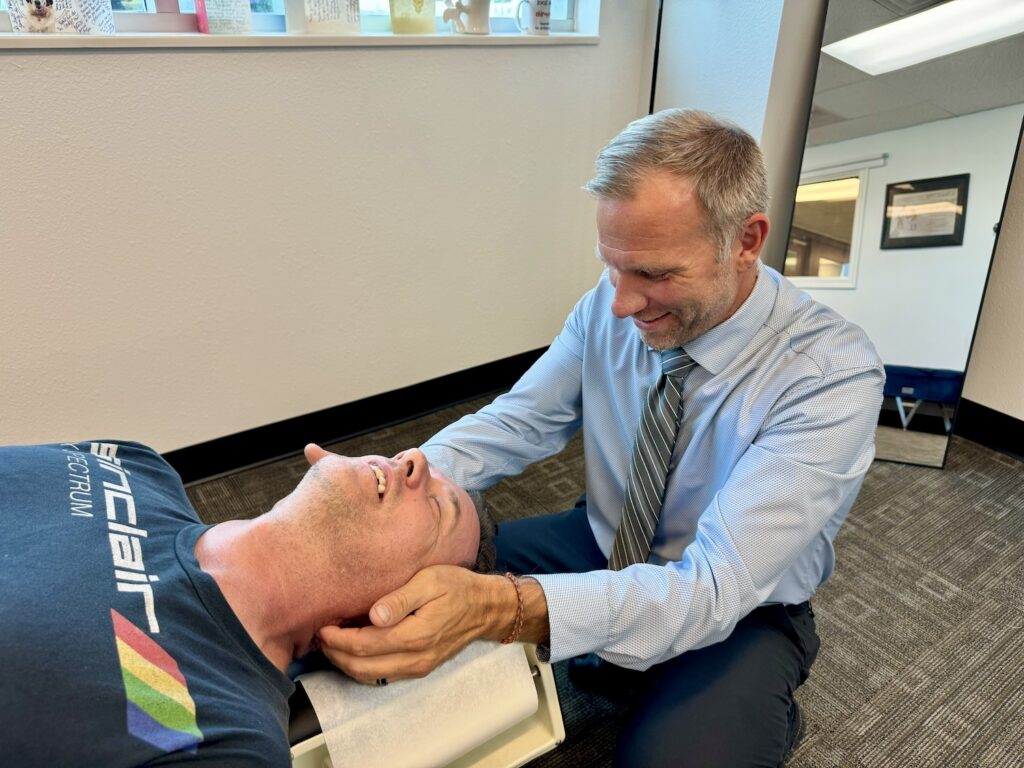
Your spine is crucial to your overall health and well-being, and caring for it is essential for a pain-free life. As a chiropractor, I believe that by incorporating daily practices focused on flexibility, strength, and proper posture, you can significantly lower your chances of experiencing spinal pain.
It’s not only about what you do but also how you do it that counts. Simple adjustments to your daily routine can lead to lasting benefits for your spine. Here are some effective strategies to help you maintain a healthy spine:
- Prioritize Posture: Whether you’re sitting at a desk or standing in line, always be mindful of your posture. Keep your shoulders back, your head aligned with your spine, and your feet flat on the ground. Good posture can prevent unnecessary strain on your spine.
- Incorporate Stretching: Daily stretching can enhance flexibility and reduce tension in your back muscles. Simple stretches like reaching for the sky, torso twists, or gentle back bends can relieve tightness and improve your spinal health.
- Strengthen Core Muscles: A strong core is vital for spinal support. Incorporate exercises like planks, bridges, or gentle yoga into your routine. Strengthening your core muscles helps stabilize your spine and can prevent pain.
- Stay Active: Regular physical activity is essential for maintaining a healthy spine. Whether it’s walking, swimming, or practicing yoga, find an activity you enjoy that keeps you moving and supports your spinal health.
- Listen to Your Body: Pay attention to how your body feels during daily activities. If you notice discomfort or strain, take a moment to adjust your position or take a break. Listening to your body can help prevent injuries.
- Consider Chiropractic Care: Regular visits to a chiropractor can provide natural relief from pain and help you achieve optimal health. Chiropractic adjustments can improve alignment, enhance mobility, and support your body’s natural healing processes.
By adopting these simple yet effective practices, you can take charge of your spinal health and enhance your overall well-being. Remember, a healthy spine is key to a healthy life, and chiropractic care is a natural and effective way to achieve that balance.
Understanding Spinal Anatomy
Understanding spinal anatomy is key to maintaining a healthy back and overall well-being. Your spine is made up of 33 vertebrae, organized into five regions: cervical, thoracic, lumbar, sacral, and coccygeal. Each of these sections has a unique role in supporting your body and protecting your spinal cord. For instance, the cervical vertebrae support your neck and facilitate movement, while the thoracic and lumbar regions provide stability for your upper and lower back.
Intervertebral discs are vital components that act as cushions between the vertebrae, absorbing shock and allowing for flexibility as you move throughout your day. The ligaments and muscles surrounding your spine offer stability and strength, enabling you to perform daily activities without discomfort.
Understanding how these parts work together can empower you to appreciate the importance of spinal health. By focusing on your spinal anatomy, you can make informed decisions that promote a healthier back. Engaging in activities that strengthen your back, such as gentle stretching, regular exercise, and maintaining good posture, can significantly reduce the risk of injury.
Chiropractic care is an excellent choice for achieving optimal health and pain relief. Chiropractors are trained to assess and treat spinal issues, helping to restore proper alignment and function. Regular chiropractic adjustments can enhance your overall wellness, improve your posture, and alleviate pain naturally—without the need for surgeries or medications.
The Importance of Good Posture
The Importance of Good Posture
As a chiropractor, I can’t stress enough how crucial good posture is for maintaining a healthy spine and overall wellness. When you sit or stand correctly, you significantly reduce strain on your spine and muscles, which helps prevent pain and discomfort. Being mindful of your posture throughout the day is essential for achieving optimal health.
Here are some key benefits of maintaining good posture, and how chiropractic care can help:
- Reduces back and neck pain: Proper alignment alleviates pressure on your spine. Regular chiropractic adjustments can help ensure that your spine stays aligned, reducing the risk of pain in these areas.
- Improves breathing: Standing tall allows your lungs to expand fully, which can enhance your oxygen intake. A chiropractor can teach you exercises to strengthen your core muscles, which play a vital role in maintaining good posture.
- Enhances circulation: Good posture promotes better blood flow, keeping you energized throughout the day. Chiropractic care helps ensure your body’s systems function smoothly, supporting overall circulation.
- Boosts confidence: An upright stance not only improves your physical health but can also positively influence your mood and self-esteem. Many of my patients notice an increase in confidence after experiencing the benefits of chiropractic care.
Tips for Maintaining Good Posture:
- Be aware of your body: Check in with yourself throughout the day. Are your shoulders back? Is your head aligned with your spine?
- Use ergonomic furniture: If you work at a desk, invest in a chair that supports your lower back and encourages a natural posture.
- Take breaks: Stand up, stretch, and move around every hour to prevent stiffness and reinforce proper spinal alignment.
- Strengthen your core: Engage in exercises that strengthen your abdominal and back muscles, as a strong core supports good posture.
- Schedule regular chiropractic visits: Regular adjustments can help maintain spinal alignment and improve your posture over time.
By focusing on good posture and incorporating chiropractic care into your health routine, you can achieve a pain-free, healthier lifestyle.
Ergonomic Workstation Setup
Creating an ergonomic workstation is crucial for anyone who spends extended hours at a desk, especially for those focused on maintaining their spinal health. As a chiropractor, I want to share some simple adjustments you can make to enhance your comfort and well-being while you work.
Start by adjusting your chair so that your feet rest flat on the floor and your knees form a 90-degree angle. This position helps support your spine’s natural curve and reduces the risk of discomfort. Make sure your chair has good lumbar support to cradle your lower back, promoting proper posture.
Next, position your monitor at eye level, about an arm’s length away. This setup helps prevent neck strain, which is a common issue for those who spend long hours in front of screens. If you’re using a laptop, consider investing in an external keyboard and mouse. This allows you to create a more favorable positioning for your arms and wrists, ensuring they stay straight and close to your body while typing.
Keep your workspace organized to minimize the need to reach for frequently used items. By placing them within easy reach, you can avoid unnecessary strain on your back and shoulders.
Lastly, ensure you have sufficient lighting to reduce glare on your screen. Proper lighting not only helps you see better but also reduces eye strain, contributing to your overall wellness.
By taking these steps, you can establish a more comfortable and supportive workspace that prioritizes your spinal health.
Stretching and Flexibility Exercises
Incorporating stretching and flexibility exercises into your daily routine can significantly improve your spinal health and overall well-being. These simple yet effective movements help keep your muscles limber, reducing the risk of stiffness and discomfort.
Here are some key benefits of stretching that you should consider:
- Improves circulation: Stretching increases blood flow to your muscles, which aids in recovery and reduces soreness after physical activity.
- Enhances mobility: Regular stretching can expand your range of motion, making everyday tasks easier and more enjoyable.
- Reduces tension: Stretching alleviates tightness in your back and neck, promoting relaxation and reducing discomfort, allowing you to feel more at ease.
- Boosts posture: Engaging in stretching exercises encourages better spinal alignment, which can help prevent future pain and injuries.
As a chiropractor, I emphasize the importance of maintaining flexibility for a healthy spine. Aim to include simple stretches like the cat-cow, child’s pose, and spinal twists in your routine. Just a few minutes each day can lead to lasting benefits.
Remember, these exercises aren’t just about flexibility; they’re essential for maintaining a healthy spine. By committing to regular stretching, you’re taking a proactive approach to your health, supporting your body naturally, and enhancing your overall wellness.
If you ever experience pain or discomfort, chiropractic care is an excellent choice for natural relief and improved health. Let’s work together to achieve your wellness goals!
Strengthening Core Muscles
Strengthening your core muscles is essential for maintaining spine health and enhancing your overall stability. A strong core not only supports your posture but also plays a crucial role in preventing pain and injuries.
As a local chiropractor, I believe that incorporating effective exercises into your daily routine can help you build a solid foundation for your body. Here, I’ll share some key core workouts and helpful tips to keep you on track.
- Planks: This simple yet effective exercise engages multiple muscle groups, including your abdominals, back, and shoulders. Start by lying face down, then lift your body off the ground with your forearms and toes, keeping your body straight. Hold the position for 20-30 seconds, gradually increasing your time as you get stronger.
- Bird-Dogs: This exercise helps improve balance and stability. Begin on all fours, then extend one arm forward and the opposite leg back, keeping your hips level. Hold for a few seconds, then switch sides. This movement strengthens your core while promoting coordination.
- Bridges: Lie on your back with your knees bent. Lift your hips off the ground, creating a straight line from your shoulders to your knees. Hold for a few seconds before lowering back down. This exercise targets your glutes and lower back, contributing to overall core strength.
Tips for Success:
- Stay Consistent: Aim to incorporate these exercises into your routine at least three times a week. Consistency is key to seeing improvements.
- Focus on Form: Pay attention to your body alignment during exercises. Proper form helps prevent injuries and ensures you’re effectively targeting your core muscles.
- Listen to Your Body: If you experience any discomfort or pain while exercising, stop and consult with your chiropractor. It’s important to address any underlying issues before continuing.
Remember, strengthening your core isn’t just about aesthetics; it’s about supporting your spine and overall health.
Regular chiropractic care can also play a significant role in achieving optimal wellness. By working together, we can ensure your spine is aligned and functioning properly, allowing you to enjoy a healthier, pain-free life.
Importance of Core Strength
As a local chiropractor, I want to emphasize the importance of core strength for maintaining a healthy spine. Many people may not realize how vital strong core muscles are for everyday well-being. Your core acts as the foundation for your body, providing stability and support that can help reduce the risk of injury and discomfort.
When your core is strong, it helps distribute forces throughout your body, relieving stress on your spine. Here are some key reasons why focusing on core strength is essential:
- Better Posture: A strong core helps support the natural alignment of your spine, which can lead to improved posture. Good posture not only looks better but also reduces strain on your back.
- Enhanced Balance: Core strength is crucial for maintaining stability during daily activities. Whether you’re walking, lifting, or even just standing, a strong core helps you stay steady and prevents falls.
- Less Pain: By strengthening your core, you can alleviate pressure on your back, which may help reduce discomfort and pain. This is especially beneficial for those who experience chronic back pain.
- Injury Prevention: Developing a well-rounded core can protect you from strains and sprains. A strong core supports your movements and helps you avoid injuries during physical activities.
To support your core strength, consider incorporating some simple exercises into your routine such as planks, bridges, or gentle yoga stretches.
Additionally, regular chiropractic care can enhance your core strength by ensuring your spine is aligned and functioning optimally.
Investing in your core is a significant step towards achieving a healthier spine and overall wellness. Remember, chiropractic care is a natural and effective way to support your journey to pain relief and better health.
Let’s work together to build a strong foundation for your body!
Effective Core Exercises
Building a strong core is essential for overall health and wellness, and it doesn’t just happen on its own. It requires consistent effort and targeted exercises. Incorporating movements like planks, bridges, and bicycle crunches into your routine can significantly strengthen your core muscles, which in turn supports spine health—a key focus of chiropractic care.
Start with planks by holding a straight position for 20-30 seconds. As you build strength, you can gradually increase the duration. This exercise not only engages your core but also helps stabilize your spine, reducing the risk of injury.
For bridges, lie on your back with your knees bent and lift your hips towards the ceiling. Remember to squeeze your glutes at the top for maximum benefit. This simple move can alleviate lower back discomfort and promote better posture.
Bicycle crunches are another excellent way to engage your obliques. Lie on your back and alternate bringing your elbows to your knees while pedaling your legs. This movement not only strengthens your core but also enhances flexibility and coordination.
Aim for two to three sets of each exercise, prioritizing proper form and control. It’s important to remember that while these exercises are beneficial, they work best in conjunction with chiropractic care, which addresses the root causes of pain and promotes natural healing.
Always listen to your body and consult with your chiropractor to ensure you’re performing these exercises safely and effectively. Embracing a core-strengthening routine alongside regular chiropractic adjustments can lead to optimal health and pain relief, allowing you to live a healthier, more active life.
Tips for Consistency
To maintain consistency in your core-strengthening routine, it’s essential to set realistic goals that align with your lifestyle. This approach helps you stay motivated and makes it easier to incorporate exercises into your daily life, ultimately supporting your spinal health and overall wellness.
Here are some helpful tips to keep you on track:
- Schedule Specific Workout Times: Just like you’d for an appointment with your chiropractor, set aside dedicated times each week for your core exercises. This creates a routine that your body can adapt to.
- Start with Short Sessions: If you’re new to core workouts, begin with shorter sessions. Gradually increasing the duration will help your body adjust without overwhelming your spine.
- Mix Up Your Exercises: Keep your routine interesting by varying your exercises. This not only makes it more enjoyable but also ensures that you’re engaging different muscle groups, which is crucial for balanced strength and spinal support.
- Track Your Progress: Keeping a record of your exercises and improvements can be incredibly motivating. It allows you to see how far you’ve come, reinforcing the connection between your efforts and your health.
Incorporating these tips into your routine can enhance your core strength, support your spine, and contribute to your overall well-being.
Proper Lifting Techniques
When lifting heavy objects, it’s crucial to prioritize your spine’s health to avoid pain and injury. As a chiropractor, I want to share some simple yet effective techniques that can make a world of difference.
Always bend at your knees instead of your waist; this helps engage your leg muscles, which are much stronger than your back. Keep the load as close to your body as possible to minimize strain on your spine, and remember to maintain a straight back throughout the lift.
These adjustments not only help in lifting safely but also contribute to better overall spinal health. Incorporating these techniques into your daily routine can help prevent discomfort and support your body’s natural healing processes.
Embracing chiropractic care can further enhance your wellness journey by promoting alignment and relieving tension. Remember, taking care of your spine is a vital step towards a healthier, pain-free life!
Bend at Knees
Proper lifting techniques are vital for maintaining a healthy spine, and one of the most crucial rules is to always bend at your knees. By bending your knees instead of your back, you significantly lessen the strain on your spine. This isn’t only important for avoiding pain but also for promoting overall wellness.
Here’s how to lift correctly:
- Stand Close: Position yourself close to the object you’re lifting. This helps reduce the distance your body has to reach, minimizing strain.
- Stability is Key: Keep your feet shoulder-width apart to maintain stability during the lift. A strong foundation is essential for proper lifting.
- Bend at the Knees: Instead of bending at your waist, lower your body by bending your knees. This technique allows your legs, which are much stronger, to do the lifting instead of putting pressure on your back.
- Lift with Your Legs: Use the strength of your legs to lift the object while keeping your back straight. Engaging your leg muscles not only protects your spine but also promotes good posture.
Remember, chiropractic care is an excellent choice for maintaining spinal health and achieving optimal wellness.
By practicing these lifting techniques, you can help prevent pain and discomfort, ensuring your body remains strong and healthy. If you ever experience pain or discomfort, consider visiting a chiropractor who can provide you with personalized care and guidance tailored to your needs.
Prioritizing your spine health is a step toward a healthier, more active life!
Keep Load Close
Keeping the load close to your body is an essential technique for lifting safely and protecting your spine. When you lift, it’s important to position the object as near to your center of gravity as possible. This simple adjustment minimizes strain on your back and significantly reduces the risk of injury.
By keeping the load close, you can maintain better balance and control, allowing you to engage your legs for lifting rather than relying on your back. This is crucial not just for avoiding pain but also for supporting your overall spinal health.
If you find that the item is too heavy or awkward to lift safely, don’t hesitate to ask for help or use tools like a dolly. Remember, it’s not just about lifting; it’s about lifting smart. Practicing this technique consistently can help you avoid unnecessary strain and support your spine’s overall well-being.
Chiropractic care plays a vital role in maintaining a healthy spine and can help you recover from any lifting-related discomfort. By focusing on natural healing methods, we can ensure that your body remains in optimal condition for everyday activities.
Prioritizing these lifting techniques, alongside regular chiropractic adjustments, will help you lead a healthier, more active life.
Maintain Straight Back
To lift safely and protect your spine, maintaining a straight back is essential. A straight spine helps distribute weight evenly, reducing the risk of injury.
As a local chiropractor, I want to share some valuable tips to help you lift properly and promote a healthier spine while avoiding unnecessary pain. Here’s how you can ensure safe lifting techniques:
- Stand Close to the Object: Position yourself close to what you’re lifting to minimize strain on your back.
- Bend at Your Hips and Knees: Instead of bending your back, which can lead to injury, use your hips and knees to lower your body. This keeps your spine aligned and supported.
- Engage Your Core: Keep your shoulders back and engage your core muscles. A strong core helps support your spine and makes lifting easier.
- Lift with Your Legs: Your legs are powerful. Use them to lift, rather than relying on your back. This helps protect your spine and reduces the risk of injury.
By following these simple tips, you can help maintain your spinal health and prevent pain.
Remember, chiropractic care is a wonderful option for achieving optimal health and wellness. Regular visits can help ensure your spine stays aligned and functioning properly, supporting your body as you go about your daily activities.
Prioritize your spine and embrace a naturally healthy lifestyle!
Incorporating Regular Physical Activity
Incorporating regular physical activity into your daily routine is crucial for maintaining a healthy spine and overall well-being. As a chiropractor, I want to emphasize that engaging in exercises such as walking, swimming, or yoga can significantly strengthen the muscles that support your spine.
Aim for at least 30 minutes of moderate activity most days of the week. Remember, this doesn’t have to feel overwhelming; breaking it down into shorter sessions can make it easier to fit into your busy schedule.
In addition to cardio, don’t forget to include movements that enhance flexibility and stability, such as stretching and core exercises. These activities not only improve your posture but also help reduce the risk of injuries.
Simple adjustments, like choosing the stairs over the elevator or taking a brisk walk during your lunch break, can have a positive impact on your spinal health.
Consistency is key. By making physical activity a regular part of your life, you’ll not only support your spine but also promote your overall wellness.
And remember, chiropractic care can play a significant role in helping you maintain that healthy spine and optimal health. Start today, and your spine will thank you!
Maintaining a Healthy Weight
Maintaining a healthy weight is crucial for your spinal health, as carrying extra weight can put unnecessary strain on your spine and the muscles that support it. When you have excess pounds, your body may adjust in ways that lead to poor posture and increased discomfort. By managing your weight effectively, you can help reduce this strain and support your overall well-being.
Here are some simple strategies to consider:
- Eat a balanced diet: Aim to fill your plate with whole foods such as fresh fruits, colorful vegetables, lean proteins, and whole grains. This not only helps with weight management but also provides the nutrients your body needs to function optimally.
- Stay active: Regular physical activity is key. Try to include a mix of cardio exercises, like walking or cycling, along with strength training to build muscle. Strong muscles support your spine better and can help reduce pain.
- Stay hydrated: Drinking plenty of water is essential. It can help curb your appetite and supports your body’s metabolic functions. Plus, staying hydrated keeps your spinal discs well-nourished.
- Monitor portion sizes: Being mindful of how much you eat can really make a difference. Try using smaller plates or serving sizes to help prevent overeating. This simple adjustment can help you maintain a healthy weight.
Remember, chiropractic care plays a vital role in your journey to optimal health. Regular chiropractic adjustments can help improve your posture, relieve pain, and enhance your body’s ability to function efficiently.
Mindfulness and Stress Management
Carrying excess weight can lead to physical discomfort, but it’s important to recognize that stress and mindfulness also play significant roles in your spinal health. When stress builds up, it often results in muscle tension, particularly in your back and neck areas. This is where practicing mindfulness becomes essential; it helps you identify and manage that tension, promoting relaxation and better posture.
Incorporating simple mindfulness techniques into your daily routine can be a game changer. Try deep breathing exercises or meditation to stay present and grounded, which can reduce anxiety and its physical effects on your body.
Additionally, make it a habit to take short breaks throughout your day to stretch and re-center yourself. This can help alleviate accumulated stress and tension that may contribute to discomfort in your spine.
Engaging in activities you love is another effective way to enhance your mental well-being, which directly supports a healthier spine. By prioritizing mindfulness and stress management, you’re not just taking care of your spine; you’re improving your overall quality of life.
Remember, a relaxed mind leads to a relaxed body, and that’s crucial for preventing pain.
As a chiropractor, I want to emphasize that chiropractic care is a natural and effective way to address pain and support your body’s ability to heal itself. Regular adjustments can help relieve tension, improve posture, and enhance your overall well-being.
Seeking Professional Help When Needed
Many people underestimate the importance of seeking professional help for spine-related issues. If you’re experiencing chronic pain or sudden discomfort, consulting a chiropractor can make a significant difference in your recovery and overall well-being.
Don’t wait until the pain becomes unbearable; early intervention with chiropractic care often leads to better outcomes. Here are some signs that it’s time to reach out to a chiropractor:
- You’re experiencing persistent pain that doesn’t improve with rest or basic self-care.
- Your mobility feels limited, making daily activities more challenging and less enjoyable.
- You’ve noticed numbness, tingling, or weakness in your arms or legs—these could be signs of nerve involvement that a chiropractor can help address.
- Pain radiates down your legs or arms, which may indicate that your spine needs attention and adjustment.
Chiropractic care focuses on natural healing, helping to restore proper alignment and function to your spine. By addressing the root causes of your pain rather than just masking the symptoms, chiropractic can promote optimal health and wellness.
In addition to seeking chiropractic care, here are some general tips you can incorporate into your daily life for better spinal health:
- Maintain good posture when sitting or standing to reduce strain on your spine.
- Stay active with gentle exercises that promote flexibility and strength, such as walking or yoga.
- Use ergonomic furniture or tools at work and home to support your spine.
- Practice stress-reducing techniques like deep breathing or meditation, as stress can contribute to muscle tension and discomfort.
Remember, your spine is essential to your overall health. Taking proactive steps with chiropractic care can help you achieve a pain-free, healthier lifestyle.
Don’t hesitate to reach out to a local chiropractor for personalized guidance and support!
Conclusion
By incorporating these daily practices, you can significantly reduce your risk of spinal pain and enhance your overall well-being. Start by focusing on maintaining good posture throughout your day—whether you’re sitting, standing, or moving. An ergonomic workspace is crucial; ensure your chair supports your lower back, and your computer screen is at eye level to prevent strain.
Regular physical activity is vital for spinal health. Engaging in low-impact exercises like walking, swimming, or cycling can strengthen your spine and improve flexibility. Don’t overlook the power of stretching and core-strengthening exercises; these can help support your spine and prevent discomfort.
Mindfulness techniques, such as deep breathing or meditation, can also play a crucial role in managing stress, which can contribute to tension in your back.
As a chiropractor, I emphasize the importance of regular chiropractic care. Chiropractic adjustments can help align your spine, relieve pain, and promote natural healing, ensuring you stay active and pain-free. Remember, if you ever experience persistent pain, it’s essential to seek professional help from a chiropractor who can guide you on your path to wellness. Prioritizing your spine health today, with the support of chiropractic care, will lead to a healthier, more active tomorrow.