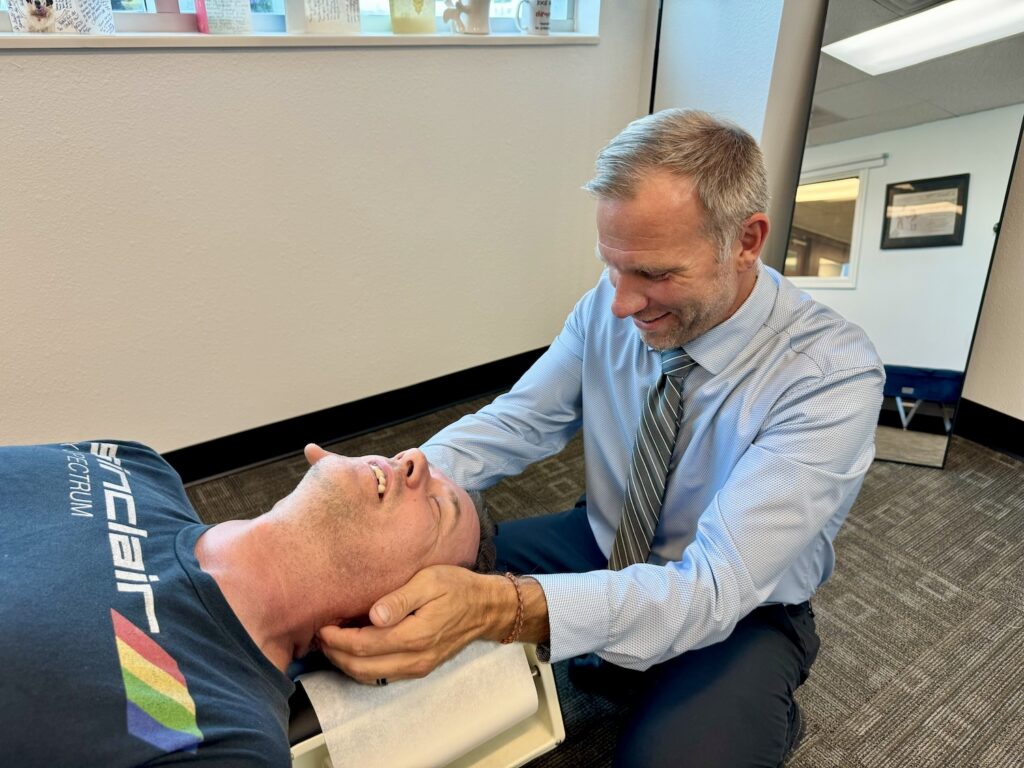
If you’re experiencing neck discomfort, chiropractic adjustments might be just what you need to find relief. These specialized treatments focus on restoring proper spinal alignment, which can significantly reduce pain and inflammation. By choosing chiropractic care, you’re opting for a natural approach that emphasizes healing without the use of medications or surgeries.
As you embark on this journey to better neck health, it’s important to understand that proper posture and customized exercises are also crucial components of your recovery. Simple habits like sitting up straight, using ergonomic furniture, and taking regular breaks can make a big difference in how your neck feels.
But remember, there’s more to alleviating neck pain than just adjustments. Understanding the underlying causes of your discomfort is key. Stress, poor posture, and even the way you sleep can all impact your neck health. By addressing these factors, you can enhance the effectiveness of your chiropractic treatments.
Here are a few tips to support your neck health:
- Practice Good Posture: Keep your head aligned over your shoulders and avoid slouching, especially when sitting for long periods.
- Stay Active: Engage in gentle exercises, like neck stretches and strengthening workouts, to keep your muscles strong and flexible.
- Manage Stress: Incorporate relaxation techniques such as deep breathing or meditation to help reduce tension in your neck.
- Sleep Smart: Use a supportive pillow that keeps your neck in a neutral position while you sleep.
By prioritizing chiropractic care and adopting these healthy habits, you can take significant steps toward alleviating neck discomfort and achieving optimal wellness. Remember, your journey to a pain-free neck is within reach, and we’re here to support you every step of the way!
Understanding Neck Discomfort: Causes and Symptoms
When you experience neck discomfort, it’s important to understand the potential causes to find the best relief. One of the most common factors is poor posture, which often occurs from spending long hours at a desk or looking down at your phone. This can lead to muscle strain, especially after lifting heavy objects or sleeping in an awkward position.
Stress and tension can also contribute, causing tight muscles that make your neck feel stiff or painful. Additionally, underlying conditions like arthritis or herniated discs can result in chronic discomfort that requires attention.
Symptoms of neck discomfort can vary widely. You may feel a dull ache or sharp pain, and it’s not uncommon to experience stiffness or reduced mobility. Sometimes, the discomfort can radiate down your arms, indicating that nerves may be involved. Recognizing these causes and symptoms is crucial for effectively addressing your neck issues.
As a chiropractor, I want to emphasize that chiropractic care offers a natural and effective approach to managing neck discomfort. Regular chiropractic adjustments can help realign your spine, reduce tension, and improve your overall posture, promoting healing in a safe way.
Here are some general tips to help alleviate neck discomfort:
- Practice Good Posture: Sit and stand up straight, keeping your shoulders back and your head aligned with your spine. Consider ergonomic furniture to support your posture.
- Take Breaks: If you work at a desk, make sure to take regular breaks to stretch and move around. This can help reduce muscle strain.
- Use Proper Sleeping Positions: Make sure your pillow supports your neck properly. Ideally, your head should be aligned with your spine while you sleep.
- Stay Hydrated: Drinking enough water helps maintain the health of your spinal discs and muscles.
- Incorporate Gentle Stretching: Simple neck stretches can release tension. Try gently tilting your head from side to side or rolling your shoulders.
- Consider Chiropractic Care: Regular visits to a chiropractor can provide personalized care to help relieve pain and promote long-term wellness.
The Role of Chiropractic Care in Neck Pain Relief
Chiropractic care is a vital solution for relieving neck pain, as it targets the root causes of discomfort through gentle adjustments. When you come to see me, I’ll conduct a thorough evaluation of your spine and neck alignment. This helps us identify any misalignments or restrictions that could be contributing to your pain. Through specific adjustments, we can restore proper function to your spine, reduce tension, and improve your mobility.
You may feel immediate relief following an adjustment, as it often helps to decrease inflammation and muscle tightness. One of the key benefits of chiropractic care is that it encourages better posture, which is crucial for preventing future neck pain.
I also emphasize the importance of regular visits, which not only help manage pain but also enhance your overall well-being. During our sessions, I can provide tips on exercises and ergonomics to support a healthier lifestyle.
Ultimately, chiropractic care offers a holistic approach to neck pain relief, allowing you to take charge of your health and embrace a pain-free life. Remember, the adjustments we make aren’t just about immediate relief; they’re about empowering you to maintain long-term wellness.
Don’t overlook the powerful benefits of chiropractic care on your journey to comfort and health. Here are some simple tips you can apply daily to support your neck health:
- Practice Good Posture: Whether you’re sitting, standing, or using your phone, keep your head aligned with your spine.
- Take Breaks: If you work at a desk, make sure to take regular breaks to stretch and move around.
- Stay Hydrated: Drinking plenty of water helps keep your muscles and tissues healthy.
- Strengthen Your Neck Muscles: Simple neck exercises can help improve strength and flexibility.
Embrace chiropractic care as a natural path to wellness, and let’s work together to ensure you lead a healthy, pain-free life.
Physical Therapy Techniques for Neck Adjustment
Chiropractic care offers a range of effective techniques for neck adjustment that can significantly enhance your recovery and improve your overall mobility. One of the most beneficial methods we employ is manual therapy, where we use gentle hands-on techniques to relieve tension in the neck and restore its natural movement. This approach not only alleviates pain but also promotes better function in your daily activities.
In addition to manual adjustments, we emphasize the importance of stretching exercises. These exercises are designed to lengthen tight muscles and improve flexibility in the neck area, making it easier for you to move without discomfort. Strengthening exercises are also vital, as they focus on building the neck and shoulder muscles, providing better support for your head and reducing strain over time.
We often use natural modalities such as heat or ice therapy to help reduce inflammation and soothe any discomfort you may be experiencing.
Another key aspect of your care is postural training; we teach you how to maintain proper alignment throughout your daily activities, which can prevent future issues and support long-term wellness.
Guided movements and range-of-motion exercises are also part of your personalized treatment plan. These exercises help you regain lost mobility and improve your neck health. With consistent practice and dedication to these techniques, you’re likely to notice significant improvements in your neck health and overall well-being.
Posture Correction: A Key to Neck Health
Maintaining proper posture is crucial for your neck health and can significantly reduce discomfort. When your head is aligned over your spine, you distribute weight evenly, which minimizes the strain on your neck muscles. It’s important to be mindful of your posture throughout the day, especially during those long hours spent in front of screens.
To create a neck-friendly workspace, position your computer screen at eye level. This simple adjustment helps prevent you from craning your neck forward, which can lead to pain over time. If you often find yourself on the phone, consider using a headset to keep your head in a neutral position and avoid unnecessary tilting.
Don’t forget the power of taking breaks! Regularly stretching your neck and shoulders can work wonders to relieve built-up tension. Incorporating posture correction exercises, such as chin tucks, can also strengthen your neck muscles and improve your alignment.
These are simple yet effective steps that can enhance your overall well-being. Chiropractic care plays a vital role in achieving optimal neck health. By focusing on your posture and seeking chiropractic adjustments, you can alleviate discomfort and promote natural healing in your body.
The Impact of Stress on Neck Tension
Stress can significantly tighten your neck muscles, resulting in discomfort and pain. When you’re feeling overwhelmed, it’s common to notice that your posture deteriorates, which can create a cycle of tension that’s hard to break. This is where chiropractic care comes into play.
Chiropractors specialize in understanding the spine and how it relates to overall health. By addressing misalignments in your spine, chiropractic adjustments can help relieve neck tension caused by stress. Not only do these adjustments alleviate pain, but they also promote better posture, which is crucial for reducing muscle tightness.
In addition to regular chiropractic visits, here are some general tips you can incorporate into your daily routine to help manage stress and neck tension:
- Practice Good Posture: Be mindful of your posture throughout the day, especially if you sit for long periods. Keep your shoulders relaxed and your head aligned over your spine.
- Take Breaks: Step away from your work or stressors periodically. Simple stretches or a short walk can work wonders for relieving tension.
- Stay Hydrated: Drinking plenty of water supports overall health and can help prevent muscle cramps and stiffness.
- Incorporate Relaxation Techniques: Techniques such as deep breathing, meditation, or gentle yoga can help you manage stress and tension.
- Get Regular Chiropractic Care: Regular visits to your chiropractor can help keep your spine aligned and reduce the effects of stress on your neck and overall health.
By focusing on these practices along with chiropractic care, you can effectively manage stress and maintain a healthy, pain-free neck.
Stress-Induced Muscle Tightness
When life’s pressures build up, you might start to feel tightness in your neck muscles. This is often a physical sign of emotional stress. Stress-induced muscle tightness can lead to discomfort, which can disrupt your daily activities. Being aware of the signs can empower you to take action and find relief. Here are some common indicators to look out for:
- Increased stiffness: You may have difficulty turning your head or experience a dull ache in your neck.
- Headaches: Tension in your neck can lead to migraines or tension headaches that can be quite debilitating.
- Fatigue: Ongoing strain can leave you feeling drained and irritable.
Chiropractic care is an excellent option for addressing the root causes of stress and muscle tightness. By focusing on spinal health and alignment, chiropractors can help reduce tension in your muscles and improve your overall well-being.
Here are some tips to help manage the stress in your life and alleviate neck tightness:
- Regular Chiropractic Adjustments: Visiting your chiropractor can help relieve muscle tension and improve spinal alignment, leading to a greater sense of relaxation.
- Practice Relaxation Techniques: Consider incorporating deep breathing exercises, meditation, or yoga into your routine to help manage stress levels.
- Stay Active: Regular physical activity can promote relaxation and reduce muscle tension. Simple stretches for your neck and shoulders can also be beneficial.
- Mind Your Posture: Being mindful of your posture while sitting or standing can help prevent additional strain on your neck muscles.
By effectively managing stress and incorporating these simple practices, you can experience significant relief from muscle tightness and enjoy a more comfortable life.
Posture and Stress Connection
Emotional stress often shows up in how we carry ourselves, and it’s important to recognize this connection for our overall well-being. When you’re feeling overwhelmed, your posture may take a hit. You might find yourself hunching your shoulders or tilting your head forward, which can lead to tension in your neck and upper back. Not only does this poor posture contribute to discomfort, but it can also amplify feelings of stress.
As stress mounts, it’s common to unconsciously tighten your muscles, creating a cycle of tension and pain. After a long day at work or when facing personal challenges, you may notice that your neck feels strained. This is where being mindful of your posture becomes essential. By improving your posture, you can help relieve some of that neck tension, leading to a greater sense of well-being.
Chiropractic care is an excellent choice for addressing these issues. A chiropractor can help you identify postural problems and offer gentle adjustments to realign your spine, which can relieve pain and reduce stress. Additionally, regular chiropractic visits can promote overall wellness and help your body function at its best.
Here are some simple tips to help you manage stress and improve your posture:
- Take Breaks: If you work at a desk, make sure to take short breaks to stand up, stretch, and walk around. This can help reset your posture and reduce muscle tension.
- Practice Good Posture: Be conscious of how you sit and stand. Keep your shoulders back, head level, and spine straight. Using ergonomic furniture can also support better posture.
- Incorporate Stretching: Simple neck and shoulder stretches can be done throughout the day to relieve tension. Try rolling your shoulders back or gently tilting your head from side to side.
- Mindfulness and Relaxation Techniques: Engage in deep breathing, meditation, or yoga to help manage stress levels and promote relaxation.
- Visit Your Chiropractor: Regular chiropractic adjustments can help maintain spinal alignment and alleviate stress-related tension.
Coping Mechanisms for Relief
Dealing with neck tension can sometimes feel like a heavy burden, but there are effective ways to find relief and promote wellness. As a chiropractor, I want to share some natural coping mechanisms that can help ease your discomfort and improve your overall health.
Stress is a major contributor to neck tension, but with a few proactive steps, you can take control of your well-being. Here are three effective strategies to consider:
- Mindfulness and Breathing Exercises: Engaging in mindfulness practices like deep breathing or meditation can significantly reduce stress and promote relaxation. By focusing on your breath, you encourage a state of calm that can help alleviate tension in the neck and surrounding areas.
- Regular Stretching: Incorporating gentle neck stretches into your daily routine can greatly benefit your flexibility and relieve tension. Simple movements, like tilting your head from side to side or gently rotating it, can help keep your neck muscles relaxed and prevent stiffness.
- Physical Activity: Staying active is crucial for your overall health and can be particularly beneficial for reducing neck tension. Regular exercise helps release endorphins, the body’s natural stress relievers, and contributes to a healthier spine. Whether it’s a brisk walk, yoga, or any other form of movement, finding an activity you enjoy can make a world of difference.
In addition to these strategies, consider scheduling regular chiropractic visits. Chiropractic care focuses on spinal health and can help address the root causes of neck tension.
Importance of Ergonomics in Daily Activities
When setting up your workspace, it’s crucial to consider ergonomics to help prevent neck discomfort and maintain optimal spinal health. By adjusting your chair, desk height, and monitor position, you can create a more comfortable and supportive environment for your body.
Remember, a well-aligned workspace not only enhances your comfort but also promotes better posture, which is key to preventing strain on your neck and spine.
As a chiropractor, I often see patients who suffer from neck pain due to poor ergonomics. Staying aware of your posture throughout the day is essential. Make it a habit to check in with your body – are your shoulders relaxed? Is your back supported? Small adjustments can make a big difference in reducing discomfort.
In addition to these adjustments, consider incorporating regular breaks into your day. Stand up, stretch, and move around to keep your spine healthy and flexible.
If you do experience neck pain, chiropractic care is a natural and effective way to find relief. It addresses the root of the problem and helps your body heal itself, allowing you to maintain a healthier, pain-free lifestyle.
Workspace Setup Essentials
Creating an ergonomic workspace is essential for your comfort and productivity, and it can also play a significant role in maintaining your spinal health. By optimizing your environment, you can reduce neck discomfort and enhance your focus, making it easier to embrace a healthier lifestyle. Here are three key elements to consider:
- Monitor Height: Position your monitor at eye level. This simple adjustment helps prevent straining your neck, allowing your gaze to naturally fall on the screen without tilting your head. A well-aligned monitor can contribute to better posture and reduce the risk of discomfort, which is vital for your overall spinal health.
- Chair Support: Select a chair that provides good lumbar support. Your back should be properly supported, helping you maintain a neutral position. A well-fitted chair not only enhances comfort but also encourages healthy spinal alignment, which is crucial for preventing long-term issues.
- Keyboard and Mouse Placement: Keep your keyboard and mouse close to your body, ensuring your elbows remain at a 90-degree angle. This setup minimizes strain on your shoulders and neck, making it easier for you to work without discomfort. Proper positioning can help prevent repetitive strain injuries, allowing you to stay active and engaged in your daily tasks.
By implementing these ergonomic essentials, you can greatly improve your daily comfort while working and, in turn, support your overall health.
Posture Awareness Techniques
After optimizing your workspace setup, it’s crucial to maintain awareness of your posture throughout your daily activities to support your spinal health. Pay attention to the way you sit, stand, and move. Keep your shoulders relaxed and your back straight to promote a healthy spine.
When sitting, ensure your feet are flat on the floor and your knees are at a right angle. Using a chair that supports your lower back is essential for maintaining good posture.
When using your phone or tablet, elevate the device to eye level to prevent straining your neck, which can lead to discomfort and tension. If you find yourself standing for extended periods, remember to shift your weight from one foot to the other and take regular breaks to stretch your muscles.
Incorporating these posture awareness techniques into your daily routine can significantly reduce neck discomfort and enhance your overall well-being.
It’s important to understand that chiropractic care can further assist in achieving optimal health by addressing underlying spinal issues. Regular chiropractic adjustments can help maintain proper alignment, alleviate pain, and promote natural healing.
Stretching and Strengthening Exercises for Neck Relief
Neck discomfort is a common issue that many people face, but incorporating stretching and strengthening exercises into your daily routine can offer significant relief.
These exercises not only improve flexibility but also reduce tension and build strength in your neck muscles, contributing to your overall spinal health.
As a chiropractor, I believe that natural methods, such as these exercises, can help you achieve optimal wellness without the need for surgeries or medications.
Here are three effective exercises you can easily try at home:
- Neck Tilts: Start by gently tilting your head towards one shoulder. Hold that position for 15 seconds, then switch sides. This simple movement stretches the muscles along the sides of your neck, helping to alleviate tension.
- Chin Tucks: Sit or stand up straight, then tuck your chin in towards your chest. Hold this position for about 5 seconds. This exercise strengthens the muscles that support your neck, promoting better posture and reducing strain.
- Shoulder Shrugs: Raise your shoulders towards your ears, hold them there for a few seconds, and then release. This exercise helps relieve tension in both your shoulders and neck, promoting relaxation and comfort.
Incorporating these exercises into your daily routine can lead to a noticeable decrease in discomfort and an increase in neck strength.
Remember, maintaining good spinal health is key to overall wellness.
Consider regular chiropractic adjustments to complement these exercises, as they can help realign your spine and enhance your body’s natural healing abilities.
Embrace these natural methods for a healthier, pain-free life!
The Benefits of Heat and Ice Therapy
Heat and ice therapy can be incredibly effective for relieving neck discomfort, and as a chiropractor, I want to share how you can use these methods to enhance your healing journey.
Utilizing heat, such as a warm compress or heating pad, helps to increase blood flow, relax tight muscles, and ease stiffness. This warmth not only promotes healing but also improves flexibility, making it easier for you to move your neck comfortably.
Conversely, ice therapy—using ice packs or cold compresses—serves an important purpose as well. It helps reduce inflammation and numb painful areas, making it particularly beneficial after an injury or during episodes of acute pain. By constricting blood vessels, ice reduces swelling and alleviates discomfort effectively.
For optimal relief, consider alternating between heat and ice. This approach allows your neck to benefit from both soothing warmth and refreshing coolness, helping you manage discomfort more effectively.
In addition to these therapies, I encourage you to consider incorporating regular chiropractic care into your routine. Chiropractic adjustments can address the root cause of neck pain, improve spinal alignment, and enhance overall wellness.
Remember, maintaining good posture and incorporating gentle neck stretches throughout your day can further support your neck health.
Lifestyle Changes to Support Neck Health
To maintain and improve your neck health, embracing a few simple lifestyle changes can be incredibly beneficial. By making adjustments to your daily routine, you can significantly reduce neck discomfort and promote overall wellness—all while highlighting the importance of chiropractic care in achieving optimal health.
– Ergonomic Workspace: Ensure your workspace is designed to support good posture. Position your computer screen at eye level to avoid straining your neck, and choose a chair that provides proper lumbar support.
Remember, a well-set-up workstation can make a big difference in how you feel throughout the day.
– Regular Breaks: It’s essential to take short breaks every hour to stretch and move around. This helps relieve tension and prevents stiffness from prolonged sitting.
Consider setting a timer to remind yourself to stand up, stretch, and take a few deep breaths.
– Strengthening Exercises: Incorporate neck-strengthening exercises into your daily routine. Simple movements, like gentle neck rolls and stretches, can improve flexibility and strength.
These exercises can be easily done at home and are a great way to support your neck health.
– Chiropractic Care: Regular visits to your chiropractor can provide you with personalized care that addresses your unique neck concerns.
Chiropractic adjustments can help align your spine, alleviate pain, and enhance your overall well-being.
Making these lifestyle adjustments and incorporating chiropractic care can significantly improve your neck health.
When to Seek Professional Help for Neck Pain
Recognizing when to seek professional help for neck pain is crucial for maintaining your health and preventing it from worsening. If you’ve been experiencing persistent neck pain for more than a week, or if your discomfort worsens despite trying home remedies, it’s an excellent time to consult a chiropractor. A chiropractor specializes in spinal health and can provide a natural approach to pain relief.
Additionally, if you notice any numbness, tingling, or weakness in your arms or hands, it’s important to seek help right away. These symptoms could indicate a more serious issue that chiropractic care can address effectively.
Consider reaching out to a chiropractor if your neck pain is interfering with your daily activities, sleep, or work. If you’ve recently had an injury, like a fall or car accident, a thorough chiropractic evaluation is essential to ensure your spine is aligned and functioning properly.
Don’t ignore other symptoms like fever, headache, or swelling along with your neck pain, as they can indicate a more significant concern that a chiropractor can help you navigate. Trust your instincts; if something doesn’t feel right, it’s always best to get checked out.
Remember, your neck health is vital, and chiropractic care offers a safe, drug-free solution to achieving optimal wellness. Regular adjustments can help maintain proper alignment, improve mobility, and reduce pain.
Incorporating simple stretches and maintaining good posture throughout your day can also go a long way in supporting your neck health. Prioritize your well-being and consider visiting your local chiropractor for a natural path to healing and wellness.
Conclusion
In conclusion, chiropractic adjustments are a fantastic natural solution for relieving neck discomfort by targeting the underlying causes. By realigning your spine, reducing inflammation, and enhancing mobility, you can find meaningful relief from your pain. To further support your neck health, consider incorporating good posture practices, engaging in personalized exercises, and making positive lifestyle changes. These strategies empower you to take charge of your well-being and maintain a healthy neck.
Remember, if your discomfort continues, it’s important to reach out for professional chiropractic care. Our goal is to help you achieve optimal health through safe and effective methods without the need for surgeries or medications. Embrace these tips and take control of your neck health for a more comfortable and fulfilling life. Your journey to wellness starts here!