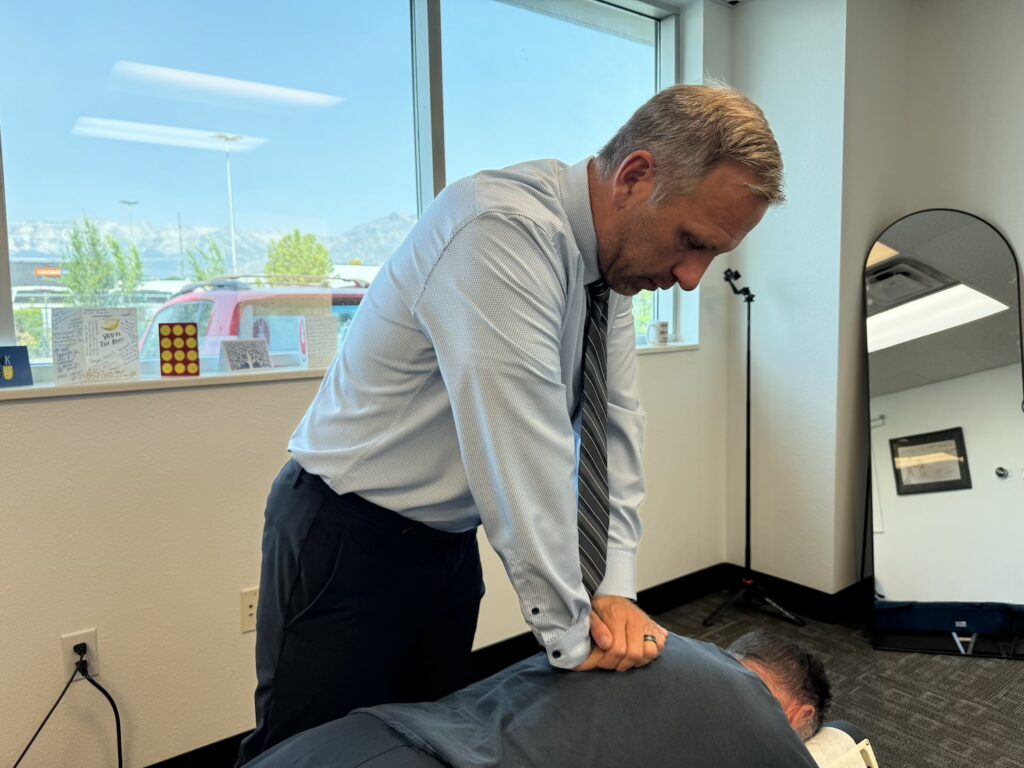
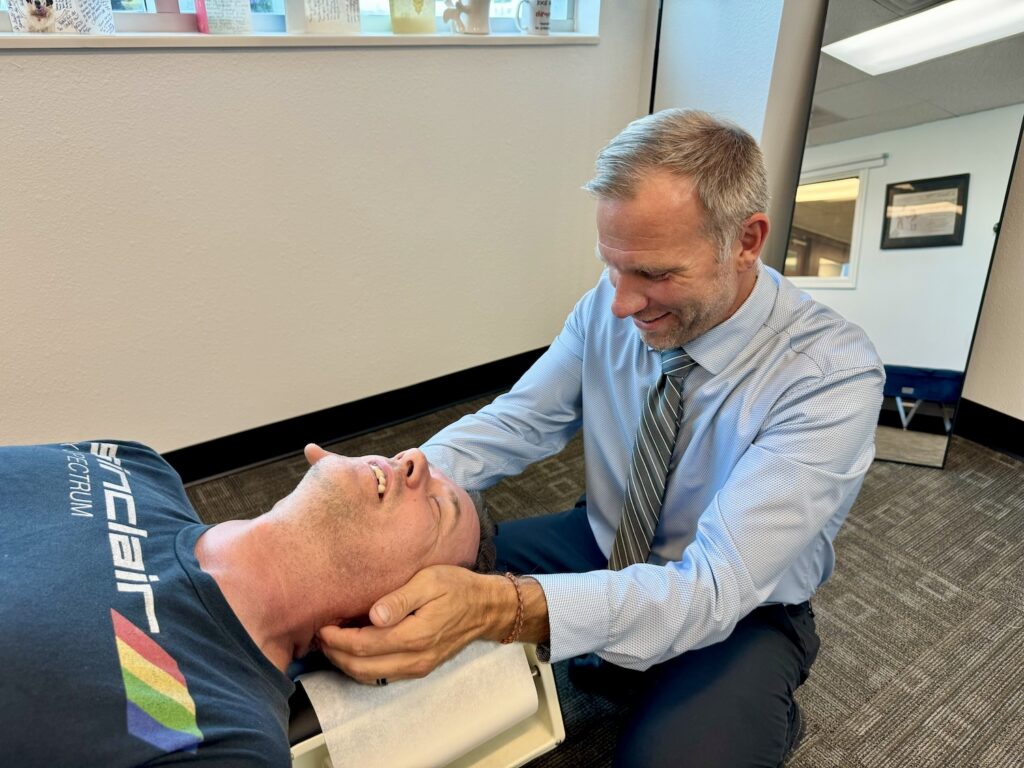
As a local chiropractor, I want to share with you how various therapeutic techniques, including chiropractic care, can significantly expedite recovery times for athletes and active individuals. Many may not realize that our approach goes beyond just alleviating pain; it also improves overall physical and mental health.
Chiropractic adjustments help align the spine and joints, which can enhance your body's natural healing abilities. When combined with other therapies like massage and cryotherapy, we can create a comprehensive treatment plan that not only reduces discomfort but also optimizes your performance.
Understanding the right combination of these treatments is key to a successful recovery. By incorporating chiropractic care into your routine, you can experience faster healing and regain your strength and mobility more efficiently. Let's explore how these therapies work together to support your recovery journey and elevate your athletic performance. Your path to better health and wellness starts here!
The Importance of Recovery
The Importance of Recovery in Your Healing Journey
As a local chiropractor, I want to emphasize that recovery isn't just a luxury after intense competition or training—it's essential for your overall health and wellbeing. When you push your body to its limits, it requires time to heal and rebuild properly. Neglecting recovery can lead to injuries, fatigue, and burnout, which can hinder your progress and performance.
Recovery is crucial for allowing your muscles to repair, replenishing energy stores, and balancing your hormones, ensuring you're prepared for your next physical challenge.
During the recovery phase, you're not merely resting; you're actively supporting your healing process. This is the perfect opportunity to focus on key aspects such as nutrition, hydration, and sleep. Nourishing your body with the right nutrients is vital for muscle repair and growth. Staying hydrated helps flush out toxins and keeps your muscles functioning optimally.
Additionally, prioritizing quality sleep is critical, as it's during these hours that your body undergoes the essential recovery processes it needs.
I also encourage incorporating active recovery techniques into your routine. These can include gentle stretching, low-intensity workouts, or mindfulness practices. Such methods can enhance your recovery experience by reducing muscle soreness and improving blood circulation, which accelerates healing.
Always listen to your body; if you're experiencing pain or excessive fatigue, it's important to adjust your training and recovery plan accordingly.
Ultimately, viewing recovery as a vital part of any training regimen will help you achieve your best performance. By prioritizing recovery, you not only enhance your physical abilities but also pave the way for a sustainable and healthy athletic journey.
Types of Therapy for Athletes
As a local chiropractor, I often see athletes who are eager to enhance their recovery and performance through various natural therapies.
It's essential to understand these options so you can make informed decisions about your healing journey.
One popular method I often recommend is massage therapy. This technique alleviates muscle tension, boosts circulation, and promotes relaxation, which is crucial for athletes.
Regular massage sessions can help reduce soreness and speed up healing after intense training or competitions.
Another effective approach is cryotherapy. Exposing the body to extremely cold temperatures can significantly reduce inflammation and numb pain.
Many athletes report that just a few minutes in a cryo chamber can greatly enhance their recovery time.
Acupuncture is also gaining popularity among athletes. This ancient practice involves inserting thin needles into specific points on the body, which can alleviate pain and promote healing.
Research indicates that acupuncture can help reduce muscle soreness and improve flexibility, making it a beneficial addition to your recovery routine.
Hydrotherapy is another valuable therapy that utilizes water for rehabilitation. Whether you prefer hot baths, cold plunges, or underwater exercises, hydrotherapy can alleviate pain, improve blood flow, and enhance overall recovery.
Lastly, electrical stimulation therapy is a technique I often recommend. This method involves applying electrical impulses to stimulate muscles and nerves, helping to reduce pain and swelling while promoting healing.
Choosing the right combination of these therapies can make a significant difference in your recovery journey.
Physical Therapy Techniques
As a local chiropractor, I want to emphasize the vital role that chiropractic care can play in your recovery and overall wellness. Our techniques are designed to alleviate pain, restore function, and enhance performance, making them essential for a swift recovery.
One fundamental approach we utilize is spinal manipulation, where we use precise adjustments to realign your spine and joints. This technique can help reduce stiffness and improve mobility, allowing you to regain strength more effectively.
In addition to adjustments, therapeutic exercises are a crucial component of our care. These exercises target specific muscle groups to improve flexibility, strength, and endurance. By integrating strength training and stretching into your routine, you'll not only facilitate healing but also prepare your body for future challenges.
Balance and coordination exercises are also emphasized, as they enhance your body's stability and help prevent future injuries.
We also employ various modalities in our treatment, such as ultrasound and electrical stimulation. These tools aid in healing by increasing blood flow and reducing inflammation, which can expedite your recovery.
You may also encounter taping techniques during your visits, which provide support to injured areas while allowing for movement, making them particularly beneficial during your rehabilitation.
Education is another key aspect of our chiropractic care. I'll work closely with you to help you understand your injury and share strategies to prevent re-injury.
Cryotherapy Benefits
As a local chiropractor, I want to share with you the incredible benefits of cryotherapy and how it can support your recovery and overall well-being. Cryotherapy is an innovative therapy that involves exposing your body to extremely cold temperatures for a short period of time. This process can trigger a variety of positive responses in your body, especially when it comes to healing and recovery.
One of the key advantages of cryotherapy is its ability to reduce inflammation. When you undergo cryotherapy, the cold temperatures constrict your blood vessels, which helps to decrease swelling and alleviate pain. This is particularly beneficial if you've experienced intense workouts or injuries, as it allows you to recover more quickly and get back to your routine.
In addition to reducing inflammation, cryotherapy can also significantly improve your muscle recovery. The cold exposure helps to flush out toxins and lactic acid that accumulate during exercise. Once the treatment is over and circulation normalizes, your muscles receive a rush of nutrient-rich blood that promotes healing and minimizes soreness. This means you can return to your training sooner, keeping you aligned with your performance goals.
Don't overlook the mental benefits either! Many individuals, especially athletes, report feeling invigorated and energized after a cryotherapy session. This boost in endorphins not only elevates your mood but also enhances mental clarity, which is crucial for optimal performance during competitions.
Furthermore, regular cryotherapy sessions can improve your sleep quality. When your body is recovering effectively and experiencing less pain, you're more likely to enjoy deeper, more restorative sleep. This is essential for your overall health and healing.
Incorporating cryotherapy into your recovery routine can lead to significant enhancements in both your physical and mental health. If you're interested in exploring natural healing methods to improve your recovery and performance, I highly recommend considering cryotherapy as a valuable addition to your wellness regimen.
Massage Therapy for Muscle Recovery
As a local chiropractor, I want to share with you how massage therapy can play a vital role in your muscle recovery. Many people aren't aware of the benefits that massage can provide, especially when it comes to reducing muscle tension and enhancing blood circulation.
By utilizing various targeted techniques, we can help specific muscle groups recover more quickly after those intense workouts you may be engaging in.
Incorporating massage therapy into your recovery routine can significantly improve your overall performance and well-being. It's not just about feeling good in the moment; regular massage can help prevent injuries, reduce pain, and promote relaxation, all of which are essential for maintaining a healthy, active lifestyle.
Let's delve into these methods further and see how they can support your journey toward optimal health.
Benefits of Massage Therapy
As a local chiropractor, I want to share how incorporating massage therapy into your wellness routine can significantly benefit your recovery and overall health. Many individuals, including athletes, have recognized the positive impact massage therapy can have on muscle healing.
Here are some key advantages you may experience:
- Improved Circulation: Massage therapy enhances blood flow, which is essential for delivering oxygen and nutrients to your muscles. This increased circulation can help accelerate the healing process and support your body's natural recovery mechanisms.
- Reduced Muscle Tension: One of the primary benefits of massage is its ability to alleviate tightness and stiffness in your muscles. By promoting relaxation, massage can facilitate more efficient recovery, meaning you'll likely experience less discomfort after physical activities.
- Enhanced Flexibility: Regular sessions of massage therapy can improve your range of motion. This increased flexibility can be particularly beneficial for your performance during workouts and competitions, allowing you to move more freely and effectively.
- Pain Relief: If you're struggling with soreness or muscle pain, massage therapy can target specific areas of discomfort. This not only helps in relieving pain but also promotes the release of endorphins, which are your body's natural painkillers.
Incorporating massage therapy into your wellness plan, alongside chiropractic care, can lead to a holistic approach to healing and recovery.
If you have any questions or would like to learn more about how these therapies can work together for your health, feel free to reach out!
Techniques for Muscle Recovery
As your local chiropractor, I want to introduce you to the incredible benefits of muscle recovery techniques, particularly the role of massage therapy in your healing journey. Many of you may not be familiar with how massage can significantly enhance your recovery process, so let me explain.
Regular massage therapy is more than just a luxury; it's a powerful tool that can stimulate blood flow to your muscles. This increased circulation is essential as it delivers vital nutrients and oxygen to your tissues, helping to speed up recovery after intense workouts or injuries. By incorporating massage into your routine, you'll find that your recovery time can be notably reduced.
Techniques such as deep tissue massage can specifically target tight muscle groups, breaking down knots and relieving tension. This not only helps alleviate soreness but also improves your flexibility and range of motion—important factors for anyone looking to maintain an active lifestyle.
For athletes, sports massage is particularly beneficial as it's designed to prevent injuries and enhance performance, preparing your muscles for competition and aiding in recovery afterward.
Additionally, I encourage you not to overlook the benefits of self-massage techniques. Using tools like foam rollers and massage balls can effectively release muscle tightness and improve your overall mobility. When you combine these self-care methods with proper hydration and nutrition, you can further optimize your muscle recovery.
Incorporating massage therapy into your wellness routine can significantly accelerate your healing process, allowing you to return to peak performance more quickly.
I invite you to consider adding massage therapy to your recovery strategies and experience the positive impact it can have on your overall health and athletic journey. Remember, chiropractic care, together with massage, creates a holistic approach to maintaining your well-being.
Electrotherapy and Its Impact
As a local chiropractor, I want to share with you the incredible benefits of electrotherapy for recovery. Many athletes and active individuals discover that this innovative treatment significantly enhances their healing process.
Electrotherapy utilizes electrical impulses to stimulate muscles and tissues, leading to faster healing and effective pain relief. Whether you're managing a sprain, strain, or chronic discomfort, incorporating electrotherapy into your recovery plan can be transformative.
Here's how electrotherapy can support your healing journey:
- Pain Relief: One of the primary advantages of electrotherapy is its ability to alleviate pain. It works by blocking pain signals from reaching the brain, allowing you to engage in training and recovery with greater comfort.
- Muscle Stimulation: Electrotherapy encourages muscle contractions, which increases blood flow to the affected areas. This improved circulation is vital as it delivers essential nutrients and oxygen needed for healing.
- Reduced Inflammation: The electrical stimulation provided by electrotherapy helps to minimize swelling and inflammation, two common obstacles to recovery. This reduction makes it easier for you to regain mobility and strength.
- Faster Recovery Time: By promoting quicker tissue repair and reducing recovery downtime, electrotherapy enables you to return to your sport or activity sooner, helping to maintain your performance levels.
Incorporating electrotherapy into your wellness routine can provide you with a significant advantage in your recovery efforts.
It's a safe and effective treatment option that works well alongside other natural healing techniques. If you haven't yet explored electrotherapy, I encourage you to discuss it with me or your physical therapist. You may find that it's the key to getting back to your favorite activities faster than you thought possible.
Nutrition's Role in Healing
As a local chiropractor, I want to emphasize the vital role that nutrition plays in your healing journey. When your body is recovering from an injury or after engaging in strenuous activity, the right nutrients can significantly influence how effectively and quickly you heal.
It's essential to focus on a balanced diet that includes proteins, carbohydrates, healthy fats, vitamins, and minerals.
Protein is crucial for repairing and building muscle tissue. Incorporating lean meats, fish, eggs, legumes, and dairy into your meals can provide the amino acids your body needs for recovery. Opt for high-quality protein sources, as these are more effective in supporting tissue regeneration.
Carbohydrates are also important; they help replenish glycogen stores and provide the energy necessary for your recovery process. Whole grains, fruits, and vegetables should be your primary choices for these nutrients.
Don't underestimate the power of healthy fats, found in foods like avocados, nuts, and olive oil. These fats can help reduce inflammation and promote healing. Omega-3 fatty acids, in particular, are known for their anti-inflammatory benefits, so consider adding fatty fish such as salmon to your diet.
Vitamins and minerals are essential players in the healing process as well. For instance, vitamin C is vital for collagen production, which is necessary for tissue repair, while zinc plays a key role in wound healing. Eating a colorful variety of fruits and vegetables will help ensure you meet your micronutrient needs.
Lastly, let's not forget the importance of hydration. Staying well-hydrated is crucial for transporting nutrients to your cells and helping to eliminate toxins from your body.
By fueling yourself with the right nutrition, you aren't only supporting your recovery but also optimizing your overall health, enabling you to return to your activities more quickly and effectively.
Mental Health and Recovery
As a local chiropractor, I want to emphasize the importance of mental health in your recovery journey, especially when it comes to healing your body naturally. Your emotional well-being is closely connected to your physical healing. When you maintain a positive mindset, you're more likely to adhere to your treatment plan, remain motivated, and overcome obstacles.
Here are some key points to consider:
- Positive Mindset: Developing a positive outlook can significantly enhance your recovery experience. When you believe in your ability to heal, you cultivate resilience, which makes it easier to navigate any setbacks that may occur during your healing process.
- Stress Management: Elevated stress levels can impede your recovery. Incorporating natural stress-relief practices, such as chiropractic adjustments, mindfulness techniques, or deep breathing exercises, can help you manage stress effectively and maintain your focus on healing.
- Support Systems: Building a network of supportive friends, family, or fellow patients can significantly uplift your spirits. Engaging with others who understand your journey can provide you with the encouragement and motivation needed to stay committed to your recovery.
- Professional Help: At times, you might benefit from the expertise of a mental health professional alongside your chiropractic care. Therapy can arm you with coping mechanisms to address anxiety, fear, or frustration that may arise as you work towards your healing goals.
Case Studies of Successful Recoveries
As a local chiropractor, I want to share how real-life success stories can inspire and motivate you as you navigate your own recovery journey.
Take, for example, a professional soccer player who faced the challenge of a torn ACL. With a dedicated regimen that incorporated chiropractic adjustments, physical therapy, and neuromuscular techniques, he was able to return to the field in just six months. His commitment to these therapies not only helped speed up his physical recovery but also restored his confidence in his movements.
Another remarkable case involves a marathon runner who struggled with chronic shin splints. Traditional rest methods weren't effective for her, but after integrating chiropractic care alongside advanced therapy techniques like ultrasound and deep tissue massage, she experienced a significant reduction in pain. This holistic approach allowed her to train more efficiently and achieve the incredible feat of crossing the finish line at her next race—a goal she once thought was out of reach.
Lastly, let's consider a basketball player who endured a severe ankle sprain. Rather than solely relying on conventional recovery methods, he adopted a comprehensive approach that included chiropractic adjustments, strength training, and mental imagery techniques. This multifaceted strategy not only accelerated his physical healing but also helped him overcome the mental hurdles that often accompany injuries.
These examples underscore the effectiveness of personalized therapy, including chiropractic care, in the realm of sports recovery.
By learning from these athletes' experiences, you can find inspiration and strategies that may assist you on your own healing journey. With determination and the right support, you too can overcome your challenges and achieve successful recoveries.
Future Trends in Athletic Therapy
As a local chiropractor, I want to share with you the exciting advancements in athletic therapy that are transforming how we approach recovery and healing.
These changes aren't just about athletes; they can benefit anyone looking to enhance their well-being and optimize their recovery process.
Here's what you can look forward to:
1. Wearable Technology: More and more, we're seeing the rise of devices that track vital signs and movement patterns.
These wearables can provide you with real-time data about your body, allowing you to monitor your recovery and adjust your physical activities as needed.
This means you can make informed decisions about your health and performance.
2. Personalized Rehabilitation Programs: With the ongoing developments in artificial intelligence and machine learning, rehabilitation is becoming more tailored to individual needs.
This means that your therapy plan can be customized specifically for you, enhancing your healing process and helping you recover more efficiently.
3. Integrative Approaches: There's a growing trend to combine traditional chiropractic care with alternative therapies such as acupuncture and mindfulness practices.
This holistic approach addresses not just physical injuries but also the mental aspects of healing, promoting a comprehensive sense of well-being.
4. Telehealth Services: The convenience of remote consultations and virtual therapy sessions is becoming increasingly popular.
This means you can receive expert chiropractic advice and support from the comfort of your own home, making it easier to stay on track with your recovery journey without needing to visit the clinic in person.
As we move forward, these trends in athletic therapy and chiropractic care are set to revolutionize how we approach health and healing.
Embracing these advancements can lead to faster recoveries and improved overall wellness for everyone, not just athletes.
Conclusion
As a local chiropractor, I want to emphasize how incorporating various therapeutic techniques into your recovery routine can greatly enhance your healing process. Chiropractic care, combined with methods like physical therapy, cryotherapy, and massage, plays a crucial role in improving your performance and overall well-being.
It's vital to understand that nutrition and mental health are also key components of your recovery journey. By focusing on these holistic strategies, you can not only accelerate your healing but also lay a strong foundation for long-term success in your athletic endeavors. Remember, your body is a complex system, and by prioritizing natural healing methods, you can support your body's ability to recover and thrive. Keep striving for your best!