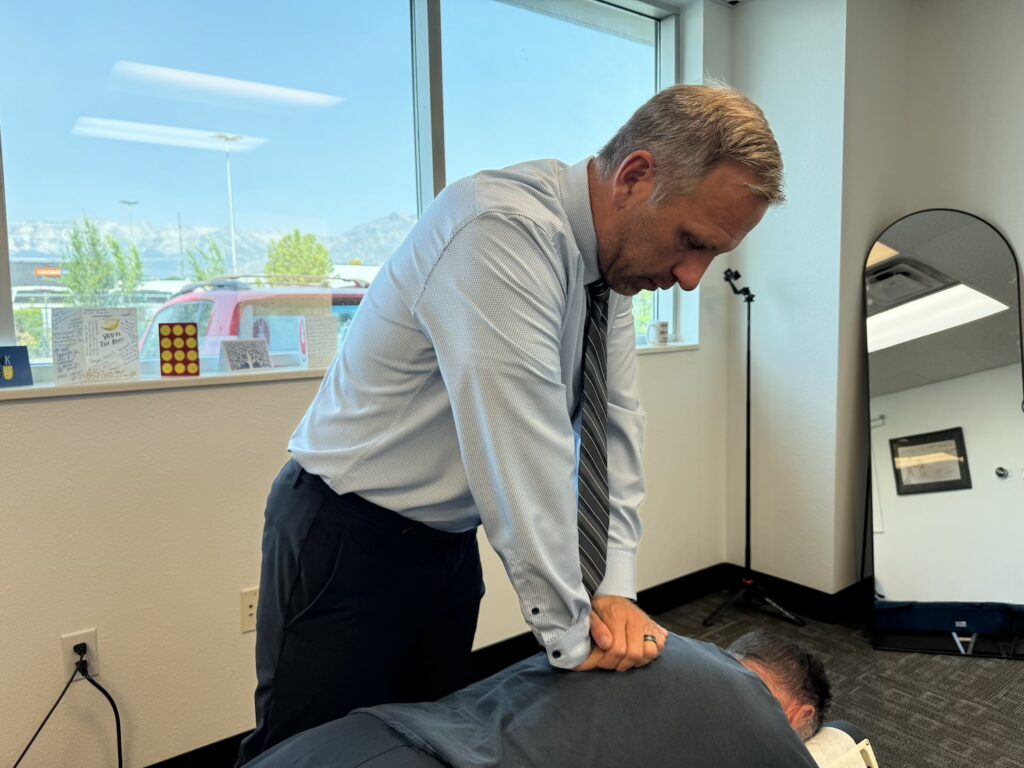
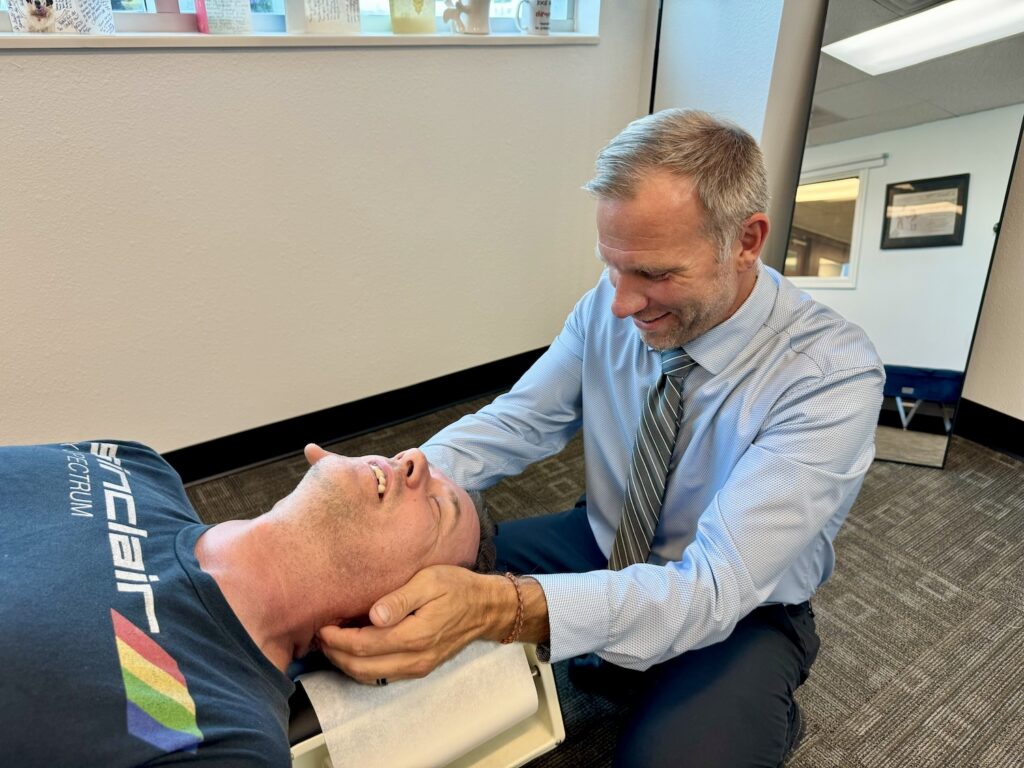
As a local chiropractor, I want to reassure you that if you’re dealing with back pain, you’re not alone in this struggle. Many individuals turn to medication for relief, but I’d like to introduce you to some natural solutions that can be incredibly beneficial. Understanding the root causes of your pain is crucial, and through gentle exercises, mindful practices, and an anti-inflammatory diet, you can take significant steps toward healing your back.
It’s important to recognize that chiropractic care focuses on enhancing your body’s natural ability to heal itself. By integrating these holistic approaches into your daily routine, you can empower yourself on your journey to recovery. Are you curious about how to effectively incorporate these strategies into your life? Let’s delve into the essential methods that can support your healing process and improve your overall well-being.
Understanding the Causes of Back Pain
As a local chiropractor, I want to help you understand the various causes of back pain, as this knowledge is vital for your overall health and well-being. Back pain can arise from a multitude of factors, and recognizing them is the first step toward finding relief.
One common culprit is poor posture. When we slouch or sit incorrectly, it places unnecessary strain on our spine, leading to discomfort. Additionally, improper lifting techniques, especially when handling heavy objects, can easily result in injuries that manifest as pain in the lower back.
It’s important to note that emotional stress and anxiety can also impact your physical health. When you’re stressed, your muscles can tighten, contributing to feelings of discomfort and tension in your back.
As we age, our bodies naturally undergo wear and tear, which can lead to conditions like arthritis or degenerative disc disease. These conditions can exacerbate back pain and may require a holistic approach to treatment.
A sedentary lifestyle can further complicate matters by weakening your core muscles, making your back more vulnerable to pain.
Even the type of mattress you sleep on plays a crucial role in your spinal health. An unsupportive mattress can cause misalignment during sleep, leading to discomfort upon waking.
At our chiropractic practice, we emphasize the importance of understanding these factors so you can take proactive steps toward healing and pain management. Through natural healing methods, we can help restore your body’s balance and alleviate your back pain.
Gentle Exercises and Stretches for Relief
As a local chiropractor, I want to share some effective ways to alleviate back pain through gentle exercises and stretches. Incorporating these movements into your daily routine can truly make a difference in how you feel.
To begin, consider starting with pelvic tilts. This simple exercise helps to strengthen your lower back and core, providing essential support for your spine. Another great option is the knee-to-chest stretch, which is excellent for relieving tension in the lower back.
While you engage in these stretches, it’s important to focus on your breathing. Taking steady, deep breaths not only enhances relaxation but also promotes better blood flow to your muscles.
Additionally, incorporating cat-cow stretches can significantly improve flexibility and reduce any stiffness you may be experiencing.
Don’t underestimate the power of walking! Just a few minutes of walking each day can keep your back muscles active and support your overall mobility. Always listen to your body; if any movement feels painful, please stop and consult with a healthcare professional.
I encourage you to be consistent with these gentle exercises and stretches, aiming to practice them several times a week. With time, you may notice improvements in your flexibility, strength, and overall comfort, allowing you to lead a more active and pain-free lifestyle.
The Role of Nutrition in Back Health
As your local chiropractor, I want to emphasize the vital role nutrition plays in maintaining a healthy back. Many people may not realize that the foods we eat directly impact our spine health. By incorporating anti-inflammatory foods and essential nutrients into your diet, you can’t only strengthen your spine but also help alleviate pain that may be affecting your daily life.
It’s also important to remember the significance of hydration. Keeping your body well-hydrated is crucial for maintaining the health and function of your spine. Water helps to cushion the discs in your back and supports overall spinal health.
By focusing on both nutrition and hydration, you can take proactive steps toward improving your back health and overall well-being.
If you have questions about how to incorporate these practices into your routine or want to learn more about how chiropractic care can support your journey, I’m here to help!
Anti-Inflammatory Foods Benefits
As your local chiropractor, I want to emphasize the importance of incorporating anti-inflammatory foods into your diet for better back health and pain relief. Foods rich in omega-3 fatty acids, such as salmon and walnuts, are particularly beneficial as they help reduce inflammation and support the overall function of your joints.
In addition, leafy greens, berries, and nuts are abundant in antioxidants, which can combat oxidative stress and promote healing within your body.
Don’t overlook the power of spices like turmeric and ginger; they’ve remarkable anti-inflammatory properties and can be easily added to your meals for an extra health boost.
Whole grains also play a crucial role in maintaining a healthy weight, which in turn reduces stress on your back.
By choosing these nutrient-dense foods, you aren’t only improving your nutrition but also taking important steps towards alleviating back pain.
Essential Nutrients for Strength
As a local chiropractor, I want to emphasize how vital your nutrition is in not only reducing inflammation but also in strengthening your back.
Essential nutrients such as protein, calcium, and vitamin D are crucial for keeping your bones and muscles healthy. When you ensure you’re getting enough protein, you’re aiding in muscle repair and growth, which can help keep your spine stable.
Calcium is particularly important for maintaining bone density, and vitamin D plays a key role in helping your body absorb calcium effectively. Additionally, let’s not overlook magnesium; this mineral is essential for muscle function and can help prevent cramps that may worsen back pain.
I encourage you to incorporate a variety of foods into your diet, such as leafy greens, nuts, seeds, and lean proteins, as these will provide the nutrients your body needs.
By focusing on a balanced diet rich in these essential components, you’re not only working to strengthen your back but also promoting overall spinal health.
Hydration and Spine Health
As your chiropractor, I want to take a moment to discuss an often-overlooked aspect of spine health: hydration. Many people don’t realize just how crucial it’s to stay properly hydrated for the well-being of your spine. Your spinal discs, which serve as the shock absorbers for your spine, rely on adequate hydration to maintain their structure and function.
When you’re dehydrated, these discs can lose their ability to cushion the vertebrae effectively, leading to discomfort and pain. Drinking enough water isn’t just about quenching your thirst; it plays a vital role in keeping your muscles and ligaments flexible, which helps to reduce the risk of strains and injuries.
I recommend aiming for at least eight glasses of water a day, but you may need to adjust that amount based on your activity level and the climate you’re in. In addition to drinking water, consider incorporating hydrating foods like fruits and vegetables into your diet.
These foods can contribute to your overall hydration needs and provide essential nutrients that support spinal health. By making hydration a priority, you’re taking significant steps toward promoting a healthier spine and minimizing your chances of experiencing back pain.
Mindfulness and Stress Management Techniques
As a chiropractor, I understand that managing back pain can often feel overwhelming. However, I want to share with you the benefits of mindfulness and stress management techniques that can complement your chiropractic care and provide valuable relief.
Practicing mindfulness allows you to heighten your awareness of your body and its sensations. This awareness enables you to recognize pain without allowing it to dominate your thoughts or emotions.
I recommend starting with simple breathing exercises. Focus on your breath, inhaling deeply and exhaling slowly. This simple practice can help ground you and create a sense of calm amidst discomfort.
Integrating meditation into your daily routine, even if only for a few minutes, can significantly reduce stress and promote relaxation—both of which are crucial for effectively managing your pain.
Visualization techniques can also be beneficial; by imagining a peaceful place, you create a mental escape from discomfort that can aid in your healing process.
Additionally, keeping a journal to express your thoughts and feelings can be a powerful tool for alleviating stress. Writing can provide clarity and help you process your experiences.
By incorporating these techniques into your life alongside your chiropractic treatment, you’ll empower yourself to cope more effectively with back pain.
This holistic approach not only fosters a more positive mindset but also enhances your overall well-being, supporting your journey toward recovery.
Alternative Therapies: Acupuncture and Massage
As a local chiropractor, I want to introduce you to the benefits of alternative therapies, such as acupuncture and massage, which can significantly enhance your journey toward back pain relief.
Acupuncture involves the careful insertion of thin needles into specific points on your body. This practice promotes natural healing and can effectively reduce pain. Many of my patients have reported not only relief from back pain but also an overall improvement in their well-being after acupuncture sessions. You may find yourself feeling more relaxed and less tense, which is crucial in managing discomfort.
Massage therapy is another valuable tool in our pain management arsenal. It focuses on targeting tight muscles and improving blood circulation. By alleviating muscle tension, massage can help restore mobility and diminish pain.
Additionally, regular massages can help you unwind and contribute to a holistic approach to addressing back pain.
I encourage you to consider incorporating both acupuncture and massage into your wellness routine, alongside chiropractic care. Together, these therapies can create a comprehensive plan for managing your pain effectively.
If you’re new to these practices, I’m here to guide you every step of the way!
Creating a Supportive Environment for Recovery
As a local chiropractor, I want to emphasize the importance of your environment in your recovery journey. While therapies like acupuncture and massage are beneficial, the space you inhabit plays an equally vital role in your healing process.
To begin with, consider decluttering your home. A tidy, organized space can significantly reduce stress levels and create a calming atmosphere that allows for relaxation, which is essential for healing.
It’s also important to think about your furniture. Ensure that your chairs and mattresses are ergonomic and provide proper support for your back. Good posture is crucial, so whether you’re sitting or lying down, focus on maintaining alignment to prevent strain.
Incorporating natural elements into your environment can also uplift your mood and promote healing. Adding plants or ensuring you have plenty of natural light can create a more positive atmosphere. Additionally, gentle lighting can contribute to a soothing ambiance that’s conducive to recovery.
Finally, the people around you matter. Surround yourself with supportive family members, friends, and communities that encourage your healing journey. Positive influences can greatly impact your mental well-being and enhance your recovery from back pain.
Conclusion
As your local chiropractor, I want to empower you to take control of your back pain naturally. Understanding the root causes of your discomfort is the first step towards healing. By incorporating gentle exercises, focusing on anti-inflammatory nutrition, and practicing mindfulness techniques, you can create a holistic approach to managing your back health.
Chiropractic care complements these methods by addressing spinal alignment and overall body function. Additionally, exploring alternative therapies such as acupuncture and massage can further enhance your recovery. It’s important to cultivate a supportive environment, both physically and emotionally, as you navigate your healing journey.
Remember, even small adjustments in your daily routine can lead to significant improvements in your back health. I encourage you to take that first step towards a more active and pain-free life today—together, we can work towards achieving your wellness goals!