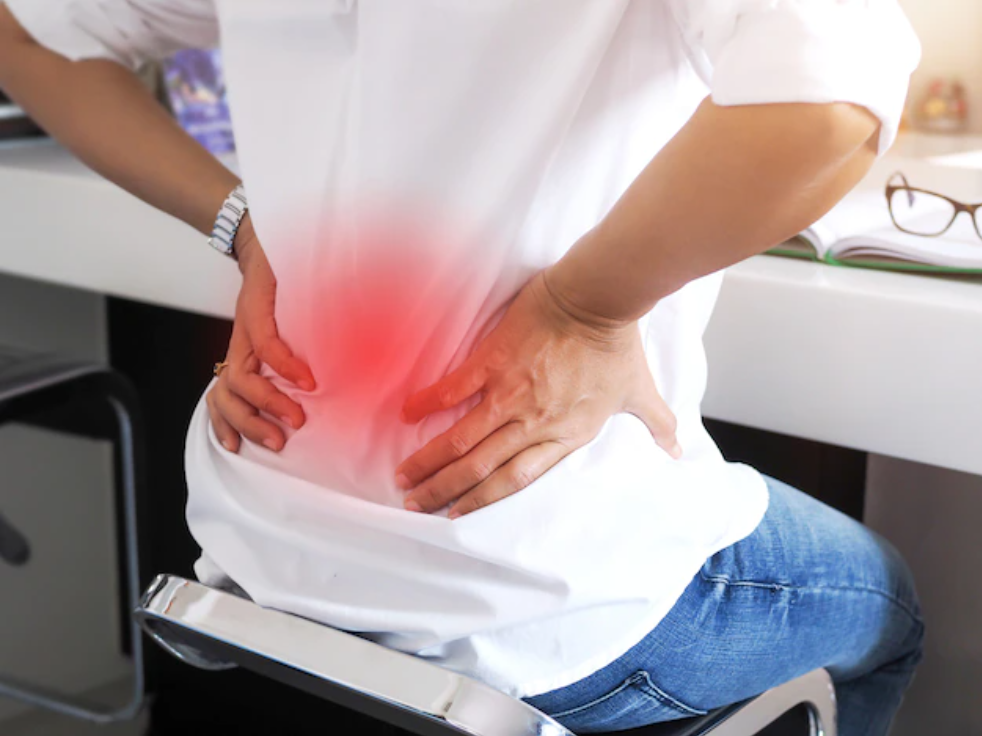
If you're struggling with back pain, it's vital to recognize that a one-size-fits-all approach rarely works. You might benefit from a personalized plan that addresses your specific pain type, lifestyle, and preferences. By exploring tailored therapies, including physical therapy and customized exercise regimens, you could find relief that feels right for you. But how do you begin evaluating your unique needs and what options are available to create a truly effective plan? Understanding this could be the key to opening your path to recovery.
Understanding Back Pain Types
Back pain can come in various forms, and understanding these types is important for finding the right relief. You may experience acute back pain, which typically lasts for a short period, often due to an injury or strain. This type can hit suddenly, leaving you feeling sharp, intense discomfort.
It's essential to identify if you've recently lifted something heavy or made a sudden movement that triggered the pain.
Then, there's chronic back pain, which persists for three months or longer. This type can stem from conditions like arthritis, disc problems, or even poor posture. If you've been dealing with ongoing discomfort, it's important to pay attention to your body's signals and consider how lifestyle choices might contribute to the issue.
Another type to be aware of is radicular pain. This occurs when a nerve root in your back is compressed or irritated, leading to pain that radiates down your leg or arm. You might feel tingling or numbness along with the pain, which can be alarming.
Identifying these sensations can help you communicate more effectively with healthcare professionals.
Lastly, there's referred pain, where discomfort originates in one part of your body but feels like it's coming from your back. This can complicate diagnosis and treatment, so being aware of where your pain truly stems from is important.
Understanding these different types of back pain can empower you to seek the appropriate care and take proactive steps toward relief.
Importance of Personalized Plans
When it comes to back pain relief, a one-size-fits-all approach just won't cut it.
You need a treatment plan tailored to your specific needs and circumstances.
Tailored Treatment Approaches
Finding the right approach to back pain relief can make all the difference in your recovery journey. Tailored treatment approaches focus on your unique situation, considering factors like the type of pain you experience, your lifestyle, and personal preferences. This individualized attention guarantees that you're not just following a one-size-fits-all plan but are instead receiving care that specifically addresses your needs.
You might find that a combination of therapies works best for you. Physical therapy can strengthen muscles and improve flexibility, while chiropractic adjustments may help realign your spine. If you're dealing with chronic pain, alternative treatments like acupuncture or massage therapy might offer significant relief.
Additionally, lifestyle changes such as exercise, ergonomic adjustments, and stress management can enhance your recovery.
Don't underestimate the power of open communication with your healthcare provider. Discussing your progress and any concerns allows for ongoing adjustments to your treatment plan, making it even more effective.
Individual Assessment Importance
An individualized assessment is key to developing an effective pain relief strategy. By understanding your unique situation, you can create a plan tailored just for you. This approach not only addresses the symptoms but also targets the root causes of your back pain.
Personalized plans can help you:
- Identify specific triggers that worsen your pain
- Determine the right combination of treatments for your body
- Track your progress and adjust strategies as needed
- Boost your confidence in managing your pain
- Enhance your overall quality of life
When you engage in an assessment, you're taking an active role in your recovery. It's not a one-size-fits-all solution, but rather an extensive look at your lifestyle, history, and physical condition.
You deserve a plan that resonates with your needs and goals.
Assessing Your Back Pain
Evaluating your back pain requires a careful look at both its intensity and the specific symptoms you're experiencing. Start by rating your pain on a scale from 1 to 10, with 1 being minimal discomfort and 10 being unbearable pain. This can help you track changes over time and communicate effectively with healthcare providers.
Next, take note of when the pain occurs. Is it constant, or does it come and go? Identifying patterns can provide insights into what might be triggering your pain. Are there specific activities or positions that worsen it? Recognizing these factors helps you avoid exacerbating your condition.
Pay attention to the nature of your pain, too. Is it sharp, dull, throbbing, or burning? Different types of pain can indicate different underlying issues. For instance, sharp pain may suggest nerve irritation, while dull pain could be related to muscle strain.
Consider any additional symptoms you might have. Do you experience numbness, tingling, or weakness in your legs? These can be signs of nerve involvement and should be assessed by a professional.
Lastly, think about your medical history. Have you had previous injuries or conditions that could contribute to your current pain? Gathering this information will help you and your healthcare provider develop a more tailored approach to your back pain management.
Understanding the specifics of your pain is the first step in finding the relief you need.
Customized Exercise Regimens
How can customized exercise regimens help alleviate your back pain? Tailoring exercises specifically for your needs can greatly improve your strength, flexibility, and overall well-being. When you engage in a program designed just for you, it addresses your unique pain triggers and physical limitations, leading to effective relief and a stronger back.
Here are some emotional benefits you might experience:
- Increased confidence: Feel empowered as you regain control over your body and pain levels.
- Enhanced mobility: Enjoy the freedom to move without the constant nagging of discomfort.
- Improved mood: Experience the uplifting effects of physical activity, reducing stress and anxiety.
- Stronger relationships: Reconnect with loved ones by participating in activities you once enjoyed together.
- Greater resilience: Build mental toughness as you tackle challenges head-on, both physically and emotionally.
Customized exercise regimens not only focus on alleviating pain but also aim to strengthen your core and improve posture, which are essential for long-term relief.
A certified trainer or physical therapist can assess your condition and design a program that suits your specific needs. Whether it's gentle stretching, strengthening workouts, or low-impact aerobics, these tailored exercises can help you find relief and reclaim your life.
Targeted Physical Therapies
When it comes to back pain relief, targeted physical therapies can make a significant difference.
You'll benefit from tailored exercise regimens that strengthen your muscles, as well as manual therapy techniques that address specific pain points.
Plus, focusing on posture and alignment can help prevent future issues and keep you moving comfortably.
Tailored Exercise Regimens
Tailored exercise regimens play an essential role in effectively managing back pain. By customizing your workouts to address your specific needs, you can strengthen the muscles that support your spine, enhance flexibility, and improve overall mobility.
Whether you're just starting out or looking to elevate your routine, having a personalized plan is key.
Here are some emotional benefits you might experience with a tailored approach:
- Increased confidence: Feel empowered as you take control of your pain management.
- Reduced anxiety: Alleviate worries about daily activities and how back pain might limit you.
- Improved mood: Regular exercise releases endorphins, which can lift your spirits.
- Enhanced quality of life: Enjoy activities you love without being held back by discomfort.
- Stronger resilience: Build mental and physical strength to face challenges head-on.
Manual Therapy Techniques
What if you could find relief from back pain through targeted manual therapy techniques? Manual therapy focuses on hands-on methods to treat musculoskeletal pain and improve mobility. Techniques such as massage, mobilization, and manipulation can address specific areas of tension and discomfort in your back.
During a session, a trained therapist will assess your condition and apply various techniques tailored to your needs. For instance, deep tissue massage can release tight muscles, while joint mobilization helps restore proper movement.
These methods can also enhance circulation, promoting healing and reducing inflammation. You'll likely experience immediate relief from pain, along with improved range of motion.
Manual therapy isn't just a temporary fix; it can also complement your exercise regimen by preparing your body for movement and strengthening. It's about creating a holistic approach to back pain relief.
Posture and Alignment Focus
Manual therapy techniques can effectively address immediate discomfort, but long-term relief often hinges on your posture and alignment. When you maintain proper posture, you reduce strain on your spine and surrounding muscles, which can greatly decrease your back pain over time.
Here are some key benefits of focusing on your posture:
- Boosts confidence: Standing tall makes you feel more self-assured and empowered.
- Enhances energy: Proper alignment allows your body to function more efficiently, reducing fatigue.
- Improves mood: Good posture can lead to better circulation and less tension, positively impacting your mental state.
- Prevents injuries: By aligning your body correctly, you minimize the risk of future pain and discomfort.
- Promotes longevity: Maintaining a healthy posture can contribute to overall well-being as you age.
Incorporating targeted physical therapies, like exercises that strengthen your core and stretches that improve flexibility, can help you maintain this alignment throughout your daily activities.
Nutritional Considerations
Nutrition plays an essential role in managing back pain, and you might be surprised by how certain dietary choices can influence your recovery. A balanced diet rich in anti-inflammatory foods can help reduce pain and promote healing. Incorporating fruits, vegetables, whole grains, and healthy fats is key. Foods like berries, leafy greens, nuts, and fatty fish are packed with antioxidants and omega-3 fatty acids, which can fight inflammation that often contributes to back pain.
Stay mindful of your protein intake, too. Lean proteins, like chicken, turkey, beans, and legumes, are crucial for muscle repair and growth, especially if you're integrating physical therapy or exercise into your recovery plan.
On the flip side, you should limit processed foods, sugars, and trans fats. These can lead to increased inflammation and may exacerbate your pain.
Hydration is another critical aspect of your diet. Drinking plenty of water helps maintain spinal disc health and keeps your joints lubricated. Aim for at least eight glasses a day, adjusting based on your activity level.
Don't forget about calcium and vitamin D, which are essential for bone health. You can find these nutrients in dairy products, fortified foods, and leafy greens.
If you're concerned about your intake, consider talking to a healthcare professional or a nutritionist to tailor your diet to your specific needs.
Alternative Therapies
When managing back pain, exploring alternative therapies can complement your nutritional efforts and enhance your recovery journey. These therapies offer a holistic approach, aiming not just to alleviate pain but also to promote overall well-being.
Here are some alternatives you might consider:
- Acupuncture: This ancient Chinese practice involves inserting thin needles into specific points to relieve pain and restore balance in your body.
- Chiropractic Care: Chiropractors focus on spinal adjustments to improve alignment and function, helping to relieve tension and pain.
- Massage Therapy: Therapeutic massage can relax tight muscles, improve circulation, and reduce stress, making it a soothing option for back pain relief.
- Physical Therapy: Tailored exercises and stretches guided by a professional can strengthen your back and improve flexibility, ultimately reducing pain.
- Herbal Remedies: Natural herbs like turmeric, ginger, and willow bark have anti-inflammatory properties that may help ease back pain.
These therapies can provide relief where conventional treatments may fall short. However, it's important to consult with your healthcare provider before starting any new therapy.
By integrating alternative therapies into your back pain management plan, you can create a diverse approach that targets pain from multiple angles. Remember, healing is a journey, and you deserve a method that resonates with you and your body.
Don't hesitate to explore these options and find what works best for your unique situation.
Mindfulness and Stress Management
Managing back pain isn't just about physical treatments; it also involves addressing the mental and emotional aspects of your well-being. Stress and anxiety can exacerbate your pain, making it essential to incorporate mindfulness and stress management techniques into your daily routine. By focusing on the present moment, you can create a sense of calm that helps alleviate tension in both your mind and body.
Start by practicing mindfulness meditation. Even just a few minutes each day can make a difference. Find a quiet space, close your eyes, and concentrate on your breath. Notice how your body feels, but try not to judge any sensations. This practice can help reduce stress and improve your pain perception.
Additionally, consider incorporating gentle yoga or stretching into your routine. These activities not only promote physical flexibility but also encourage relaxation. As you move, focus on the sensations in your body, allowing yourself to connect with your physical self in a non-judgmental way.
Don't underestimate the power of journaling, either. Writing about your thoughts and feelings can help you process your emotions and identify stress triggers. This practice can provide valuable insights into how your mental state affects your back pain.
Lastly, remember to prioritize self-care. Whether it's taking a warm bath, spending time in nature, or engaging in a hobby you love, nurturing your emotional health is key to managing back pain effectively.
Tracking Your Progress
Tracking your progress is essential for understanding how your back pain relief strategies are working. By keeping a close eye on your symptoms, you can identify what's effective and what needs adjustment. This awareness empowers you to take control of your pain management journey.
To effectively track your progress, consider these key aspects:
- Daily Pain Levels: Note how your pain changes throughout the day. Understanding patterns can help you pinpoint triggers.
- Activity Levels: Record your daily activities and any correlations between movement and pain relief.
- Treatment Effects: Document the effects of specific treatments, whether they're physical therapy sessions, medications, or alternative therapies.
- Emotional Well-Being: Acknowledge how your pain affects your mood and mental health. Emotional wellness is an important part of recovery.
- Fitness Goals: Set realistic fitness goals and track your achievements. Celebrate small victories to stay motivated.
Conclusion
In summary, creating a personalized plan for back pain relief is essential for your recovery and overall well-being. By understanding your unique pain type and incorporating tailored therapies, exercise, and nutrition, you can regain control over your life. Don't forget the importance of mindfulness and stress management in your journey. Stay proactive by tracking your progress and maintaining open communication with your healthcare provider. With the right approach, you can find effective relief and improve your quality of life.