If you’re dealing with chronic tension headaches, you’re not alone. Many people experience the discomfort these headaches can cause, impacting daily life and overall well-being. A crucial first step in finding relief is understanding what triggers your headaches.
Fortunately, chiropractic care offers effective and natural treatments that can help manage and even prevent these headaches. As a chiropractor, I want to share some practical strategies that can make a significant difference in your health and wellness.
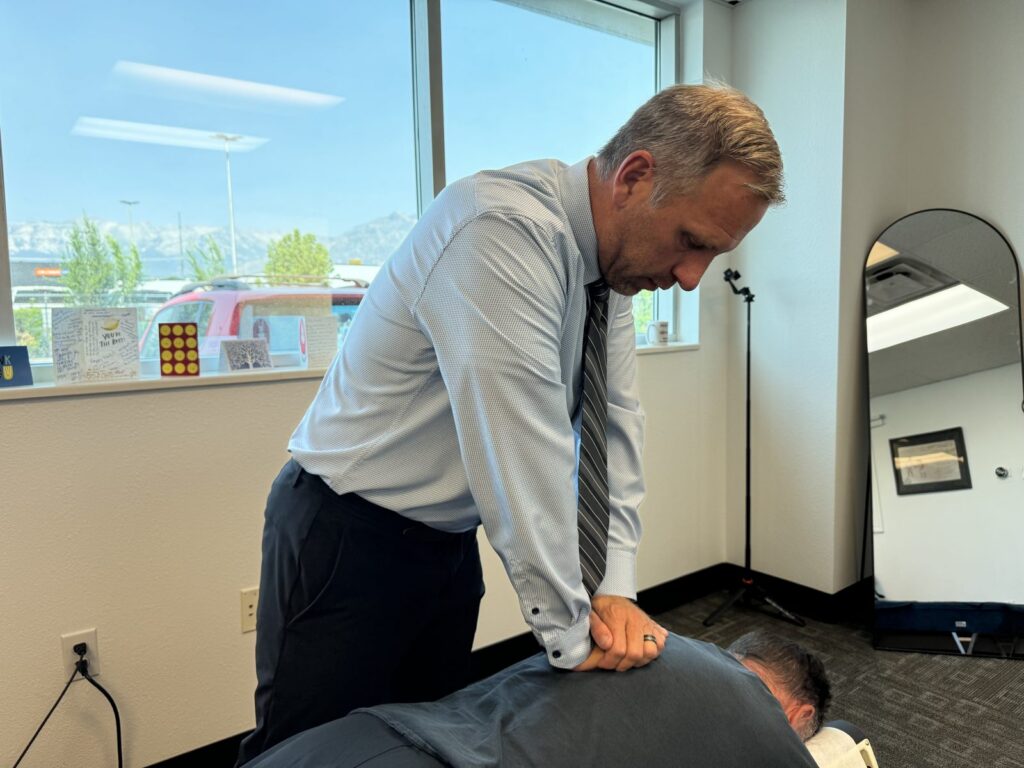
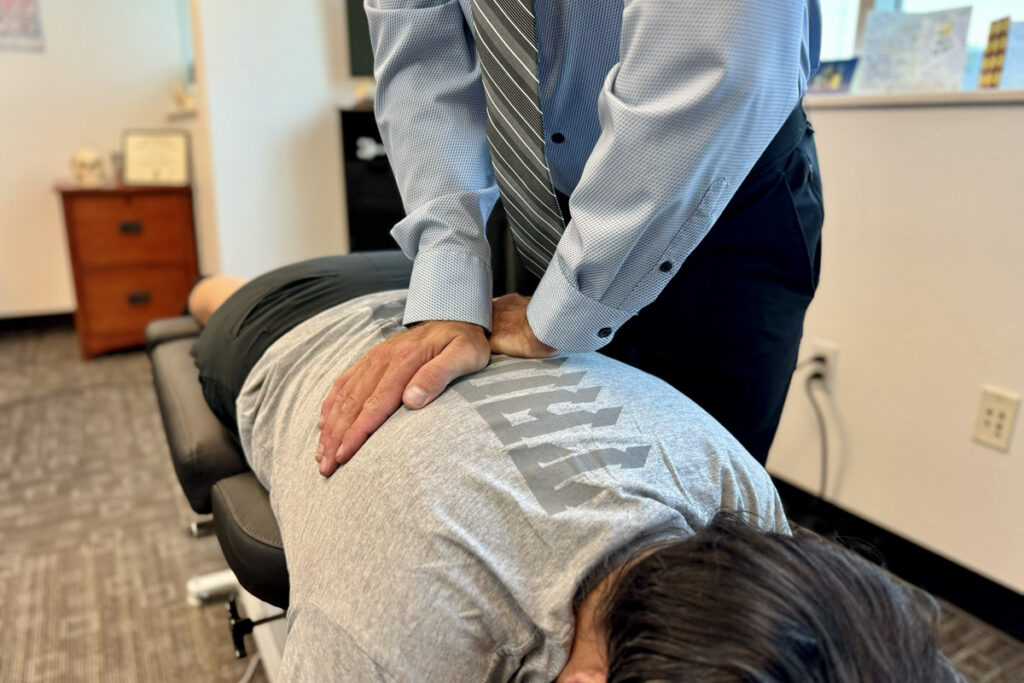
- Spinal Health: Your spine plays a vital role in your overall health. Misalignments in the spine can contribute to tension headaches. Regular chiropractic adjustments can help restore proper alignment, reduce tension in your muscles, and alleviate headache symptoms.
- Stress Management: Tension headaches are often linked to stress. Incorporating relaxation techniques such as deep breathing, yoga, or meditation can help manage stress levels. These practices promote a sense of calm and can reduce the frequency of headaches.
- Posture Awareness: Poor posture, especially while sitting at a desk or using electronic devices, can strain your neck and shoulders, leading to headaches. Be mindful of your posture throughout the day. Adjust your workspace to ensure it promotes good posture, and take regular breaks to stretch and move.
- Hydration and Nutrition: Dehydration can trigger headaches, so be sure to drink plenty of water throughout the day. Additionally, maintaining a balanced diet rich in whole foods can support your overall health and may help reduce headache frequency.
- Regular Exercise: Physical activity is essential for overall well-being. Regular exercise can help reduce tension and stress, improving your body’s ability to cope with headaches. Aim for at least 30 minutes of moderate exercise most days of the week.
- Chiropractic Care: Regular visits to your chiropractor can help identify and address underlying issues contributing to your headaches. Chiropractic care focuses on natural healing, allowing your body to function at its best without the need for medications or invasive procedures.
By incorporating these strategies, you can take proactive steps towards managing your chronic tension headaches. Remember, chiropractic care is a powerful tool in achieving optimal health and wellness. If you’re struggling with headaches, consider scheduling an appointment to explore how chiropractic adjustments can support your journey to better health.
Key Takeaways
Chronic tension headaches can be a real challenge, but there are effective ways to manage and alleviate them. As a local chiropractor, I want to share some valuable insights on how chiropractic care can help you achieve optimal health and reduce headache frequency and intensity.
- Chiropractic Adjustments: Regular chiropractic adjustments are key to improving spinal alignment. When your spine is properly aligned, it can help reduce muscle tension throughout your body, which can significantly lessen the occurrence of chronic tension headaches. By visiting your chiropractor regularly, you can not only find relief but also enhance your overall well-being.
- Mindfulness and Relaxation: Incorporating mindfulness meditation and deep breathing exercises into your daily routine can promote relaxation and decrease stress—two common triggers for tension headaches. These simple practices can be easily integrated into your life and can work hand-in-hand with chiropractic care to provide a holistic approach to wellness.
- Consistent Sleep: Maintaining a consistent sleep schedule of 7-9 hours per night is crucial for your body’s recovery and health. Quality sleep helps reduce stress and tension, which can lead to fewer headaches. Your chiropractor can provide tips on how to improve your sleep posture and environment for better rest.
- Hydration and Nutrition: Staying hydrated is essential for overall health, and it can help prevent headaches. Aim to drink plenty of water throughout the day. Additionally, following a balanced diet rich in fruits, vegetables, and whole grains will support your body’s health and help maintain energy levels, reducing the likelihood of tension headaches.
- Seek Chiropractic Care: If you find that headaches persist despite your best efforts, don’t hesitate to consult with your chiropractor. Early intervention can lead to better management and relief of tension headaches. Your chiropractor can assess your unique situation and develop a tailored plan that focuses on natural healing and wellness.
By prioritizing chiropractic care and implementing these simple strategies, you can take control of your health and find relief from chronic tension headaches. Remember, a holistic approach that combines spinal care with healthy lifestyle choices is the best way to achieve lasting wellness.
Understanding Chronic Tension Headaches
Chronic tension headaches can feel like a persistent weight pressing down on your skull, making daily activities seem daunting. Unlike migraines, these headaches often manifest as a dull, aching sensation that can linger for hours or even days. Many people notice that tightness in their neck and shoulder muscles contributes to this discomfort. Factors such as stress, poor posture, and lack of sleep can all play a role in triggering these headaches.
As a chiropractor, I want to emphasize how your daily routine can significantly impact your headaches. For example, sitting at a desk for long periods without breaks can lead to increased muscle tension, worsening your pain. It’s essential to be mindful of your lifestyle choices and how they affect your overall well-being. Simple adjustments, like taking regular breaks to stretch or practicing good ergonomics at your workstation, can make a big difference.
Chiropractic care can be an effective approach to managing chronic tension headaches. By focusing on spinal alignment and relieving muscle tension, chiropractic adjustments can help alleviate pain and restore balance to your body. Regular chiropractic sessions can also enhance your body’s ability to cope with stress, which is a common trigger for headaches.
In addition to chiropractic care, here are some general tips you can incorporate into your daily routine to support your health and wellness:
- Practice Good Posture: Keep your back straight and shoulders relaxed, especially when sitting at a desk.
- Stay Hydrated: Drink plenty of water throughout the day to prevent dehydration, which can contribute to headaches.
- Manage Stress: Incorporate stress-relief techniques like deep breathing exercises, meditation, or yoga into your routine.
- Get Regular Exercise: Physical activity can help reduce tension and improve overall health.
- Prioritize Sleep: Aim for 7-9 hours of quality sleep each night to allow your body to recover and rejuvenate.
Identifying Triggers and Symptoms
Understanding your triggers and symptoms is essential for effectively managing chronic tension headaches and promoting overall wellness. As a chiropractor, I believe that identifying what sets off your headaches is a vital step toward achieving optimal health. By recognizing these triggers, you can take proactive measures to reduce the frequency and intensity of your headaches, while also benefiting your spinal health.
Common triggers for tension headaches include stress, dehydration, poor posture, and lack of sleep. By learning to recognize these patterns, you can respond better to your body’s signals and take steps to alleviate discomfort naturally.
Here’s a simple reference table to help you identify potential triggers and their associated symptoms:
| Triggers | Symptoms |
|---|---|
| Stress | Tightness in neck and shoulders |
| Dehydration | Dull, aching pain in the head |
| Poor posture | Sensitivity to light and noise |
| Sleep deprivation | Fatigue and irritability |
To help manage your headaches and support your well-being, consider these general tips:
- Practice Relaxation Techniques: Incorporate deep breathing exercises, yoga, or meditation into your daily routine to help reduce stress levels.
- Stay Hydrated: Make sure to drink plenty of water throughout the day. Dehydration can significantly contribute to headaches, so aim for at least 8 glasses of water daily.
- Improve Your Posture: Be mindful of your posture throughout the day, especially if you sit for long periods. Ergonomic adjustments to your workspace can make a big difference.
- Prioritize Sleep: Establish a regular sleep schedule and create a calming bedtime routine to improve the quality of your sleep.
- Consider Chiropractic Care: Regular visits to a chiropractor can help address spinal alignment issues that may contribute to tension headaches. Chiropractic adjustments can relieve tension in the neck and shoulders, promoting better overall health.
Lifestyle Modifications for Prevention
While it may not be possible to control every external factor that leads to tension headaches, making intentional lifestyle changes can significantly help reduce their frequency. One of the most important steps is to prioritize regular sleep patterns—strive for seven to nine hours of restful sleep each night.
Staying well-hydrated is also crucial; make it a habit to drink plenty of water throughout your day. Eating a balanced diet rich in fruits, vegetables, and whole grains won’t only support your overall health but also contribute to reducing headache triggers.
Regular physical activity is another essential component; aim for at least 30 minutes of moderate exercise most days. This can help relieve muscle tension and improve your overall well-being.
Pay attention to your posture during daily activities. Keeping a straight back and ensuring your neck is aligned can help prevent unnecessary strain. Taking regular breaks from screens and creating an ergonomic workspace can also be beneficial in maintaining a healthy spine.
As a chiropractor, I encourage you to consider these lifestyle modifications alongside regular chiropractic care. Chiropractic adjustments can help alleviate tension, improve your posture, and promote overall spinal health.
Stress Management Techniques
Managing stress is crucial for alleviating chronic tension headaches, and as a local chiropractor, I want to share some effective techniques that can complement your chiropractic care and promote overall wellness.
One powerful method is mindfulness meditation, which helps calm your mind and center your thoughts. Another is deep breathing exercises; these can be done anywhere and help to relax both your mind and body, reducing the tension that may contribute to your headaches.
Progressive muscle relaxation is also beneficial; by systematically tensing and relaxing different muscle groups, you can release built-up stress and tension.
Incorporating these practices into your daily routine can enhance the benefits you receive from chiropractic adjustments, optimizing your body’s natural healing abilities.
Remember, chiropractic care addresses the root causes of pain and discomfort, and integrating stress management techniques can further support your journey to optimal health.
If you’re experiencing tension headaches, consider visiting your chiropractor for personalized advice and adjustments tailored to your needs. By working together, we can help you find relief and maintain a healthier, more balanced life.
Mindfulness Meditation Practices
As you seek effective ways to relieve chronic tension headaches, incorporating mindfulness meditation practices into your daily routine can be a transformative addition to your wellness journey.
While chiropractic care is an essential component in addressing the underlying causes of headaches, combining it with mindfulness can enhance your overall well-being. Mindfulness helps you focus on the present moment, reducing stress and tension, which can contribute to headache relief.
Here are some simple techniques to get you started on this holistic path:
- Body Scan: Take a moment to pay attention to each part of your body, consciously allowing tension to release as you go. This practice can complement chiropractic adjustments by promoting relaxation throughout your body.
- Guided Imagery: Visualize a peaceful scene that brings you joy and calm. This mental imagery can help reduce the stress that often exacerbates tension headaches, creating a more conducive environment for healing.
- Mindful Breathing: Focus on your breath, taking slow and deep inhalations and exhalations. This technique helps center your thoughts, eases anxiety, and promotes relaxation, making it an excellent practice to incorporate alongside your chiropractic care.
- Gratitude Journaling: Spend a few moments writing down things you’re thankful for. Shifting your mindset towards gratitude not only enhances your emotional well-being but can also support your physical health by reducing stress levels.
Remember, while mindfulness meditation can be a valuable tool in managing tension headaches, regular chiropractic adjustments are key to addressing the root causes of pain and promoting optimal health.
Deep Breathing Exercises
Deep breathing exercises are an excellent way to manage stress and can significantly help alleviate chronic tension headaches. As a chiropractor, I believe that focusing on your breath not only calms your mind but also reduces muscle tension, which can contribute to discomfort in your neck and back.
To begin, find a quiet and comfortable space where you can sit or lie down. Start by inhaling deeply through your nose for a count of four, allowing your abdomen to expand fully. This deep inhalation helps oxygenate your body and promotes relaxation.
Hold your breath for a count of four, and then exhale slowly through your mouth for a count of six. This prolonged exhalation is essential as it helps release pent-up tension. Repeat this cycle several times for a few minutes.
As you practice deep breathing, you may notice a decrease in stress levels and relief from headaches. Incorporating these exercises into your daily routine can’t only provide immediate relief but also build resilience against future tension.
Remember, regular chiropractic care complements these practices by ensuring your spine is aligned, which can further enhance your overall well-being.
For optimal health, consider integrating deep breathing exercises with regular chiropractic adjustments. This holistic approach can help maintain a healthy spine, improve your posture, and boost your body’s natural healing abilities.
Give deep breathing a try—you might be pleasantly surprised by the positive changes it brings to your life!
Progressive Muscle Relaxation
While tension headaches can often stem from stress and spinal misalignments, incorporating Progressive Muscle Relaxation (PMR) into your daily routine can provide effective relief. This technique not only helps you become more aware of your body but also promotes relaxation through a simple method of tensing and releasing muscle groups.
Here’s how PMR can benefit you, especially when combined with the holistic approach of chiropractic care:
- Reduces overall muscle tension, which can alleviate strain on the spine
- Lowers stress levels, supporting your nervous system
- Improves sleep quality, allowing your body to heal naturally
- Enhances mental clarity, helping you stay focused throughout the day
To practice PMR, find a quiet space where you can sit comfortably. Close your eyes and focus on each muscle group, starting from your toes and moving up to your head. Tense the muscles for about five seconds, then relax them for 30 seconds. This simple exercise can complement your chiropractic adjustments by promoting relaxation and reducing muscle tightness around the spine.
By regularly incorporating PMR into your life, you can effectively manage stress, which in turn may help reduce the frequency and intensity of your tension headaches.
Posture Improvement Strategies
Good posture is crucial for preventing chronic tension headaches, as it significantly affects muscle tension and stress levels. As a chiropractor, I want to help you understand how proper posture can enhance your overall health and well-being.
To improve your posture, start by being aware of your body position throughout the day. When sitting, ensure your feet are flat on the floor, your back is straight, and your shoulders are relaxed. A chair that supports your lower back is key to maintaining good posture.
If you work at a desk, it’s important to adjust your computer screen to eye level to prevent straining your neck. Regular movement is essential; make it a habit to stand up, stretch, and walk around every hour to keep your body engaged.
When standing, distribute your weight evenly on both feet and avoid locking your knees. Incorporating simple stretches into your daily routine can help relieve tension in your neck and shoulders.
Consider using ergonomic tools, like supportive cushions or wrist rests, to maintain comfortable alignment and support your spine.
These strategies not only help reduce muscle strain but also promote a healthier spine, which is the foundation of chiropractic care.
By focusing on your posture and incorporating these tips, you’ll be taking significant steps toward managing tension headaches naturally and improving your overall wellness.
Physical Therapy and Exercise
Improving your posture is essential for enhancing your overall health and well-being, especially when it comes to managing chronic tension headaches. By focusing on chiropractic care, you can create a solid foundation that supports your body and helps reduce the frequency and intensity of these headaches. Chiropractic adjustments can relieve tension in your neck and shoulders, aligning your spine and allowing your body to function optimally.
Here are some key benefits of chiropractic care and exercises to consider:
- Enhanced mobility: Chiropractic adjustments can improve your range of motion, which may help lessen headache triggers.
- Strengthened muscles: By addressing spinal alignment, chiropractic care supports proper posture and reduces strain on your muscles.
- Stress relief: Regular chiropractic visits can help release tension in your body, leading to stress reduction and an improved mood.
- Personalized care: Your chiropractor will work with you to develop a tailored plan that meets your unique needs, helping you achieve better health naturally.
Incorporating chiropractic care into your daily routine not only aids in managing headaches but also promotes overall wellness.
Remember to consult with your chiropractor to explore the best strategies for your journey to optimal health. Simple tips like maintaining good posture while sitting or standing, staying active, and practicing relaxation techniques can also go a long way in supporting your well-being.
Embrace chiropractic care as a natural, effective choice for pain relief and healthier living!
Over-the-Counter Pain Relief Options
When experiencing chronic tension headaches, many people often reach for over-the-counter pain relievers as a quick solution. However, it’s essential to remember that while these medications can provide temporary relief, they don’t address the underlying causes of your headaches.
As a chiropractor, I want to emphasize the benefits of seeking a more holistic approach to health and wellness. Chiropractic care focuses on the relationship between the spine and the nervous system, which plays a crucial role in overall health. Many tension headaches stem from muscle tension and misalignments in the spine, which can be effectively treated through chiropractic adjustments.
By correcting these misalignments, we can relieve pressure on nerves and improve blood flow, potentially reducing the frequency and intensity of headaches.
In addition to chiropractic adjustments, there are natural ways to alleviate tension headaches that you can incorporate into your daily routine:
- Stay Hydrated: Dehydration can trigger headaches, so make sure to drink plenty of water throughout the day.
- Practice Good Posture: Poor posture can lead to tension in your neck and shoulders. Be mindful of your posture, especially if you spend long hours at a desk.
- Manage Stress: Stress is a common headache trigger. Techniques such as deep breathing, meditation, or yoga can help reduce stress levels and promote relaxation.
- Incorporate Regular Exercise: Physical activity can improve circulation and reduce muscle tension. Aim for regular, gentle exercises, such as walking or stretching.
- Get Enough Sleep: Ensure you’re getting adequate rest, as lack of sleep can contribute to headache development.
By adopting these healthy habits and exploring chiropractic care, you can work towards achieving optimal health and reducing the occurrence of tension headaches naturally.
Common Pain Relievers
If you’re experiencing chronic tension headaches, it’s important to consider a holistic approach to pain relief. While many people turn to over-the-counter medications for quick relief, I want to emphasize that chiropractic care can be a more effective and natural solution for managing headaches and promoting overall wellness.
Chiropractic care focuses on aligning your spine and improving your nervous system function. Misalignments in the spine can lead to tension and discomfort, contributing to headaches. By addressing these issues through adjustments, you can often find relief from headaches without relying on medication.
Here are some valuable tips to help manage tension headaches naturally:
- Stay Hydrated: Dehydration can trigger headaches, so make sure you’re drinking enough water throughout the day.
- Practice Good Posture: Poor posture can strain your neck and shoulders, leading to tension headaches. Be mindful of your posture when sitting at a desk or using your phone.
- Incorporate Stretching and Movement: Regular physical activity and gentle stretches can relieve tension in your muscles and improve circulation, contributing to headache relief.
- Consider Stress-Reduction Techniques: Practices such as deep breathing, meditation, or yoga can help manage stress, which is a common trigger for tension headaches.
Remember, while medication can provide temporary relief, it doesn’t address the underlying issues that may be causing your headaches. If you find that your headaches persist or worsen, I encourage you to consult a chiropractor.
They can work with you to create a personalized plan that focuses on natural healing and supports your journey toward optimal health.
Dosage and Frequency
While chiropractic care provides a holistic approach to managing chronic tension headaches, many people still turn to over-the-counter pain relievers for quick relief.
However, it’s important to focus on natural healing methods that can promote long-term wellness. Chiropractic adjustments can help alleviate tension in your neck and spine, which are often the root causes of headaches.
If you do find yourself in need of immediate relief, rather than relying on medications like ibuprofen or acetaminophen, consider some natural alternatives. Staying hydrated, practicing deep breathing exercises, and using relaxation techniques can be effective in reducing headache symptoms.
Regular chiropractic visits can also help to keep your spine aligned and reduce the frequency and intensity of headaches.
Remember, while medication may provide temporary relief, it’s essential to address the underlying issues causing your headaches. If your headaches persist, don’t hesitate to consult with a healthcare professional who understands the benefits of chiropractic care.
Prescription Medications for Severe Cases
For those suffering from severe chronic tension headaches, it’s essential to explore natural and holistic approaches to find relief. While many individuals may turn to over-the-counter medications, chiropractic care can often provide a more effective and sustainable solution.
Here are some ways chiropractic care can help manage tension headaches:
- Spinal Adjustments: Misalignments in the spine can lead to muscle tension and headaches. Chiropractic adjustments can help restore proper alignment, reducing tension and improving overall function.
- Muscle Relaxation Techniques: Chiropractors often incorporate therapeutic massage and stretching into their treatments, which can alleviate muscle tension that contributes to headaches.
- Posture Correction: Poor posture can be a significant factor in chronic tension headaches. A chiropractor can work with you to improve your posture, reducing strain on your neck and shoulders.
- Lifestyle and Ergonomic Advice: Your chiropractor can provide guidance on how to create a healthier work environment and lifestyle choices that minimize headache triggers, such as stress and poor ergonomics.
In addition to chiropractic care, here are some general tips to help manage tension headaches naturally:
- Stay Hydrated: Dehydration can lead to headaches, so make sure you’re drinking enough water throughout the day.
- Practice Relaxation Techniques: Incorporate stress-reducing practices such as deep breathing, meditation, or yoga into your daily routine.
- Get Regular Exercise: Physical activity can help reduce stress and tension in your body, leading to fewer headaches.
- Maintain a Healthy Sleep Schedule: Aim for consistent sleep patterns to ensure your body is well-rested and less prone to headaches.
Remember, managing chronic tension headaches often requires a comprehensive approach. By prioritizing chiropractic care and implementing healthy lifestyle changes, you can work towards achieving optimal health and finding relief from your headaches naturally.
Always consult with your chiropractor to create a personalized plan that suits your needs.
Alternative Therapies and Natural Remedies
Managing chronic tension headaches can significantly improve your quality of life, and chiropractic care is one of the most effective approaches to achieving optimal health. As a chiropractor, I focus on the spine and nervous system’s role in overall wellness, and I want to share some natural and holistic ways to alleviate tension headaches that complement chiropractic treatment.
One of the key methods to relieve tension headaches is through spinal adjustments. By correcting misalignments in the spine, chiropractic care can reduce nerve irritation, improve blood flow, and help your body function more effectively. Regular visits to your chiropractor can keep your spine in alignment and reduce the frequency and intensity of headaches.
In addition to chiropractic adjustments, incorporating gentle exercises like yoga or tai chi can be beneficial. These practices promote relaxation, help reduce muscle tension, and enhance your overall well-being. They can also improve flexibility and posture, which are crucial in preventing headaches.
Aromatherapy can also be a wonderful complementary practice. Essential oils like lavender and peppermint can be soothing and may provide relief when inhaled or applied to your temples. Just remember to choose high-quality oils and consult with a knowledgeable source if you’re unsure how to use them.
Herbal supplements like butterbur and feverfew have been known to help some people with headaches, but it’s always best to talk to your chiropractor or healthcare professional before starting any new supplement. They can guide you in choosing the right options that align with your health goals.
Lastly, don’t underestimate the power of mindfulness and meditation. These techniques can help manage stress, a common trigger for tension headaches. Taking a few minutes each day to practice mindfulness can make a big difference in how you feel.
Ultimately, prioritizing your spinal health through chiropractic care, combined with these natural practices, can lead to effective relief from tension headaches. Always listen to your body and consult with your chiropractor to find the best approach tailored to your needs.
When to Seek Professional Help
If you’re dealing with persistent tension headaches despite trying various remedies, it’s important to seek support from a healthcare professional. Ignoring ongoing discomfort can lead to more significant issues and impact your daily life.
Here are some signs that it’s time to consult a chiropractor for natural relief:
- Your headaches occur more than twice a week.
- Common over-the-counter treatments aren’t alleviating your pain.
- You experience intense discomfort that hinders your daily activities.
- You notice unusual changes in your vision, speech, or motor skills.
A chiropractor can help identify the root cause of your tension headaches and offer effective, non-invasive treatments. Instead of relying on medications, consider chiropractic care, which focuses on the spine’s alignment and overall wellness.
Techniques such as spinal adjustments, massage therapy, and lifestyle recommendations can significantly improve your condition.
In addition to seeking professional help, here are some general tips to manage tension headaches at home:
- Practice good posture to reduce strain on your neck and back.
- Stay hydrated and maintain a balanced diet to support overall health.
- Incorporate regular physical activity and stretching into your routine to relieve tension.
- Establish a consistent sleep schedule to ensure your body gets the rest it needs.
Don’t hesitate to reach out for support; addressing your tension headaches early on can lead to improved well-being.
Conclusion
In conclusion, managing chronic tension headaches can be effectively achieved through a holistic approach that emphasizes spinal health and natural wellness. As a chiropractor, I believe that by focusing on proper posture, maintaining a healthy spine, and integrating regular chiropractic adjustments, you can significantly reduce the frequency and intensity of your headaches.
Incorporating simple lifestyle changes, such as staying well-hydrated, prioritizing restful sleep, and engaging in gentle exercise, can also contribute to overall well-being. Remember, your spine plays a crucial role in your body’s function, so maintaining its alignment can lead to natural relief from tension headaches.
Additionally, don’t underestimate the benefits of stress management techniques, such as deep breathing or mindfulness practices, to help ease tension in both your mind and body. If you find that your headaches persist or worsen, seeking the expertise of a chiropractor can provide targeted care to address the root cause of your discomfort.
Taking these proactive steps can pave the way for a healthier, headache-free future. Embrace the power of chiropractic care as a natural pathway to pain relief and optimal health!