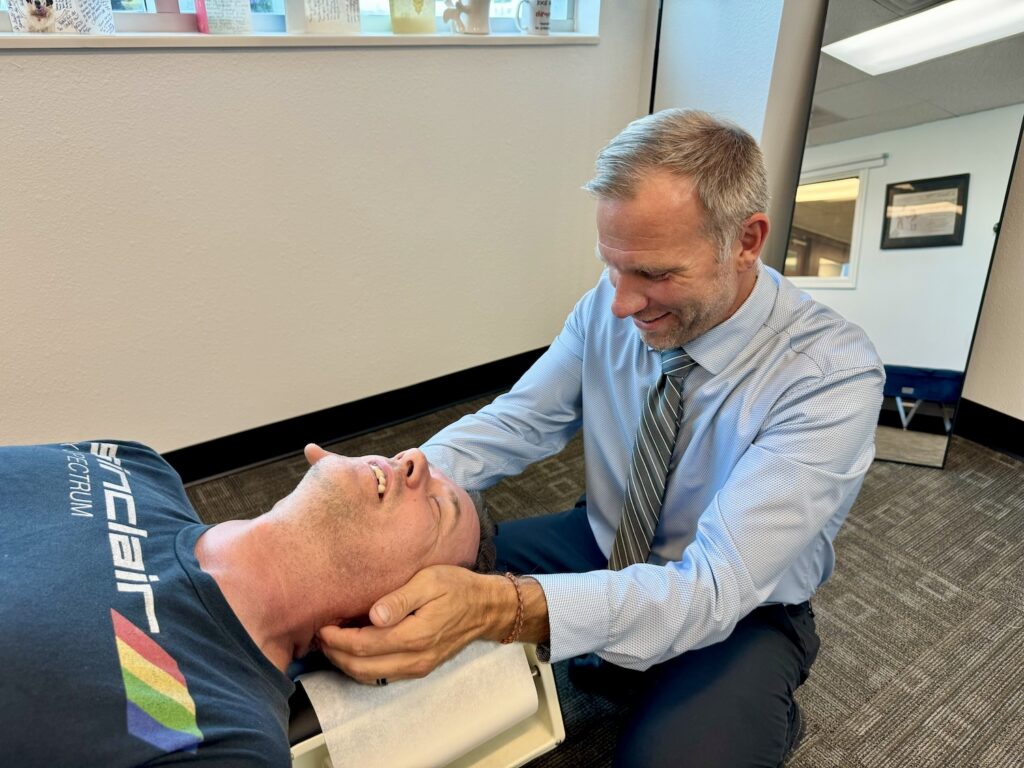
As a local chiropractor, I understand how disruptive back pain can be to your daily life. If you’ve experienced it, you know how it can affect everything from your work to your leisure activities. One of the best ways to combat this issue is by incorporating essential exercises into your routine, which I often recommend to my patients. By focusing on enhancing your core strength and flexibility, you can effectively support your spine and significantly reduce the risk of future injuries.
You may be wondering, what specific exercises should you consider? Let’s delve into some effective strategies that can help you build a stronger, more resilient back. These exercises will not only help alleviate pain but also promote overall spinal health, allowing you to move through life with greater ease and comfort. Remember, your journey to better back health starts with understanding and incorporating these foundational movements into your daily life.
Understanding Back Pain and Its Causes
As a local chiropractor, I want to help you understand back pain and its underlying causes. It’s crucial to pinpoint the root cause of your discomfort, as this knowledge enables us to address the issue effectively.
Many patients come to me with common triggers of back pain, such as poor posture, muscle strain, and injuries. For instance, sitting for extended periods or lifting heavy objects improperly can lead to significant discomfort. These habits often go unnoticed until pain arises.
In some situations, underlying conditions like herniated discs or arthritis may be contributing factors. Additionally, stress and tension can create tightness in your muscles, putting further strain on your back.
It’s essential to recognize how your daily life might influence your pain. By paying attention to your habits—whether they involve your work environment or exercise routine—you can identify patterns that may lead to discomfort.
This awareness is the first step toward finding relief. With a better understanding of the causes of your back pain, we can work together to implement proactive measures to alleviate your discomfort and enhance your overall well-being through chiropractic care and natural healing methods.
Importance of Core Strength for Back Support
As a local chiropractor, I want to share with you the significant role that core strength plays in supporting your back health.
Strong core muscles stabilize your spine and can significantly reduce the risk of injury. When your core is well-developed, it helps maintain proper posture and alignment, which ultimately alleviates pressure on your back.
Here are four key benefits of having a strong core when it comes to back support:
- Improved Stability: A strong core acts as a solid foundation for all your movements. This enhances your balance and coordination, making everyday activities feel more secure and controlled.
- Reduced Strain: When your core muscles are strong, they help distribute weight evenly throughout your body. This balance prevents unnecessary strain on your back during daily tasks, reducing the likelihood of discomfort or injury.
- Enhanced Mobility: Core strength contributes to more efficient movement patterns. With a stronger core, you can perform daily activities with ease, minimizing the risk of overexerting your back.
- Pain Prevention: Strengthening your core is a proactive approach to preventing chronic back pain. A strong core promotes better spinal alignment and reduces muscle fatigue, which can lead to discomfort over time.
Incorporating core-strengthening exercises into your routine can greatly enhance your back health and overall well-being.
If you have any questions about how to get started or how chiropractic care can help, feel free to reach out!
Stretching Exercises for Flexibility
As a local chiropractor, I want to emphasize the importance of stretching for maintaining flexibility and alleviating back pain.
Integrating key stretching techniques into your daily routine can significantly enhance your muscle elasticity and reduce tension throughout your body.
Let’s delve into some effective stretches that can help you feel more comfortable and mobile, promoting overall wellness through natural healing practices.
Importance of Stretching
As a chiropractor, I want to emphasize the often-overlooked importance of flexibility in maintaining a healthy back and preventing pain. Many people may not realize how critical stretching is to your overall well-being.
By incorporating regular stretching into your routine, you can significantly enhance your muscle elasticity and joint mobility, which are essential for a pain-free back. Here’s why you should prioritize stretching:
- Increases Blood Flow: Stretching improves circulation, ensuring that your muscles receive the nutrients they need to function properly.
- Reduces Muscle Tension: Through stretching, you can alleviate tightness in your muscles, which reduces the strain on your back and promotes relaxation.
- Improves Posture: Engaging in regular stretching helps you maintain proper alignment, which is crucial for minimizing back strain and preventing discomfort.
- Enhances Range of Motion: Increased flexibility allows for smoother, more fluid movements, which can lower your risk of injury during daily activities.
As your chiropractor, I encourage you to make stretching a regular part of your wellness routine. It can have a profound impact on your back health and overall quality of life.
Don’t underestimate the power of stretching!
Key Stretching Techniques
As a local chiropractor dedicated to promoting your overall well-being, I want to emphasize the importance of incorporating specific stretching techniques into your daily routine. These stretches aren’t only beneficial for enhancing your flexibility but are also crucial for supporting your back health.
Let’s start with the cat-cow stretch. This simple movement flexes and extends your spine, which helps improve mobility and ease tension.
Another effective stretch is the standing hamstring stretch; it specifically targets tightness in your lower back and legs, providing relief and improving your range of motion.
I also recommend the seated forward bend. This stretch allows you to simultaneously stretch your spine and hamstrings, which can alleviate discomfort and promote relaxation.
Additionally, the child’s pose is a wonderful stretch that gently decompresses your spine while relaxing your muscles, making it a great option to include in your routine.
As you perform these stretches, remember to hold each position for at least 20-30 seconds and breathe deeply. This mindful breathing will help maximize the benefits and enhance relaxation.
Consistency is key—aim to incorporate these stretches into your daily routine to maintain flexibility and prevent back pain.
By embracing these natural techniques, you’re taking a proactive step towards better health. If you have any questions or need guidance on how to perform these stretches properly, feel free to reach out during your next visit.
Your health is our priority, and we’re here to support you on your journey to a pain-free life!
Strengthening Exercises for the Upper Back
As a local chiropractor, I want to emphasize the importance of strengthening your upper back for alleviating pain and enhancing your posture, particularly if you find yourself sitting for extended periods.
Here are four effective exercises that you can easily incorporate into your daily routine to support your upper back health:
- Bent-Over Rows: Grab a set of dumbbells and hinge at your hips, pulling the weights towards your waist. This movement will engage and strengthen the muscles in your upper back, helping to counteract the effects of prolonged sitting.
- Face Pulls: Utilizing a resistance band, pull the band towards your face while keeping your elbows elevated. This exercise targets your rear deltoids and upper back, promoting better muscle balance and stability.
- Superman Exercise: Lie face down on the floor and lift both your arms and legs simultaneously off the ground. Hold this position for a few seconds. This simple yet effective exercise helps to strengthen your back muscles and improve overall posture.
- Wall Angels: Stand against a wall with your arms positioned in a “W” shape. Slowly raise your arms to form a “Y” while ensuring they remain in contact with the wall. This exercise not only strengthens your upper back but also enhances your shoulder mobility.
Incorporating these exercises into your routine can significantly contribute to building strength and supporting your back.
Targeting the Lower Back Muscles
As a local chiropractor, I want to help you understand how to effectively target and strengthen your lower back muscles.
It’s essential to focus on building core strength and enhancing flexibility, as these are key components in maintaining a healthy back. By incorporating specific stretching techniques, you can alleviate discomfort and improve your range of motion, which is crucial for everyday activities.
Moreover, engaging in tailored strengthening exercises for your lower back can significantly reduce the risk of pain and enhance your overall stability.
Remember, a strong and flexible lower back not only supports your spine but also contributes to your overall well-being.
If you’re unsure where to start, I encourage you to reach out and ask about exercises and stretches that are right for you. Together, we can work towards a healthier, pain-free back.
Importance of Core Strength
As a local chiropractor, I want to help you understand the vital role core strength plays in your overall health, especially when it comes to your back.
Many people tend to think of core strength as just the abdominal muscles, but it’s important to remember that a strong core includes your lower back as well. A well-developed core is key to stabilizing your body, which can help reduce the risk of injury and alleviate discomfort.
Here are four key benefits of focusing on core strength, particularly in relation to your lower back:
- Improved Posture: A strong core acts like a natural support system for your spine, helping you maintain proper posture throughout your daily activities. This can prevent unnecessary strain on your back.
- Enhanced Stability: When your core is strong, you enjoy better balance. This stability makes everyday movements, from walking to bending, safer and easier, reducing your risk of falls or mishaps.
- Injury Prevention: Strengthening the muscles of your lower back can significantly lower the chances of experiencing strains and injuries, especially during physical activities or sports.
- Pain Relief: If you’re struggling with back pain, developing core strength can help redistribute weight more evenly across your body, offering relief and potentially reducing discomfort.
At our chiropractic practice, we emphasize the importance of core strength as a fundamental aspect of back health.
Prioritizing this can lead to improved well-being and a more active lifestyle. Let’s work together to support your journey towards a healthier back!
Stretching Techniques for Relief
As a local chiropractor, I often see patients struggling with lower back pain and discomfort. One of the most effective ways to find relief is through stretching your lower back muscles. I highly recommend incorporating gentle stretches into your routine.
For instance, the cat-cow pose is a fantastic option. It involves getting on all fours and alternating between arching and rounding your back. This simple movement can significantly enhance your flexibility and alleviate tension in your back.
Another stretch that I find beneficial is the child’s pose. To practice this, kneel on the floor, sit back on your heels, and reach your arms forward while extending your torso. This position helps to elongate the spine and release tightness in the lower back.
You might also consider the seated forward bend. Sit with your legs extended in front of you and gently reach toward your toes. This stretch not only targets your lower back but also helps to calm your mind.
When performing these stretches, aim to hold each position for 20-30 seconds while focusing on your breathing. Deep, steady breaths can enhance the effectiveness of your stretches.
Remember, consistency is key! Regular stretching not only alleviates discomfort but also promotes better posture and mobility over time.
Always listen to your body and steer clear of any movements that induce pain. If you’re unsure about how to start, feel free to reach out for guidance. Your journey to natural healing and improved well-being can start with these simple yet powerful techniques!
Strengthening Exercises Overview
As a local chiropractor dedicated to your well-being, I want to emphasize the importance of not only relieving pain through stretching techniques but also strengthening the muscles that support your lower back. This is crucial for preventing future discomfort and enhancing your overall stability.
Here are four effective exercises I recommend incorporating into your routine to build strength in your lower back:
- Bridges: Begin by lying on your back with your knees bent. Lift your hips off the ground until your body forms a straight line from your shoulders to your knees. This exercise engages your glutes and lower back muscles.
- Bird-Dogs: Position yourself on all fours, ensuring your hands are under your shoulders and your knees are under your hips. Extend one arm forward while simultaneously extending the opposite leg back. Hold for a moment, then switch sides. This helps improve balance and coordination while strengthening your core.
- Supermans: Lie face down on the floor, with your arms extended in front of you. Lift both your arms and legs off the ground simultaneously, holding this position briefly before lowering back down. This exercise targets your lower back, glutes, and shoulders.
- Planks: Get into a plank position on your forearms and toes, keeping your body in a straight line from head to heels. Aim to hold this position for as long as you can. Planks are excellent for building core strength, which supports your entire back.
Incorporating these exercises into your regular routine can significantly strengthen your lower back muscles and contribute to a healthier, more resilient spine.
As always, if you have any concerns or are unsure about performing these exercises, please don’t hesitate to reach out for personalized guidance. Your spine health is my priority!
Pilates Moves to Enhance Posture
As a local chiropractor, I want to share some beneficial Pilates moves that can significantly improve your posture and support your spinal health.
One effective exercise to consider is the “Cat-Cow” stretch. This move involves alternating between arching and rounding your spine while on all fours, which promotes spinal flexibility and encourages proper alignment—key factors in maintaining a healthy back.
Another excellent option is the “Shoulder Bridge.” When you lie on your back with your knees bent and lift your hips while engaging your glutes and core, you not only strengthen your lower back but also improve pelvic alignment. This is crucial for overall body stability and comfort.
Additionally, the “Wall Roll Down” is a fantastic exercise to include in your routine. By standing against a wall and gently rolling down while keeping your spine aligned, you reinforce the importance of maintaining a neutral spine, which is vital for preventing back issues.
Incorporating these Pilates moves into your daily routine can greatly enhance your posture, alleviate tension in your back, and help prevent future discomfort.
As you practice these exercises regularly, you’ll notice an improvement in your body awareness and overall strength, which is essential for sustaining a healthy lifestyle.
Yoga Poses for Back Health
As a local chiropractor, I want to share with you how yoga poses can significantly enhance your back health by promoting flexibility and strength in your spine.
Many of my patients have found relief from back pain through specific poses that target areas of tension, ultimately benefiting their overall posture.
Incorporating these poses into your daily routine can lead to lasting relief and improve your overall well-being.
I encourage you to explore these practices as a natural complement to chiropractic care, helping you achieve a healthier spine and a more balanced body.
Let’s work together to find the right poses that suit your needs and help you feel your best!
Key Yoga Poses
As a local chiropractor, I often emphasize the importance of incorporating specific yoga poses into your daily routine to enhance back health and alleviate discomfort.
Here are four key poses that I recommend for my patients:
- Cat-Cow Stretch: This dynamic movement is excellent for warming up your spine. It helps increase flexibility and reduce tension, which can be beneficial for maintaining a healthy back.
- Child’s Pose: This restorative posture gently stretches the back and promotes relaxation. It’s a great way to give your spine a break and relieve any accumulated stress.
- Downward-Facing Dog: This pose not only strengthens your back but also stretches the hamstrings, promoting better overall alignment. It’s a fantastic way to improve your posture and support spinal health.
- Cobra Pose: A gentle backbend, the Cobra pose opens up your chest and stretches the spine. This counteracts slouching and helps you maintain a more upright posture, which is vital for your overall well-being.
Incorporating these poses into your routine can complement chiropractic care and support your journey towards natural healing and pain relief.
Benefits for Spine
As a local chiropractor, I want to emphasize the crucial role that a healthy spine plays in your overall well-being. Many people may not realize just how important it’s to maintain spinal health, but integrating specific yoga poses into your routine can provide remarkable benefits.
These poses not only enhance spinal flexibility, enabling a greater range of motion, but they also strengthen the muscles that support your spine. This fortification reduces the risk of injury and alleviates discomfort that many experience.
Furthermore, practicing yoga encourages better posture, which is vital for spinal health—especially for those who spend long hours sitting at desks. When you incorporate these poses into your daily life, you improve blood circulation around your spine, which aids in recovery and boosts overall health.
A strong and flexible spine is key to achieving improved balance and coordination, making everyday activities easier and more enjoyable.
As your chiropractor, I encourage you to prioritize your spine’s health. By doing so, you can pave the way for a more active, pain-free lifestyle. Embracing practices like yoga not only complements chiropractic care but also empowers you to take charge of your health naturally.
Daily Practice Tips
As a local chiropractor dedicated to your spine health, I want to emphasize the importance of maintaining a healthy spine through consistent practice. Incorporating specific yoga poses into your daily routine can greatly enhance your well-being.
Here are four essential poses I recommend for my patients:
- Cat-Cow Stretch: This gentle, dynamic movement is fantastic for warming up your spine and improving flexibility. It helps mobilize the vertebrae and encourages a healthy range of motion.
- Child’s Pose: This restorative posture is excellent for releasing tension in your back and shoulders. It allows for a gentle stretch and promotes relaxation, which can be especially beneficial after a long day.
- Downward-Facing Dog: This pose not only strengthens your back muscles but also provides a comprehensive stretch for your entire body. It’s a great way to engage multiple muscle groups while promoting spinal alignment.
- Bridge Pose: By engaging your lower back and glutes, this pose helps to build stability and support for your spine. Strengthening these areas is crucial for overall spinal health.
I encourage you to incorporate these poses into your daily routine, even if it’s just for a few minutes. Not only will you enhance your back health, but you’ll also cultivate mindfulness and a sense of relaxation throughout your day.
Incorporating Aerobic Activities
As a chiropractor, I want to emphasize the importance of incorporating aerobic activities into your routine to enhance your back health. Regular engagement in activities such as walking, swimming, cycling, or dancing not only improves circulation but also strengthens the muscles that support your spine.
I recommend aiming for at least 150 minutes of moderate aerobic exercise each week. Don’t worry—you don’t need to run marathons! Even a brisk walk can provide significant benefits.
If you’re new to exercising, it’s vital to start slowly. Gradually increasing your intensity and duration will help you avoid unnecessary strain. Listen to your body during and after these activities. If you encounter any pain, consider modifying your routine or seeking guidance from a healthcare professional.
Incorporating aerobic activities isn’t only beneficial for your cardiovascular health but also helps maintain a healthy weight, which in turn reduces stress on your back.
I encourage you to mix up your activities to keep them enjoyable and engaging. The more you enjoy your workouts, the more likely you’re to stick with them, and consistency is key when it comes to preventing back pain.
Tips for Maintaining Good Posture
As a local chiropractor, I want to emphasize the vital role that good posture plays in your overall health, particularly in preventing back pain. Many of us spend extended periods sitting or standing, often leading to misalignment and discomfort.
By maintaining proper alignment, we can significantly reduce strain on the spine and enhance our well-being. Here are some essential tips to help you keep your posture in check:
- Sit Up Straight: It’s important to keep your back straight and shoulders relaxed. Ensure your feet are flat on the floor to promote good alignment.
- Adjust Your Workspace: Take a moment to assess your desk and chair. They should be at the appropriate height so that your elbows can form a 90-degree angle while you work. This can make a substantial difference in how your body feels.
- Use Supportive Furniture: Consider investing in an ergonomic chair designed to support your lower back. This type of furniture encourages proper spine alignment and can help prevent discomfort.
- Take Breaks: Remember to stand, stretch, and move around at least once every hour. This will help relieve tension and allow you to reset your posture throughout the day.
By incorporating these simple tips into your daily routine, you can help maintain good posture and support your spine’s health.
If you have any questions about posture or how chiropractic care can assist you, feel free to reach out!
Crafting a Balanced Routine for Back Care
As a local chiropractor, I understand that back pain can often feel overwhelming. However, creating a balanced routine for back care can significantly improve your daily comfort and overall health. One of the first steps I recommend is incorporating stretching exercises that specifically target your spine and the surrounding muscles. Gentle twists and hamstring stretches are excellent movements to enhance flexibility and reduce tension in your back.
In addition to stretching, it’s essential to balance strength training with aerobic activities. Strengthening your core and back muscles provides better support for your spine. I suggest including exercises such as planks and bridges in your routine. Pairing these with low-impact cardio, like walking or swimming, will promote circulation and contribute to your overall fitness.
It’s also crucial to prioritize rest and recovery. Your body needs time to heal, especially after intense workouts or new exercises. Always listen to your body; if something doesn’t feel right, it’s important to adjust your routine accordingly.
Conclusion
As a local chiropractor, I want to emphasize the importance of incorporating essential exercises into your daily routine to help prevent back pain. Focusing on core strength, flexibility, and overall back health is a vital investment in your well-being. Good posture is crucial, so I encourage you to be mindful of your alignment throughout the day.
In addition to these exercises, balancing your routine with aerobic activities can enhance your results. Consistency is key—listen to your body and adjust as necessary. With dedication to these practices, you can foster a resilient back, leading to a more active and pain-free lifestyle. Remember, chiropractic care also supports your journey to wellness by addressing any misalignments and promoting natural healing. Let’s work together towards a healthier back!