Cluster headaches can be a particularly challenging experience, often accompanied by intense pain and disruptive symptoms that can significantly impact your daily life. If you’ve experienced these episodes, you understand just how taxing they can be. It’s crucial to recognize the triggers and explore effective management strategies to help you cope.
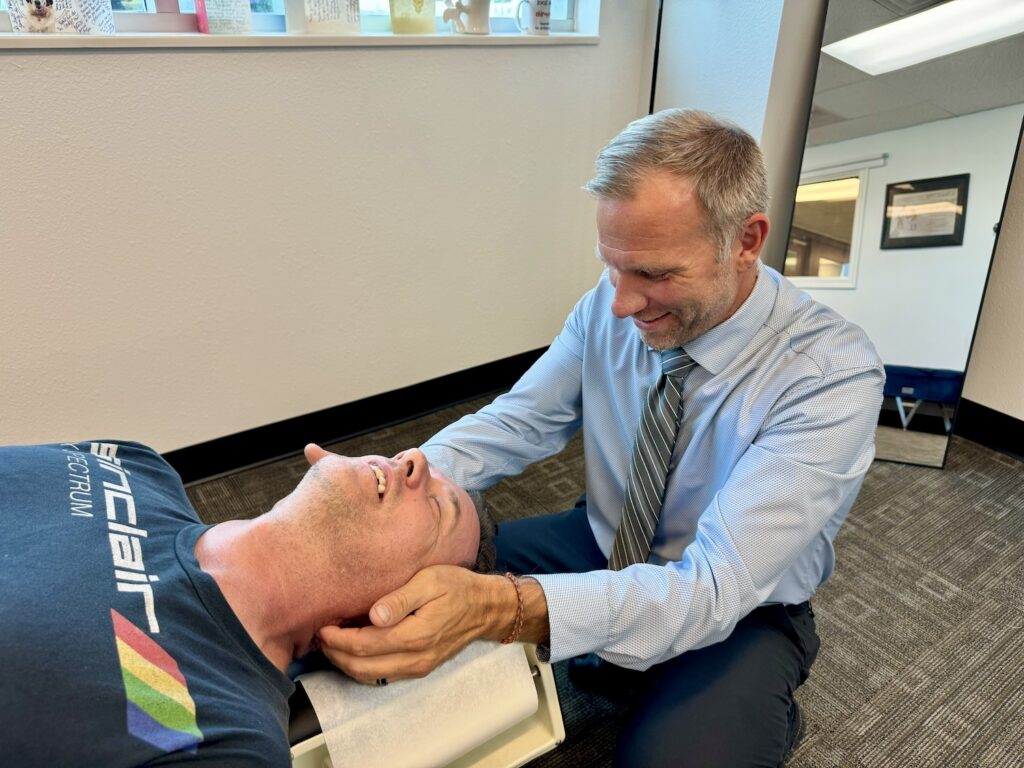
As a chiropractor, I want to emphasize the importance of spinal health and its role in overall wellness. Did you know that your spine plays a vital part in how your body manages pain? Misalignments in the spine can contribute to stress and tension, which may exacerbate headache symptoms. By maintaining proper spinal alignment through regular chiropractic adjustments, you can help alleviate some of the discomfort associated with cluster headaches.
In addition to chiropractic care, there are several simple lifestyle changes you can adopt to enhance your well-being and potentially reduce the frequency and severity of headache episodes. Here are some tips to consider:
- Stay Hydrated: Dehydration can trigger headaches, so make sure to drink plenty of water throughout the day.
- Establish a Routine: Keeping a consistent sleep schedule and eating regular meals can help your body maintain balance.
- Manage Stress: Incorporating relaxation techniques such as deep breathing, meditation, or yoga can help reduce stress, which is a common trigger for headaches.
- Limit Alcohol and Caffeine: Both substances can contribute to dehydration and trigger headaches, so consider moderating your intake.
- Regular Exercise: Engaging in regular physical activity can improve your overall health and help manage stress levels, which may alleviate headache symptoms.
- Posture Awareness: Pay attention to your posture, especially if you spend long hours at a desk. Poor posture can lead to spinal misalignments that may increase headache symptoms.
Remember, chiropractic care is a natural and effective way to support your body’s healing process and promote overall well-being. By prioritizing your spinal health and making these simple lifestyle adjustments, you can take proactive steps toward managing cluster headaches and enhancing your quality of life. If you’re interested in learning more about how chiropractic care can specifically help you, don’t hesitate to reach out for a consultation. Your journey to optimal health begins here!
Key Takeaways
Cluster headaches can be incredibly debilitating, causing severe pain often felt on one side of the head. These intense episodes may also come with some uncomfortable autonomic symptoms, such as redness in the eye and nasal congestion. It’s essential to understand that while the pain can be overwhelming, there are natural ways to manage it effectively.
One of the most common triggers for cluster headaches includes irregular sleep patterns. Maintaining a consistent sleep schedule can be a simple yet powerful way to help prevent these headaches. Stress is another trigger, so finding relaxation techniques, such as deep breathing or meditation, can be beneficial. Additionally, it’s wise to limit alcohol consumption and avoid strong odors, as these can also provoke attacks.
As a chiropractor, I believe that overall health and wellness play a crucial role in managing cluster headaches. Staying hydrated and practicing good sleep hygiene are important steps in maintaining not just your head health but your overall well-being. Regular chiropractic adjustments can also help alleviate tension and improve spinal alignment, which may contribute to reducing headache frequency and intensity.
Another effective strategy is to keep a headache diary. This simple tool can help you track when headaches occur and identify potential triggers. By understanding your unique patterns, you can work with your chiropractor to create a personalized plan that includes natural treatment options like chiropractic care and relaxation techniques.
Remember, the goal is to support your body’s natural healing processes and achieve optimal health. By making mindful lifestyle choices and incorporating chiropractic care into your routine, you can take proactive steps towards managing cluster headaches and enhancing your overall quality of life.
Understanding Cluster Headaches
Cluster headaches can be an incredibly challenging type of headache that can strike suddenly and leave you in intense pain, often around one eye or one side of your head. These headaches tend to occur in cycles, known as cluster periods, which can last from weeks to months. During these times, many people experience multiple attacks each day, making it difficult to carry out daily activities.
Understanding cluster headaches is crucial for managing them effectively. While the exact cause of these headaches remains unclear, they may be linked to changes in blood flow or disruptions in your body’s biological clock. Certain factors, such as changes in sleep patterns, alcohol consumption, or even strong smells, can trigger these painful episodes.
As you navigate the challenges of cluster headaches, it’s important to know that you aren’t alone. Many individuals share similar experiences, and there are natural approaches you can take to find relief. One effective method is chiropractic care, which focuses on the alignment of your spine and the overall health of your nervous system. By ensuring that your spine is in proper alignment, chiropractic care can promote better blood flow and support your body’s natural healing processes.
Additionally, here are some general tips to help manage cluster headaches:
- Maintain a Consistent Sleep Schedule: Try to go to bed and wake up at the same time every day to help regulate your body’s internal clock.
- Stay Hydrated: Drinking plenty of water can help keep your body functioning optimally.
- Identify Triggers: Keep track of what might trigger your headaches, and try to avoid those triggers when possible.
- Practice Relaxation Techniques: Stress can be a significant factor in headache occurrence. Techniques such as deep breathing, meditation, or yoga can help reduce stress levels.
- Consider Chiropractic Adjustments: Regular visits to a chiropractor may help alleviate tension and misalignments in your spine, which can be beneficial for headache management.
Symptoms and Diagnosis
Recognizing the symptoms of cluster headaches is essential for timely relief and management. These headaches often occur in cycles and are characterized by intense pain, usually on one side of your head, particularly around the eye area. You may also notice additional symptoms such as nasal congestion, watery eyes, and feelings of restlessness during an attack.
Here’s a helpful reference table to assist you in identifying these symptoms:
| Symptom | Description | Duration |
|---|---|---|
| Unilateral Pain | Severe, sharp pain on one side of the head | 15 minutes to 3 hours |
| Autonomic Symptoms | Eye redness, nasal congestion | Occurs during an attack |
| Behavioral Changes | Agitation, inability to sit still | During cluster periods |
If you notice these signs, it’s important to seek guidance from a healthcare professional who understands the value of natural healing. Chiropractic care can be a fantastic option for those seeking pain relief and wellness.
Here are a few tips to help you manage your symptoms and promote overall wellness:
- Stay Hydrated: Drink plenty of water throughout the day to help reduce headache triggers.
- Maintain Good Posture: Poor posture can contribute to tension and pain. Regular chiropractic adjustments can help align your spine, which may alleviate some discomfort.
- Practice Relaxation Techniques: Stress can be a significant trigger. Techniques such as deep breathing, meditation, or gentle yoga can help you relax and may reduce the frequency of headaches.
- Regular Chiropractic Care: Routine visits to your chiropractor can help keep your spine aligned, which supports your nervous system and overall health.
- Lifestyle Modifications: Identify and avoid known triggers, such as certain foods or stressors, to help manage your headaches.
If you experience cluster headache symptoms, consider consulting with a chiropractor. Early recognition and natural treatment can lead to more effective management and enhance your overall well-being.
Triggers and Risk Factors
When it comes to managing cluster headaches, understanding your triggers and risk factors is essential for achieving optimal health and wellness. As a chiropractor, I believe that lifestyle choices, combined with your unique genetic makeup, can greatly influence the frequency and intensity of your headache episodes.
By recognizing these common triggers, you can take proactive steps to support your body and alleviate discomfort naturally. Many people find that stress, irregular sleep patterns, certain foods, and even environmental factors can prompt a cluster headache. Staying mindful of these triggers can help you avoid situations that may lead to an episode.
Additionally, practicing good spinal health through regular chiropractic care can play a vital role in managing headaches. The alignment of your spine directly impacts your nervous system, which is crucial for overall health and can help reduce pain and tension.
Here are some practical tips to consider:
- Stay Hydrated: Dehydration can be a significant trigger. Make sure you’re drinking enough water throughout the day.
- Monitor Your Sleep: Establish a regular sleep schedule to ensure your body gets the rest it needs. A well-rested body is better equipped to handle stress and discomfort.
- Manage Stress: Incorporate relaxation techniques such as deep breathing, yoga, or meditation into your daily routine to help reduce stress levels.
- Consider Your Diet: Keep track of what you eat and identify any foods that may trigger your headaches. Focus on a balanced diet rich in whole foods.
- Regular Chiropractic Visits: Regular adjustments can help keep your spine in alignment, potentially reducing the frequency and severity of headaches. A chiropractor can also provide personalized care tailored to your specific needs.
Common Triggers Identified
Understanding the common triggers of cluster headaches is essential for managing your condition and promoting overall wellness. By identifying these triggers, you can take proactive steps to avoid potential attacks and enhance your health. Here are some of the most frequently reported triggers that you should be aware of:
| Trigger | Description |
|---|---|
| Alcohol | Often leads to an immediate headache. Consider reducing or eliminating alcohol intake to see if it helps. |
| Strong Odors | Perfumes, paints, or chemicals can trigger headaches. Opt for natural scents and avoid heavily perfumed products. |
| Weather Changes | Shifts in temperature or pressure can affect your body. Staying indoors during extreme weather and maintaining a stable environment can be beneficial. |
| Sleep Disturbances | Irregular sleep patterns can provoke attacks. Prioritize good sleep hygiene by establishing a consistent sleep schedule and creating a restful environment. |
| Physical Exertion | Intense exercise may trigger a headache. While staying active is important, focusing on moderate exercise and listening to your body can help you manage your symptoms. |
In addition to recognizing these triggers, consider incorporating chiropractic care into your wellness routine. Chiropractic adjustments can help improve spinal alignment, reduce tension, and promote overall health, potentially alleviating some headache symptoms.
Genetic Predisposition Factors
Genetic factors can influence your susceptibility to cluster headaches, and understanding this can be key in managing your overall health and wellness. Research indicates that cluster headaches can run in families, so if you have a family history of these headaches, you might be at a higher risk. Scientists have identified certain genetic markers that are associated with these conditions, hinting that hereditary traits may play a role in how your body reacts to pain.
While genetics can affect your risk, it’s important to remember that there are natural ways to support your body’s healing process. Chiropractic care is an excellent option for those seeking relief from pain, including headaches. By focusing on spinal alignment and overall wellness, chiropractors can help improve your body’s function and potentially reduce the frequency and intensity of headache attacks.
In addition to chiropractic adjustments, consider incorporating some simple lifestyle changes to support your health. Staying hydrated, practicing stress management techniques—like deep breathing or meditation—and maintaining a balanced diet can all contribute to your overall well-being.
Regular physical activity is also beneficial, as it helps improve circulation and reduces tension in the body.
Being informed about your family’s medical history can provide valuable insights into your own health. Use this knowledge to work with your chiropractor to create a personalized plan that focuses on natural healing and optimal wellness.
Lifestyle Influence Considerations
Cluster headaches can often be influenced by various lifestyle habits, so it’s important to recognize and manage these factors for better overall health and wellness. By identifying triggers, you can take proactive steps to reduce the frequency of these painful episodes. As a chiropractor, I believe that natural healing and lifestyle adjustments play a crucial role in achieving optimal health.
Here’s a quick overview of some common lifestyle triggers that may lead to cluster headaches:
| Trigger | Impact on Cluster Headaches |
|---|---|
| Alcohol | Can provoke attacks |
| Smoking | Increases attack frequency |
| Sleep deprivation | Disrupts sleep cycles |
| Stress | Heightens attack likelihood |
| Certain foods | May trigger episodes |
To help manage your health and potentially reduce the occurrence of cluster headaches, consider these simple lifestyle tips:
- Limit Alcohol Intake: Reducing or eliminating alcohol can have a positive effect on your head health.
- Quit Smoking: If you smoke, seek support to quit. This not only benefits your head but also your overall wellness.
- Establish a Sleep Routine: Aim for consistent sleep patterns by going to bed and waking up at the same time each day.
- Manage Stress: Incorporate relaxation techniques such as deep breathing, yoga, or meditation into your daily routine to help lower stress levels.
- Eat Mindfully: Pay attention to how certain foods affect you and try to avoid those that may trigger headaches.
Incorporating chiropractic care into your wellness journey can also be an effective way to address pain and promote natural healing. Regular chiropractic adjustments can help improve your overall spinal health and may contribute to better sleep, reduced stress, and enhanced well-being. By focusing on a holistic approach to health, you can support your body’s natural ability to heal and thrive.
Treatment Options
When you’re dealing with cluster headaches, exploring natural treatment options is crucial for finding relief. While medications can provide temporary relief, chiropractic care offers a holistic approach that focuses on healing your body naturally and addressing the root causes of pain.
Chiropractic adjustments can help realign your spine and reduce tension in your nervous system, which may alleviate the frequency and intensity of cluster headache episodes. Regular chiropractic visits can also improve overall spinal health, promote better circulation, and enhance your body’s natural ability to heal itself.
In addition to chiropractic care, here are some general tips to help manage cluster headaches naturally:
- Stay Hydrated: Dehydration can trigger headaches, so make sure you’re drinking enough water throughout the day.
- Maintain a Healthy Diet: Eating a balanced diet rich in fruits, vegetables, and whole grains can support overall wellness and reduce headache triggers.
- Regular Exercise: Engaging in regular physical activity can help relieve stress and tension that may contribute to headaches.
- Practice Stress Management: Techniques such as deep breathing, yoga, or meditation can help reduce stress levels, which are often linked to headache episodes.
- Establish a Routine: Keeping a consistent sleep schedule can help regulate your body’s internal clock and may decrease the likelihood of headaches.
By taking a proactive approach to your health through chiropractic care and these natural strategies, you can regain control over your pain and improve your overall well-being.
Acute Attack Management
Managing an acute cluster headache attack can be challenging, but there are natural and effective ways to help alleviate your pain. While many people turn to medications for relief, chiropractic care offers a holistic approach that focuses on your overall well-being.
One effective technique is to engage in deep breathing exercises. This can help relax your body and may reduce the intensity of your headache. Additionally, finding a quiet, dark room to rest in can provide a calming environment that may ease discomfort.
Chiropractic adjustments can also play a pivotal role in managing headaches. By addressing spinal misalignments, a chiropractor can help restore proper function to your nervous system, which may minimize headache frequency and intensity over time.
Regular chiropractic care not only targets pain relief but also promotes overall wellness and can help prevent future headaches.
Incorporating lifestyle changes like staying hydrated, maintaining a balanced diet rich in anti-inflammatory foods, and practicing stress-reducing techniques such as yoga or meditation can further support your body’s natural healing processes.
Preventive Therapies Available
After addressing acute cluster headache attacks with various techniques, it’s essential to consider preventive measures for long-term relief. While medications are commonly discussed, there are natural approaches and lifestyle changes that can support your well-being and reduce the frequency of these painful episodes.
Chiropractic care can play a vital role in managing headaches. By focusing on spinal health and alignment, chiropractors can help alleviate tension and improve overall nervous system function, which may contribute to fewer headaches. Regular adjustments can promote proper blood flow and reduce muscle tension, leading to a more balanced body.
Here are some natural strategies that may complement chiropractic care and help prevent cluster headaches:
- Regular Chiropractic Adjustments: Maintaining a healthy spine can improve your body’s ability to manage pain and stress.
- Stress Management Techniques: Practices such as yoga, meditation, and deep breathing can help reduce stress, which is often a trigger for headaches.
- Hydration: Staying well-hydrated is crucial, as dehydration can lead to headaches.
- Nutritional Support: Eating a balanced diet rich in omega-3 fatty acids, fruits, and vegetables can support overall health.
- Sleep Hygiene: Establishing a consistent sleep schedule and creating a restful sleep environment can improve sleep quality, which is important for headache management.
- Physical Activity: Engaging in regular exercise can reduce stress and tension, contributing to fewer headaches.
Remember, it’s important to discuss any new health strategies with your healthcare provider, including your chiropractor, to find the best approach for your individual needs.
Embracing a holistic view of health can lead to a more fulfilling and pain-free life.
Preventive Measures
Cluster headaches can be incredibly challenging, but there are natural preventive measures you can take to help reduce their frequency and severity. One of the best approaches is to consider chiropractic care, which focuses on spinal health and overall wellness. Regular chiropractic adjustments can help relieve tension and improve your body’s function, potentially reducing the intensity and occurrence of headaches.
In addition to chiropractic care, maintaining a consistent sleep schedule is crucial. Irregular sleep patterns can trigger headaches, so aim to go to bed and wake up at the same time every day. Staying hydrated is also key; drinking plenty of water throughout the day can help prevent dehydration, which may worsen your symptoms.
You might find that incorporating natural supplements, like melatonin, can assist in regulating your sleep cycles.
Also, don’t overlook the benefits of relaxation techniques such as deep breathing, meditation, or gentle stretching, which can alleviate stress and tension in the body.
Consider talking to a healthcare professional about holistic therapies, such as acupuncture, which some individuals find helpful in managing headache symptoms.
Lifestyle Changes for Relief
Making intentional lifestyle changes can significantly improve your experience with cluster headaches, and as a chiropractor, I believe that a holistic approach to health is key. One of the first steps is maintaining a consistent sleep schedule. Going to bed and waking up at the same time each day can help regulate your body’s internal clock, which may lead to a reduction in headache frequency.
Next, let’s talk about your diet. Being mindful of what you eat can play a crucial role in managing headaches. Avoiding specific triggers such as alcohol, caffeine, and certain processed foods can help alleviate symptoms. Instead, aim for a balanced diet filled with fresh fruits, vegetables, and whole grains to nourish your body naturally.
Incorporating regular exercise into your routine is another fantastic way to support your overall health. Moderate physical activity not only improves your physical well-being but also helps to reduce stress, a common headache trigger. Whether it’s a brisk walk, cycling, or engaging in fun activities you enjoy, movement is vital for wellness.
Finally, don’t underestimate the power of relaxation techniques. Practicing deep breathing, yoga, or meditation can significantly help manage stress levels. These practices not only promote relaxation but can also enhance your body’s natural healing abilities, which is where chiropractic care shines.
By adopting these lifestyle changes, you may find yourself better equipped to handle cluster headaches and improve your overall quality of life.
And remember, regular chiropractic care can support your journey to optimal health, helping to align your spine and enhance your body’s natural capacity to heal and thrive.
Seeking Professional Help
When cluster headaches become overwhelming, it’s important to find ways to manage your discomfort and enhance your overall wellness. While seeking professional help can be beneficial, consider exploring the natural and holistic approach that chiropractic care offers.
Here are four key reasons why chiropractic care may be an excellent option for managing cluster headaches:
- Holistic Assessment: A chiropractor will conduct a thorough evaluation of your spine and nervous system. Misalignments in the spine can contribute to headaches, and addressing these issues may help alleviate your symptoms.
- Customized Care Plans: Chiropractors develop personalized treatment plans that focus on spinal adjustments and other natural therapies tailored to your specific needs. This approach can help restore balance and promote healing in your body.
- Natural Pain Relief: Chiropractic adjustments can help relieve tension and improve blood flow, which may reduce the frequency and intensity of headache attacks without the need for medications.
- Empowerment and Education: Chiropractors can provide you with valuable tips on posture, ergonomics, and lifestyle choices that support spinal health and overall wellness. They can also guide you in incorporating stress-reducing techniques like exercise and relaxation methods.
Remember, chiropractic care focuses on treating the underlying causes of your headaches naturally, promoting long-term health and wellness.
Don’t hesitate to explore this holistic approach for better management of your condition and an improved quality of life.
Living With Cluster Headaches
Living with cluster headaches can be incredibly challenging, as their intense pain often disrupts daily life and affects your overall well-being. It’s common to find it difficult to maintain work or social commitments during a cluster cycle. The unpredictability of these attacks can lead to anxiety, making it tough to plan ahead.
As a chiropractor, I want to emphasize the importance of a holistic approach to managing pain. Establishing a support network is essential—share your experiences with friends and family to help them understand what you’re going through. Keeping a headache diary can also be beneficial. By tracking your headaches, you may identify patterns or triggers that can help you develop strategies to minimize attacks.
Incorporating relaxation techniques, such as deep breathing exercises or mindfulness practices, can significantly reduce stress levels. Remember, stress can often exacerbate your headaches. Additionally, don’t underestimate the power of a good night’s sleep; maintaining a consistent sleep schedule can help keep your body balanced and reduce the frequency of headaches.
Chiropractic care can play a vital role in your journey towards relief. Regular adjustments can help align your spine, reduce tension, and improve overall function, which may contribute to fewer headache episodes. Always communicate with your chiropractor about your symptoms and treatment options. Together, you can create a personalized plan that focuses on natural healing and optimal health.
In summary, living with cluster headaches is tough, but by building a support system, practicing relaxation techniques, maintaining good sleep hygiene, and seeking chiropractic care, you can take proactive steps towards managing your condition and improving your quality of life.
Conclusion
Managing cluster headaches effectively involves understanding your symptoms and identifying potential triggers. Chiropractic care can play a vital role in finding relief and enhancing your overall wellness. By focusing on spinal health and the nervous system, chiropractic adjustments can help alleviate pain and improve your quality of life.
In addition to regular chiropractic visits, consider incorporating lifestyle changes that promote natural healing. Staying hydrated, practicing stress-reduction techniques, and ensuring proper sleep can significantly impact your well-being. Keeping a headache diary to track symptoms and triggers may also provide valuable insights for you and your chiropractor.
Don’t hesitate to reach out for professional help. A personalized chiropractic approach can make a significant difference in managing your symptoms. Remember, you’re not alone in this journey; many have found success through chiropractic care. Stay proactive and take charge of your health for a brighter, pain-free tomorrow!